Mathew Effect
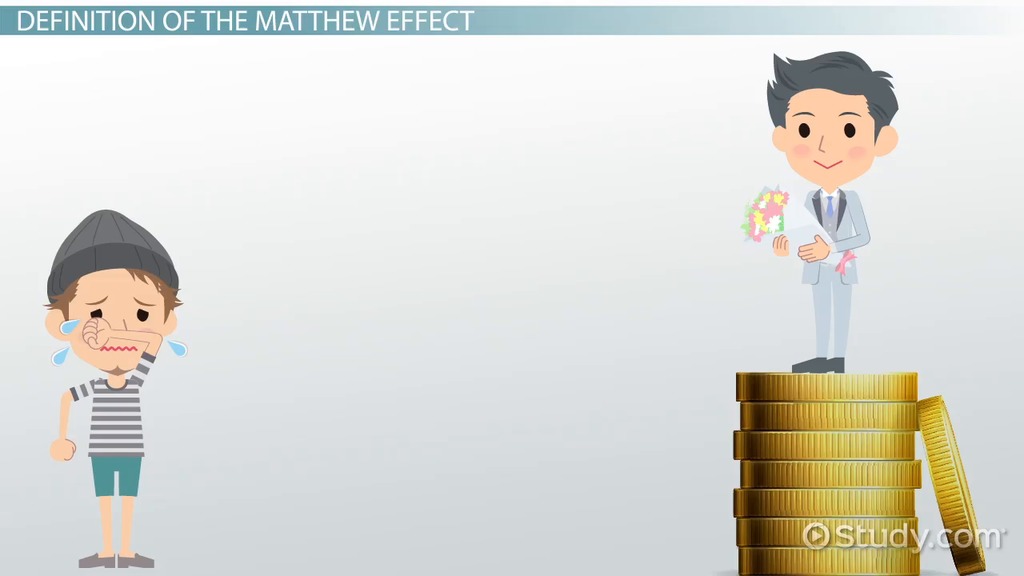
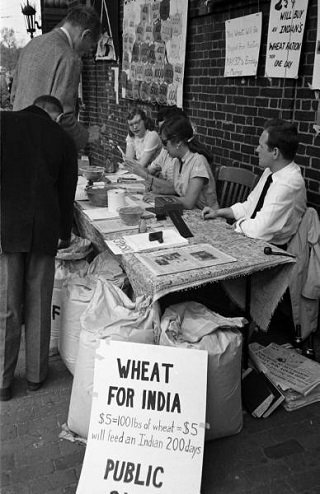
Some where at any point of time you definitely heard of the concept of "The rich became richer and poor became poorer".
It is came from the "Mathew effect".
Now let understand what this Mathew effect is..
#mathewEffect
Rest in peace Denial Kahneman.
His book thinking fast and slow really helped me to grow as an individual and provided different perspectives to see life & human beings.
You are given a set of numbers, find the number of subsets with the given Sum.
How would you do that?
One way is to try all subsets. Okay?
If number of elements is 20, that seems to work fine. 2^20 = 10^6 total subsets, cool.
If number of elements is 40, 2^40 = 10^12 subsets now, oh oh :o
That seems to be a bit too much, no?
What do we do now?
Meet-in-the-middle technique comes to the rescue here. Don't worry about the fancy jargon, it's super simple.
How does it solve this problem? Let's see.
Divide it into two halves of 20 each.
For each half store all subsets sum in a map [10^6 subsets = so that many elements in each map].
Now iterate over one of the map's elements and we can search for the remaining part [of the target sum] from the other map.
And we are done :)
My default approach is to use arrow functions, but I came across an article suggesting that arrow functions could lead to problems down the line.
#nextjs#react#webdevelopment#reactjs
https://t.co/J9Va6vqJmx
Could someone provide guidance on whether I should use arrow functions or named/old functions for creating components in Next.js?
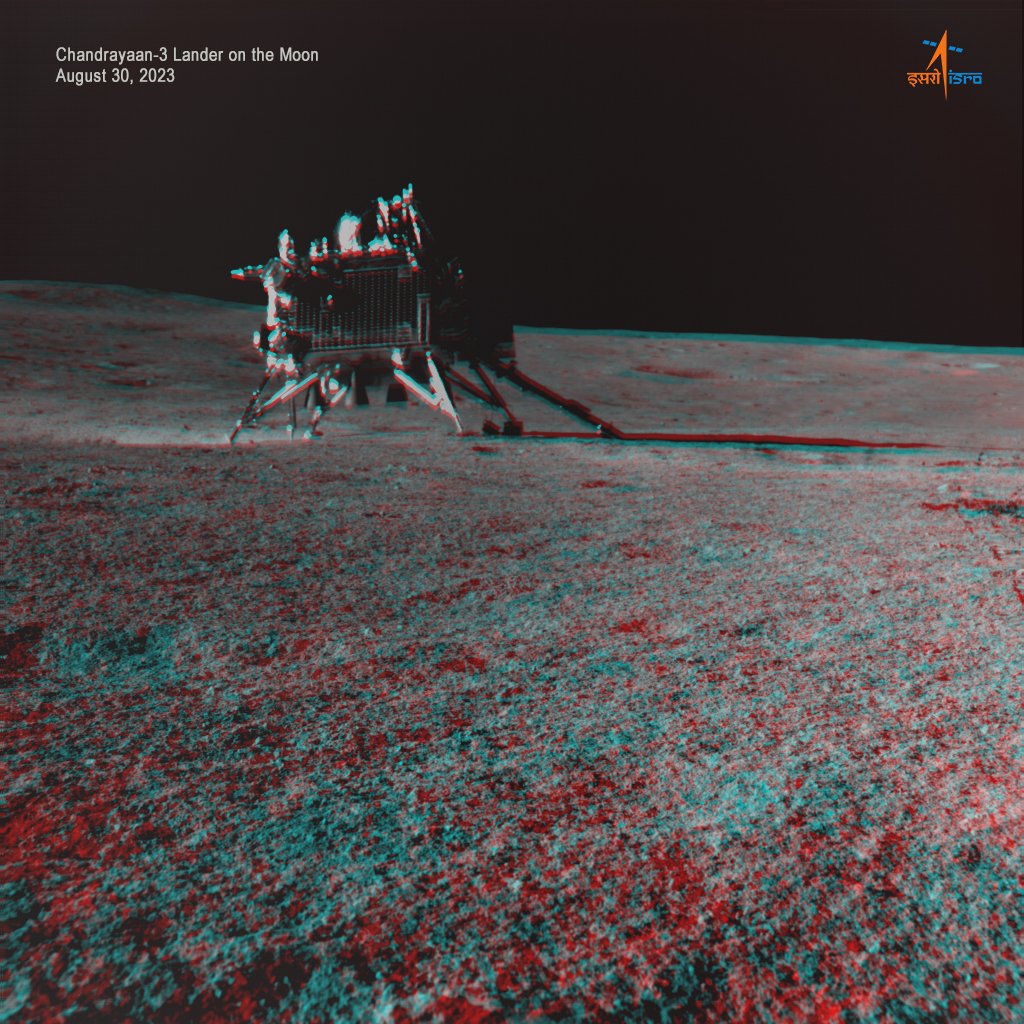
Chandrayaan-3 Mission:
Anaglyph is a simple visualization of the object or terrain in three dimensions from stereo or multi-view images.
The Anaglyph presented here is created using NavCam Stereo Images, which consist of both a left and right image captured onboard the Pragyan Rover.
In this 3-channel image, the left image is positioned in the red channel, while the right image is placed in the blue and green channels (creating cyan). The difference in perspective between these two images results in the stereo effect, which gives the visual impression of three dimensions.
Red & Cyan glasses are recommended for viewing in 3D
NavCam was developed by LEOS / ISRO. Data Processing is carried out by SAC / ISRO