Hey @Liebherr – Claude empfiehlt mir euren Tiefkühler NICHT zu kaufen und stattdessen einen billigen+ @ESPHome zu nehmen.
Warum?: Eure Local API ist für Consumer gesperrt. Cloud-only ist 2025 kein Feature, es ist ein Dealbreaker.
Oder geht da doch was?
#HomeAssistant#LocalFirst
.@DarioAmodei, Europe looks forward to welcoming you and @AnthropicAI.
We have magnificent cities, exceptional scientists, and we usually don't bully companies out of market.
You will notice the improvement!
Today was a CRAZY day in the AI space.
Morning - Anthropic CEO Dario Amodei refused to work with the Pentagon because they wanted to use Claude for mass surveillance and autonomous killer robots.
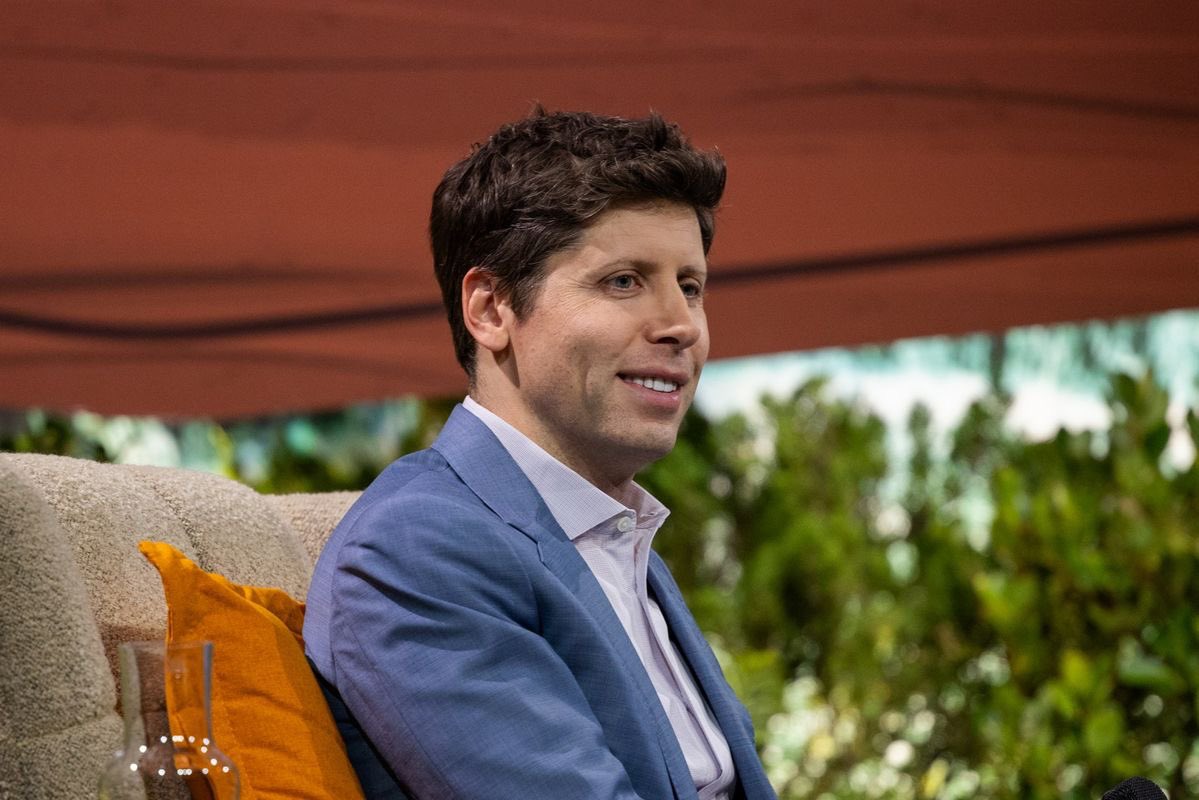
Afternoon - OpenAI’s Sam Altman came out in support saying, “For all the differences I have with Anthropic, I mostly trust them as a company and I think they really do care about safety.”
Evening - President Trump banned Anthropic from every federal agency in the United States government.
Night - Sam Altman flipped. OpenAI submitted a bid to replace Anthropic and officially reached a deal with the Pentagon.
🦞 BIG NEWS: We've molted!
Clawdbot → Moltbot
Clawd → Molty
Same lobster soul, new shell. Anthropic asked us to change our name (trademark stuff), and honestly? "Molt" fits perfectly - it's what lobsters do to grow.
New handle: @openclaw
Same mission: AI that actually does things.
🚀Open Source Vision: AI Glasses for the Visually Impaired, Built for just ~$15 in Hardware! (🎬The complete journey, from idea to street testing, is in this video)
In the AI for Good competition on ModelScope, developer Fan Ge designed lightweight glasses that let users "hear" the world in real time. They announce traffic lights, identify products, and offer guidance.
The glasses operate via a sophisticated software-hardware, cloud-edge architecture.
✅Qwen Omni forms the foundation, ensuring <1s dialogue responsiveness through ultra-low-latency inference.
✅This is combined with custom YOLO image models highly specialized in recognizing obstacles, paths, and traffic signals.
✅By integrating an optical flow algorithm with a custom navigation strategy, the system provides near-real-time pathfinding feedback at 20 frames per second.
Crucially, the development was driven by real-world feedback. Fan Ge personally wore the glasses to experience a day as a blind person on the streets, and also invited the Chairman of the Shanghai Yangpu District Association of the Blind to participate in testing. This hands-on, authentic user feedback led to numerous crucial iterations and optimizations, and the progress is still ongoing.
🌍All project code, hardware lists, 3D casing models, and deployment tutorials for the AI Glasses are now open-sourced on ModelScope. (🔗: https://t.co/Vls7hvFiBe)
🥰We warmly invite everyone to join the conversation, collaborate, and help us use the power of AI to shine a light for those who cannot see.
@ClementDelangue@LeRobotHF@UnitreeRobotics Where do you document your findings - github would be great - ask your questions via an issue!? What's the tech specs? Which SoC? Which communication goes to China?