When Lebanon's spy chief Hassan Choucair oversaw the launch of new biometric passports at a consulate in Detroit last September, the move was hailed as an overdue step into the digital age for the Lebanese state and its citizens.
But the switch to biometric passports – delayed for years due to Lebanon's financial crisis – has a second, less publicised function: preventing Iranian operatives from exploiting a decades-old tactic to move covertly across the region.
Our investigation into how IRGC-linked actors get Lebanese and Iraqi passports - and how they use them.
https://t.co/TiwBf9nAdP
Our NPR story from the Iraqi marshes on the extraordinary Jassim al-Asadi - kidnapped, tortured and still devoting his life to the marshlands https://t.co/LjhpgfG3pK
I found some of the 'snack notes' I used to write and leave in my son's lunchbox for school. Not exactly Dickens or Tolstoy, but he enjoyed finding and reading them.
On this day in 2006, @AJEnglish channel launched ... 20 years later we celebrate how we transformed news & challenged narratives; I'm sharing some of the stories we covered in past 2 decades ...from Lebanon, Afghanistan, Pakistan, Iran, Iraq, Syria, Libya, Turkiye, Haiti...
Over a million people – more than 15 per cent of Lebanon’s population – have been displaced from the south of the country in the past two years. Lebanon’s fragile government now faces a long-term displacement crisis it can ill afford. Beirut and the surrounding towns in the Mount Lebanon area have absorbed the largest share of the country's displaced population.
Though large numbers of civillians have returned to cities in southern Lebanon since the June 2026 ceasefire, it is not yet known how many will eventually be able to return to their homes and villages. Of the nearly 17,000 people living in government-run shelters, the majority are in Beirut and the district of Metn to the east.
Read @lemmanour's (@TheNationalNews) reporting for the latest issue of @TheWorldToday on the refugee crisis facing Lebanon following the wars between Israel and Hezbollah.
Article | https://t.co/M81lmWBWS5 |
What really pisses me off is the risk we take every day to get these stories out.
Foreign states have tried to hack my phone three times this year alone.
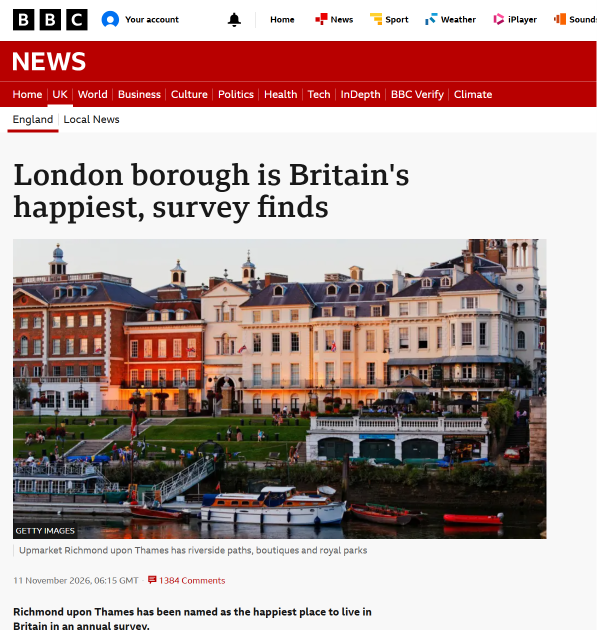
Why do you think the BBC chose the image of Quinlan Terry's beautiful & traditional 1980s riverside development to illustrate the story about Richmond being Britain's happiest brough? (cc @FTerryArchitect )...
My post from January 2016 on the #Houthis’ siege of Taiz. The Houthis have besieged the city since 2015. Local authorities had to carve out a dirt road south of Taiz so residents could reach Aden. Now the rebel group have blocked that road too.
Journalism, again.
Not influencers. Not social media memes.
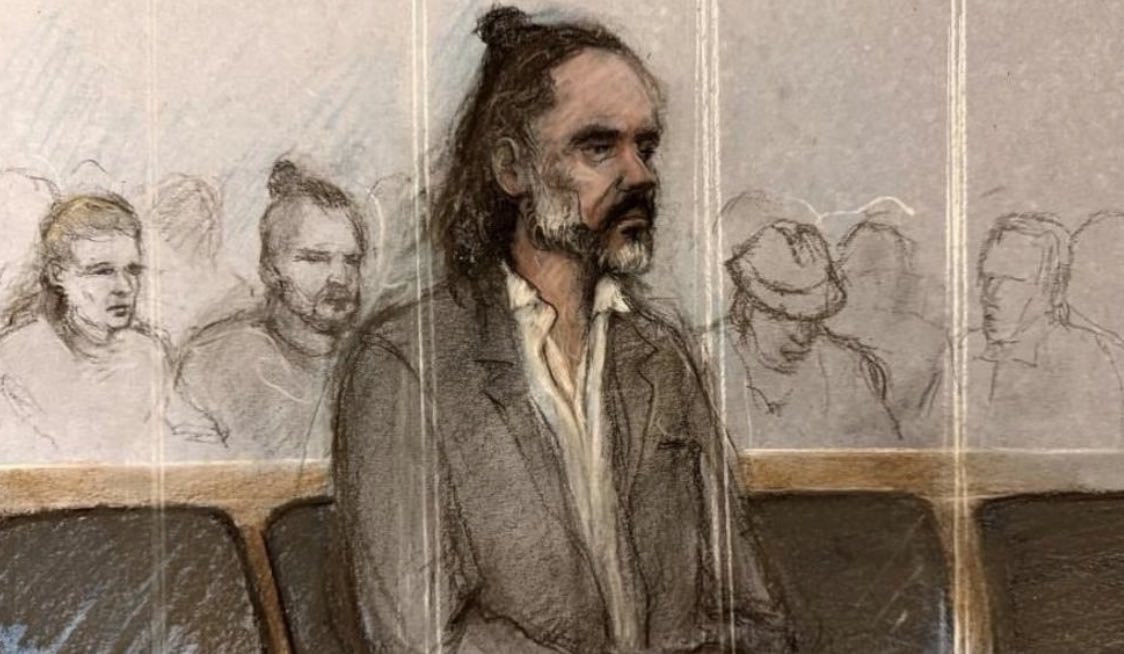
As with the grooming gangs, it was again the newspapers and the media to reveal to the public that Russell Brand was accused of rape and sexual assault by five women, in a joint investigation by Channel 4, the Times, and the Sunday Times.
Without journalism, our society is doomed.