Welcome, Son is a dark psychological thriller you can finish in one sitting and won't shake for days. Now on Kindle. https://t.co/o2WdZPXZsr
#PsychologicalThriller#KindleBooks
UC Berkeley Nobel laureate Jennifer Doudna, co-developer of CRISPR gene-editing technology, reflects on her path to discovery and what makes a good scientist.
https://t.co/8Yn4Gx8bAU
@BookLaunchPro1 Great question. I’ve been reading Hemingway, and some philosophy books. They have been comforting. I think I’d prefer to output comfort at this stage of my life. There’s a place for the edgy writing, but it truly affects the writer as it does the reader.
Welcome, Son is a dark psychological thriller you can finish in one sitting and won't shake for days. Now on Kindle. https://t.co/o2WdZPXZsr
#PsychologicalThriller#KindleBooks
@BookLaunchPro1 I think studying theology changed me. Rereading a book I once wrote, I'm a different person than the one who wrote it. I find that interesting, and I'd like to keep writing fiction when I can, so I can come back to it later and see how I've changed.
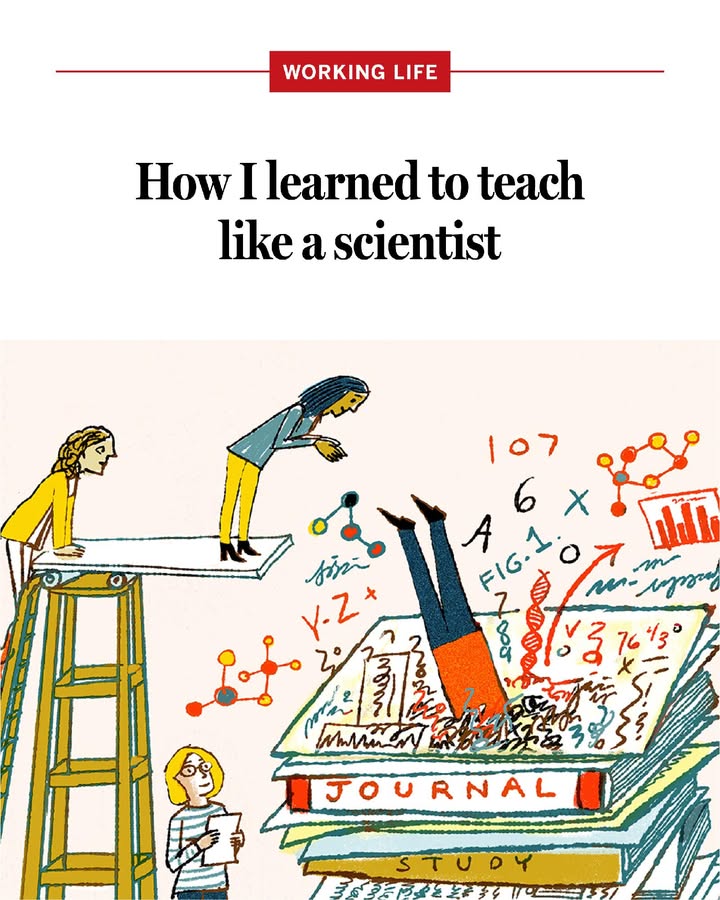
“I will miss the creativity of teaching.”
On #WorldTeachersDay, check out this Working Life from a retired professor emeritus on how she challenged students to think beyond facts—and how she learned to teach like a scientist. https://t.co/ln8M62PN2V
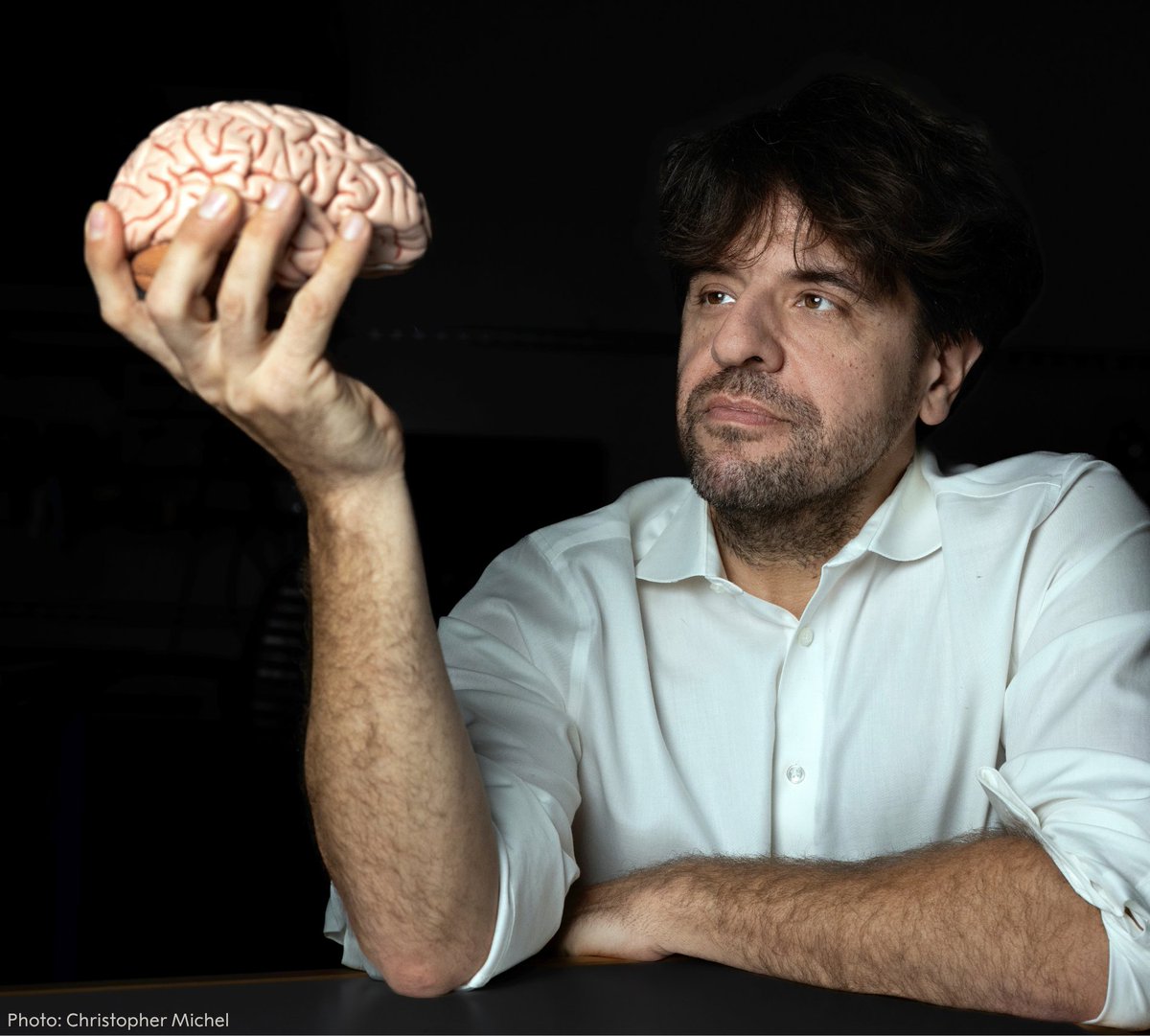
“There is a big picture that brings it all into relief and my hope is that we can increase empathy and understanding,” says 2026 medicine laureate Karl Deisseroth.
As a medical student, Deisseroth completed part of his training at a psychiatric clinic. He was struck by the patients’ suffering and their need for help. At the same time, he began to wonder how the brain could function so differently from one person to another.
Deisseroth was awarded this year's medicine prize, together with Peter Hegemann and Georg Nagel, for discoveries leading to optogenetics – a biological technique making it possible to switch the activity of individual nerve cells in a living brain on or off.
Optogenetics is now helping us understand more about how nerve cells shape memories, emotions and behaviour in the living brain.
Learn more about the 2026 medicine prize: https://t.co/4YxFdfBTii
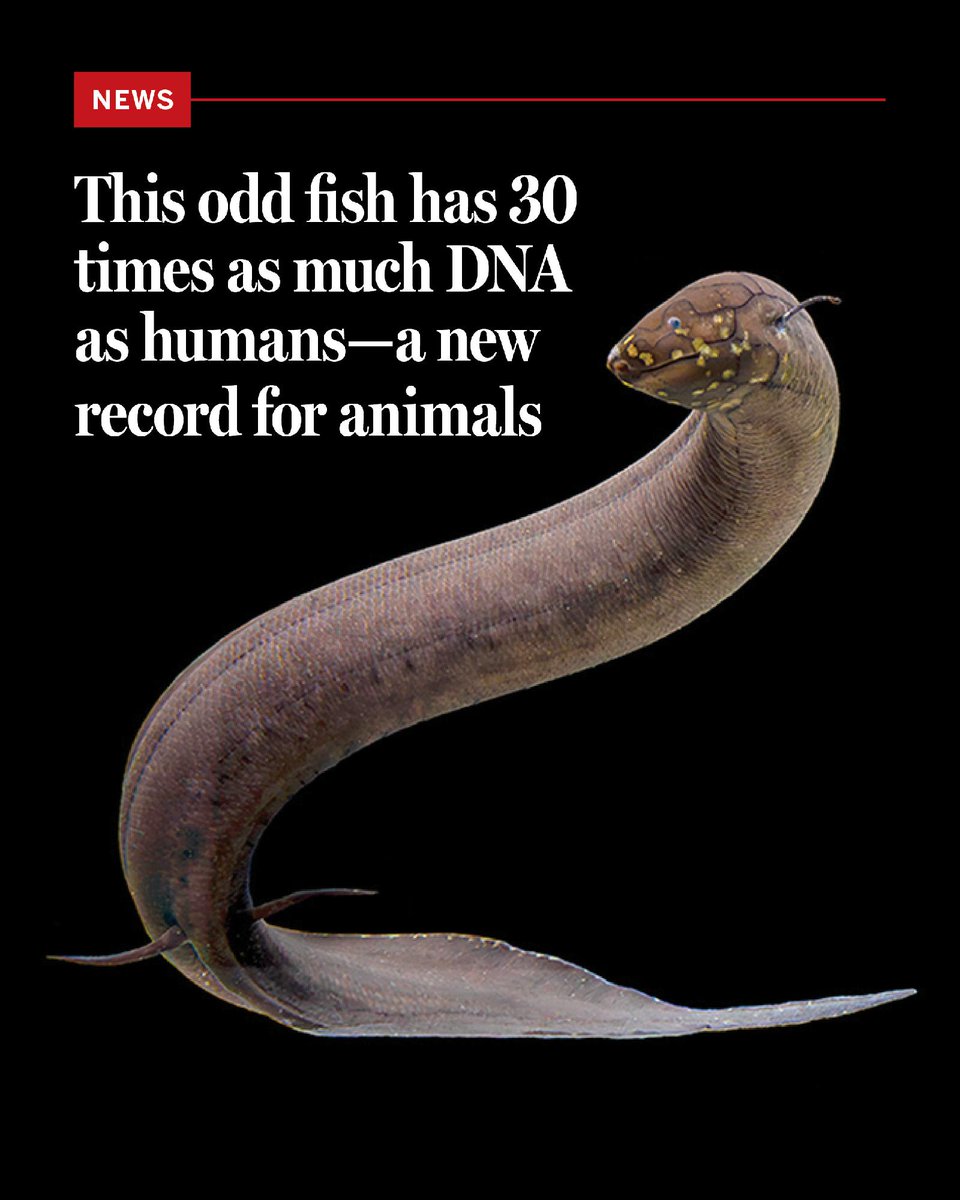
A species of lungfish found in South America has claimed the title of the animal with the biggest genome sequenced so far.
The DNA of Lepidosiren paradoxa comprises a staggering 91 billion chemical letters or “bases,” 30 times as many as the human genome, researchers reported in 2024.
However, those 91 billion bases of DNA only contain about the same number of genes that humans have—roughly 20,000—with the rest consisting of noncoding, perhaps even “junk” DNA.
By comparing this genome with those of other lungfishes, the researchers determined that L. paradoxa adds the equivalent of a human genome to its DNA every 10 million years.
Learn more on #WorldAnimalDay: https://t.co/QekhKNSOzY
Today @KarlDeisseroth of @StanfordMed@Stanford won the @NobelPrize for his co-discovery & development of Optogenetics. Here he explains what that is, and how it is unlocking the secrets of brain function & helping to cure diseases.
(And he explains that in ~1min).
Here's a reminder on #InternationalCoffeeDay: It's OK to take a (coffee) break. ☕
"It’s ... helpful to have a venue to share the day-to-day ups and downs of life as a grad student." https://t.co/DCPRM34Neu
"For a long time, I thought becoming a scientist meant learning how to appear certain, composed, and knowledgeable. But the people I came to admire have held on to their willingness to ask questions and to be excited by what they did not yet know." #ScienceWorkingLife https://t.co/VJGYYY1FMX