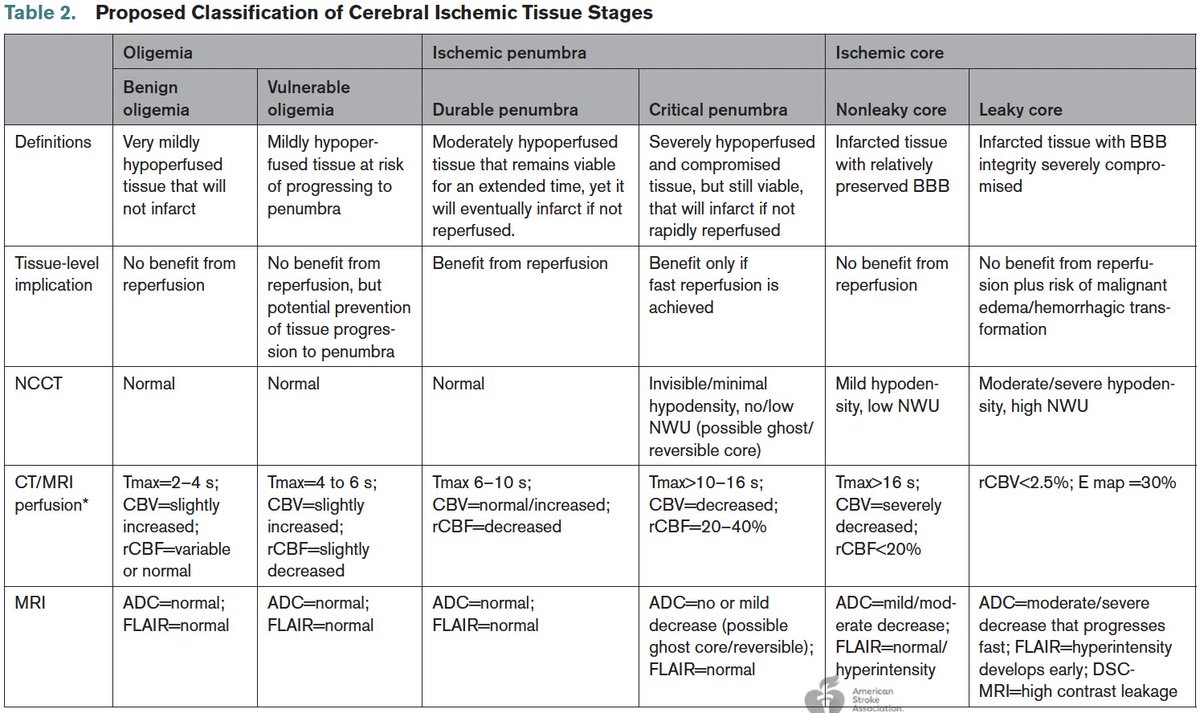
🚨In the current landscape of mixed results from MeVO RCTs, we discuss how consideration of occlusion location, vessel size, and stroke severity can inform MeVO treatment decision-making in practice: https://t.co/Nl3EMKpZb0 @mayank_G0@rondalun1@johanna_ospel@SVINJournal
Kudos to grad students @kadenlam8@rahulnair320 and Anjana Menon @HotchkissBrain for representing our lab at the 2026 @VAST_training conference with their work on small vessel disease and vascular contributions to dementia!
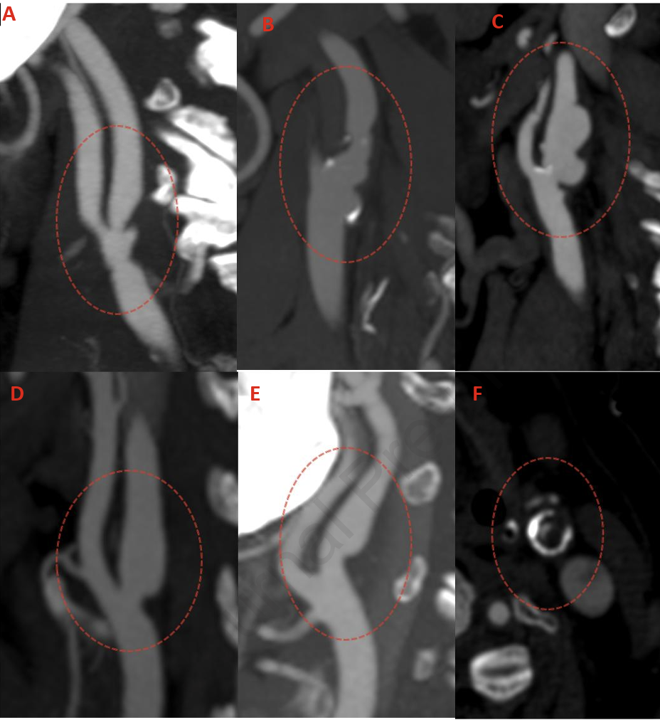
🚨In this study of nonstenotic carotid disease in Manitoba, we show the role of plaque thickness+ ulceration in⏫risk of recurrent stroke. Kudos to @nishita_singh3 for building this team from the ground up & to med student Kamran on the paper! @NimaKashani https://t.co/AnlNzFHhiO
Proud to share our latest in @JournalCJNS 🧠
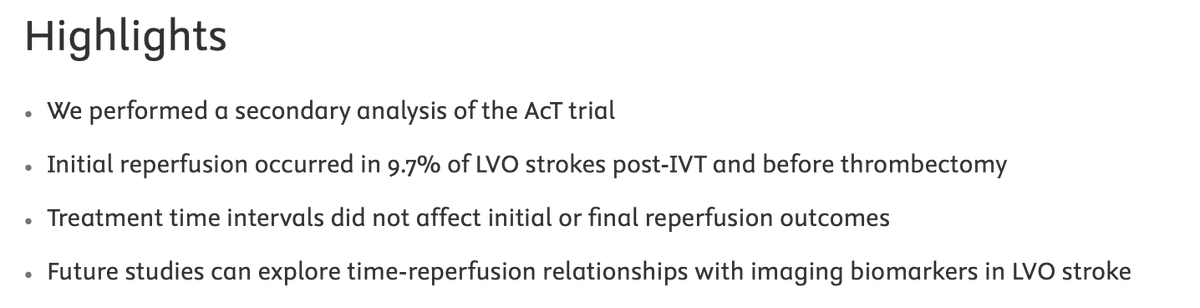
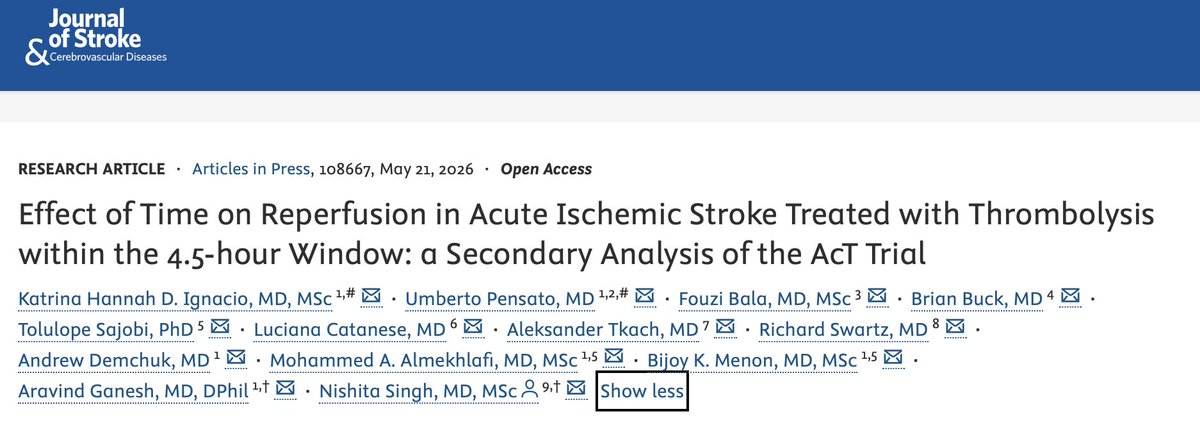
Secondary analysis of the large phase 3 AcT Trial shows:
➡️Patients treated at PSCs achieve outcomes comparable to CSCs
➡️Despite longer DNTs times,
➡️Tenecteplase may facilitate faster transfer workflows in EVT candidate
OA link👇
Faster Thrombolysis, Sharper Minds: Early Alteplase or Tenecteplase Linked to Better Poststroke Cognition
In this #BloggingStroke post, Anel Karisik discusses #Stroke article by Sujanthan et al. https://t.co/VRnsNUJy6L
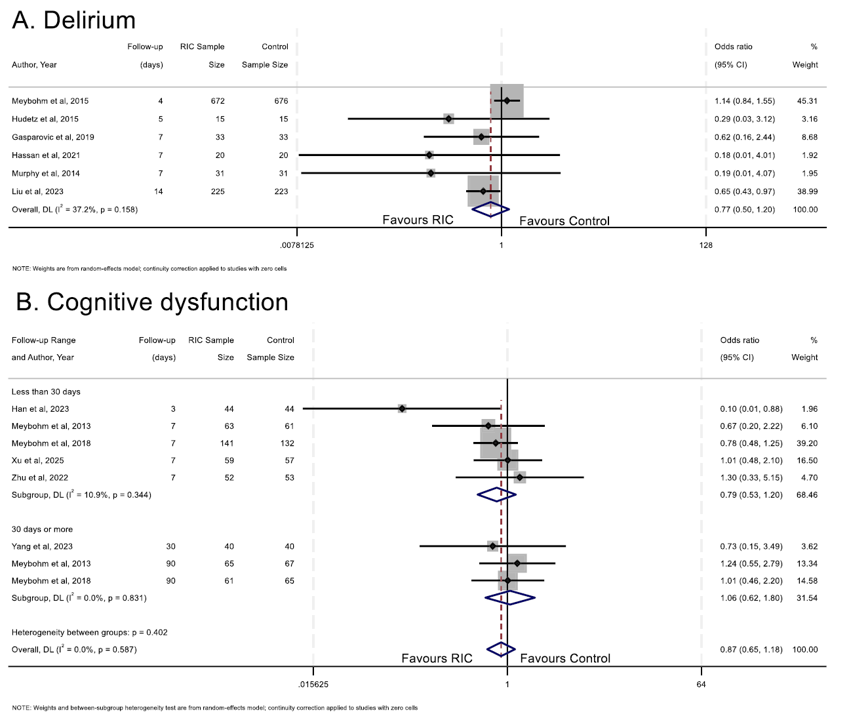
🚨Our meta-analysis on trials of remote ischemic conditioning for mitigation of postoperative cognitive dysfunction and delirium, led by @kadenlam8, is now officially out in press in @journal_aps! @DCNSNeuro@HotchkissBrain
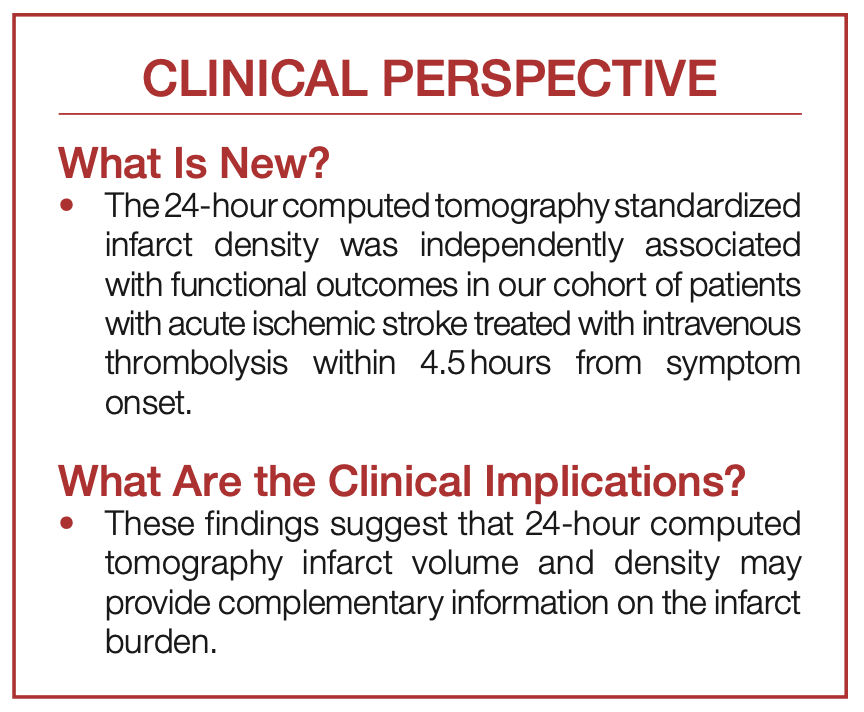
🚨Infarct density on follow-up imaging determines stroke outcomes independent of infarct volume, as we show in this analysis of @ActRrct, co-led with @UPensato@nishita_singh3: https://t.co/ujzHW0F1FJ. We can automatically determine density standardized across the infarct extent!
Our intrepid MSc student @SanrajSingh4 is presenting 3 posters from our lab at @CNSFNeuroLinks on lecanemab in AD, hypertensive disorders in pregnancy, and cerebral small vessel disease! Thanks Sanraj! @HotchkissBrain@DCNSNeuro
🚨In the TEMPO-2 RCT, older patients (>80y) with minor stroke & visible occlusion/perfusion lesion assigned to TNK were more likely to achieve recanalization of occlusions & short-term neuro recovery, as were younger patients, but they experienced worse 90d outcomes @GreenJournal
🚨We review the role of AI-based imaging tools in stroke care, focusing on automated detection of imaging abnormalities & emerging tools that provide quantitative imaging biomarkers to support treatment decisions @SpringerNature : https://t.co/LXO05xGoNQ Led by @barakhanov!
🚨 Could periop Remote Ischemic Conditioning reduce postop delirium or cognitive dysfunction? In this meta-analysis led by @kadenlam8 & @StrokeCogCanada postdoc Bogna Drozdowska, we saw no clear benefit of RIC for these indications... @SpringerNature https://t.co/8vGw4HVc3y 1/2
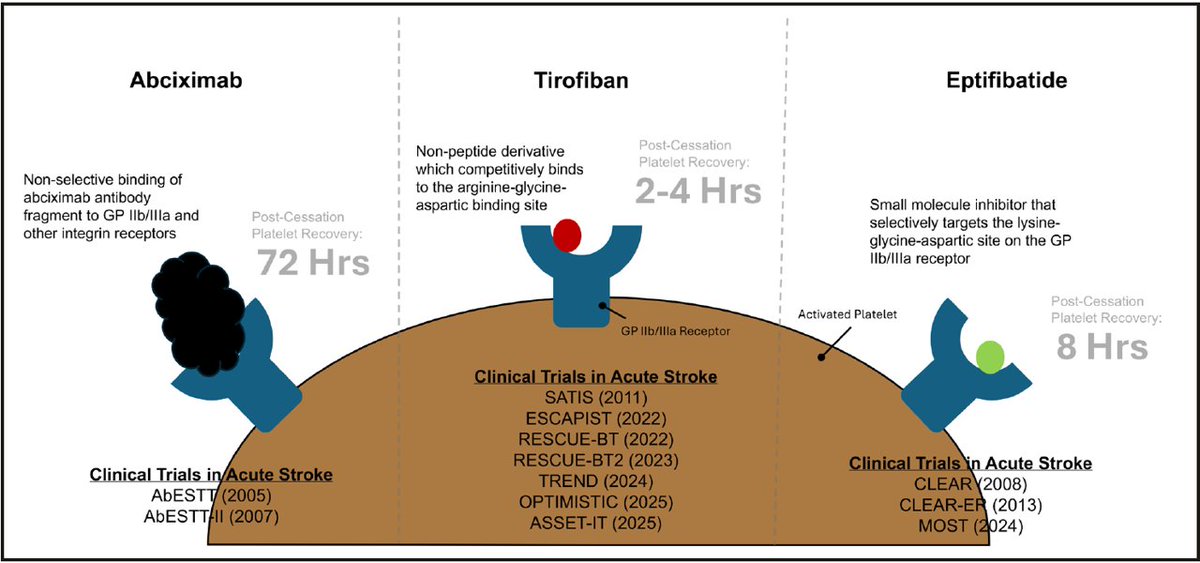
🚨 Glycoprotein IIb/IIIa agents offer hope for enhancing clot dissolution & outcomes in ischemic stroke. We discuss promising therapeutic candidates & evaluate the clinical contexts in which they are likely to be beneficial: https://t.co/oSRTYOv3Ql @HotchkissBrain@StrokeAHA_ASA
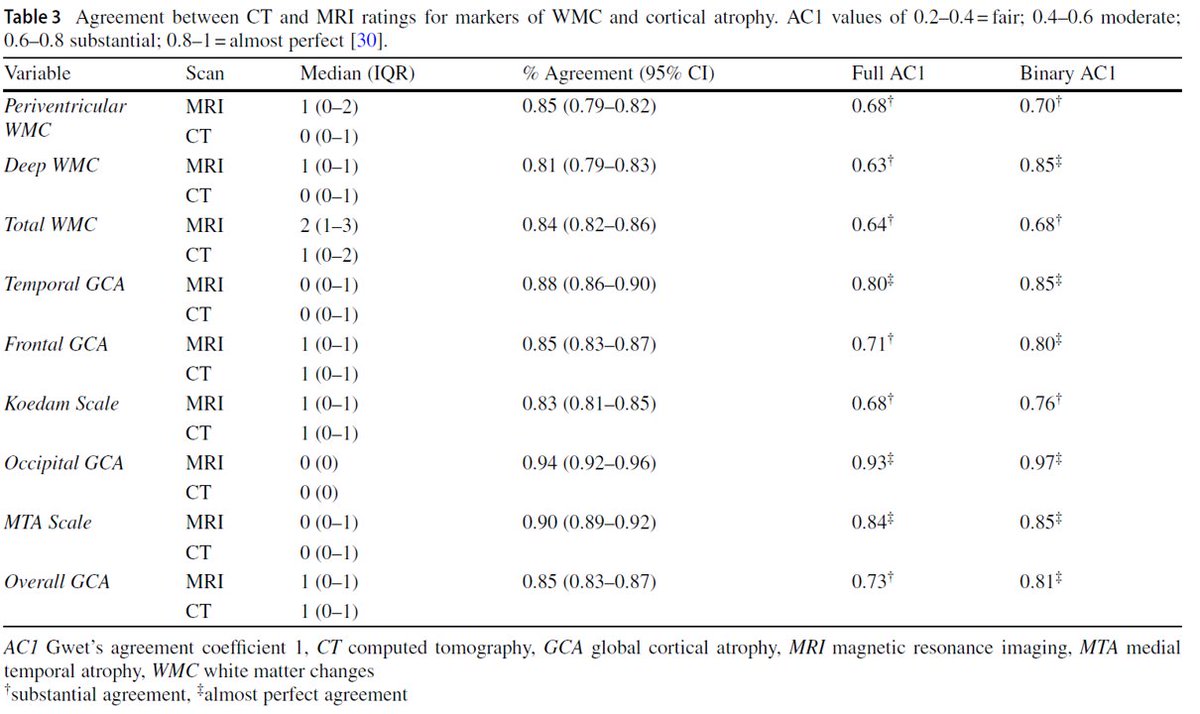
🚨 Brain frailty predicts stroke outcomes. We show that CT ratings of atrophy & white matter changes agree well w/ MRI ratings, w/ similar 90d outcome prediction- so CTs can be reasonably used to assess these features in practice & trials: https://t.co/s4OCFaqSlc @HotchkissBrain
Stroke care has transformed with EVT & imaging, but recovery still varies widely. It’s time to look beyond the scan. Our invited review in @JNIS_BMJ explores how cognition, frailty, mental health, social support & financial context shape stroke recovery #ELAN. Free link below⬇️