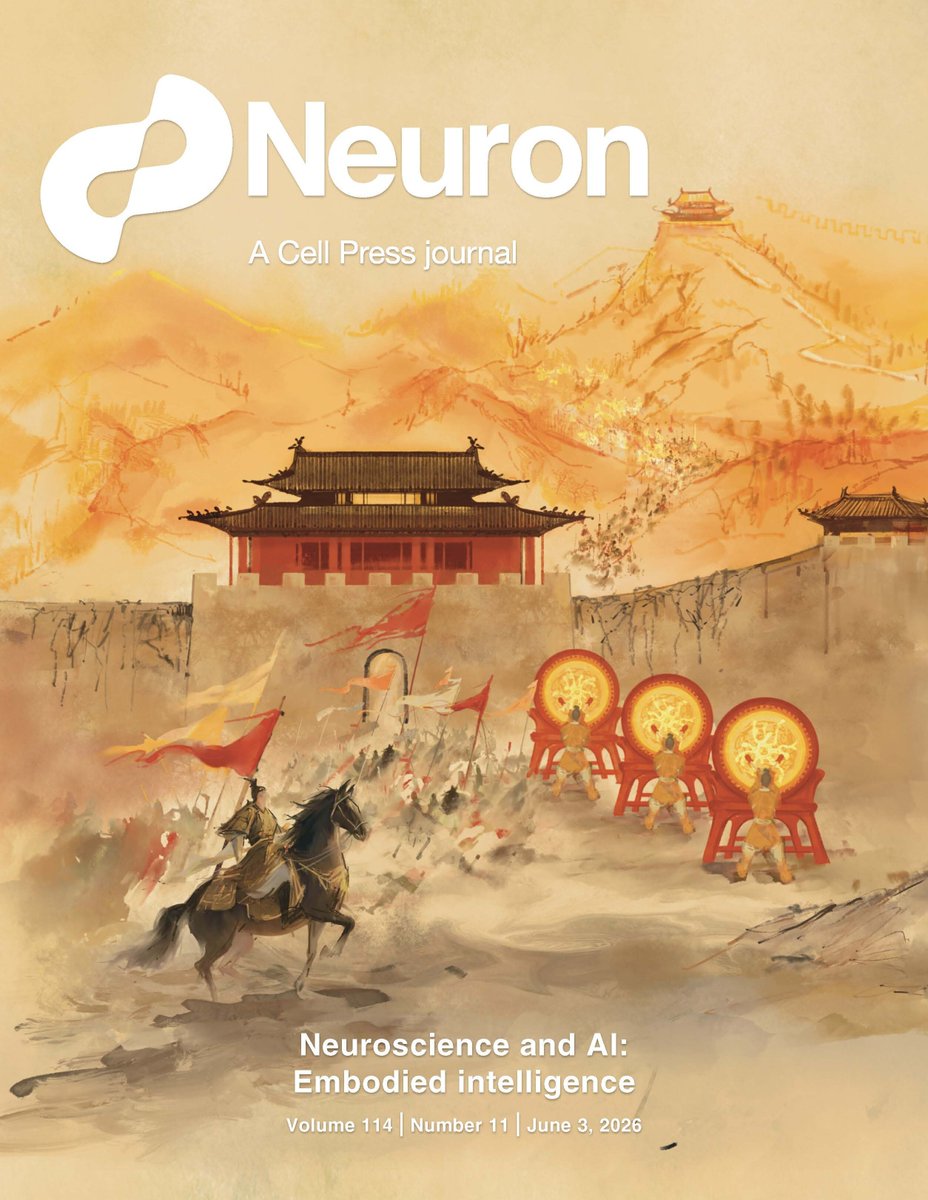
Can AI help unify our understanding of the brain?
Danilo Bzdok (@Mila_Quebec) explores how AI and big data are helping connect fragmented neuroscience knowledge to build a more integrated view of brain function.
https://t.co/SuYK8CfQgg
💤 🫀 🫁 🧠 👁️ 💪 🫘
Today marks a meaningful milestone for LABS — our SleepChart paper, “Sleep chart of biological ageing clocks in middle and late life,” is now online in @Nature.
In this work, we link sleep patterns with biological aging clocks across the brain and body, highlighting how sleep may reflect broader systemic aging processes.
Key takeaways:
🧠 Sleep and biological aging clocks show a coordinated brain–body U-shaped pattern; this relationship extends beyond the brain alone and involves multiple organ systems and at multiple omics layers.
🧬 Sleep disturbances are linked to disease risks and shared genetic architecture: Short sleep appears to have a broader systemic impact, while long sleep shows a more focal, brain-enriched disease burden.
💤 Late-life depression provides an important example. Brain and adipose aging clocks mediate the relationship between long sleep and late-life depression, while short sleep appears to exert a more direct effect. As always, inverse causation cannot be fully excluded (potentially a sleep-LLD bi-directional relationship).
We are excited to share both the paper and the interactive SleepChart portal with the community (including GWAS summary statistics, etc.).
Paper: https://t.co/94FTh7B8b2
SleepChart portal: https://t.co/iQ2LvMlbpx
Great collaboration from our partners: @chrisdav66 at the University of Pennsylvania, @AndrewZalesky from the University of Melbourne, #PaulAisen and #MichaelRafii from the University of Southern California, #LuigiFerrucci, #KeenanWalker, and others from the @NIHAging, and many other collaborators!
https://t.co/94FTh7B8b2
#SleepResearch #BiologicalAging #AgingClocks #Neuroscience #PrecisionHealth #BrainHealth #AIinMedicine #LABS
Everyone’s hyped about “AI for Science.” in 2025! At the end of the year, please allow me to share my unease and optimism, specifically about AI & biology.
After spending another year deep in biological foundation models, healthcare AI, and drug discovery, here are 3 lessons I learned in 2025.
1. Biology is not “just another modality.”
The biggest misconception I still see:
“Biology is text + images + graphs. Just scale transformers.”
No. Biology is causal, hierarchical, stochastic, and incomplete in ways that language and vision are not.
Tokens don’t correspond cleanly to reality.
Labels are sparse, biased, and often wrong.
Ground truth is conditional, context-dependent, and sometimes unknowable.
We’ve made real progress—single-cell, imaging, genomics, EHRs are finally being modeled jointly—but the hard truth is this:
Most biological signals are not supervised problems waiting for better loss functions.
They are intervention-driven problems. They demand perturbations, counterfactuals, and mechanisms, beyond just prediction.
Scaling obviously helps. But without causal structure, scaling mostly gives you sharper correlations.
2025 reinforced my belief that biological foundation models must be built around perturbation, uncertainty, and actionability, not just representation learning.
2. Benchmarks are holding biology back more than compute is.
Let’s be honest: Benchmarking in AI & biology is still broken.
Everyone reports SOTA. Everyone picks a different dataset slice.
Everyone tunes for a different metric. Everyone avoids prospective validation.
We’ve imported the worst habits of ML benchmarking into a domain where stakes are much higher. In biology and healthcare, a 1% gain that doesn’t transfer is worse than useless—it’s misleading.
What’s missing isn’t more benchmarks. It’s hard benchmarks:
•Prospective, not retrospective
•Perturbation-based, not static
•Multi-site, not single-lab
•Failure-aware, not leaderboard-optimized
If your model only works on the dataset that created it, it’s not a foundation model—it’s a dataset artifact.
In 2026, we need fewer flashy plots and more humility, rigor, and negative results.
3. “Reasoning” in biology is not chain-of-thought.
There’s a growing tendency to directly apply the word reasoning onto biological LLMs.
Let’s be careful.
Biological reasoning isn’t verbal fluency, longer context windows, or prettier explanations. Those are surface-level improvements. Real reasoning in biology shows up elsewhere: in forming hypotheses, deciding which experiments to run, updating beliefs when perturbations fail, and constantly trading off cost, risk, and uncertainty.
A model that explains a pathway beautifully but can’t decide which experiment to run next is not reasoning, it’s narrating.
2025 convinced me that the future lies in agentic biological AI:
systems that couple foundation models with experimentation, simulation, and decision-making loops.
Closing thought:
AI & biology is not lagging behind AI for code or language. It’s just playing a harder game.
The constraints are real. The data is messy. The feedback loops are slow. The consequences matter.
If 2025 clarified anything for me, it’s this:
We won’t make progress by treating biology like text. We’ll make progress by building AI that behaves more like a scientist : skeptical, iterative, and willing to be wrong.
Onward to 2026.
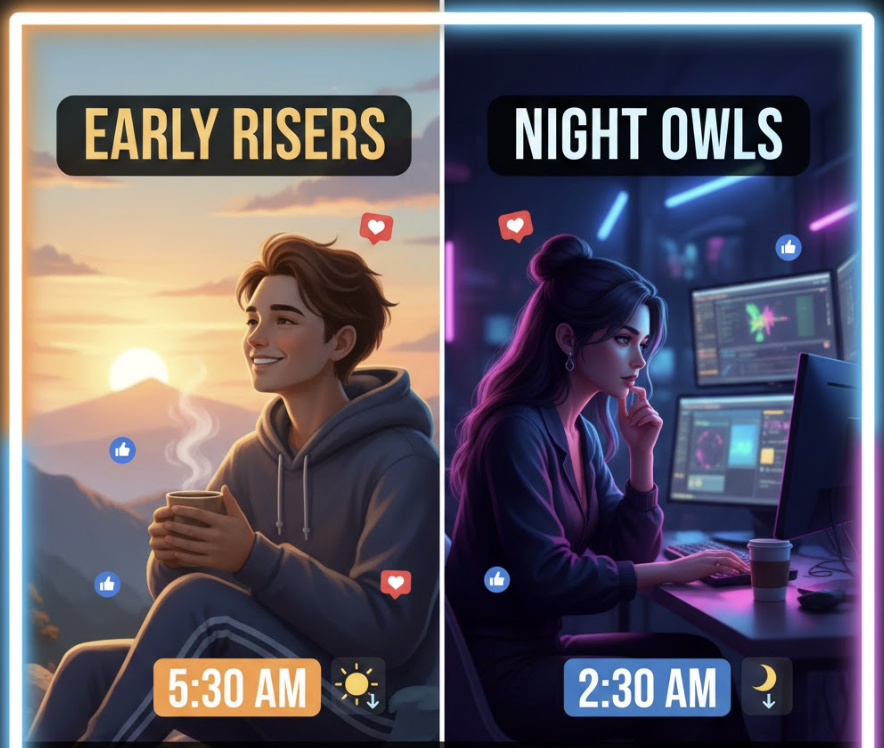
Using multi-modal data from the UK Biobank, @lezhou1@danilobzdok et al. delineate the phenotyping and brain basis of early risers and night owls at a population scale, showing links to habit formation and emotional regulation.
https://t.co/GUpb09ZqmP
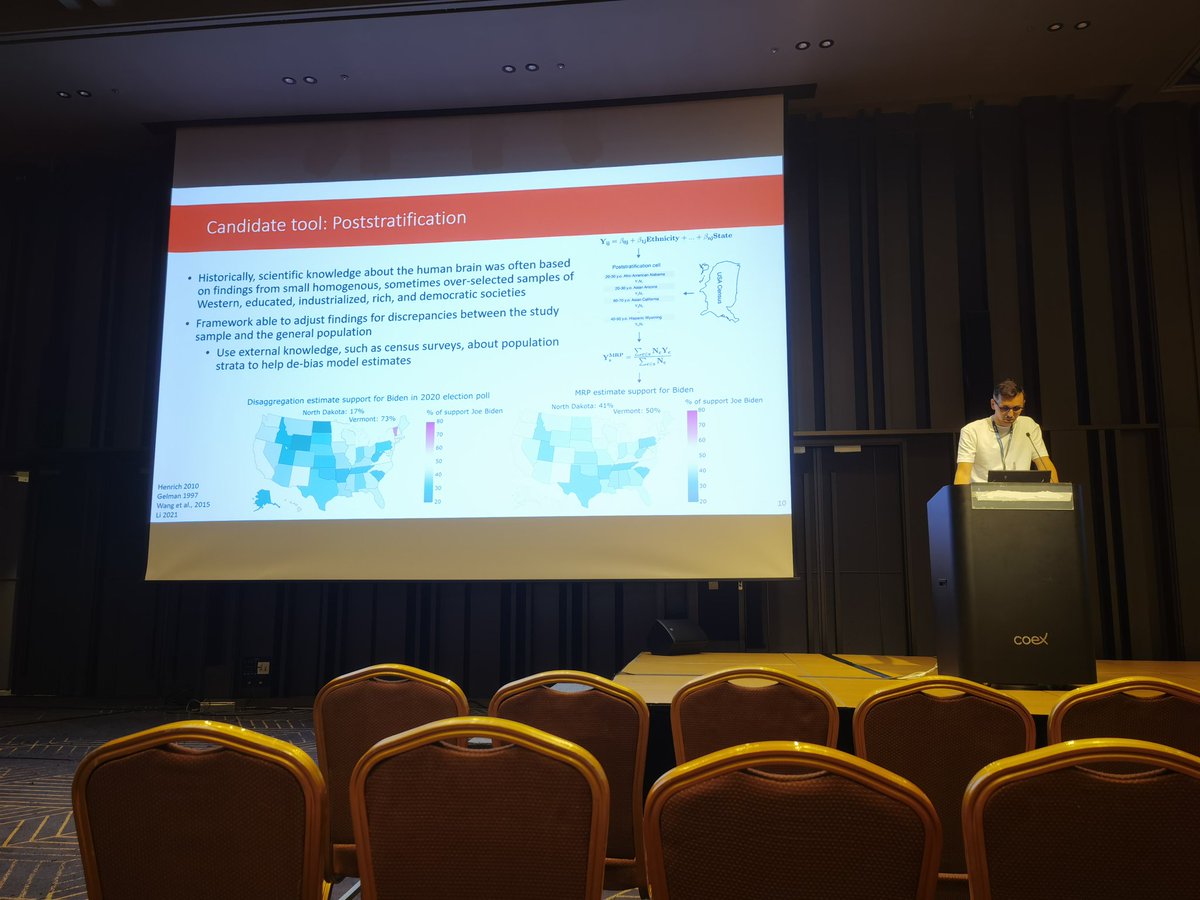
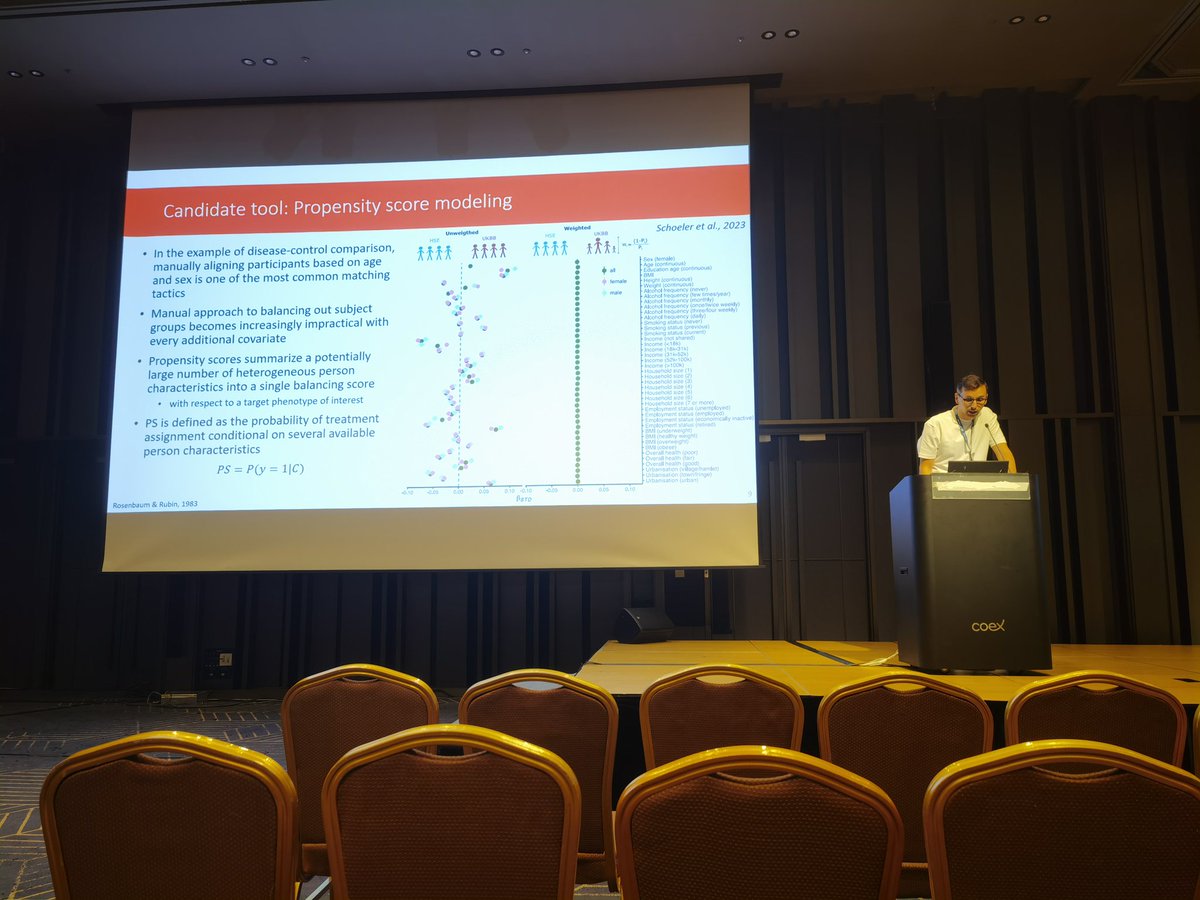
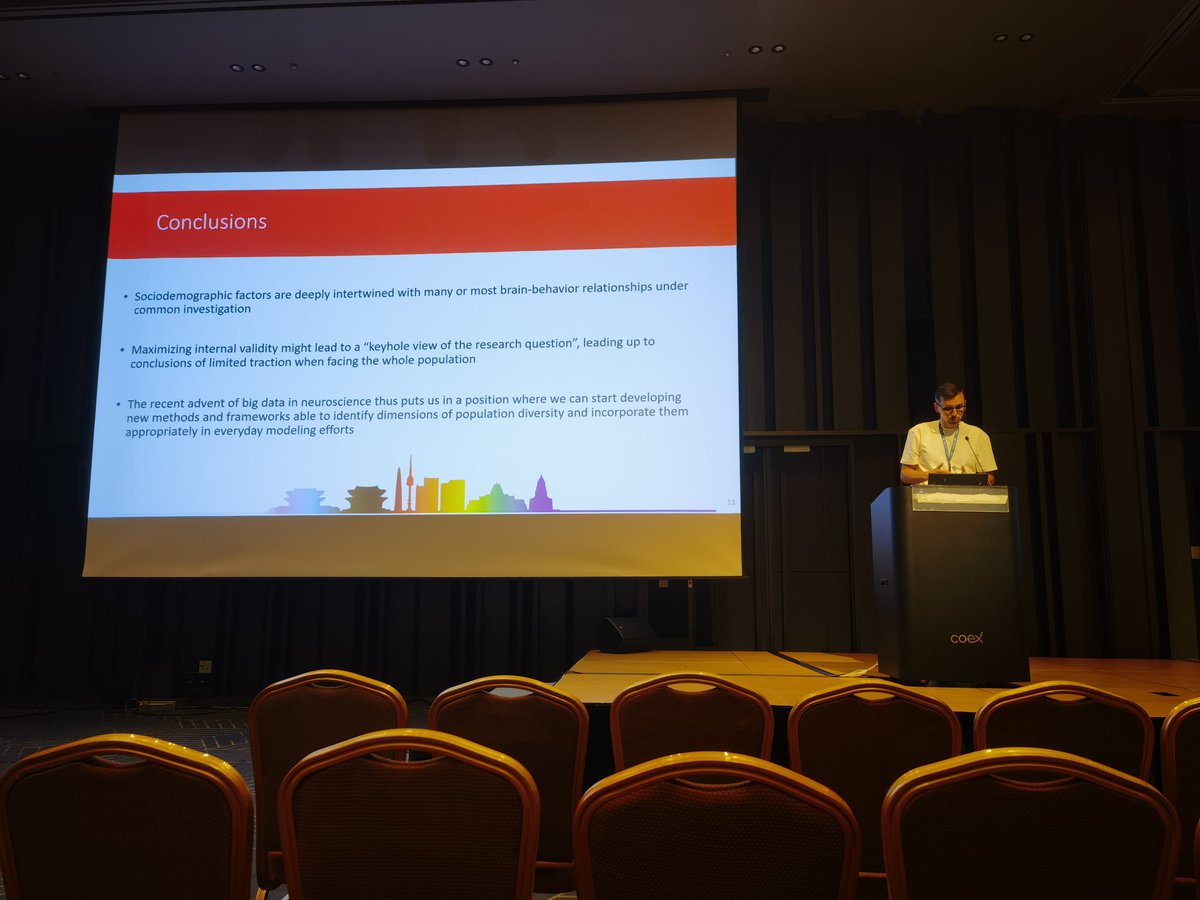
Modern neuroscience leverages large datasets to embrace diversity missed in smaller studies, requiring revised modeling practices. Jakub @KopalJakub discusses new analytic paradigms identifying nuanced drivers instead as key variables is crucial for impactful findings. #Diversity
Do language models have an internal world model? A sense of time? At multiple spatiotemporal scales?
In a new paper with @tegmark we provide evidence that they do by finding a literal map of the world inside the activations of Llama-2!
I am humbled to share our latest Review Article in @NatureRevGenet where we discussed our current understanding of the genetic control of key steps involved in human brain development and diseases, (1/2) https://t.co/2P1qbI0IgM
🧠Neuroimaging peeps🧠 our field is blessed with beautiful visualizations. Our preprint provides 3 tools to help move toward code-based & replicable visualization:
📗practical guide (why should I?)
📦package selector (which one?)
🏗️code template generator (how do I start?)
👇🧵
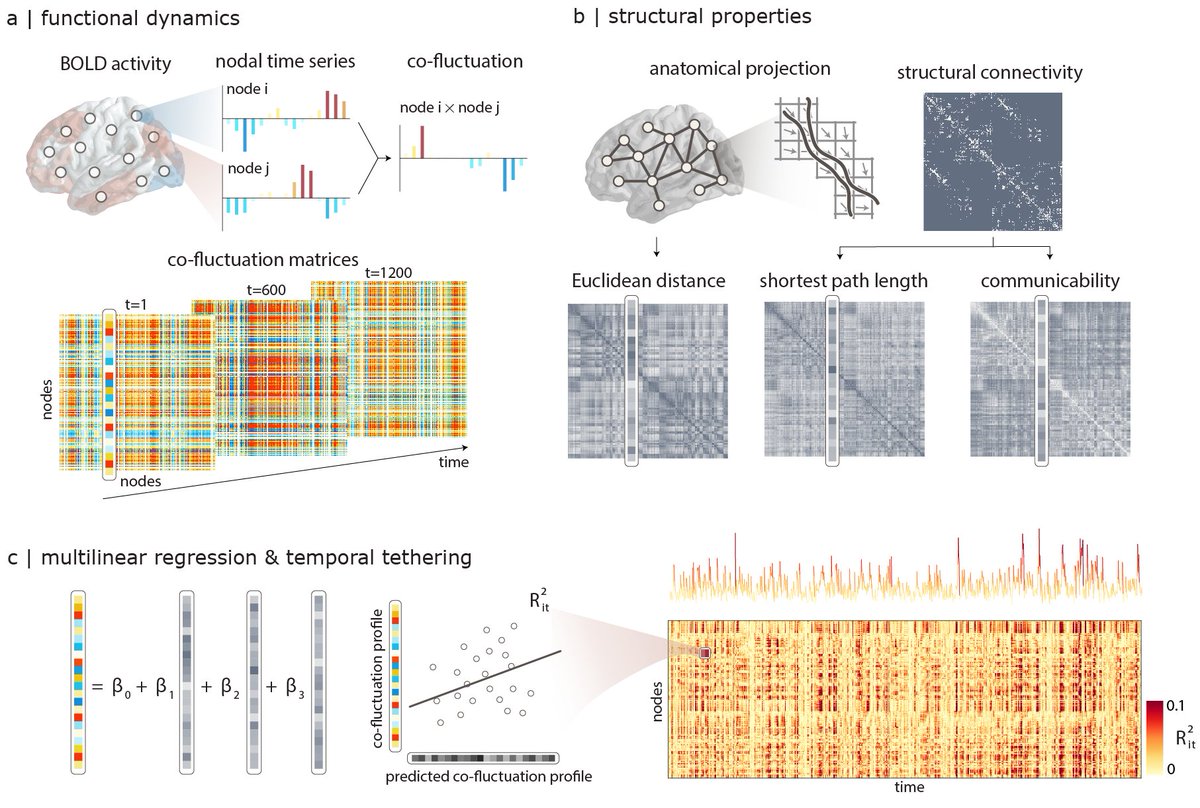
Time-resolved structure-function coupling In brain networks | https://t.co/mt4YG3vQiZ
led by the dynamic duo @liuzhenqi0303@bertha_vr w/ @Nathan_Spreng @BorisBernhardt @richardfbetzel
deets after the jump ⤵️
Dissociating Perceptual Awareness and Postperceptual Processing: The P300 Is Not a Reliable Marker of Somatosensory Target Detection https://t.co/1rwS44BI2Y
Great job, Pia!
so i posted this on @PsyArXiv a week ago but was too chicken to do a tweeprint until now because, well, it is scary to try to solo-author a theory piece. but, i think it is time to share with you all:
https://t.co/bZS2OdvzA5
“Why does an assembly of neurons...give rise to perceptions and feelings that are consciously experienced, such as the sweetness of chocolate ?”
@tyrell_turing @WiringTheBrain @StanDehaene https://t.co/FigNtuznOB