📖Published📖
In this study, authors show how camera-traps can be used to infer patterns of both activity and habitat use by deconfounding these effects 📸
Read more here👇
https://t.co/Fqiaa41Efk
Excessive vigorous exercise impairs cognitive function through a muscle-derived mitochondrial pretender
🔎"Here, we show that excessive vigorous exercise-induced lactate accumulation stimulates muscles to secrete mitochondria-derived vesicles (MDVs), driving cognitive impairment. These MDVs (named otMDVs) are characterized by high mtDNA levels and the surface marker PAF. They tend to migrate into hippocampal neurons, substituting endogenous mitochondria and triggering a synaptic energy crisis."
👉"Notably, human studies link high circulating otMDV levels to cognitive impairment. Together, our findings reveal that a unique muscle-derived MDV subpopulation, which displaces hippocampal mitochondria and disrupts their function, causes cognitive decline."
https://t.co/LXmcytmkBB
For a long time, astrocytes were considered mere support and scaffolding for all-important neurons. The new experiments reveal in great detail the cells’ influence over neuronal signaling in the brain. https://t.co/9R5oDQw7q4
Great coverage from @CambridgeIndy of how @LinkGevity is working with Health Innovation East to bring its anti-necrotic therapeutic to patients
https://t.co/wOJueOx5Jw
As 2025 comes to a close, I’m proud of what we’ve accomplished at @LinkGevity and what’s possible when you challenge orthodoxy. This year, welcoming my nephew made the “why” even clearer.
Onwards to 2026! 🚀 #longevity#aging#ageing#necrosis
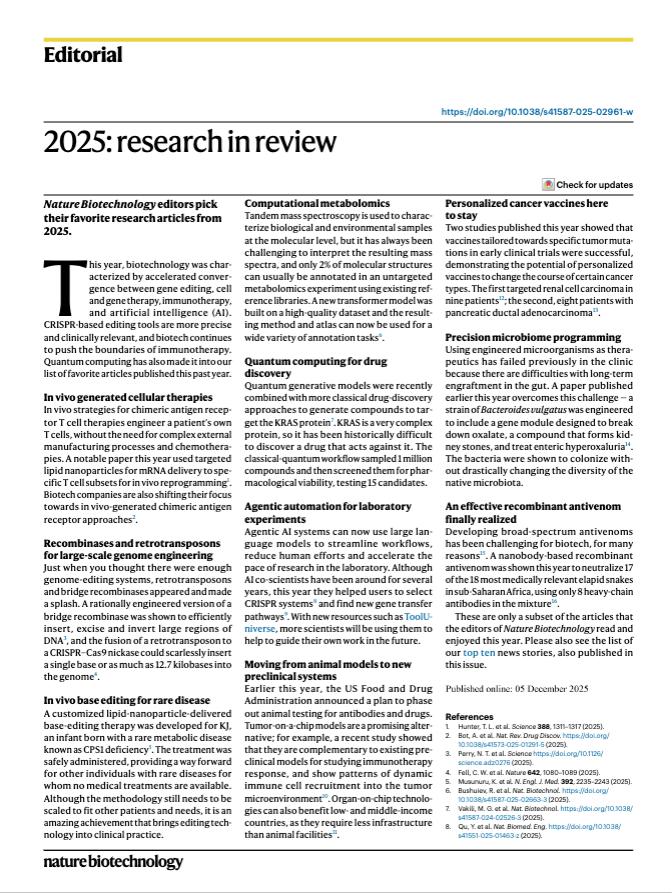
This year, biotechnology was characterized by accelerated convergence between gene editing, cell and gene therapy, immunotherapy, and AI. CRISPR-based editing tools are more precise and clinically relevant, and biotech continues to push the boundaries of immunotherapy. Quantum computing has also made it into our list of favorite articles published this past year https://t.co/zFB9iG1bSq
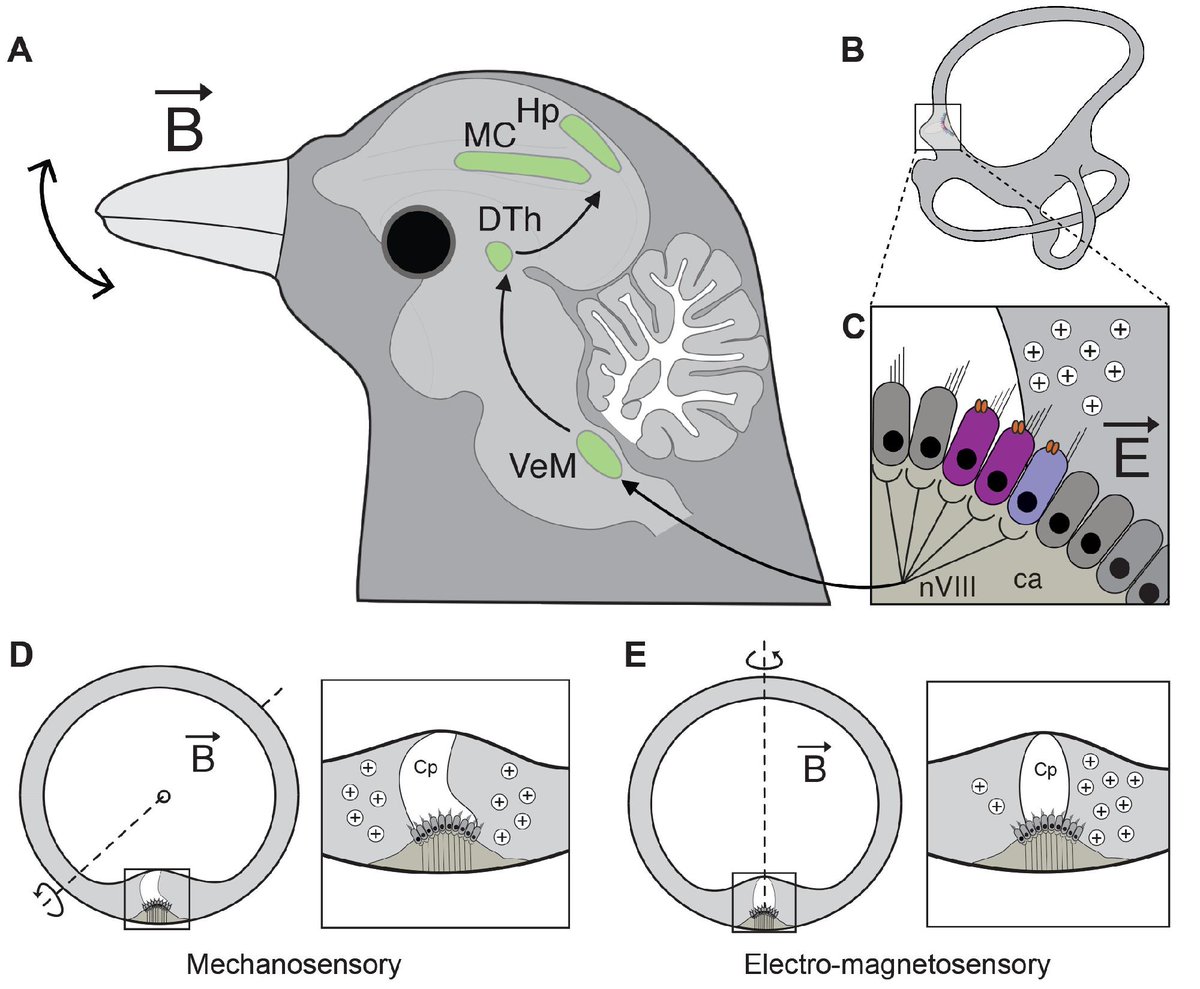
How animals detect the Earth’s magnetic field remains a mystery in sensory biology.
In a new Science study, researchers used whole brain activity mapping, tissue clearing, and light sheet microscopy to identify neuronal populations activated by magnetic stimuli in the pigeon. Learn more: https://t.co/DV1MEXigKV
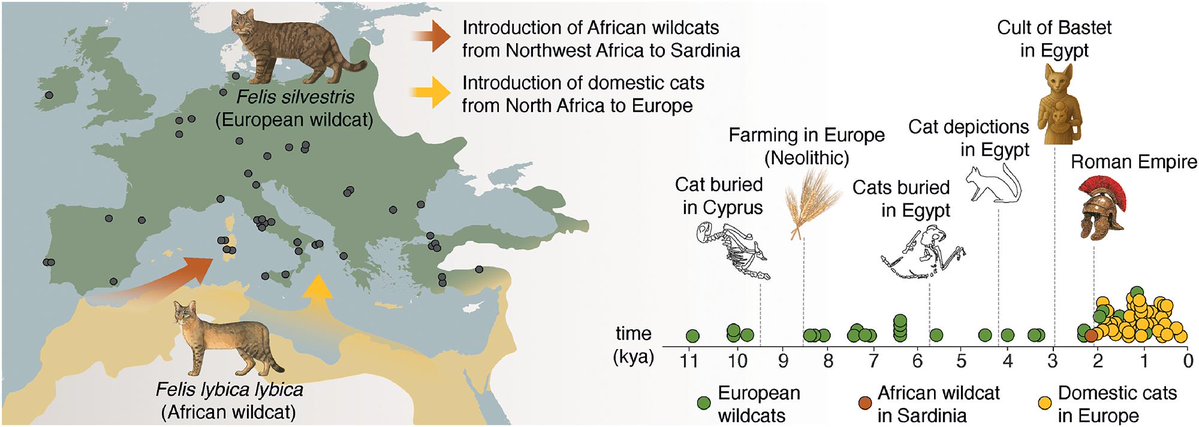
The domestic cat may be a far more recent arrival to Europe than previously thought, arriving roughly 2000 years ago and not because of the Paleolithic expansion of Near East farmers.
The findings in Science offer new insight into one of humanity’s most enigmatic animal companions and identify North Africa as the cradle of the modern housecat. https://t.co/RNGXapyWAA
🐝 We're currently looking for new Associate Editors to join our Editorial Board!
🌺 If you're interested in contributing to our journals, check the link below for more information 👇
https://t.co/hQIHwxaOXw
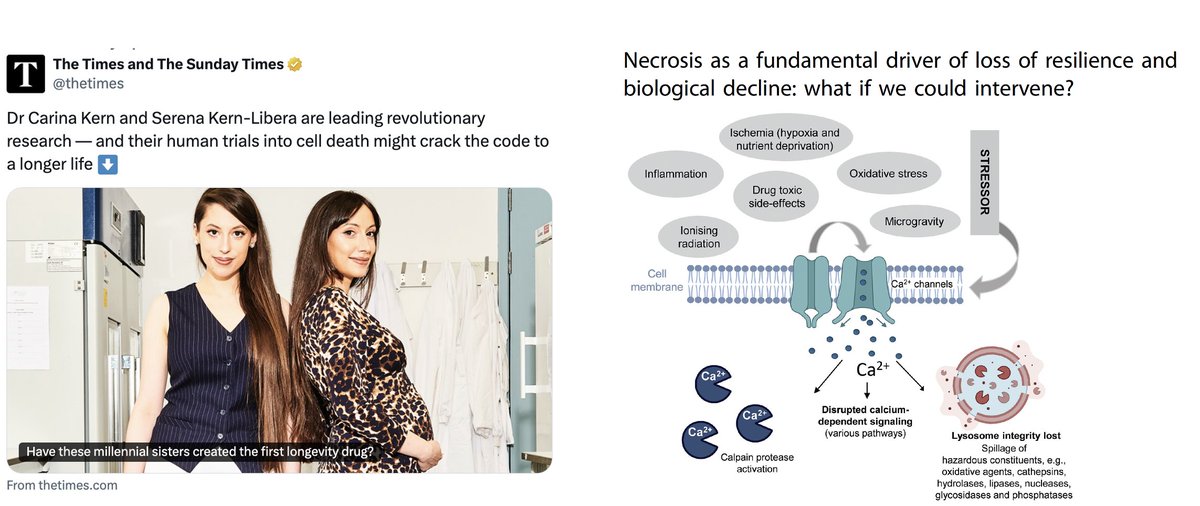
On @LinkGevity's potential of extending lifespan via blocking cell necrosis and their recent review article; first clinical trial planned to prevent kidney disease in high-risk individuals
https://t.co/0Od2I2jTub @CarinaCarlaKern
https://t.co/OcmJjF6tGo
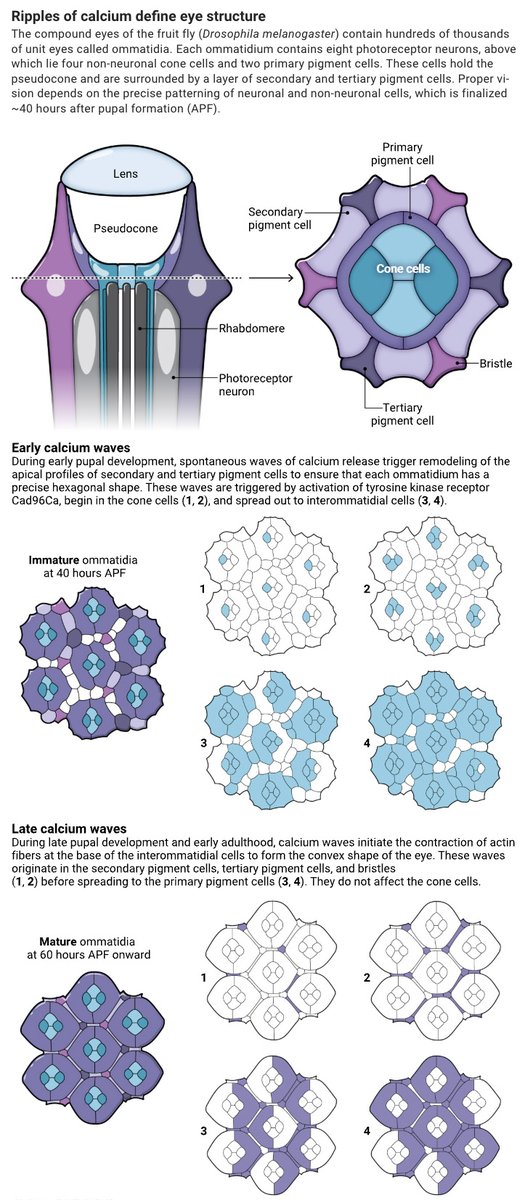
Studying retinal morphogenesis in the developing eye of fruit flies, researchers in Science identified spontaneous calcium waves originating from non-neuronal cells responsible for orchestrating tissue architecture in the developing nervous system.
📄: https://t.co/8q3SV2USyZ
#SciencePerspective: https://t.co/r3AhHTPmEl
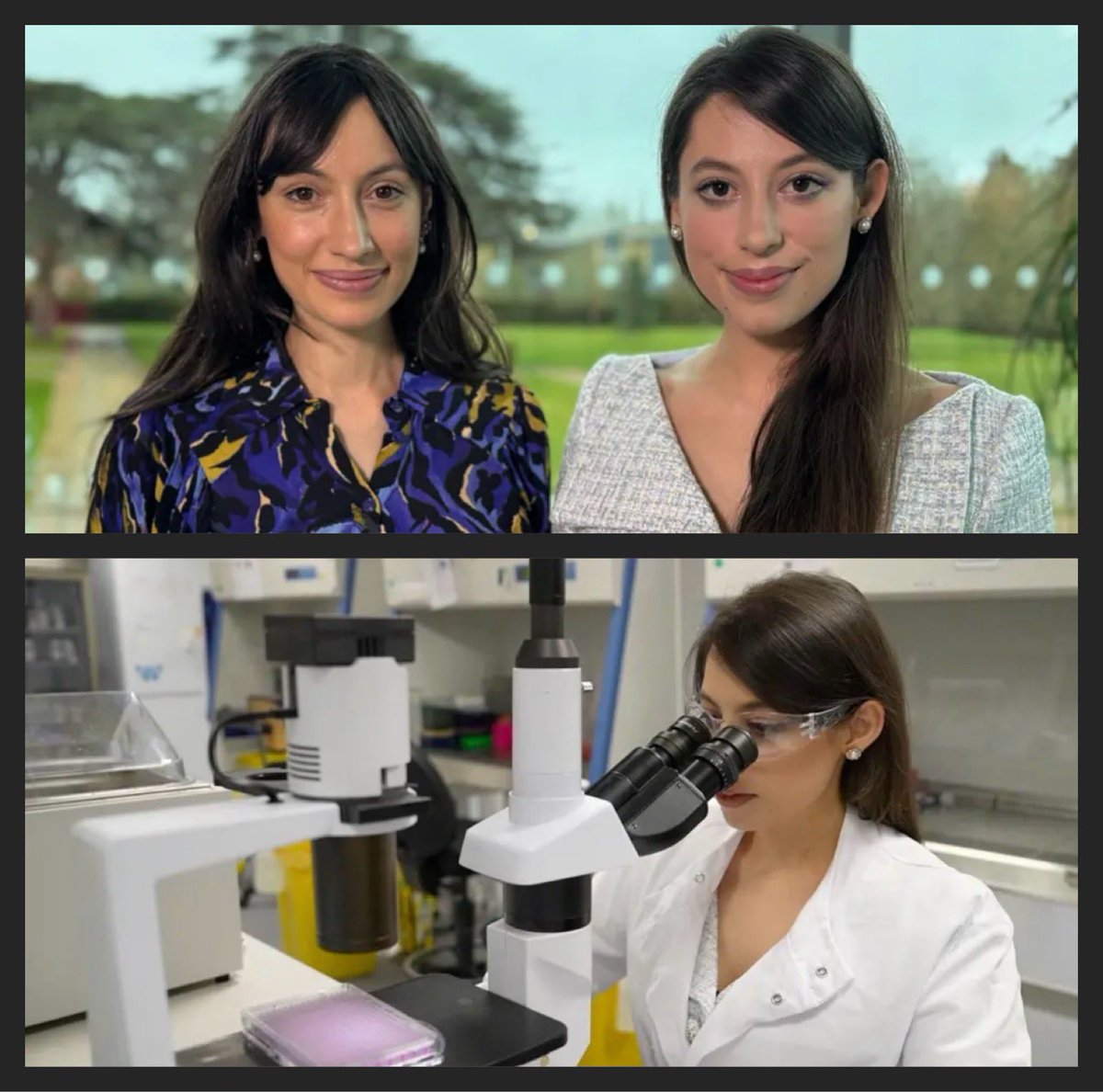
Dr Carina Kern and Serena Kern-Libera are leading revolutionary research — and their human trials into cell death might crack the code to a longer life ⬇️ https://t.co/SHEQfXqTBz