Efficient AI Lecture 19: Distributed Training (Part 1)
This lecture gave me a much clearer picture of how self-attention parallelism actually flows across GPUs.
🔹 Start with the Transformer attention block: input tokens are projected into Q, K, V.
🔹 In tensor parallelism, the QKV projections can be split across GPUs, often by attention heads. Each device computes only part of the projection.
🔹 After local attention computation, the output projection needs synchronization. The partial outputs from different GPUs are combined with communication primitives such as All-Reduce.
🔹 For long sequences, sequence parallelism changes the axis: instead of only splitting heads or hidden dimensions, we split the tokens across devices.
My note:
https://t.co/hDwbHbARTl
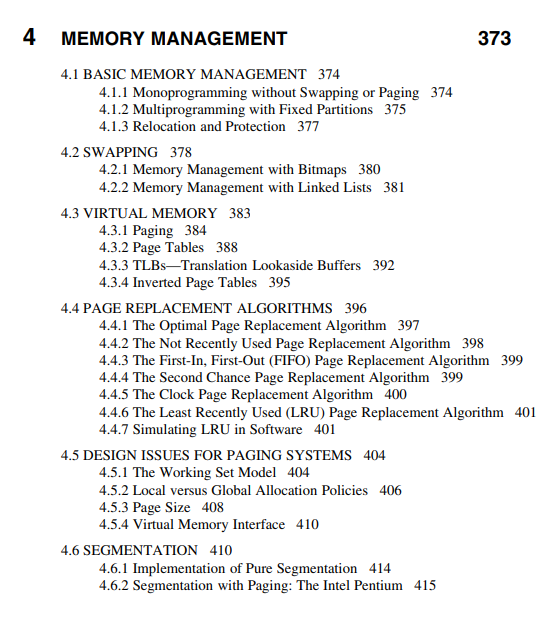
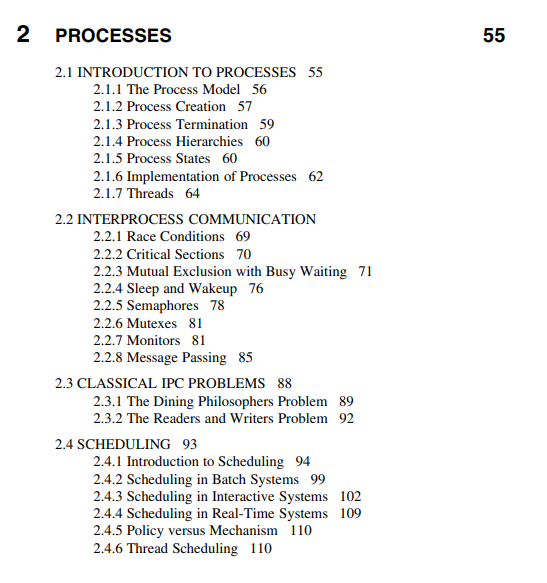
in 1987 a professor at Vrije Universiteit Amsterdam couldn't teach Unix because AT&T owned the source code
so he wrote his own Unix-like OS from scratch and printed the entire source code in his textbook
a Finnish student named Linus Torvalds used it to write Linux
it is called MINIX
the textbook is "Operating Systems: Design and Implementation" by Andrew Tanenbaum
142/365 of GPU Programming
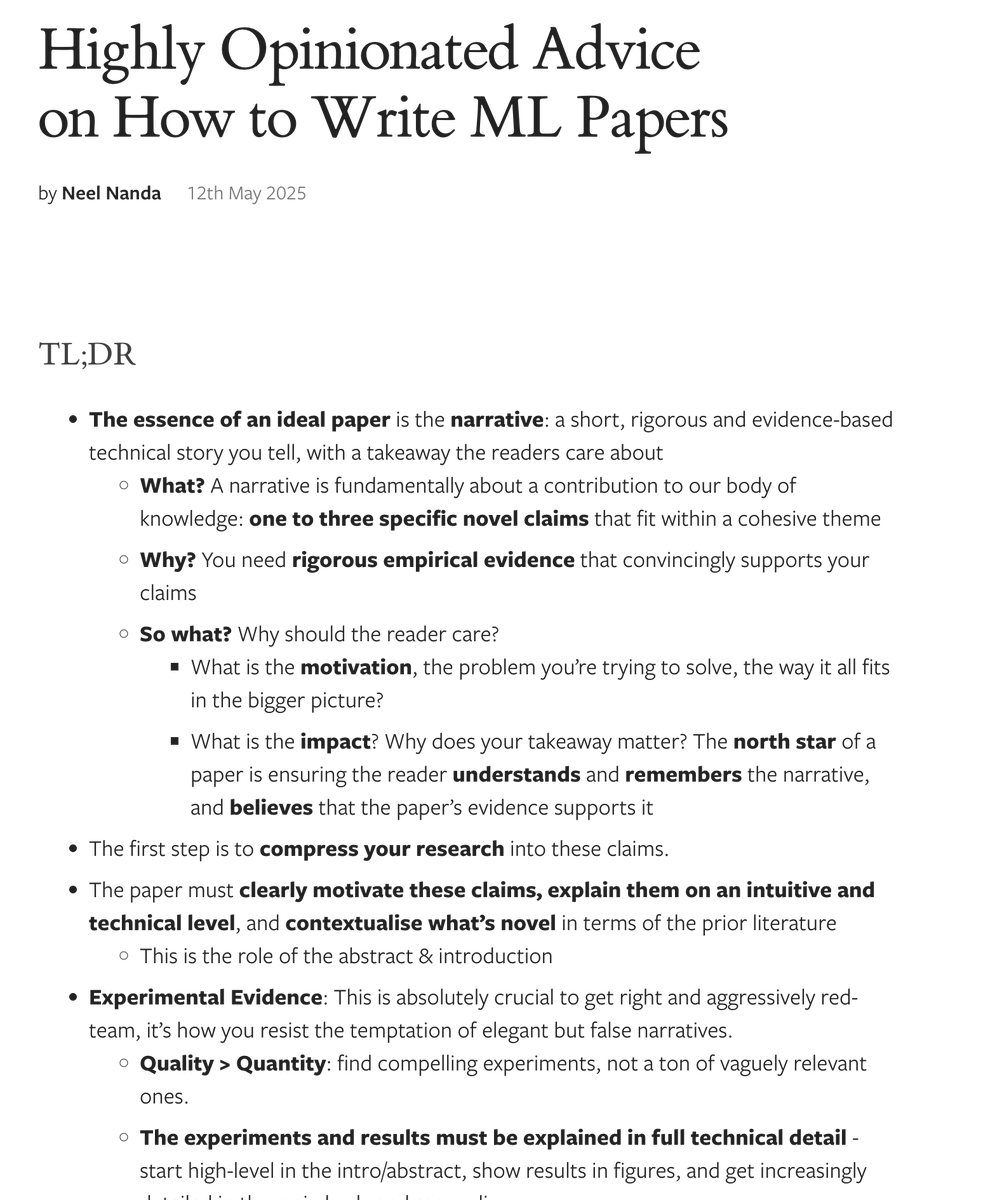
Trying to learn about what makes a good paper in ML research today.
A few resources that I'm finding really helpful as a novice:
- https://t.co/zznUOtmFLh by @NeelGuha
- https://t.co/Tj1VJyVqFD by @seb_far
- https://t.co/iz6eQvXezO by @j_foerst
https://t.co/A8v6fW8OVX by @NeelNanda5
- https://t.co/i6dylYALXq by Nicholas Carlini
If anyone has additional resources they'd recommend, would love to hear!
Python made AI accessible.
Rust can make parts of AI understandable.
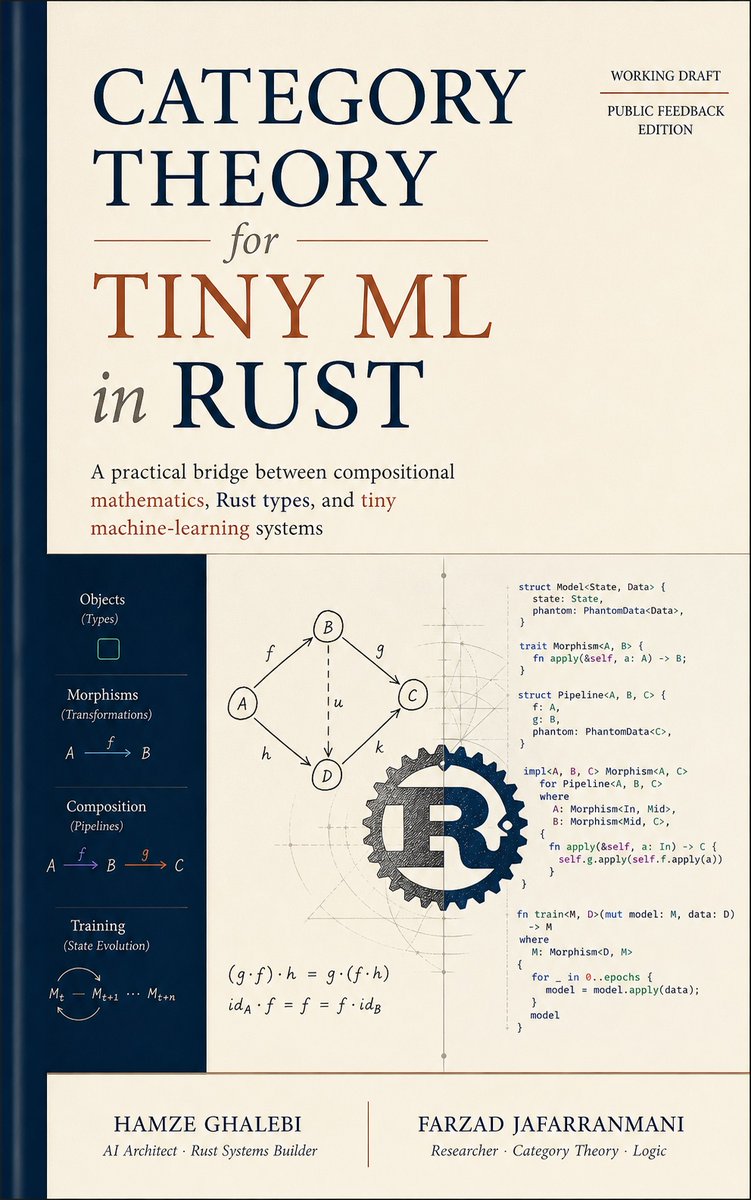
That’s the bet behind Category Theory for Tiny ML in Rust.
We’re building tiny ML systems from first principles using:
Rust types
typed transformations
composition
training loops
category theory as an engineering tool
Not abstraction cosplay.
Executable structure.
Working draft. Public feedback welcome.
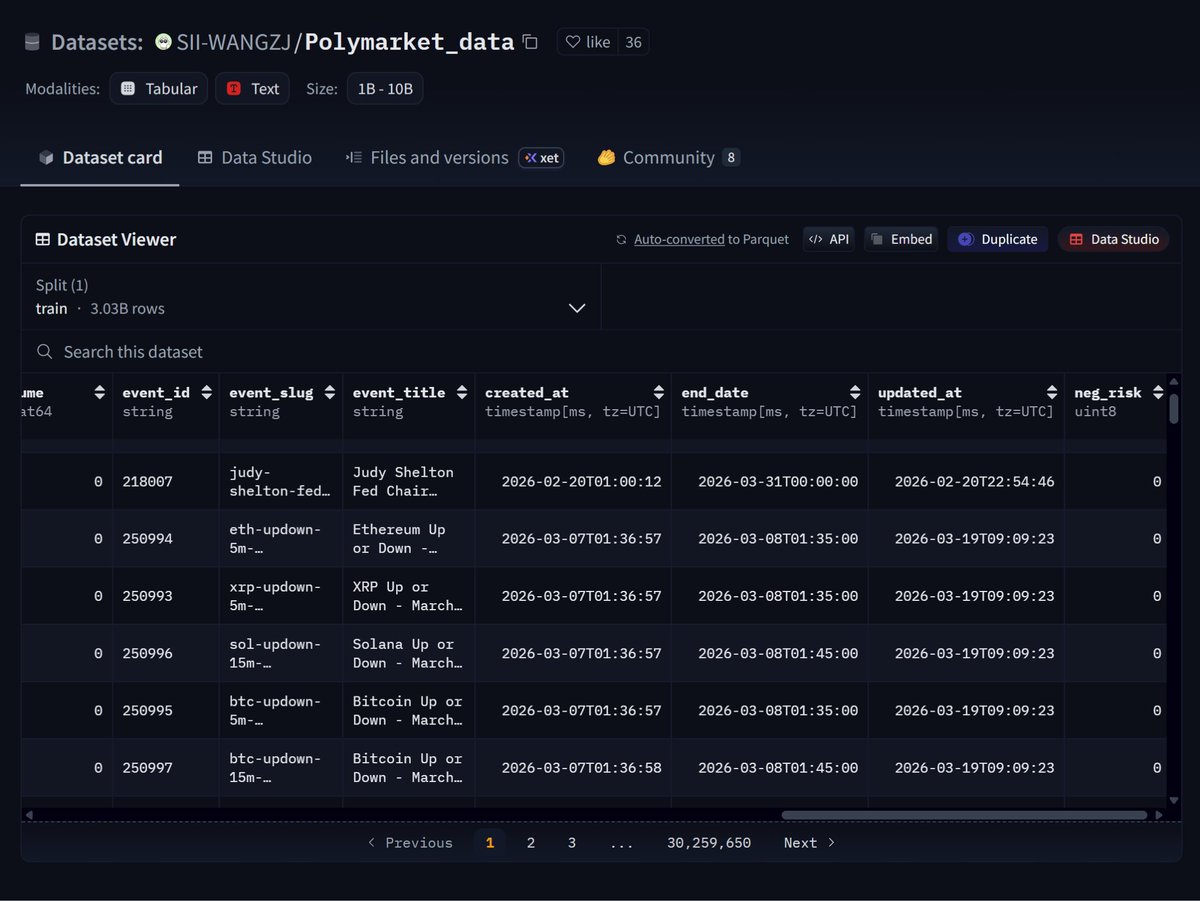
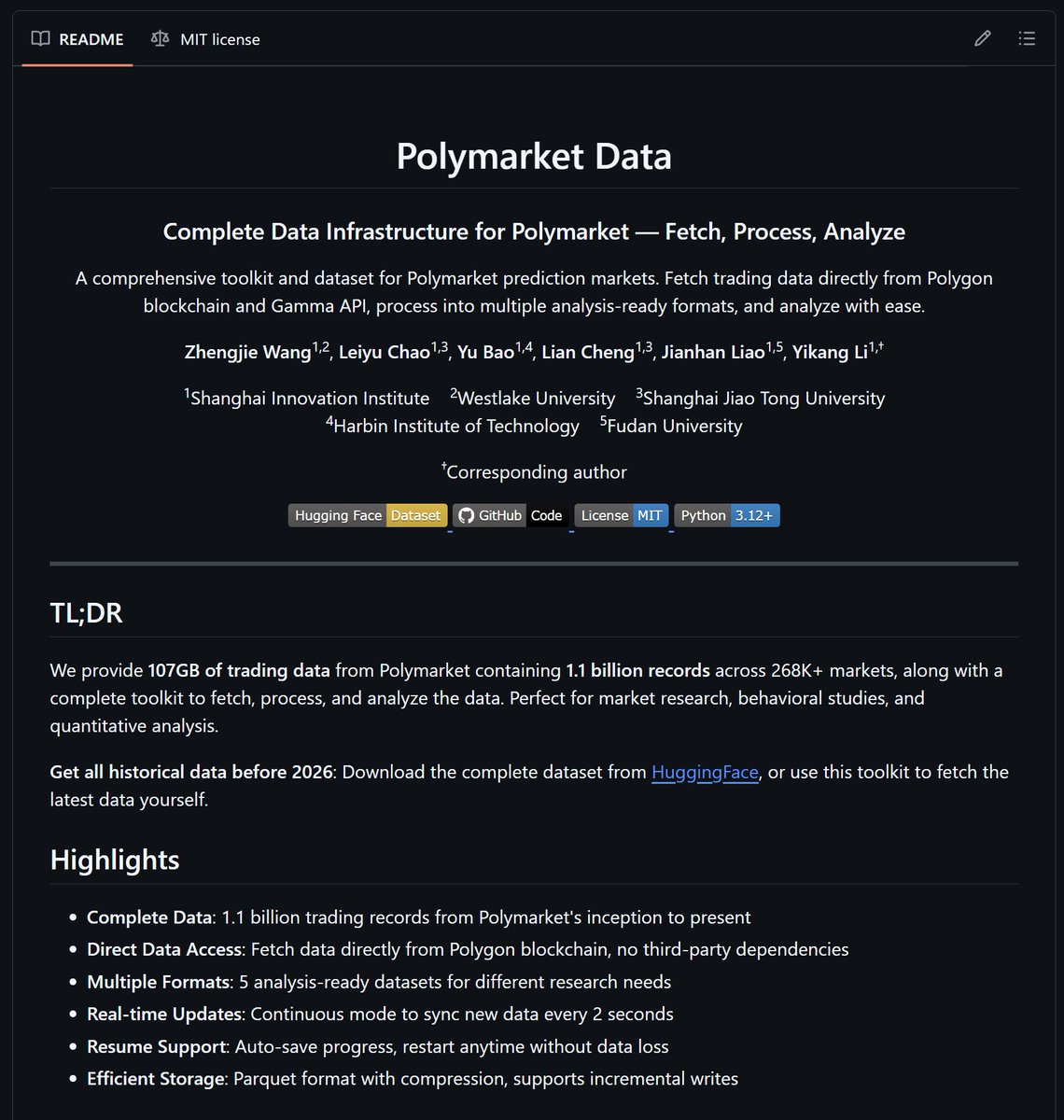
5 students from Shanghai University analyzed over 1.1 billion Polymarket trades across 268K markets, collected 107GB of real trading data and released it for free on GitHub…
This is the largest public prediction market dataset I have ever found.
Here is how you can use it for trading on Polymarket:
This dataset allows you to understand how Polymarket actually behaves and how prices typically move.
You can analyze and compare all markets within the same category to find patterns in price movements that repeat over time.
Lets imagine, while analyzing this dataset, you discover that, for example, most economic markets are less volatile and often have a clear winner right from the beginning (with the highest % probability) - Boom, now this becomes your own proven working strategy.
This way, you can create hundreds of different time tested ideas and strategies based on real historical data.
In addition to the dataset, this repo also provides a full set of tools to work with Polymarket data directly via API, so you can continuously fetch fresh data, process it, clean it and convert it into easy excel format.
This repo: https://t.co/7hj5ZXS6Qi
Since the last few posts on memory management have resonated quite well, CMU's ICS has amazing lecture notes on it.
Absolutely worth checking those.
https://t.co/hicIMGT5zZ
for the hands-onsy folk, couple of years ago I uploaded to YT 8 hours of dense material on quant trading.
"changed people's lives" (not my words), but I do think it is 💯 for programmers/traders to learn a principled framework for systematic trading.
https://t.co/IjTleMx959
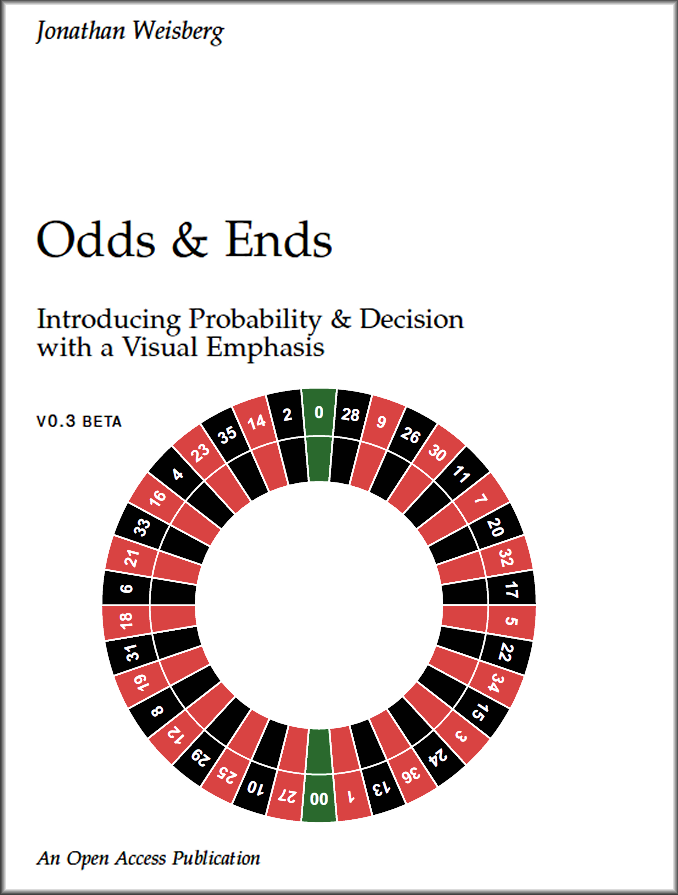
FREE math book.
"Odds & Ends: Introducing Probability & Decision with a Visual Emphasis," by Weisberg.
For intro philosophy courses on probability and inductive logic. Almost no formal background is presumed, only very simple high school algebra. Topics: Monty Hall Problem, Logic, Gambler's Fallacy, Probability, Bayes' Theorem, Beliefs, Significance Testing, Grue Paradox, etc.
Link: https://t.co/FuIjI4n7ED
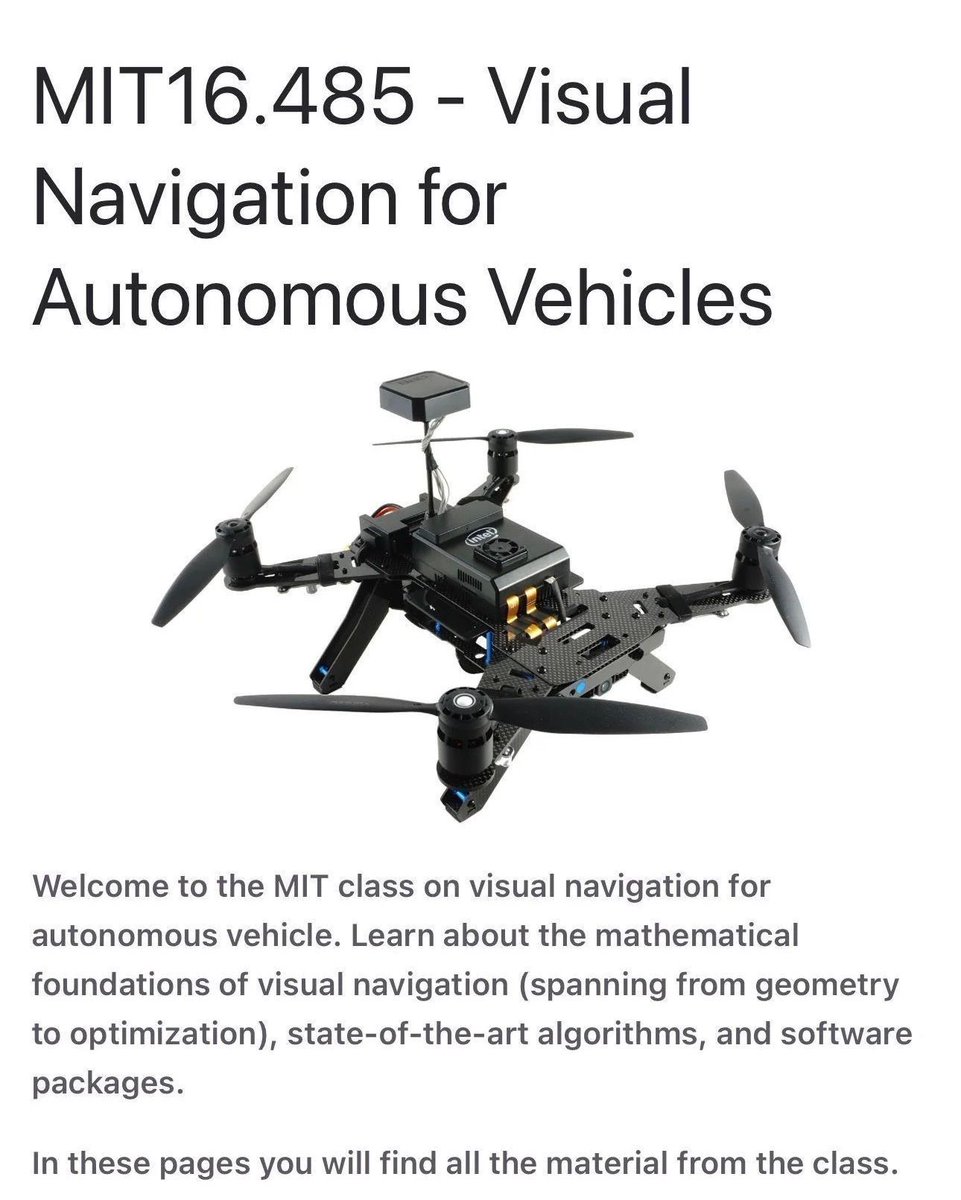
A full MIT course on visual autonomous navigation.
If you work on robotics, drones, or self-driving systems, this one is worth bookmarking‼️
MIT’s Visual Navigation for Autonomous Vehicles course covers the full perception-to-control stack, not just isolated algorithms.
What it focuses on:
• 2D and 3D vision for navigation
• Visual and visual-inertial odometry for state estimation
• Place recognition and SLAM for localization and mapping
• Trajectory optimization for motion planning
• Learning-based perception in geometric settings
All material is available publicly, including slides and notes.
📍https://t.co/Wt5mr6NPao
If you know other solid resources on vision-based autonomy, feel free to share them.
——
Weekly robotics and AI insights.
Subscribe free: https://t.co/9Nm01QUcw3
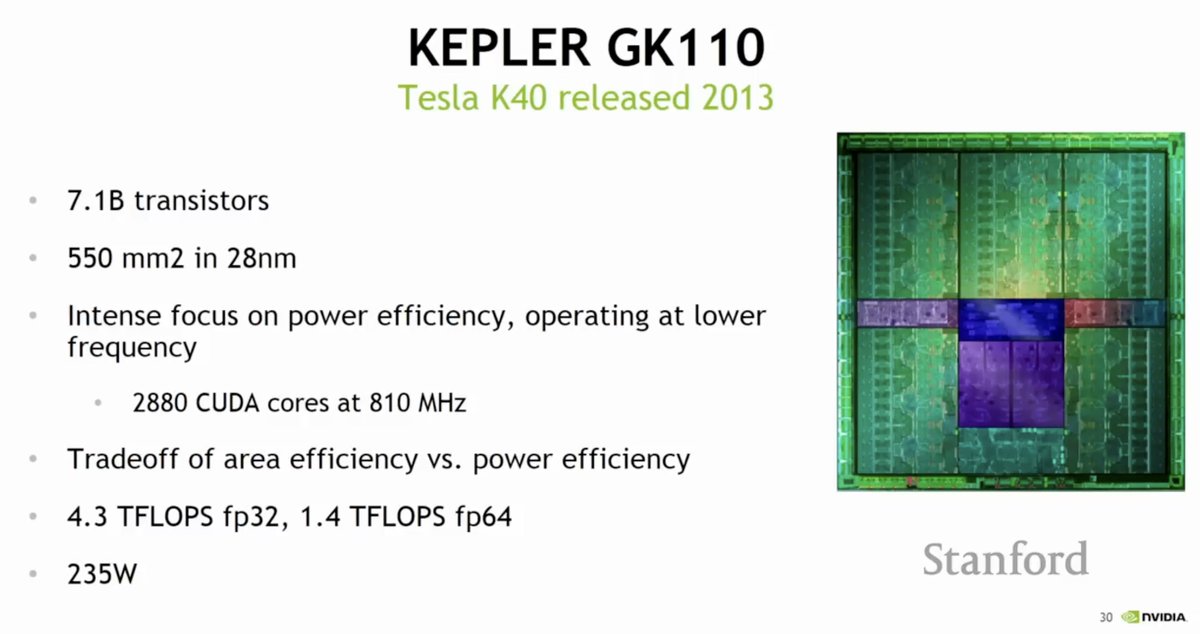
Day 77/365 of GPU Programming
Spending the weekend learning more about Nvidia's GPU architecture across generations.
Watched Stuart Oberman's excellent 2017 Stanford talk detailing Nvidia's GPU journey from PC gaming in 1999 to the V100 and the onset of the company's focus on deep learning. Super fun walking down memory lane and seeing how the SM was introduced in 2006 with the G80, the beginnings of CUDA everywhere, the introduction of FP16 as a native data type, NVLink 1.0, the birth of tensor cores,
Then watched his 2024 USC lecture (which only has 300 views btw! criminally underrated talk), which was basically the 2.0 version of his 2017 talk where he walks through the progress that happened from Volta to Blackwell after providing an overview of the pre-DL era at Nvidia like numeric representations pre-2005.
Also found @highyieldYT's amazing analysis of the Blackwell GB202 chip and consumed whatever H100 videos I could find (not many out there unfortunately)
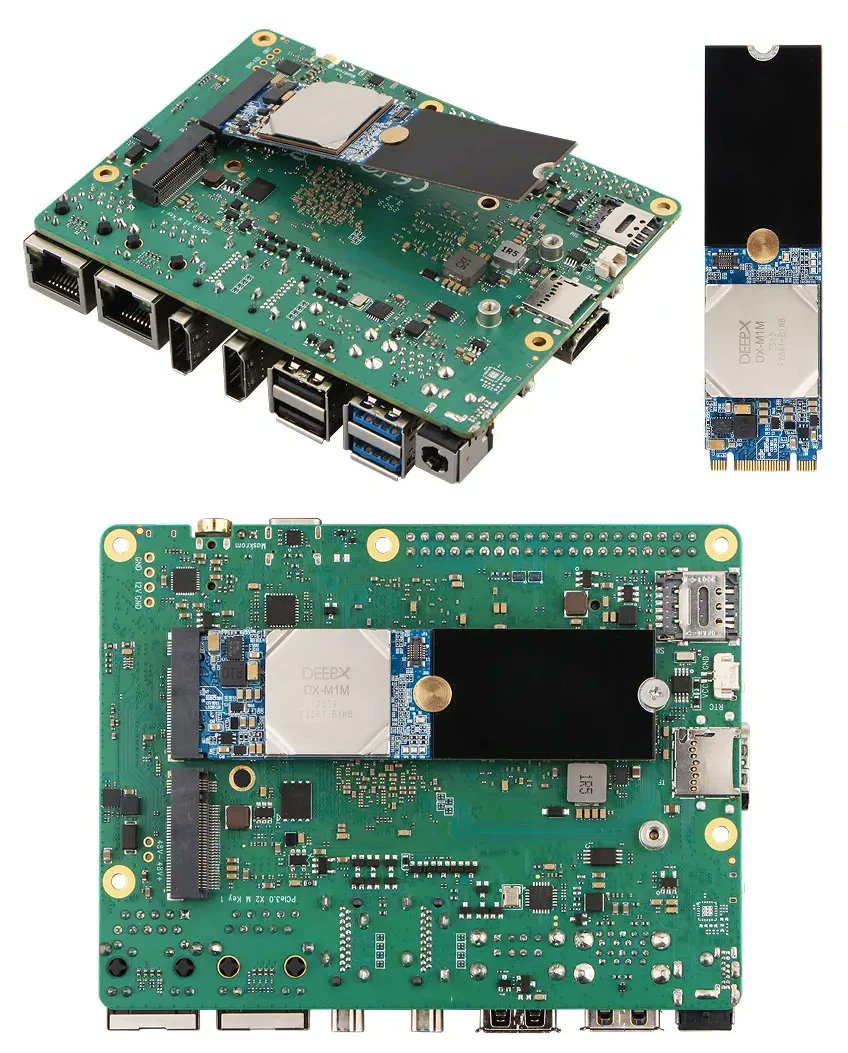
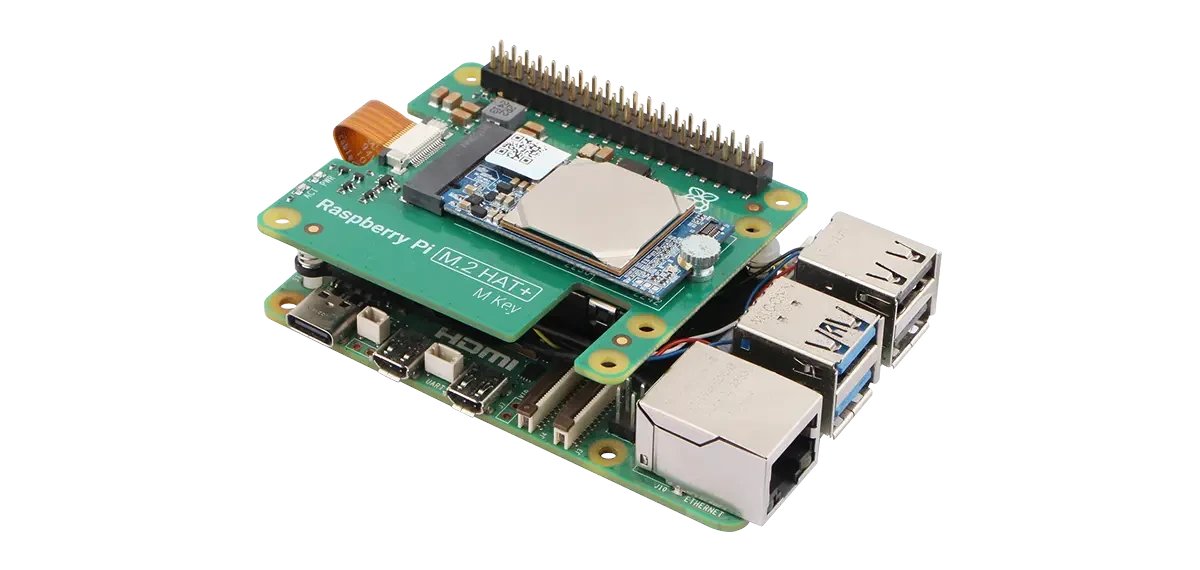
Low-power 25 TOPS M.2 AI accelerator module.
https://t.co/21SzcILcXP
@RadxaComputer AICore DX-M1M is built around the DeepX DX-M1M neural processing unit (NPU) and consumes around 3W of power. Its compact size and low power consumption make it ideal for industrial robot arms, autonomous mobile robots (AMR), edge servers, drones, and AIoT devices.
It relies on a PCIe Gen3 x2 interface and works with both x86 and Arm systems, including the Raspberry Pi 5 and Radxa ROCK SBCs.
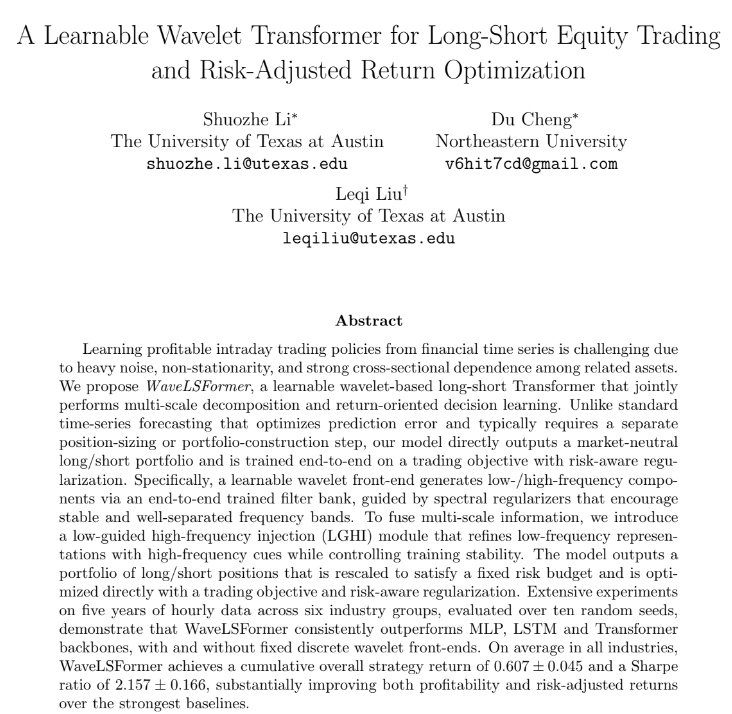
>2-Sharpe but backtest doesn't include fees. Besides my major critique is selection bias at the universe level and hyperparameters are tuned manually what can end in data snooping
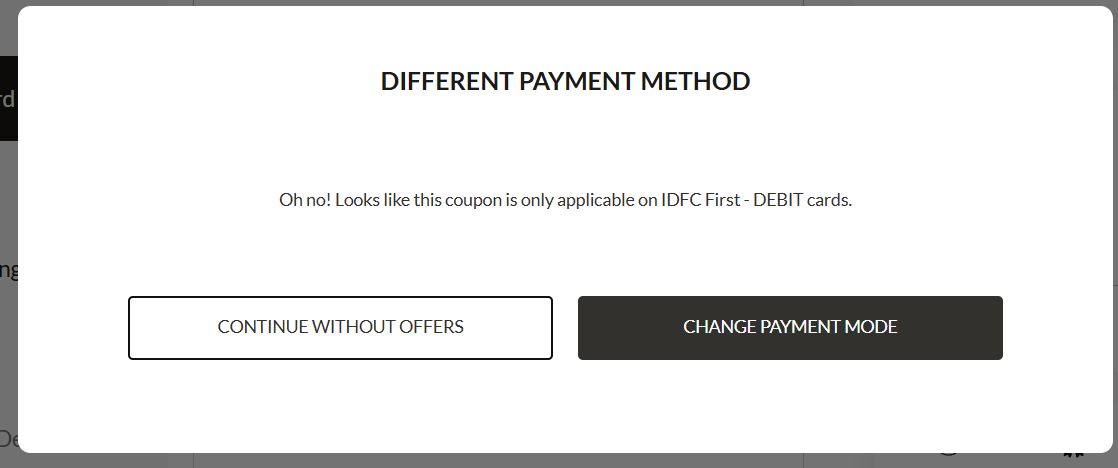
@TATACLiQLuxury i am not able to use my coupon for IDFC First bank. Even after calling your customer care for a week they are not able to resolve my issue