⚙️ Intervention should be based on what SKILLS the student requires at the moment, not what labels a student has. If five students need similar reading support, those five get the support together--IEP or not. #LeadInclusion#UDL#InclusiveEd#EdLeaders#TeacherTwitter
Teacher training leaders: ELPAC Listening Domain—Listen to a Story (LST) Task Type is a #ToolsForTeachers professional learning resource featuring interactive explorations to build understanding of the LST task type. Check it out today!
https://t.co/KAvR1EiZX4(account required)
📊 In IM classrooms, multilingual learners don’t just participate—they reason, revise, and engage deeply with math.
👀 See for yourself in our latest #IMxBlog post. Two educators share strategies that build problem-solving skills and strengthen language → https://t.co/2l3Zt5HjxW
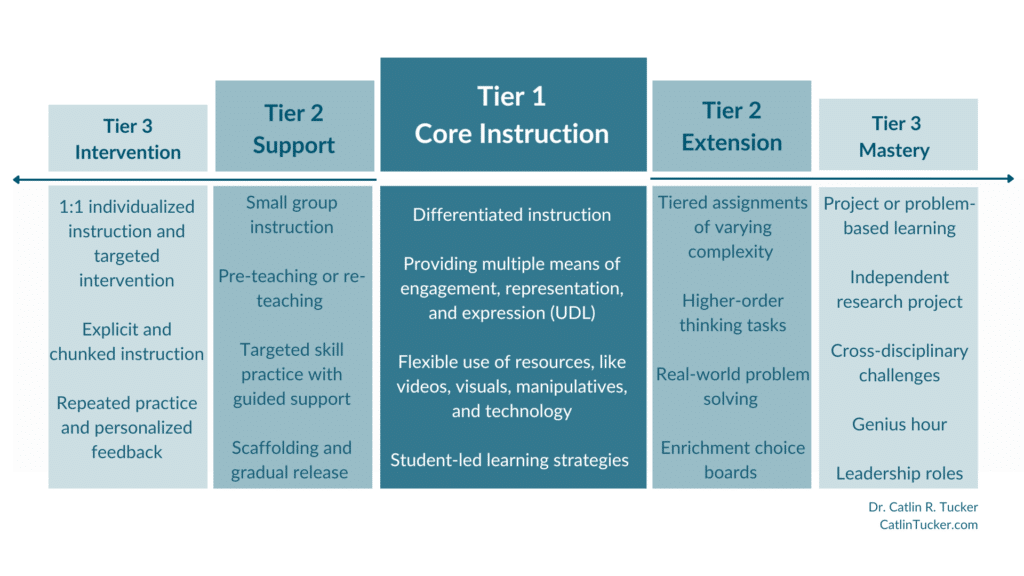
Did you know that ~20% of students need more than whole-group instruction to reach their potential?
Tier 2 means targeted support & meaningful extension for advanced learners. Both matter if you want an equitable, engaged classroom: https://t.co/6YW9fZf2JC
15% of students have disabilities, but inclusive classroom design benefits 100% of learners.
MTSS helps teachers move from one-size-fits-all instruction to layered, responsive support that meets every student where they are!
More: https://t.co/v1SyNBfq2t
#edchat#k12
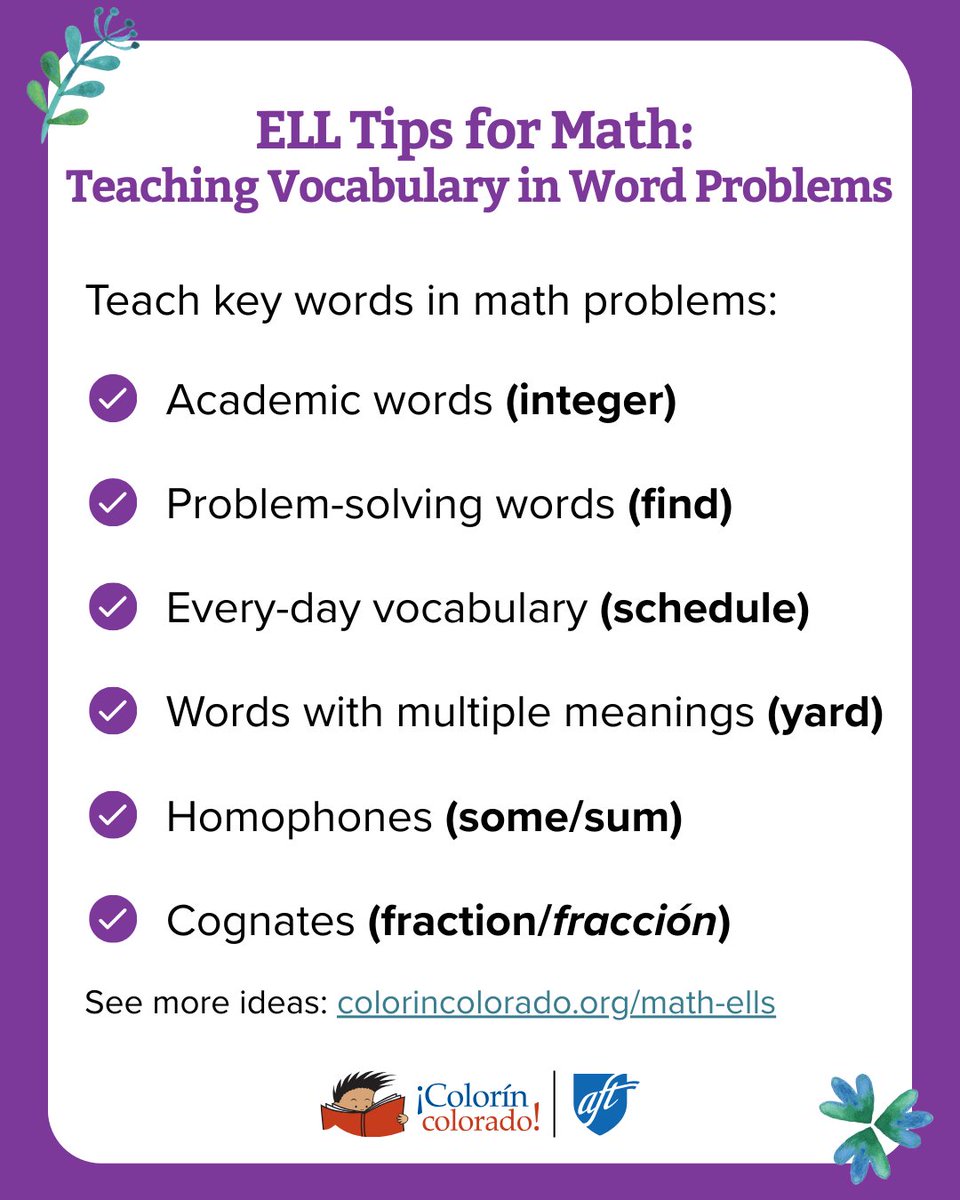
Join us for a free @ColorinColorado webinar tomorrow on @sharemylesson!
We'll be sharing our latest #ELL resources related to several timely topics.
This webinar will be archived and is available for 1 hour of professional learning.
Register: https://t.co/2poxv9py9m
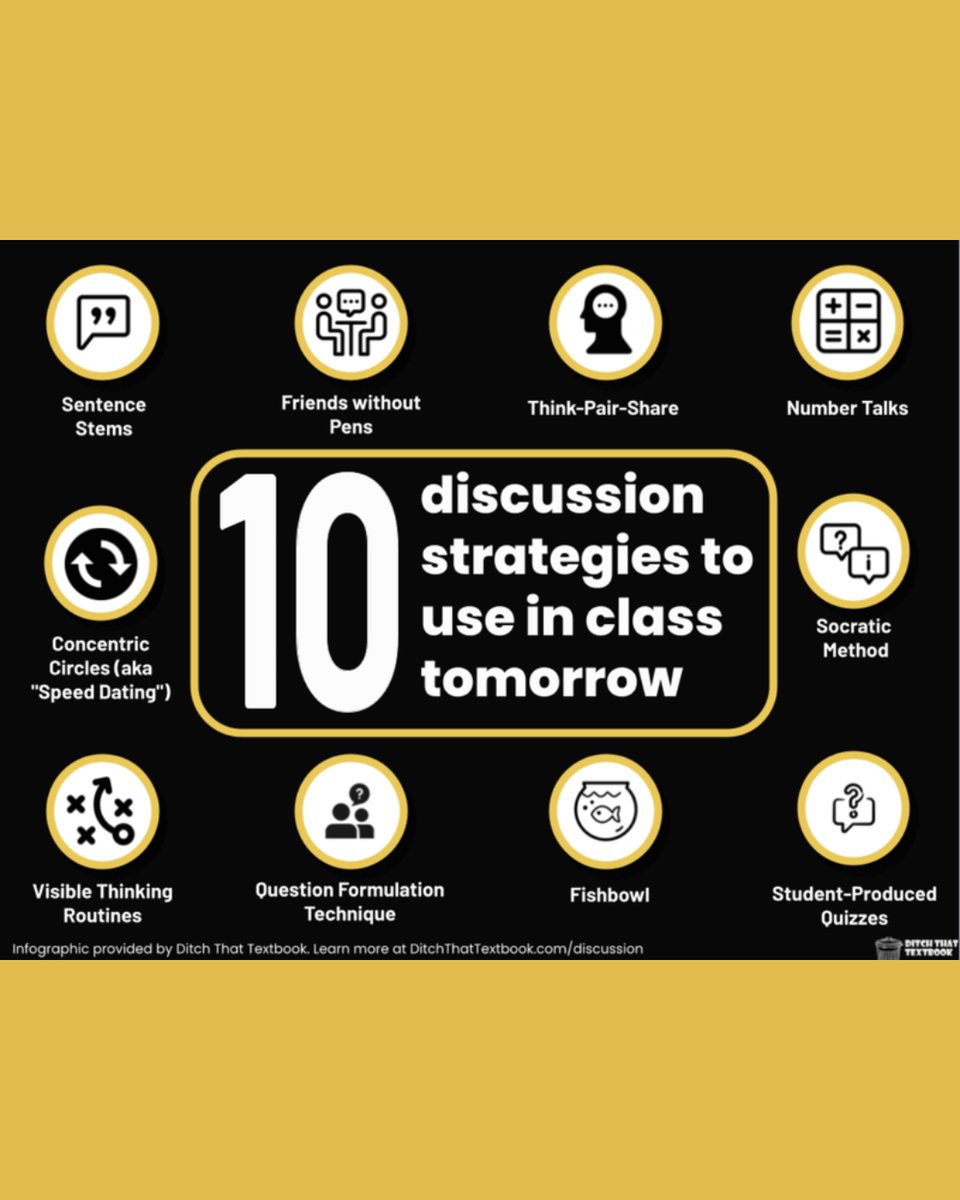
These 10 strategies provide the scaffolding students need to engage in deep, meaningful classroom dialogue. Use these proven protocols to shift the focus from simple answers to high-level questioning and collaborative thinking.
You can learn more about these strategies here: https://t.co/Kn8geCcoTy
#DitchThatTextbook #ClassroomDiscussion #ActiveLearning
Teacher training leaders: ELPAC Reading Domain—Reading an Informational Passage (RIF) Task Type is a #ToolsForTeachers professional learning resource featuring interactive explorations to build understanding of the RIF Task Type! https://t.co/o209BDnPFO (account required)
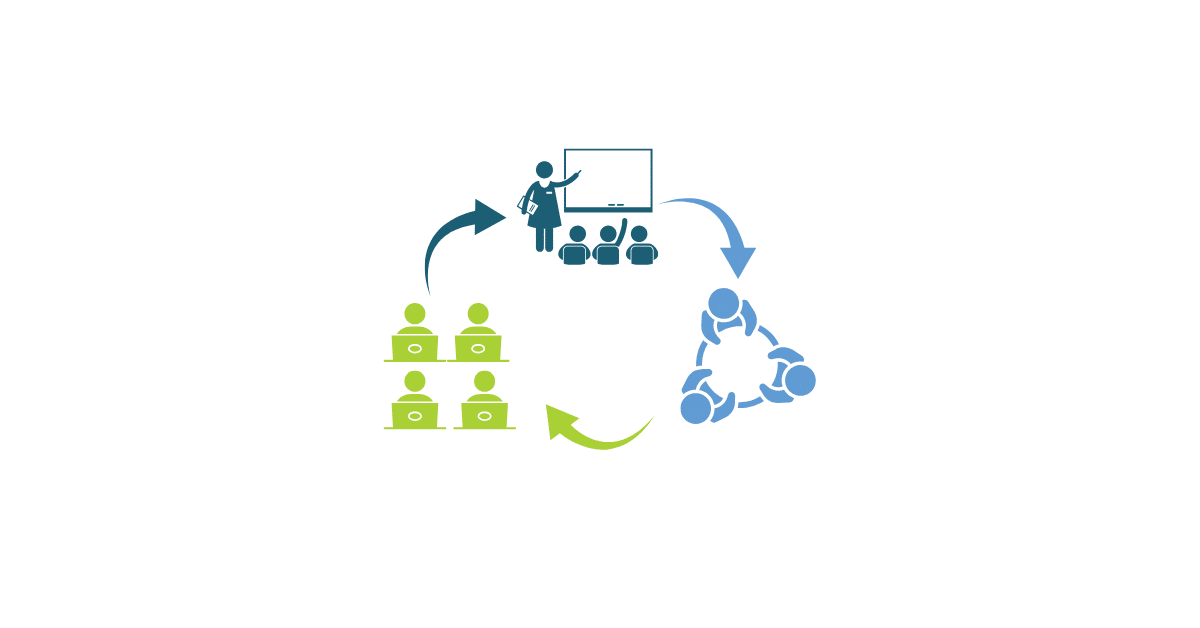
Multilingual learners deserve stations that build language skills, confidence, & self-direction.
Here's how to leverage the station rotation model to help them thrive independently & collaboratively: https://t.co/njrUqlAN3U
#studentled#englishlearners#edchat
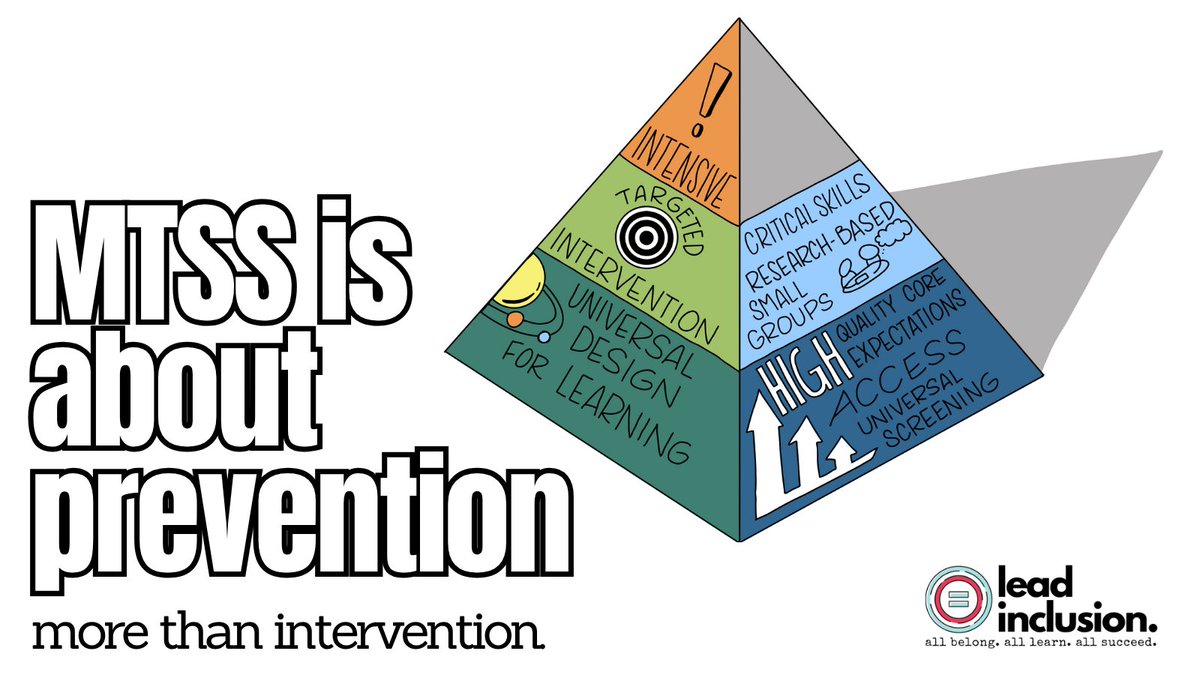
#MTSS isn’t only about intervention. It’s first and foremost a schoolwide system for PREVENTION. This requires UDL, core review teams, screeners three times a year, and differentiated support in every classroom. #LeadInclusion#UDL#EduSky#TeacherTwitter#EdChat
“Encoding is not simply a step to writing; it is a vital but underappreciated route to reading. It requires a deeper and more consistent practice of identifying the individual speech sounds in words and linking those sounds to letters. It engages children from the beginning with meaningful words, not isolated skills.
The segmentation and construction of spoken words build essential neural networks and provide a meaningful route to phoneme awareness and phonics, as children learn to master the ingenious code of letters that makes spoken words visible.” ( Herron & Gillis, 2020).
Read this do-not-miss article, Encoding as a Route to Phoneme Awareness and Phonics: A Shift in Literacy Instruction, by Jeannine Herron and Margie Gillis, here:
https://t.co/mtEbLCHaFj
It’s all about breaking tricky sentences into parts so students can actually understand them—and use the skill in their own writing. ✏️
Listen 🎙️ https://t.co/69oUMqZ5h2
TIPS Sheet 📝 https://t.co/yIeY4IvQa6
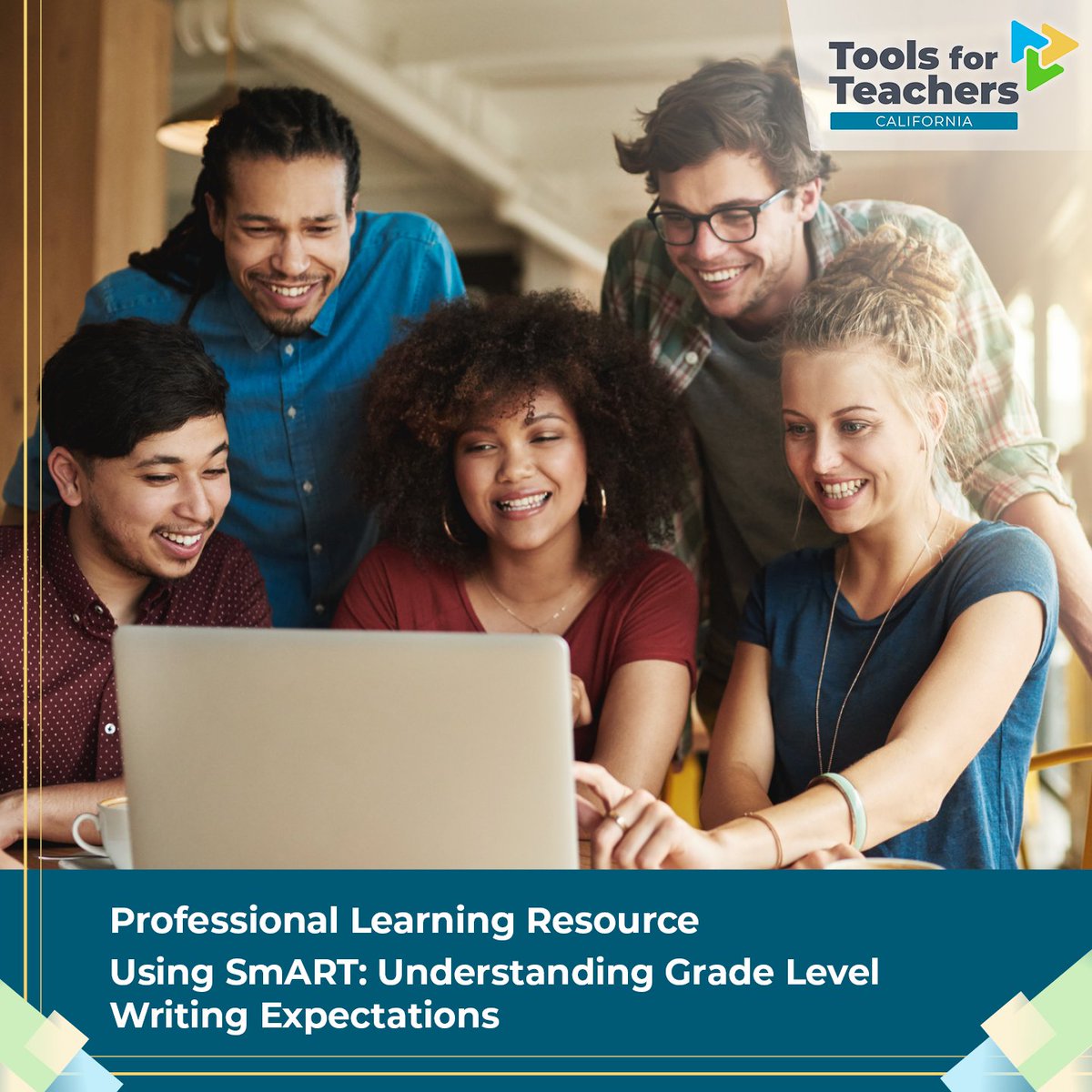
Using SmART: Understanding Grade Level Writing Expectations is a professional learning resource that teachers and training leaders can use to explore Smarter Balanced Annotated Response Tool examples for ELA Performance Tasks. https://t.co/KS4JIeAutb (account required)