Meta spent as much as the Manhattan Project on GPUs in inflation-adjusted dollars.
Really curious how long they will continue to release open models with that sort of capital expenditure and models that are getting more economically valuable.
How to Prompt NotebookLM's Interests
One thing we hear constantly from users first experiencing Audio Overviews is how good the hosts are at uncovering the interesting bits from their sources.
You can elicit that same interest-driven summarization in text chat too. Here's how:
The Gemini models are amazingly deft at exploring large bodies of text and imagery to find specific sections that are high in surprise, high in unexpected information. You can call that just another incremental improvement on search and summarization if you want—to me it seems like a bigger deal than that—but either way, it lets you get answers to questions that no computer in the world could have produced just a year ago.
When I'm trying to get my bearings with a few new documents that I think I need to understand, I'll load them into Notebook and ask a variation on: What are the most surprising or interesting pieces of information or narratives in these sources? And I'll maybe give it a gentle steer: Please focus on the NASA astronauts of the 1960s, not the later ones. And I'll tell it to include key quotes. In 30 seconds or less I'll have an enormously useful text document highlighting the most interesting and compelling passages in my sources.
You can get most of this in NotebookLM right now, just by choosing to convert your sources into a Briefing Doc in the Notebook Guide panel. (And obviously, if you want to listen to this information in conversation form, Audio Overviews has you covered.) Both Briefing Doc and Audio Overviews are designed explicitly to surface interesting material. But you can get more clever and more personalized with it just by tweaking your prompts slightly.
Here's one one example. I uploaded something like 500K words of transcripts from the NASA oral history project, covering the entire span of NASA from Gemini (the other one) to Apollo and all the way to the Space Shuttle. And then I asked NotebookLM:
I'm interested in writing something about the Apollo 1 fire. What are the most surprising facts or ideas related to the fire discussed in these transcripts. Include key quotes.
Take a look at the answer that NotebookLM generated in 20 seconds or so. How long would it have taken me to assemble this document manually, sifting through effectively five books worth of transcripts? 10 hours? You can't command-F for "interesting things."
Here’s a test to see how susceptible you are to conspiratorial thinking (it's fun) and a handy link to send to someone who you think could benefit from a critical thinking refresher course (again, it's fun, they won't be offended): https://t.co/JQQRy73xJB
The Homework Apocalypse already happened. AI can do basically any assignment and is being used everywhere.
We need to start grappling with what that means, and how to use the capabilities of AI to get students to think, rather than replacing thinking. https://t.co/5wqT3JmsB4
Programming is changing so fast... I'm trying VS Code Cursor + Sonnet 3.5 instead of GitHub Copilot again and I think it's now a net win. Just empirically, over the last few days most of my "programming" is now writing English (prompting and then reviewing and editing the generated diffs), and doing a bit of "half-coding" where you write the first chunk of the code you'd like, maybe comment it a bit so the LLM knows what the plan is, and then tab tab tab through completions. Sometimes you get a 100-line diff to your code that nails it, which could have taken 10+ minutes before.
I still don't think I got sufficiently used to all the features. It's a bit like learning to code all over again but I basically can't imagine going back to "unassisted" coding at this point, which was the only possibility just ~3 years ago.
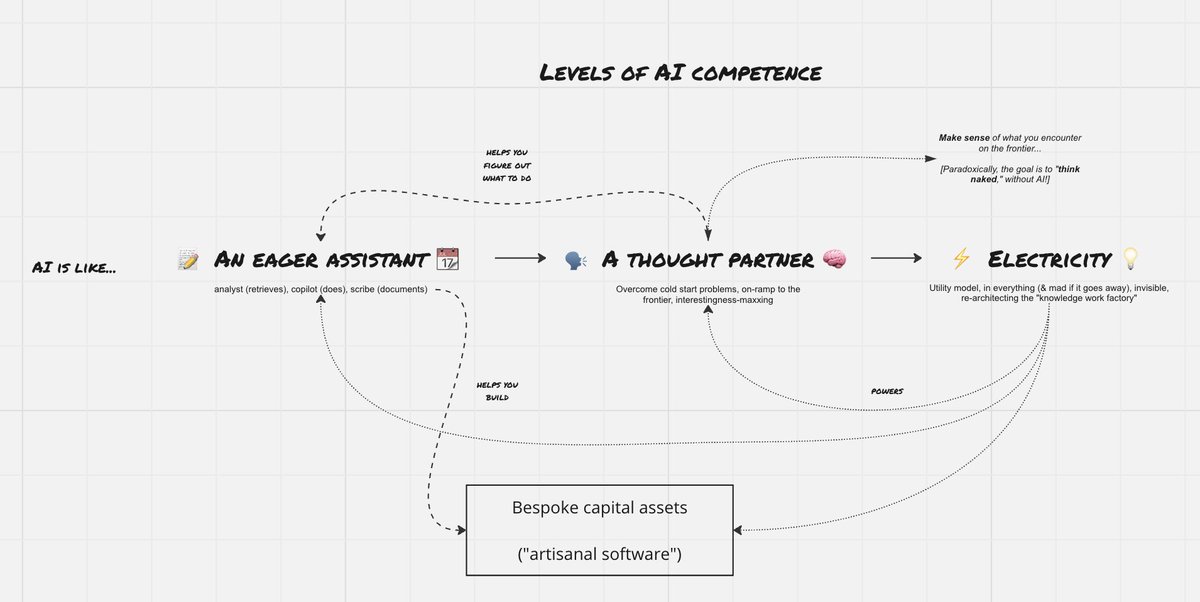
AI, at its best, doesn't give you answers; it helps you ask better questions.
(These models aren't search engines.)
They're more like microscopes or telescopes, making parts of information space legible that you otherwise might have missed.
Which bits ultimately matter, where you invest your limited attention, the right course of action ... these are all up to YOU to figure out.
Which is exciting — because as we're afforded more degrees of freedom, not just in terms of the "how" or the "what," but also the greater depths of "why" that we can investigate with significantly fewer resources.
More whys at lower cost -> new frontiers opening up for everyone (in a business context, that means more product experiments at lower cost, meeting previously inaccessible customer needs, and more time for cross-functional creation, relation, and contemplation) and all that makes me a lot more enthusiastic about the future!
The best new ideas often come from taking something that’s traditionally niche or expensive, and making it broadly accessible. In AI, the biggest opportunities will be from taking work that most businesses can’t afford or don’t have access to, and making it broadly accessible.
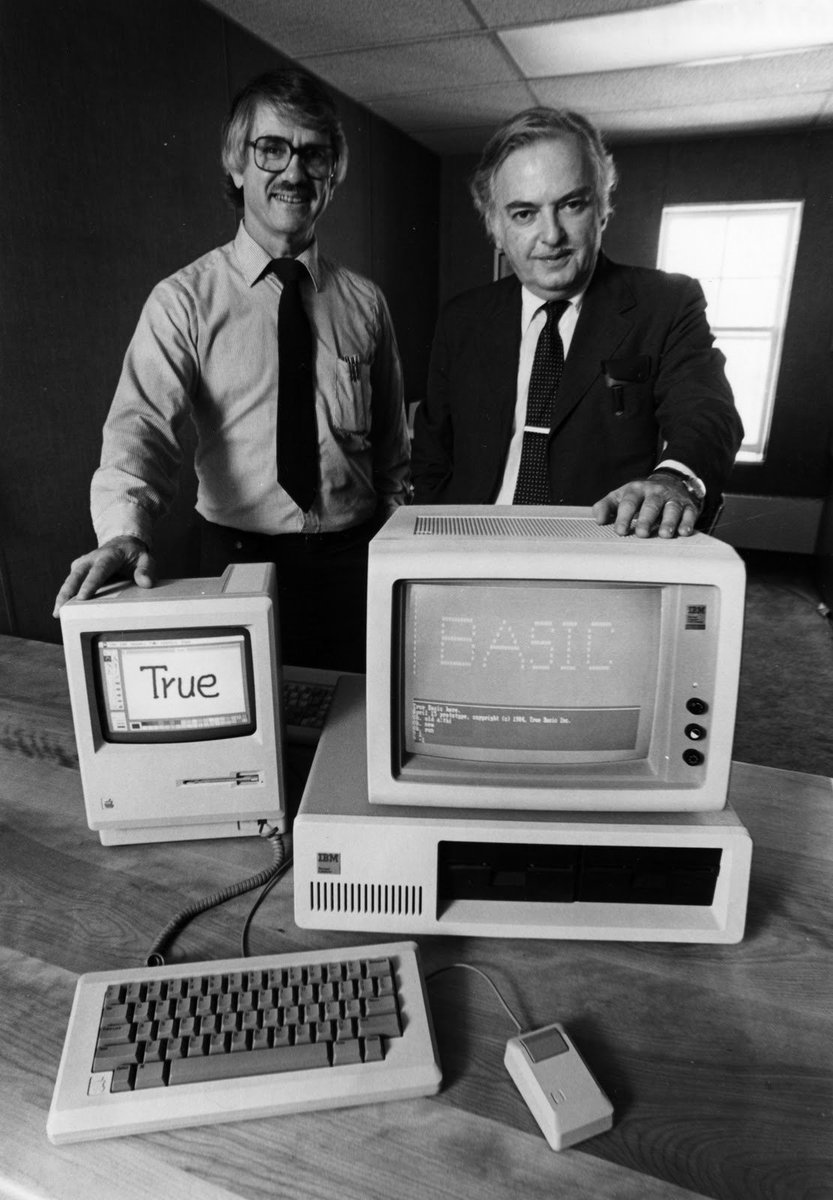
Happy birthday to #BASIC, the programming language launched at @Dartmouth#otd in 1964 to encourage non-STEM students to use computers: https://t.co/OBsYjcfr0d (v/@TIME)
At a conference at MIT, talking with a range of CEOs, technical leads in firms, etc.
These are mostly people ahead of the curve in experimenting with AI in their organization. Every one of the ones applying it was saying it had a big impact on performance in their organization.
As a reminder, GPT-4 class models out-innovate and out-persuade the average human. An open sourced model of that power is going to lead to lots of unanticipated effects, good and bad.
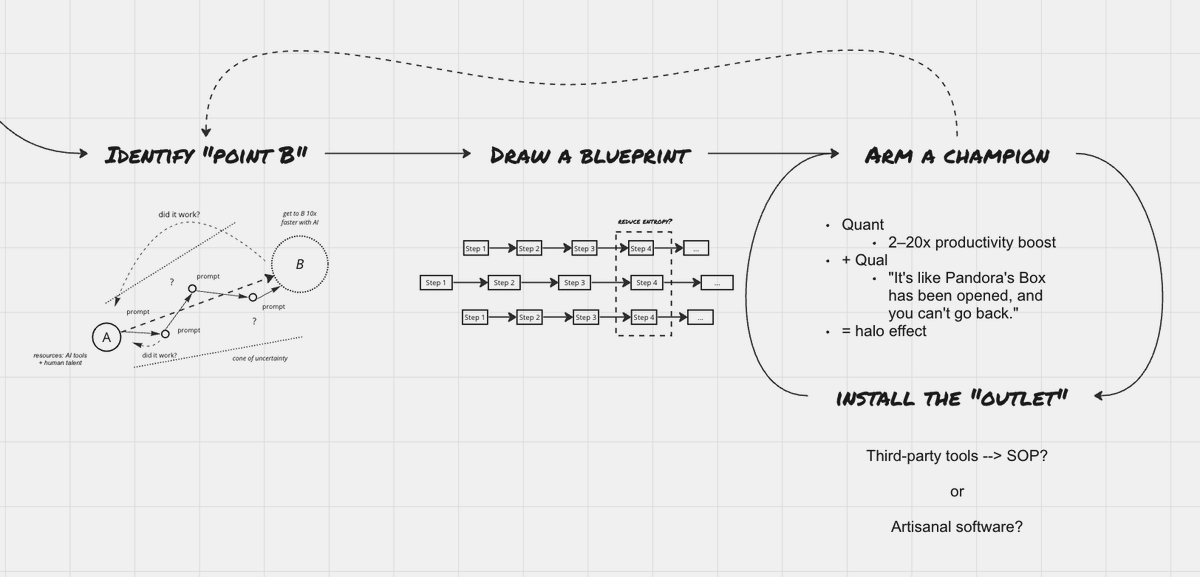
One problem is the usual pathways for working with technology don't work here. The consultants don't have special knowledge you don't & you need to use the systems to understand what AI can do for you.
Otherwise, it is all just talk & feels like fiction. https://t.co/zU0tIdDYvJ
UCLA has recorded nearly 12 inches of rain in the last 24 hours, a 1 in 1000-year rainfall rainfall event for Westwood.
A truly unprecedented storm in modern history for the region as an atmospheric river stalls over the region.
@emollick I watched the MSFT Ignite and AMZN ReInvent YouTube videos and I too was surprised that both made the customer service chatbot app with LLMs the focal point of so many demos and product announcements.
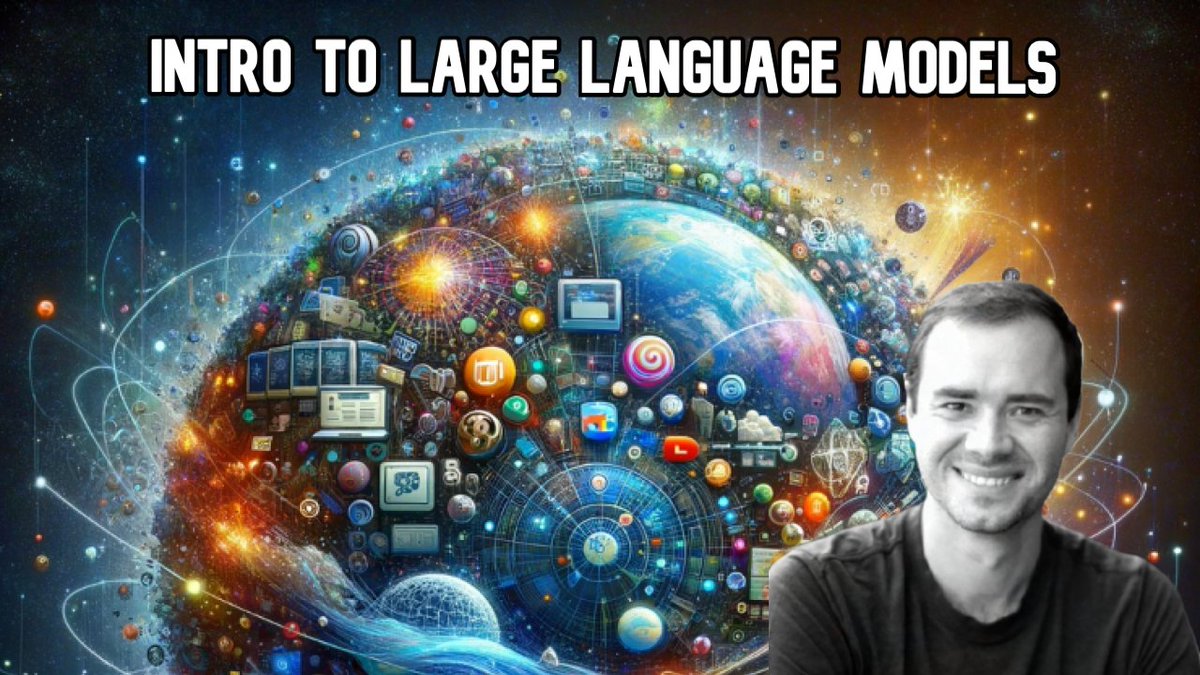
New YouTube video: 1hr general-audience introduction to Large Language Models
https://t.co/Bl4WNuNyFJ
Based on a 30min talk I gave recently; It tries to be non-technical intro, covers mental models for LLM inference, training, finetuning, the emerging LLM OS and LLM Security.