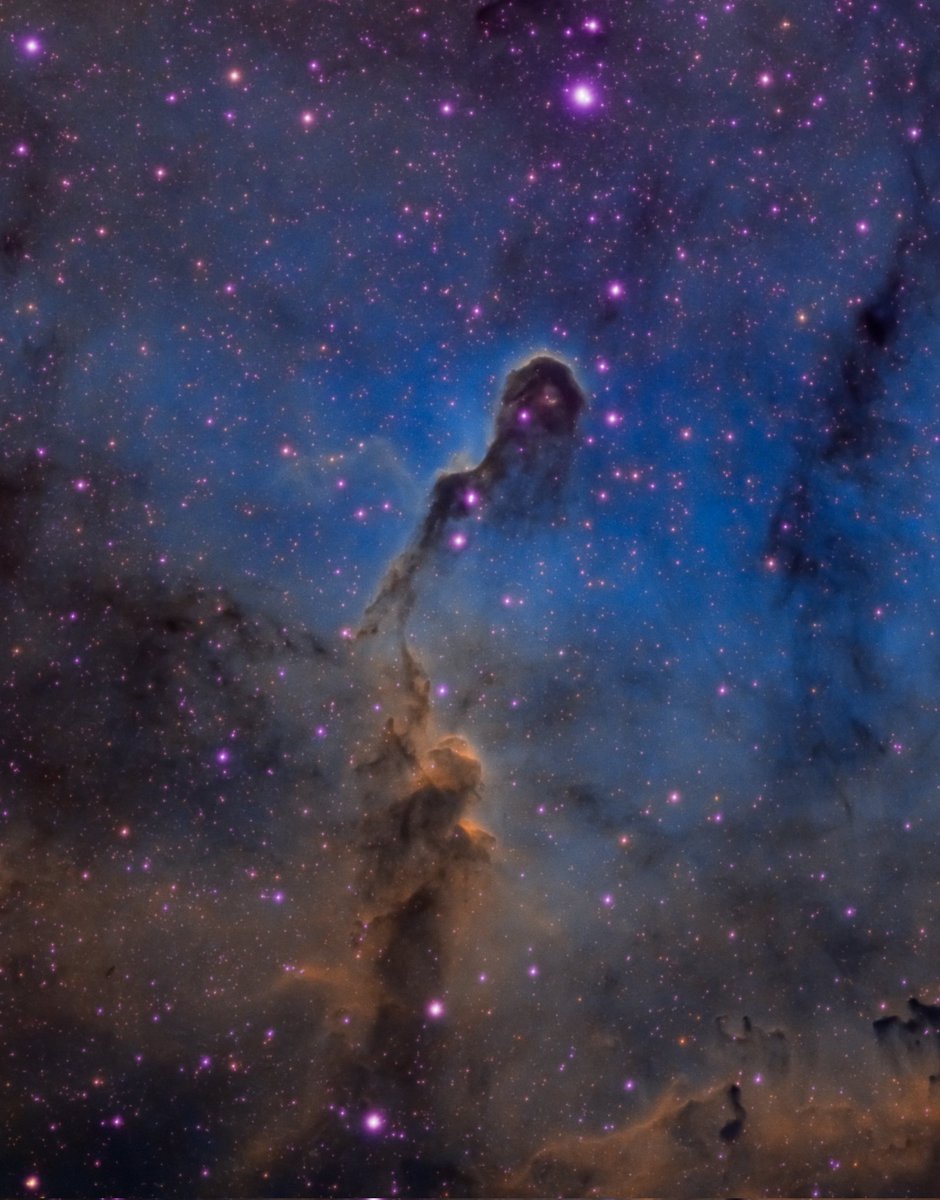
This isn’t accurate. I explain this often. Space is *quite* colorful.
EVERY digital raw photo is monochrome. Your phone has something called a bayer filter that allows it to turn one photo into 4 captured through different color filters. Telescopes like Hubble do the same thing through alternating filters, and most of the photos they share are true color.
JWST shoots in infrared which is outside the visible spectrum, so it has to be shifted to visible light by its very nature, but the colors are still accurate to the wavelength separation captured, they’re not selected arbitrarily and show real detail.
This process is usually overexplained which leads to confusion, when the reality is space photos are generally far more precise than any casual digital photo, including the color.
Earthshine.
Artemis II astronaut Christina Koch captured this video of Earth outside the windows of the Orion spacecraft during the second flight day of the mission. Orion was roughly 33,800 miles (54,500 km) away from Earth when @Astro_Christina took this video.
Welcome home Reid, Victor, Christina, and Jeremy! 🫶
The Artemis II astronauts have splashed down at 8:07pm ET (0007 UTC April 11), bringing their historic 10-day mission around the Moon to an end.
The eclipse from Orion.
On April 6, external cameras attached to the Orion spacecraft's solar array wings captured the Moon backlit by the Sun during a solar eclipse.
Hello, Moon. It’s great to be back.
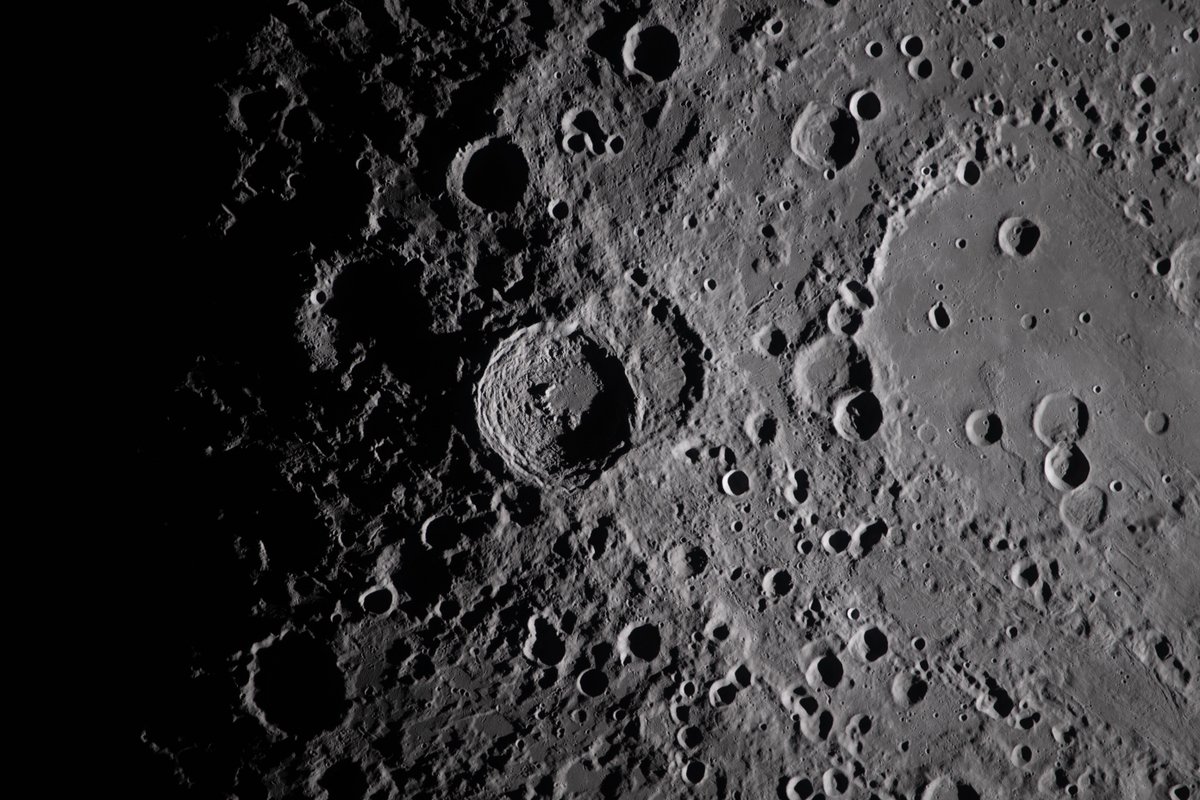
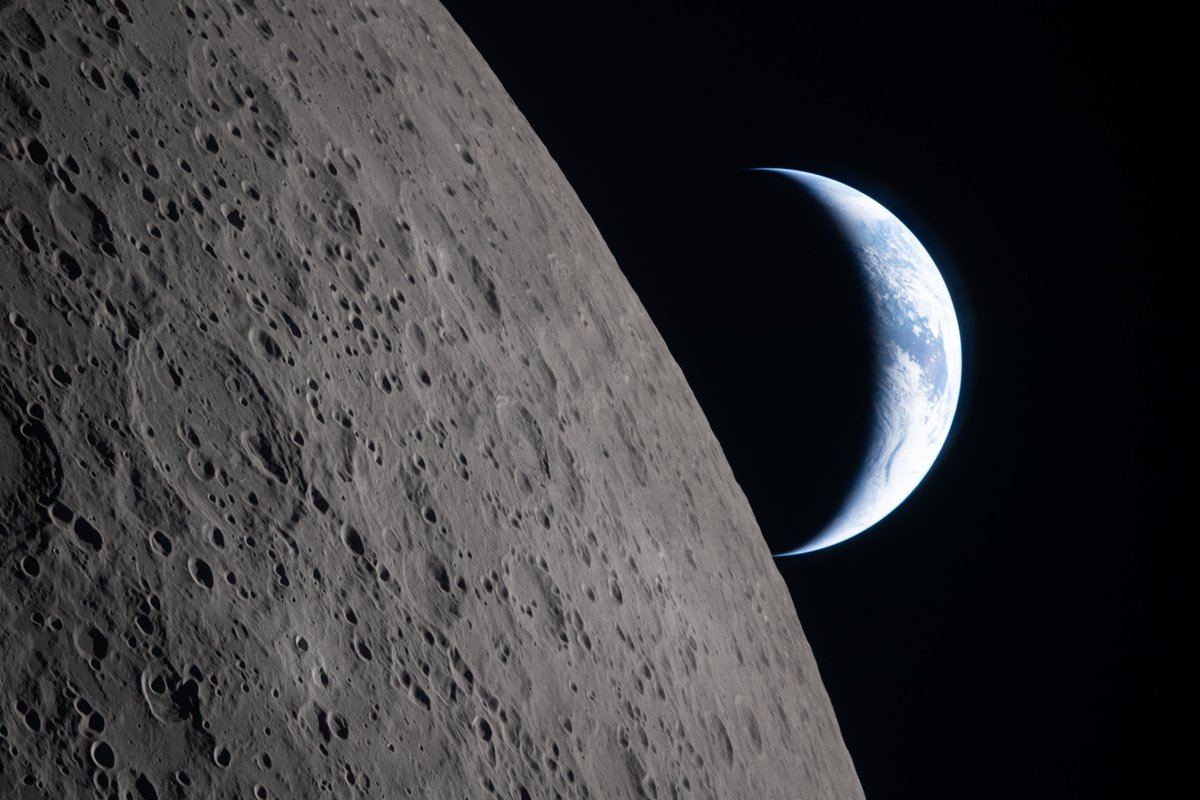
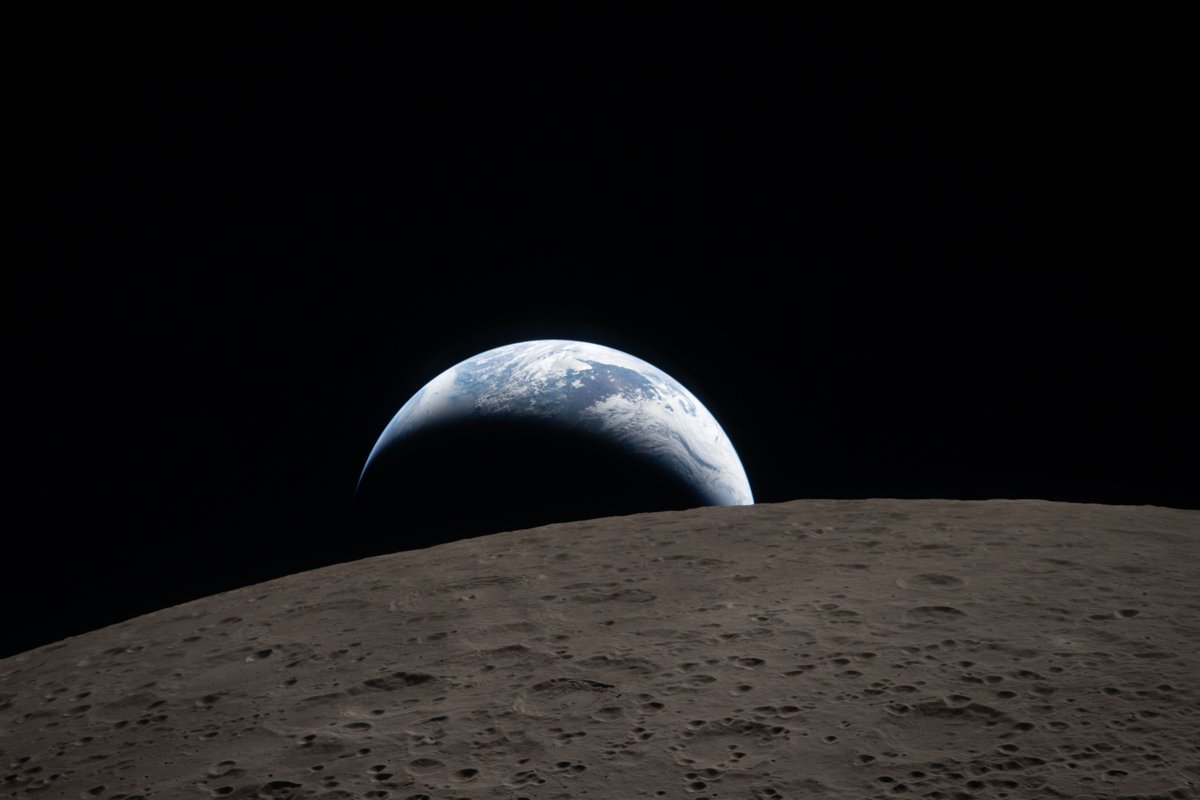
Here’s a taste of what the Artemis II astronauts photographed during their flight around the Moon. Check out more photos from the mission: https://t.co/rzM1P0QbOl
A complete time lapse of the Artemis 2 solar eclipse, with that the fly by moon science observation sessions are complete! We are going to get excellent images and footage in a few hours.
I think the high res photos will end up here soon:
https://t.co/77h2Pvxvca
There it is! That’s us — that’s home!
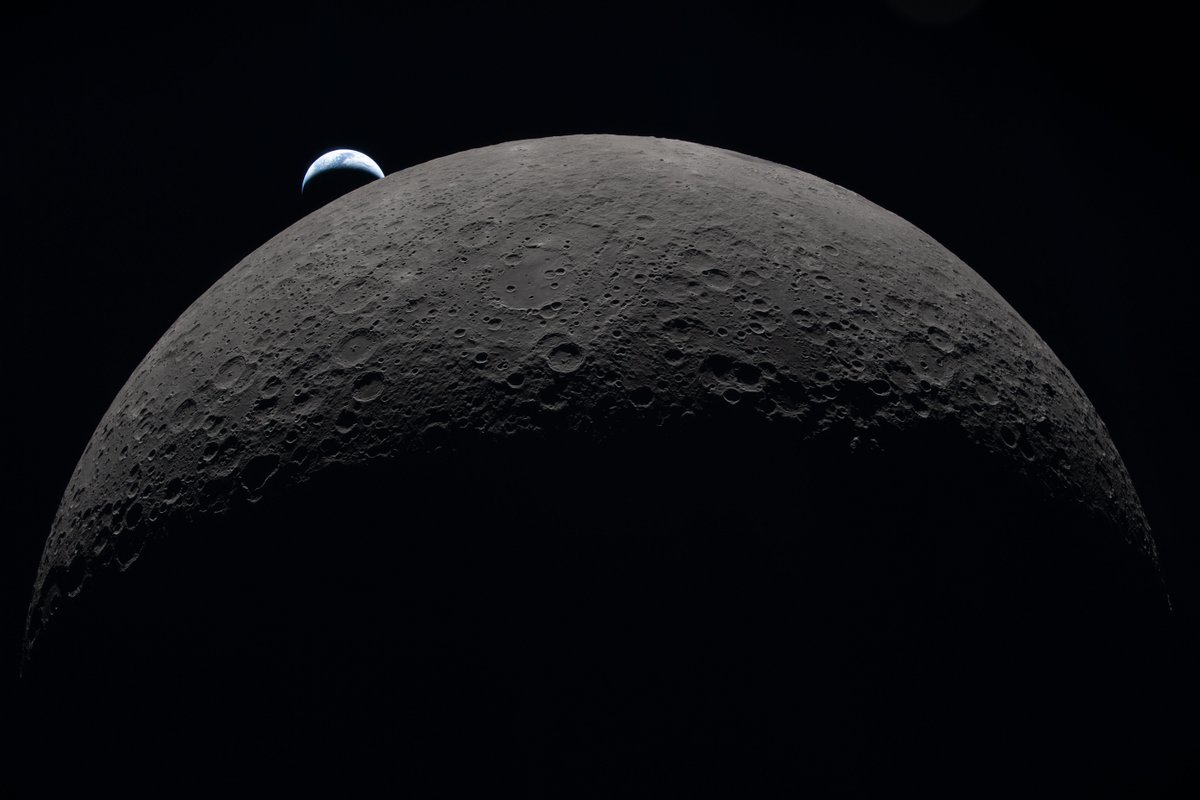
As the Artemis II crew swings around the Moon, they will soon experience an “Earth set” before our home planet reappears about 40 minutes later.
This view was captured from one of Orion’s solar array cameras. I can’t wait to see the views captured by the crew with their onboard cameras once they are downlinked!
We see our home planet as a whole, lit up in spectacular blues and browns. A green aurora even lights up the atmosphere. That's us, together, watching as our astronauts make their journey to the Moon.
Good morning, world! 🌎
We have spectacular new high-resolution images of our home planet, all of us looking back through the Orion capsule window at our Artemis II astronauts as they continue their journey to the Moon.
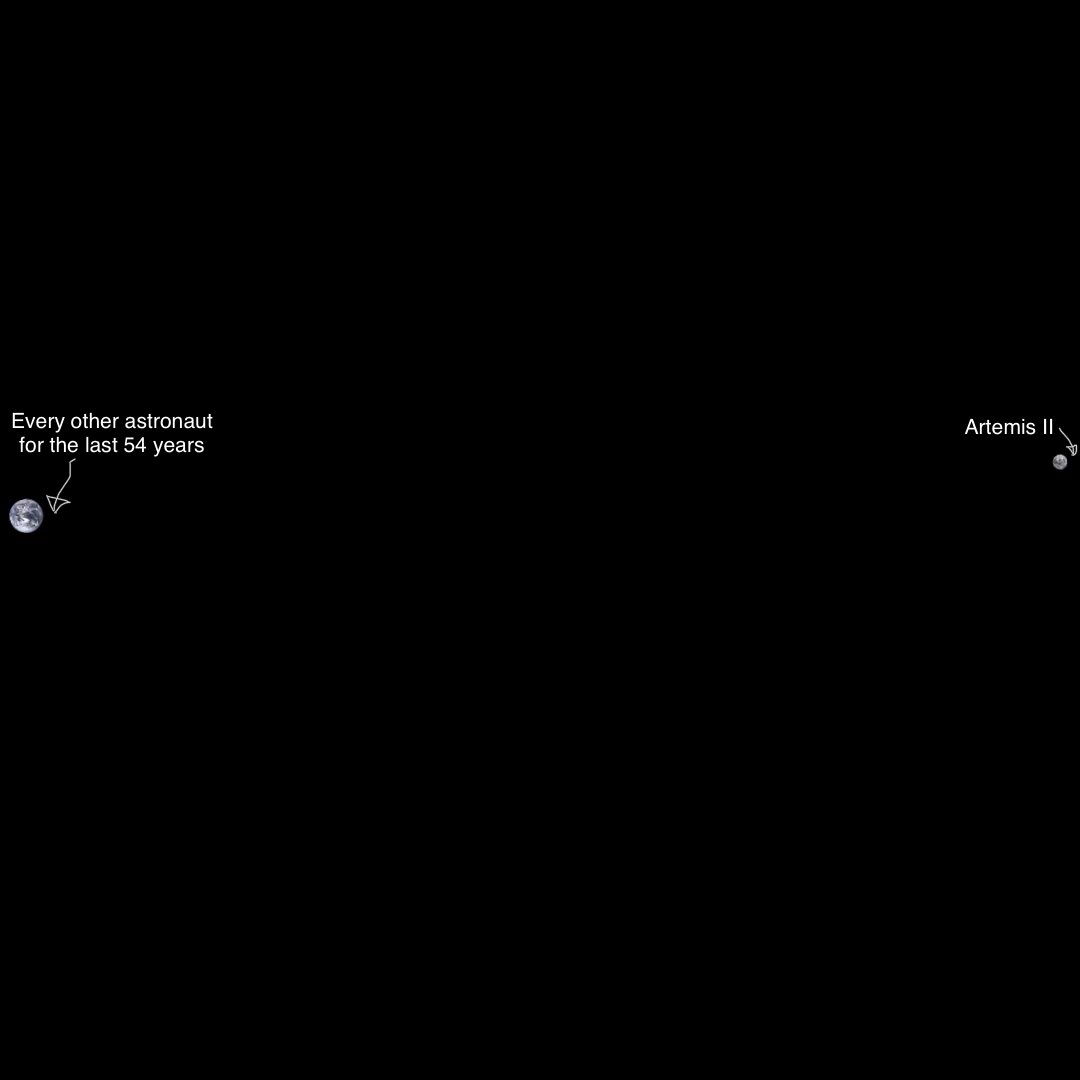
For the first time in over 50 years, humans are Moonbound.
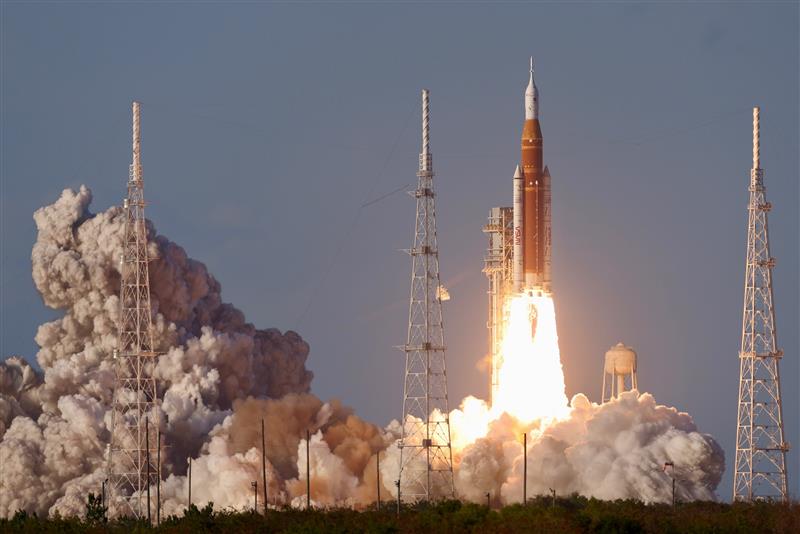
At 6:35 p.m. EDT (2235 UTC) NASA’s Space Launch System rocket and the Orion spacecraft lifted off from the agency’s Kennedy Space Center in Florida, sending four astronauts on a planned test flight around the Moon and back. https://t.co/0Q9ZB4IWVI
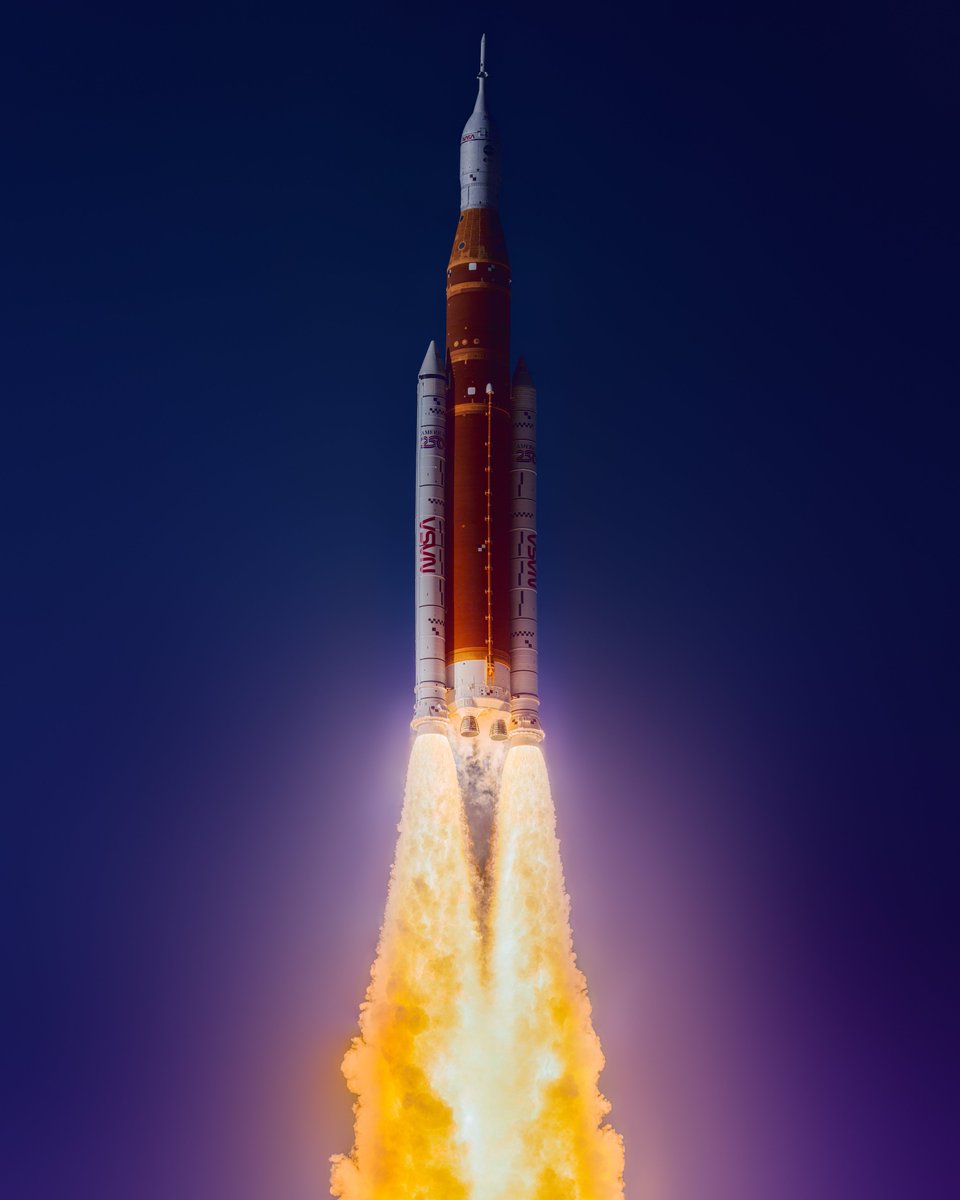
Liftoff.
The Artemis II mission launched from @NASAKennedy at 6:35pm ET (2235 UTC), propelling four astronauts on a journey around the Moon.
Artemis II will pave the way for future Moon landings, as well as the next giant leap — astronauts on Mars.
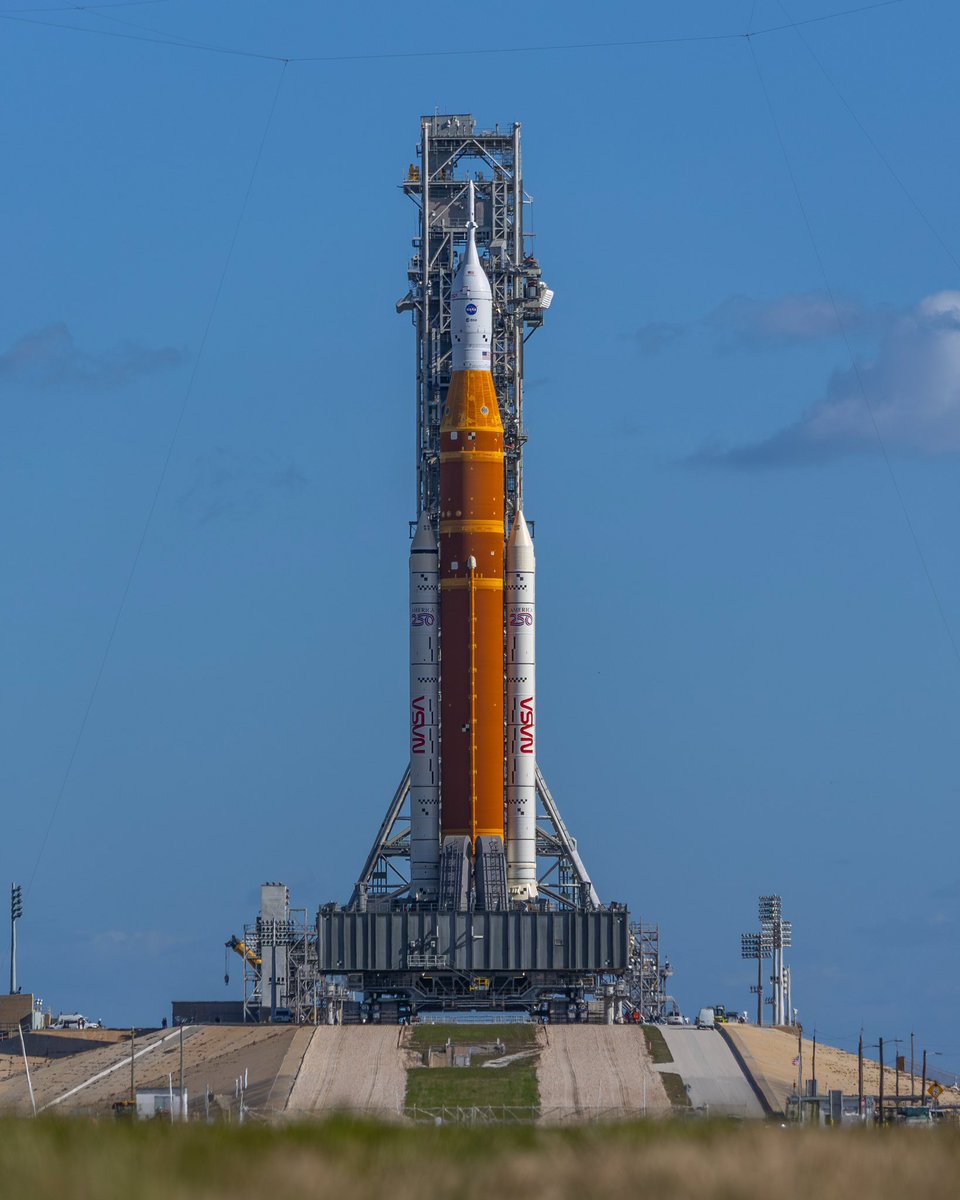
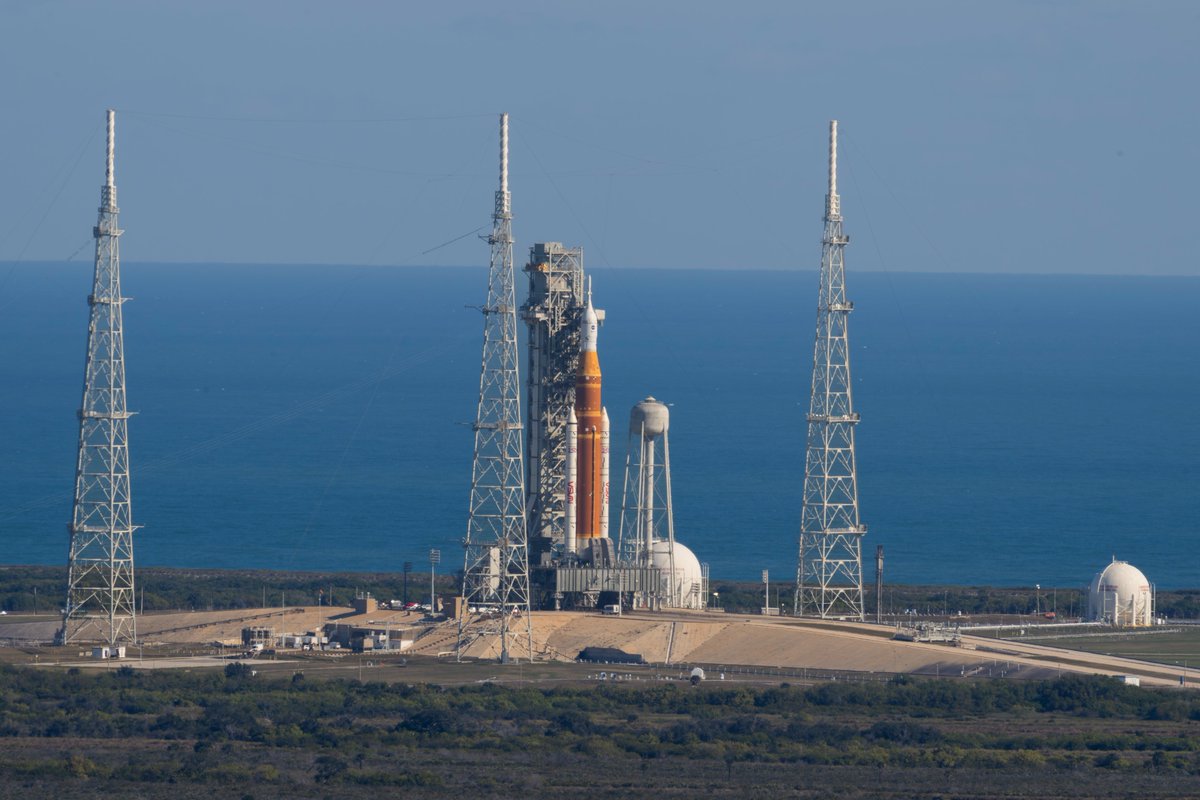
Due to weather, we now plan to fuel our Artemis II Moon rocket on Monday, Feb. 2, at Kennedy Space Center in Florida. With this adjustment, the earliest possible launch date is Sunday, Feb. 8. A launch date will be set after teams have reviewed the results of the wet dress rehearsal. Read more: https://t.co/eNxx6YcGbv