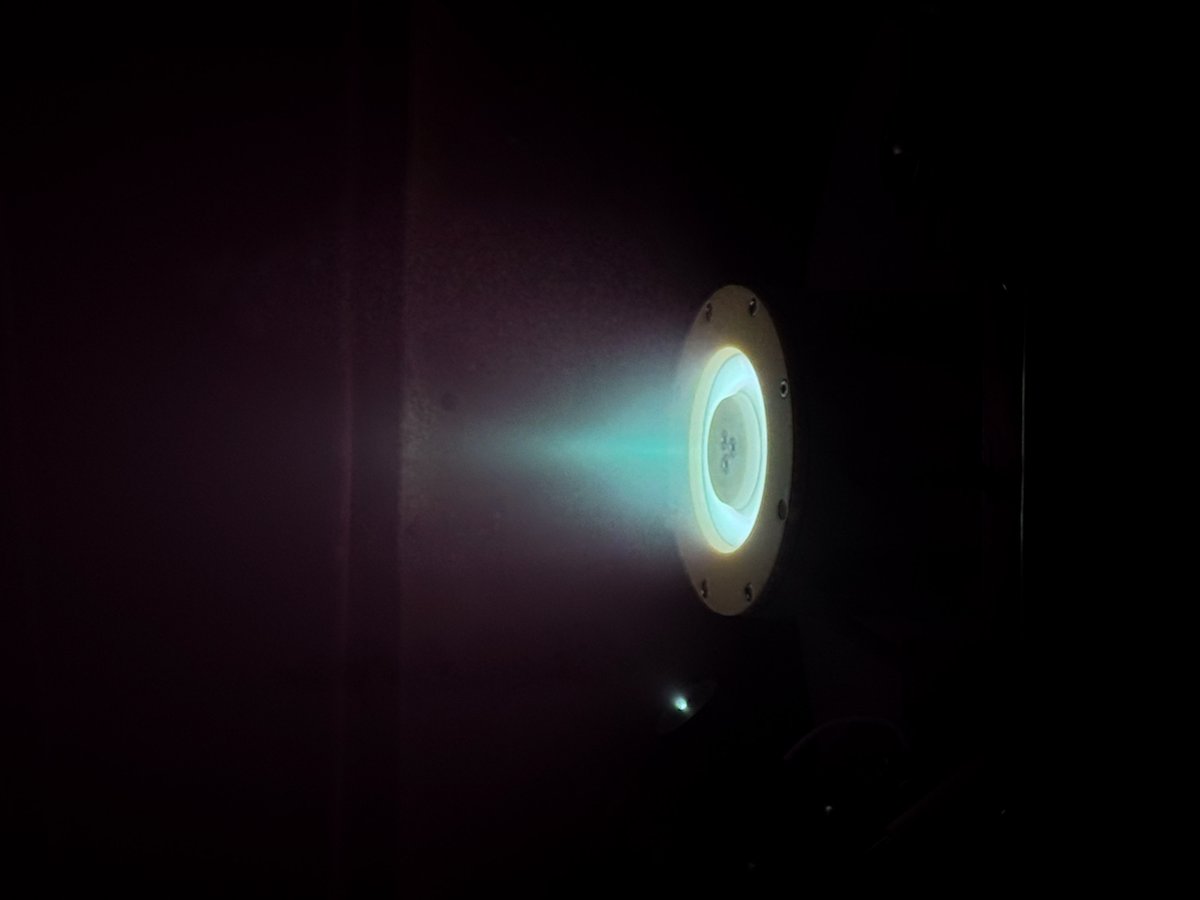
Sharing one of the coolest photos from @gengalactic last year. We went from clean sheet design to operating a next-generation Hall thruster in a vacuum chamber in 43 days!
This is a fully in-house design (not licensed) and among the first commercial thrusters intended for a wide variety of propellants.
And we've got several other major wins to share soon, but more on that later.
By far the hardest part of this was manufacturing. There are so few machinists that can work with ceramics and magnetics, even in LA.
We'll be vertically integrating a lot more of the manufacturing processes moving forward.
@JackKuhr@itsmoislam@itsmoislam captured it well—there’s little incentive for a data center-focused SpaceX to launch commercial payloads on Starship. Not to mention the fact that most of these “built for Starship” sats can’t fit through the pez dispenser.
General Galactic, cofounded by a former SpaceX engineer, plans to test its water-based propellant this fall. If successful, it could help usher in a new era of space travel. That's a big “if.” https://t.co/5Geb8zSo3U
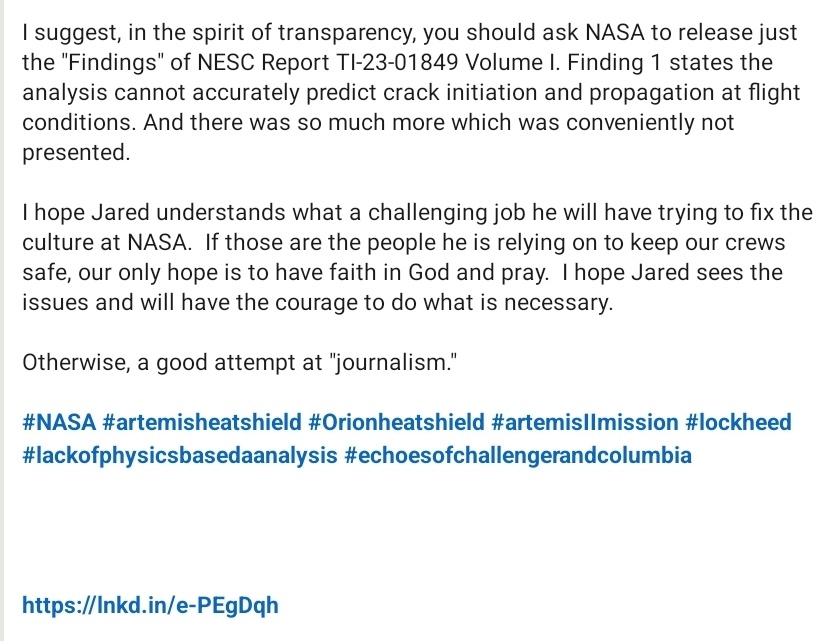
This article sparked a controversy with Charles Camarda, former astronaut and thermal expert attending the meeting. He replied on Linkedin. I have copied his response here for the sake of transparency, since he didn’t seem 100% in agreemeht with the article.
"hey man I know you're worried the trucking company might lay you off soon and you're behind on the mortgage, but Kalshi is offering 3 to 1 on 46,000+ trucker layoffs in Q1 so you might want to hedge that risk out"
@rhZhao Doesn't look like the side engines were lit though? Unless you mean recirculation on ascent or reentry burn that only caused issue during the landing burn?
@TechSpatiales Je ne parle pas des cubesats, regardez plutôt des choses comme Mira. Je sais qu'il n'y a pas d'argument économique, autre que contribuer à l'expansion du secteur, mais SpaceX le fait quand même. C'est pour ça que j'ai dit “j’èspére”