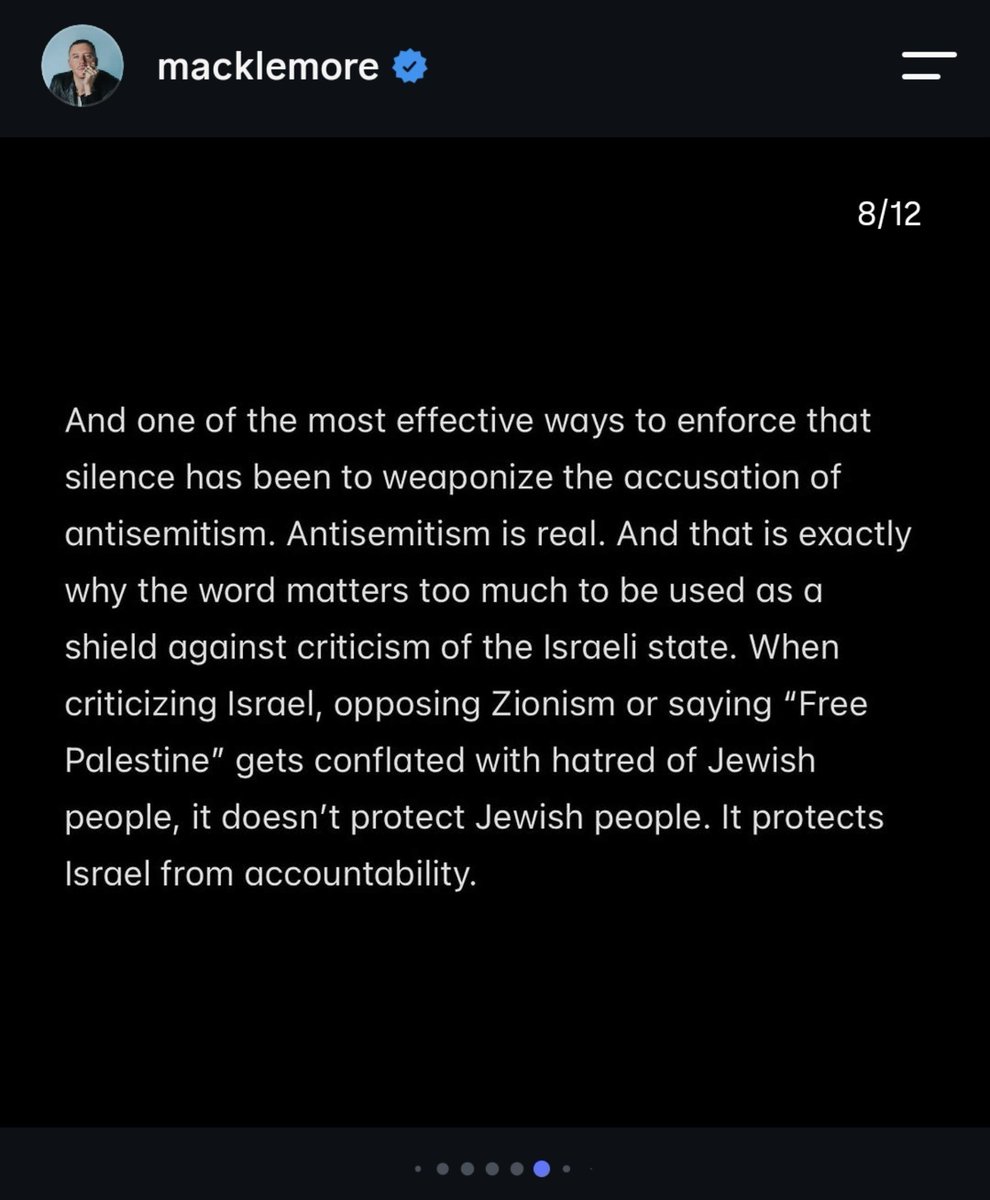
Our owners may be guilty of overseeing a wide range of humanitarian abuses as well as being complicit in murder and other crimes, but I’m fairly sure they’ve done it all with valid COVID certification. Blood on Sunderland’s hands here imo #safc#nufc
🚨 POINTLESS STAT OF THE DAY #032
Yesterday’s Zian Flemming stat prompted @Ryan91715575 to ask who has the most Premier League assists WITHOUT ever scoring a goal?
Thanks Ryan. This ruined my evening. 😂
One helpful chap suggested Vladimír Coufal with 19.
Very good. But wrong. 🤓
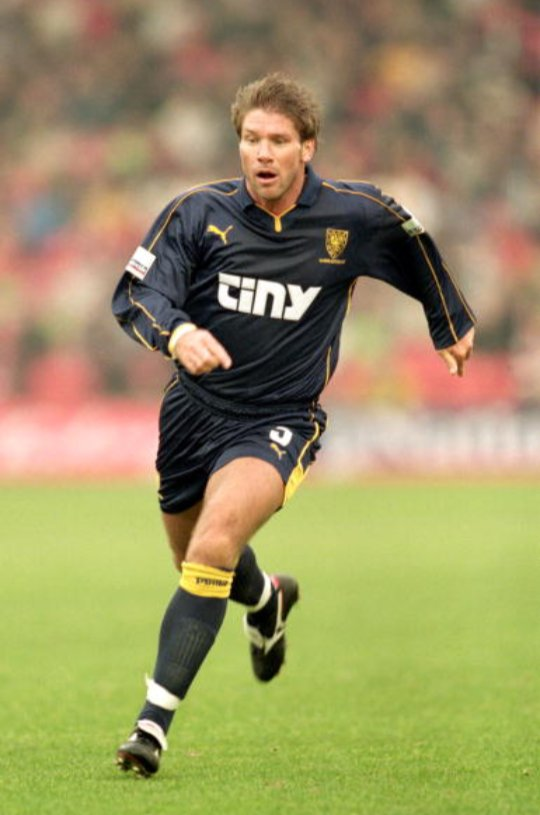
The answer is former Wimbledon left-back Alan Kimble.
🥇 Alan Kimble - 24 assists | 0 goals |181 apps
🥈 Vladimír Coufal - 19 assists | 0 goals | 147 apps
🥉 Kenny Cunningham - 16 assists | 0 goals | 335 apps
Rob Jones - 11 assists | 0 goals | 155 apps
Kostas Tsimikas -10 assists | 0 goals | 67 apps*
So yesterday we had a focus on Zian Flemming with goals and no assists and today Alan Kimble assists but no goals. Somewhere out there is the Premier League footballer who did neither. Please don't ask me to find him. 😂
Use this information wisely. 🤓
🚨POINTLESS STAT OF THE DAY #026
Ipswich signed Zian Flemming last night.
Last season he scored 11 Premier League goals for Burnley but assisted absolutely none which puts him FIFTH on the all-time Premier League leaderboard for most career goals without registering a single assist:
🥇 Branko Strupar 15
🥈 Eli Junior Kroupi 13
🥈 Bafétimbi Gomis 13
4️⃣ Jhon Durán 12
5️⃣ Zian Flemming 11
So Flemming starts his Ipswich career just four goals away from the record.
The problem? One successful pass in the penalty area could ruin the entire thing.
Can he reach No.1 before accidentally setting someone up? 👀
🧐 Use this information wisely.
If you’d told me 6 weeks ago we’d be going into the final day of the transfer window, sitting 2 points below Hull City and preparing a contract extension for Joe Willock I’d have believed it completely.
The Irish famine was not caused by a potato blight. It was caused by a law passed in 1663, and the blight simply arrived to collect.
Ships left Cork the whole time it was happening, carrying butter and bacon under armed guard, past people dying on the quayside.
The version taught in schools is a fungus. Blight arrives, potatoes rot, tragedy. It leaves out why eight and a half million people were standing on one South American tuber to begin with, and that part is not weather. It has dates and it has signatures.
Ireland had cattle before it had writing. The national epic is a war over a stolen bull. Wealth was counted in cows, rank was counted in cows, and for a thousand years the country ran on beef, milk and butter.
Then in 1663 the English parliament taxed Irish cattle out of the English market, and in 1666 banned them outright, in an act that called the importing of them a common nuisance. Ireland was pushed into salt beef, hides and butter for the navy, the colonies and the slave plantations. Produced on Irish land, sold out of Irish ports, eaten somewhere else. The good ground was reorganised around what would survive a sea voyage.
What was left for the people was the crop that feeds a family off a quarter of an acre of bad land. That is not a folk tradition. That is what you are reduced to when the field behind your house is producing somebody else's dinner.
In 1845 the crop failed and the food kept leaving.
Butter, bacon, ham and live cattle going out of Cork and Limerick and Waterford while the workhouses filled. The relief that existed came with the Gregory Clause: hold more than a quarter acre of land and you were entitled to nothing. Give up the ground or starve on it. Somebody sat down and drafted that.
A million dead. A million gone. Eight and a half million down to six and a half in six years, and Ireland is the only country in Europe with fewer people in it now than in 1840.
The lesson everyone takes is about the fragility of monocultures, which is a comfortable lesson, because it blames a plant.
Nobody starves for want of food in a country that is exporting it. They starve because two centuries of decisions, taken by men who were never going to be hungry, left them one thing to eat and that thing could fail all at once.
Ireland's cattle are now the subject of national emissions targets, and the argument is once again about what that land ought to be producing, conducted by people who will not be eating the outcome either way.
The blight came in 1845. The reason it killed a million people was drafted in 1663.