Use of #BloodBasedBiomarkers for #AlzheimerDisease in US clinical practice increased rapidly from Q1 2025 to Q2 2026 in a nationwide electronic health record analysis.
Most test orders were for phosphorylated tau, most were placed in outpatient or laboratory settings, and more than 90% of patients had documented dementia or cognitive symptoms before testing, consistent with use in symptomatic patients.
https://t.co/mbxer0Do1a
📈 Among cognitively unimpaired adults, higher plasma #pTau217 and older age were associated with higher 5-year and 10-year risk of mild cognitive impairment and dementia, supporting individualized prognosis in preclinical #AlzheimersDisease. https://t.co/NRWJRWOhCd
This spring, US government directives suspended all J1 visa appointments. While eventually lifted, International Medical Graduates seeking residency in the states worried their dreams might be slipping away. Read one neurologist's story of resilience here: https://t.co/eVDofOGRZ9
New #FDA approval: Sunharbo (asundexian) is now approved with antiplatelet therapy for adults following recent noncardioembolic ischemic stroke or high-risk TIA. In OCEANIC-STROKE, treatment reduced ischemic stroke by 26% vs placebo, without an overall increase in major bleeding.
https://t.co/5XIk6GH0iX
@BayerUS #Stroke #IschemicStroke #TIA #SecondaryStrokePrevention #Neurology
Among patients with relapsing #MultipleSclerosis, earlier and continuous ocrelizumab treatment was associated with better long-term relapse and disability control than delayed initiation after interferon beta-1a. https://t.co/4L4b08N0aT
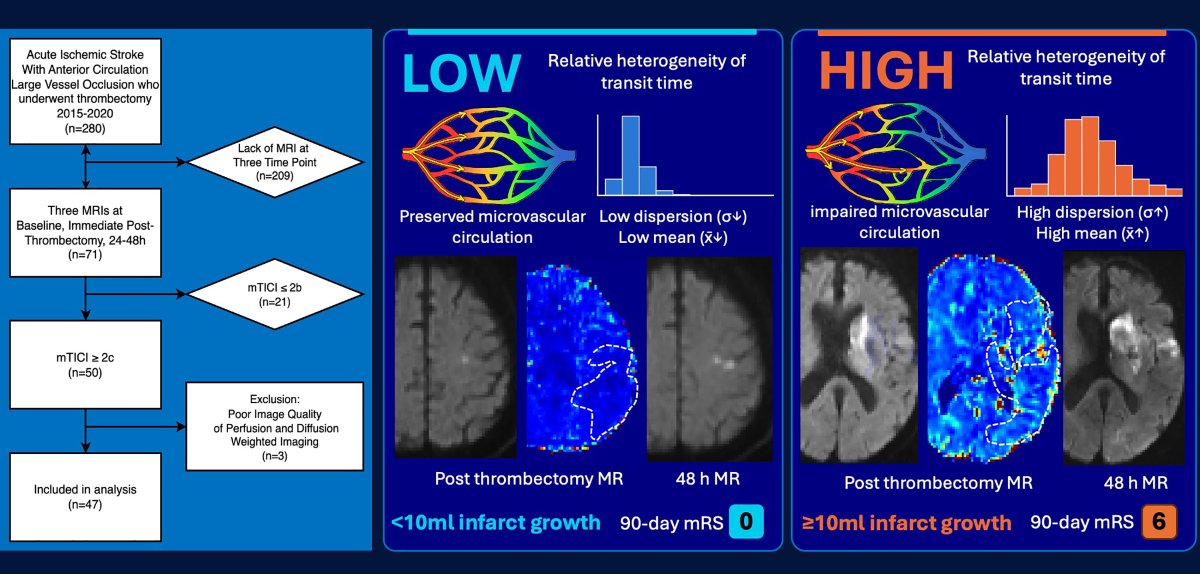
🧵 #Stroke November #EditorPick and Cover Figure: Despite excellent reperfusion post-EVT, increased peri-infarct relative heterogeneity of capillary transit time was associated with infarct growth and poor outcome.
Earlier Ocrevus treatment was linked to greater long-term disability prevention in relapsing MS, with benefits persisting through 10 years of follow-up in OPERA I and II.
https://t.co/7D4kEIZ7NP
@genentech@MSassociation@ACTRIMS#MultipleSclerosis#MS#Ocrevus
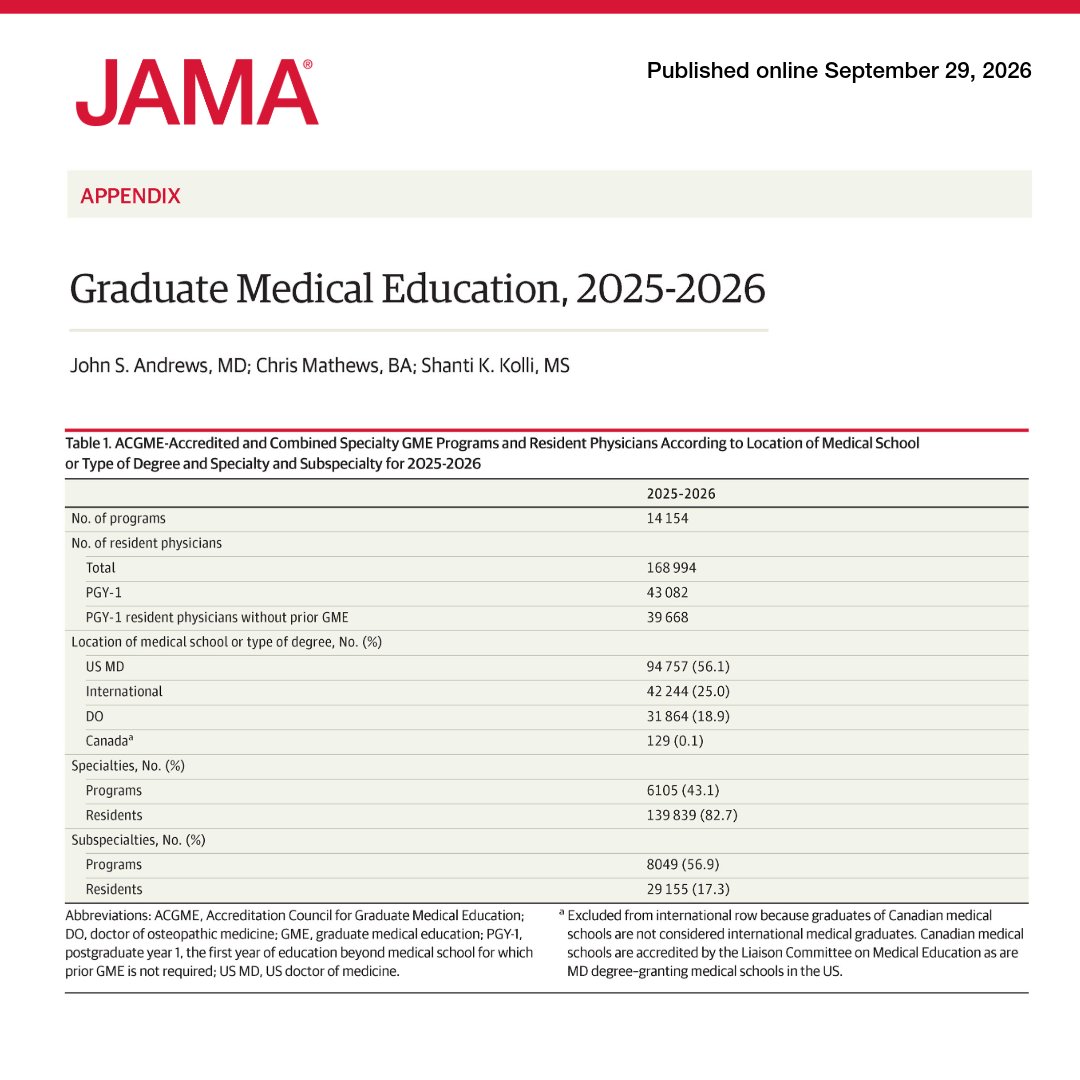
🧵 US #Graduate#MedEd included more than 14 000 actively accredited programs and nearly 169 000 active resident #physicians in 2025-2026, including more than 43 000 #postgraduate year 1 positions.
Most active resident physicians graduated from US MD-granting schools, while international medical graduates and graduates of #osteopathic schools continued to represent substantial shares of the training pipeline. Most trainees were in specialty rather than subspecialty programs.
https://t.co/IfwFPpeTNL
Systematic screening for diagnostic red flags may help reduce #MultipleSclerosis misclassification in patients with #NMOSD or #MOGAD.
A study presented at #MSToronto2026 found that only 2.3% and 4.8% of patients, respectively, met the 2024 McDonald criteria after screening.
https://t.co/Qe9mqnGQ42
@ACTRIMS@ECTRIMS@mssociety
Presented at #ScientificSessions26:
In patients with previous ischemic stroke or transient ischemic attack, a systolic blood-pressure target below 120 mm Hg was associated with fewer major cardiovascular events than a target below 140 mm Hg. Full OPTIMAL-STROKE trial results: https://t.co/A6ge9TDbR2
@AHAScience
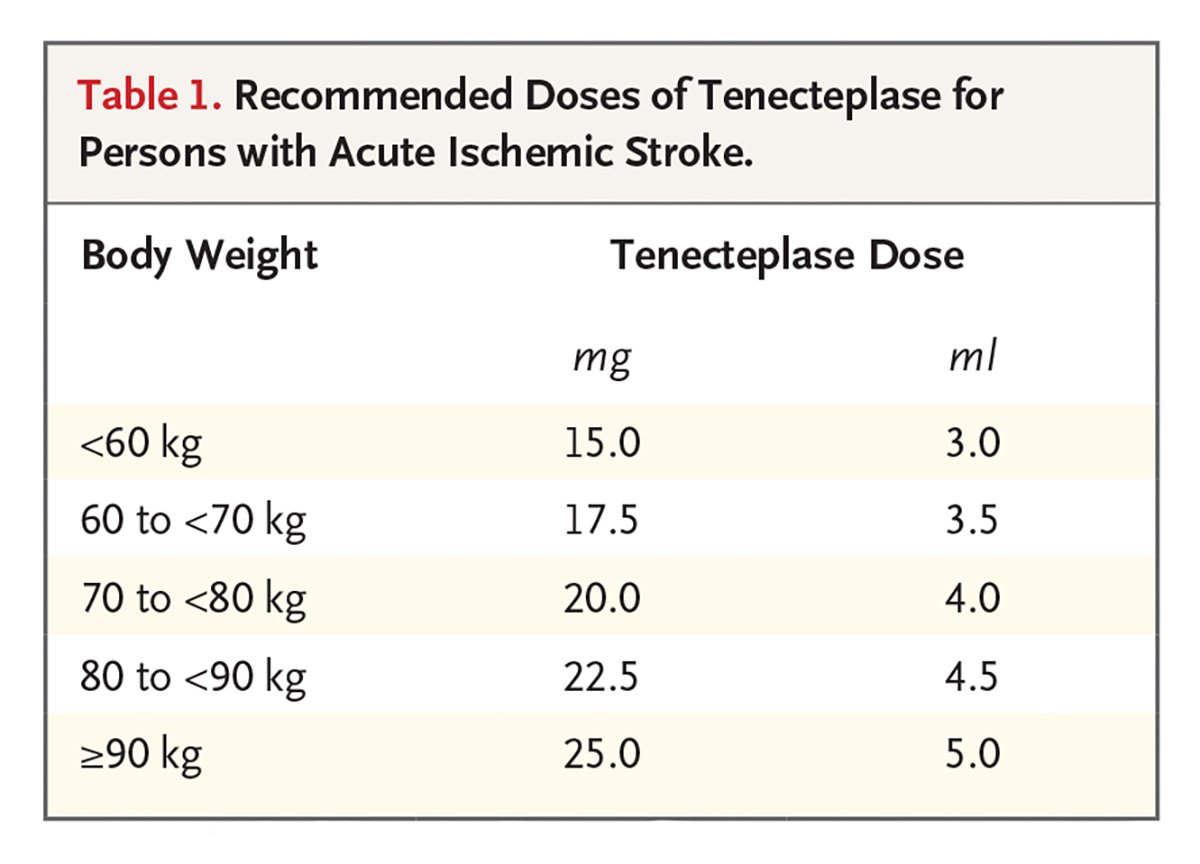
Among the biggest changes in intravenous thrombolysis practice in the past 5 years has been the increased use of tenecteplase over alteplase. Tenecteplase, a slightly modified form of tissue plasminogen activator, has more fibrin specificity and longer half-life than alteplase and therefore can be given more conveniently as a single bolus rather than the one-hour infusion needed for alteplase. In the past decade, tenecteplase has been tested in comparison with alteplase in patients with acute ischemic stroke. Although tenecteplase may result in higher rates of recanalization, trials have shown that clinical outcomes are essentially equivalent between the two drugs — or at least the conclusion can be made that tenecteplase is noninferior to alteplase in terms of benefit and safety. Largely on the basis of these noninferiority results, in 2025, the FDA approved the use of tenecteplase in patients with acute ischemic stroke. Although accurate patient weight is important to establish doses for both alteplase and tenecteplase, the tiered dosing of tenecteplase that was approved by the FDA (seen in table) makes rapid determination of the appropriate dose easier.
Read the Review Article “Intravenous Thrombolysis for Acute Ischemic Stroke — New Directions”: https://t.co/BRWqupKXjL
What options remain when highly active #tumefactive#MultipleSclerosis continues despite high-efficacy therapy?
Dr Waser, Dr Boggild, and Dr Wight report a case involving treatment escalation and the clinical course following autologous stem cell transplantation.
https://t.co/9nh9ezSool
@mssociety #MS #Neuroimmunology #AHSCT @ACTRIMS@TownsvilleHHS
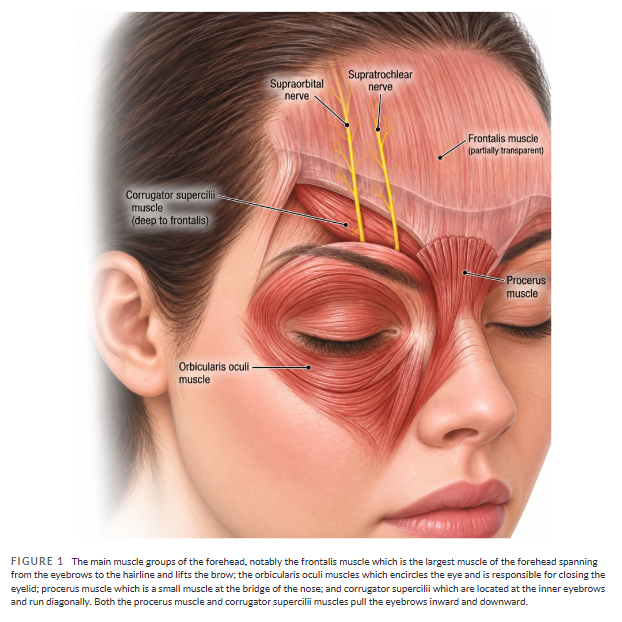
What does a small muscle above the eyebrow have to do with chronic #migraine treatment?
A new review explores the corrugator supercilii & its role in the history, mechanisms & injection technique of #onabotulinumtoxinA for CM.
@MdBlumenfeld et al
Read: https://t.co/7EbfDXmRbB
👀 The eyes may reveal more than you think!
Can eye movements help unlock the diagnosis of cerebellar ataxias? 🧠
Our new video-illustrated review explores key oculomotor clues and a practical approach to recognizing them in clinical practice. Collab UNIFESP and UFRN, my two almae matres!
🔗 https://t.co/vSoViEkYRR
#Ataxia #Neurology @MDCP_Journal@cgodeirojr is the great mastermind leading this teamwork.
Essential Evidence-Based Medicine by Dan Mayer, Barnet Eskin, David Nunan
A practical guide to critically evaluating health care literature and the principles of evidence-informed decision making.
📚 https://t.co/3jSWDkUmno
James C. Grotta, MD, reviews issues related to intravenous thrombolysis for stroke, including the choice of agent, dose, and timing and the relation to endovascular thrombectomy. Read the Review Article “Intravenous Thrombolysis for Acute Ischemic Stroke — New Directions”: https://t.co/BRWqupKXjL
How did John Snow revolutionise modern epidemiology during a devastating wave of cholera in London in the 1800s? And how is cholera still a scourge today in many countries requiring a multisectoral response?
Find out more in an episode of the #LancetVoice: https://t.co/OFHNx30bgz
General neurology is the foundation of every neurology supra-specialty!🧠
This superb review in @GreenJournal by @SanRaffaeleMI is a great chance to brush up on cranial neuropathies, with practical algorithms and clinical pearls.
This is what clinical reviews should be: clinically focused and practical, going beyond a narrative summary of the literature that AI could write!
👉🏼https://t.co/RzwSiJXGEj
#Neurology #NeuroTwitter
I have zero plans of ever letting myself fall victim to the idea that as an adult you aren't allowed to have fun and enjoy things. I'm going to be a nerd, dress up, play games, watch movies, buy merch, and talk about things I enjoy until I die
After both ECTRIMS2026 and American Neurological Association, I was reflecting on how #autoantibody-mediated neurological diseases are such precise clinical and biological entities. Few other diseases carry such homogeneity.
In 2023, @EoinFlanagan14@adrianbudhram1 and I proposed it would be better to split, rather than lump. We suggested that the antibody itself - especially when highly specific - should be the gateway to diagnosis.
The fundamental demographics, clinical features and biological characteristics differ so markedly (see table) based on the antigen
It’s a key theme across our two main 2026 reviews and calls for a rethink re nomenclature of these conditions.
https://t.co/IVXcl4UKYS
@TheLancet
https://t.co/x26K2iOtne
@Brain1878
The autoantigen defines so so so much! It must be put at the center.