New milestone: we trained a robot foundation model on a world model backbone, and enabled zero-shot, open-world prompting capability for new verbs, nouns, and environments. If the world model can "dream" the right future in pixels, then the robot can execute well in motors. We call it "DreamZero", our first World Action Model (WAM).
Our team had tons of fun at the lab typing anything we like into an open text prompt, and watch the robot perform tasks it was never trained on. An emergent capability we didn't quite expect. Obviously not GPT-3 reliable yet, but we are marching into the GPT-2 era.
Discoveries:
- Model and data recipe co-evolve. Compared to VLAs, WAMs learn best from diverse data, breaking away from the conventional wisdom that lots of repeated demos per task are the bread and butter. Diversity >> repetitions.
- X-embodiment is extremely hard. Pixels are the answer. Different robot morphologies traditionally have a hard time sharing knowledge well. But if we put video first, pixels become the universal bridge connecting different hardware - even videos of human first-person view.
DreamZero shows significant robot2robot and human2robot transfer. With only 55 trajectories on a *new*, unseen hardware (~30 min of teleop), it adapts so quickly and retains zero-shot prompting ability.
Yesterday I posted about the "Second Pre-training Paradigm": world models are the next-gen foundation of Physical AI, not language backbones.
Today, we are proving it works. And 2026 has just begun.
Paper: World Action Models are Zero-Shot Policies.
Read it now: (thread)
So many humanoids and rollanoids being shown off at CES. "How safe is it?" was the big question everyone was asking.
I really don't understand why existing industrial safety solutions are not being used. Even if it is a temporary solution until we develop new solutions.
#CES2026 is a great reminder that fast-moving robots need solid foundations.
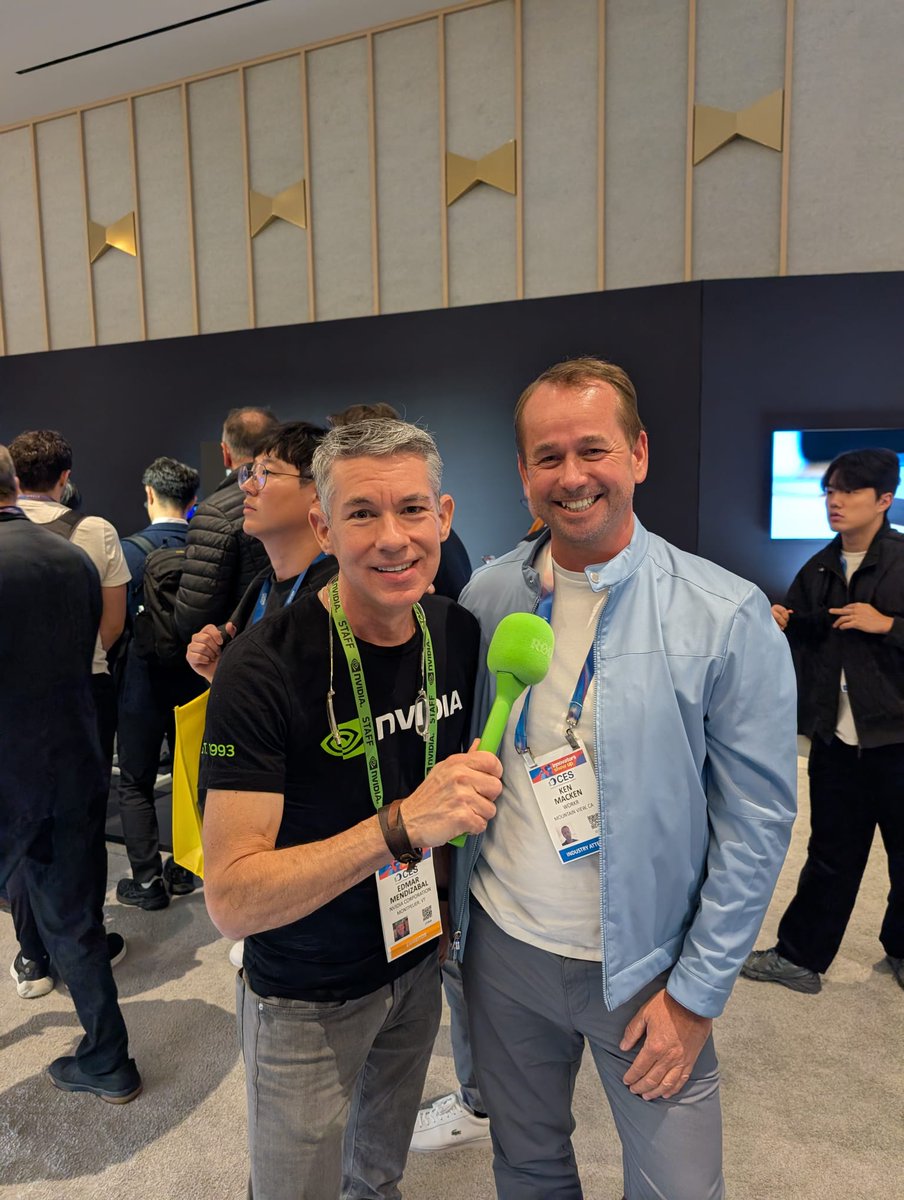
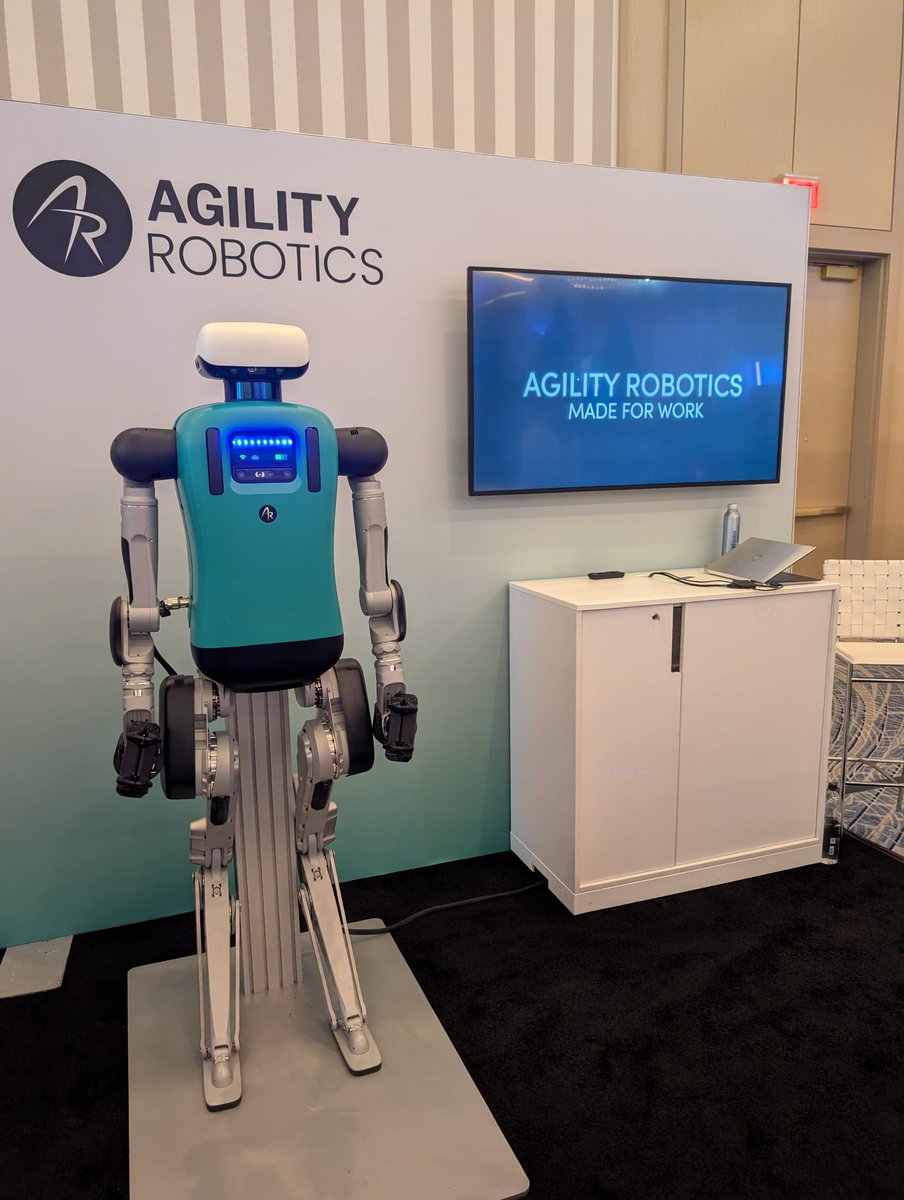
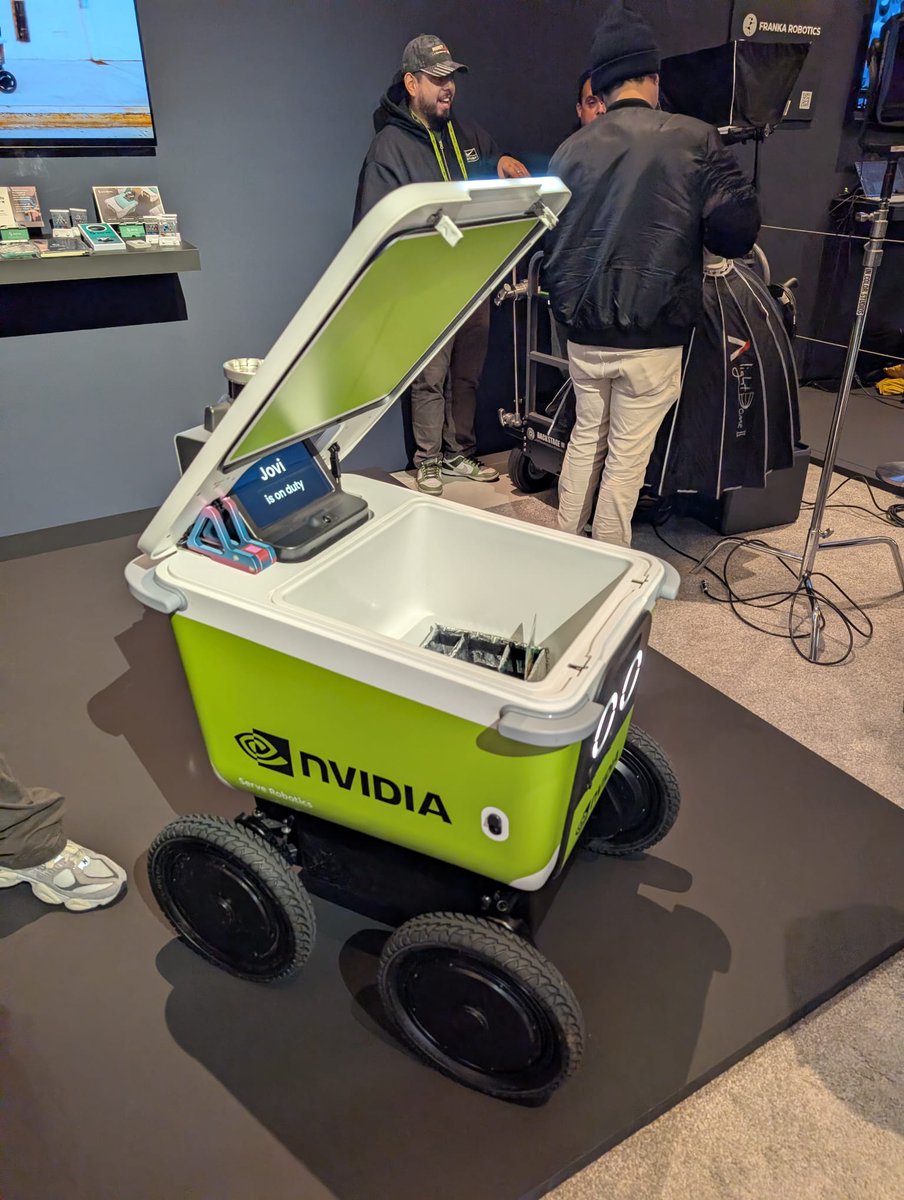
Seeing @agilityrobotics, @ServeRobotics, @mack2it & @edmendi together at the @nvidia booth makes it clear why we run an NVIDIA stack at Workr.
Strong foundations keep robots working shift after shift.
NEWS: Boston Dynamics has announced that it will begin manufacturing the new version of its Atlas robot immediately.
• Fleets scheduled to ship to Hyundai & Google DeepMind in coming months. More customers in early 2027
• 4 hour battery
• Operating temp range: -4° to 104° F
• Safety features include human detection and fenceless guarding, and it can be integrated into workflows using barcode scanners or RFID.
• Self-swappable battery for continuous operation
• 6 feet 2 inches tall
• Weight: 198 lbs
• 56 total degrees of freedom
• Now fully electric, ditching older hydraulic systems
• New lightweight mix of aluminum and titanium components
• 110 lbs weight capacity (66 lbs sustained)
• Can reach up to 7.5 ft
• Constantly evaluates its surroundings and adjusts its posture, balance, and grip in real time
• Hands that can reconfigure as needed. Tactile sensors feed data back into the system, helping apply the right amount of force
• Brain is powered by Nvidia chips
No word on pricing. Hyundai is preparing to deploy tens of thousands of Boston Dynamics’ robots into its own manufacturing facilities.
Making a robot work 90% of the time is just the first nine. Achieving the subsequent levels of reliability (99%, 99.9%, etc.) requires a constant, massive amount of work for every single decimal point.
In manufacturing robotics, 99.99% is MVP
Three minutes instead of three weeks. That's the difference @nvidia 's technology is helping us deliver to high-mix manufacturers.
Thanks to the NVIDIA Inception team for spotlighting our work & supporting our mission to democratize industrial automation.
https://t.co/jOpXhsl9iH
Slate... Love this truck and the principles behind its creation.
- $20k price tag
- Fully customizable
- Electric pickup
- Made in USA
I can't wait to get one ⚡🛻
https://t.co/oq8TzEbu84
The real robotics race isn't a marathon, it's a sprint for intelligence. China's hardware push is impressive, but the US needs to dominate the AI that makes robots truly useful. My latest article breaks it down: https://t.co/159q6QPqK2
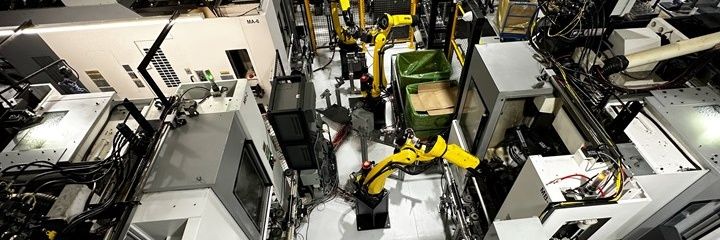
@aphysicist Here @workr_labs we are making robotic machine tending accessible for high mix, low volume manufacturers. Less than 2 minutes to train a robot how to identify, handle and load/unload CNC lathes and mills. Our mission is to make robotics accessible to all levels of manufacturers.