How have we forgotten so much of our own Tamil history?
In 1311 CE, the Pandya kingdom was weakened by a struggle between rival princes. Into that divided country came Malik Kafur, the commander of Alauddin Khalji.
His army plundered towns and temples and carried away enormous wealth. Further invasions followed. Delhi established its authority in the south, and around 1334–35, its governor at Madurai declared independence.
That was the beginning of the independent Madurai Sultanate.
Ibn Battuta, the Moroccan Muslim traveller who was connected to the sultan Sultan Ghiyasuddin Muhammad Damghani. family by marriage, described captured Hindu men being impaled and women and children being killed. He was appalled enough to condemn the practice himself.
These were people living in the Tamil country. Families whose names we will never know. Their suffering survives in a few sentences in a traveller’s account.
Temples were damaged, worship was disrupted, and sacred images had to be carried away for protection. The processional murthy of Ranganatha was taken from Srirangam and preserved through years of refuge before finally returning.
Imagine having to leave your home carrying the very god you had always gone to for protection.
The Hoysala king Vira Ballala III fought the sultanate and tried to reverse its advance. His campaign ended in disaster.
He was captured. According to Ibn Battuta, his wealth was extracted while he was promised release. He was then killed, and his skin was stuffed with straw and displayed on Madurai’s walls.
And then came Kumara Kampana, the son of Bukka Raya, one of the founders of Vijayanagara.
A Hindu prince from the Kannada country took up the campaign that helped restore the devastated sacred life of the Tamil country.
He first established his power in the northern Tamil region and then advanced against Madurai. Commanders including Gopana and Saluva Mangu helped carry out that enterprise.
His wife, Gangadevi, recorded the struggle in Madhuravijayam, a Sanskrit mahakavya.
She described ruined shrines, interrupted worship, neglected waterways and suffering people.
In the poem, a mysterious divine woman appears before Kampana and gives him a sword associated with the Pandya kings, sent through the sage Agastya. She charges him with delivering Madurai.
It reads like a scene from a bahubali Movie, but Gangadevi wrote it centuries ago.
And then came something more moving than the description of any battle.
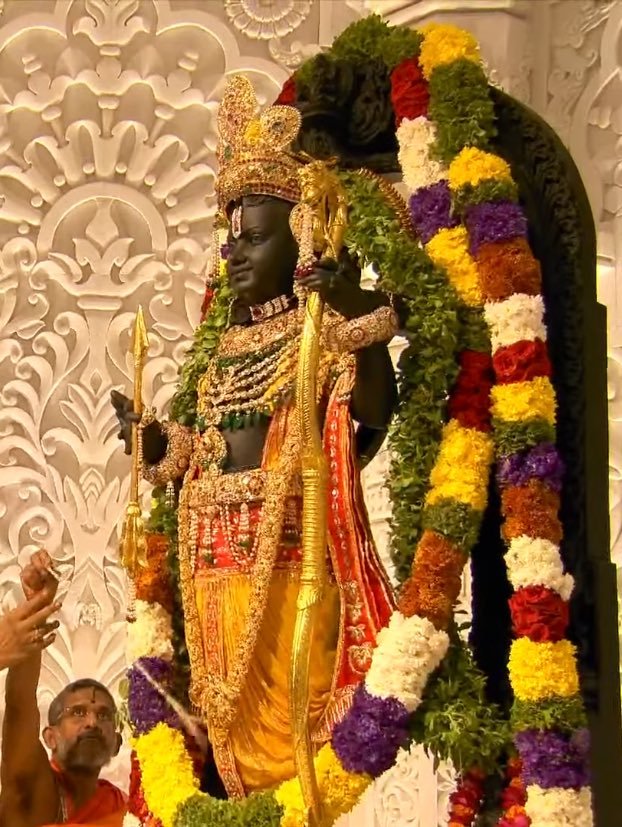
Ranganatha came home.
Its last ruler, Alauddin Sikandar Shah,fled to a cave on Tirupparankundram hill, where he was overtaken and killed.
Gangadevi gives the battle a dramatic climax. Kampana and the sultan fight on horseback. Kampana draws his sword and cuts off his opponent’s head. She describes the defeated rider’s body momentarily retaining its fighting posture.
Now look at Tirupparankundram today.
A hill sacred to Murugan. A shrine associated, in that tradition, with the final ruler of the Madurai Sultanate. And devotees fighting through the courts to light a lamp at the Deepathoon.
This is the historical irony I find so painful.
Kampana’s story also tells us something about the relationship between our languages and our faith.
A Kannada-region dynasty helped restore Tamil temples. Later, Telugu-speaking Nayaka rulers became major patrons of Tamil temple life, architecture and religious institutions.
Tamil culture continued to flourish under rulers whose mother tongue could be different from that of their subjects. Shared Hindu civilization connect them to the sacred life of the country they governed.
That achievement deserves to be remembered honestly and with gratitude.
Did Gangadevi imagine that the descendants of the people whose suffering she described would face this under a government of their own?
Would Kampana understand why, with freedom, courts, police and an entire administration available, a permitted ceremony could still fail to happen?
@laalrangg@ajeetbharti बिल्कुल। भारत में कई महापुरुष हुए हैं जिनमें से एक अम्बेडकर भी हैं। उनका जीवन प्रेरणादाई अवश्य हो सकता है परंतु कोई निंदा ही नहीं कर सकता ऐसा संभव नहीं।
@laalrangg@ajeetbharti अम्बेडकर पर टिप्पणी करना क्यों गलत है!? कोई महात्मा बुद्ध के बारे में गलत कहे तो निंदा कर सकते हैं परन्तु अम्बेडकर को भगवान बनाना गलत ही रहेगा।
The Deepam episode should serve as a lesson for all those who believe that Ram Mandir happened because of the SC. Had it been a Congress government at the Centre, they would have created a loop of review petitions, denying Hindus their temple. Lazy commentators must introspect.
The TVK government’s wilful disobedience with the Supreme Court’s order in the Karthigai Deepam matter raises three serious questions.
1. When Hindu devotees pursue the constitutional path of approaching courts for relief, but the State chooses the unconstitutional path of defying a judicial order merely because it is not to its liking, will those who pursued constitutional remedies in the first place continue to have faith in them?
2. If elected governments begin to selectively obey judicial orders and wilfully defy even the Supreme Court, what remains of the rule of law and our constitutional scheme?
3. Public faith in the judicial process is already under strain owing to delays in the enforcement of contracts and judicial orders at the lower court level. If governments begin to wilfully defy even Supreme Court orders, what will become of the credibility, authority and constitutional role of the judiciary as an institution?
These are questions that transcend the Deepotsavam issue. They concern the very foundations of our constitutional democracy.
All eyes are now on the Supreme Court to see what action it takes to ensure that a dangerous precedent is not set, the majesty of the judiciary is upheld and the constitutional order is preserved.
ஒரு மாநில முதல்வர் அரசியல் சாசனம் தரும் உரிமையில் ஆட்சி நடத்துபவர். நீதிமன்றங்கள் ஜனநாயகத்தின் மாபெரும் தூண்களாக இங்கே நிற்கின்றன. நீதிமன்ற தீர்ப்புகளை ஒரு அரசானது தன் விருப்பு வெறுப்புக்கு உட்படுத்தாமல், அதை நேர்மையாக செயல்படுத்தும் போதுதான் அங்கே நீதியெனும் சமநிலை நிலவ முடியும்.
தற்போது திருப்பரங்குன்றம் தீபத்தூண் விவகாரத்தில் நீதிமன்ற தீர்ப்புகளை துச்சமாக நினைத்து தான்தோன்றித்தனமாக நடந்துகொண்டுள்ளது தவெக அரசு. நிச்சயமாக இதன் விளைவுகள் எவ்வளவு விபரீதமானது என்பதை சாமானியனாக என்னாலே தெளிவாக உணர முடிகிறது.
ஆனால், ஆளும் அரசாங்கத்திற்கு இது புரியவில்லை என்பது ஆச்சர்யமாக உள்ளது. உண்மையிலேயே, தமிழக முதல்வர் திரு விஜய் அவர்களை சுற்றியுள்ளவர்கள் அவரை தவறாக வழிநடத்துவதோடு அவரைச் சுற்றி மாயக்கோட்டை ஒன்றை கட்டியிருப்பதாகத் தெரிகிறது. இதை உடைக்கவில்லை என்றால் நஷ்டம் திரு விஜய் அவர்களுக்கே.
அரசியல், அறியாமை, கூட்டணி அழுத்தம் என்று என்ன காரணத்தைக் கூறினாலும் அரசியல் சாசன சட்டத்திற்கு உட்பட்டு ஆட்சியை நடத்துவோம் என உறுதியெடுத்த தவெக அரசாங்கம் அழிக்கவே முடியாத வரலாற்றுப் பிழையை இன்று நிகழ்த்திவிட்டது.
"आरक्षण तब तक जारी रहेगा, जब तक कि आखिरी ब्राह्मण आत्महत्या नहीं कर लेता"
-कहना है मराठा सेवा संघ के अध्यक्ष श्री खेडेकर का!
और इस बात पर जोरदार तालियां भी बजती हैं!
हमने fake atrocity की कहानियों से लोगों का इसकदर ब्रेनवॉश किया है कि सरेआम किसी समुदाय के खात्मे की बात करने में किसी को कोई बुराई नहीं नज़र आ रही!
आरक्षण अब समाजिक न्याय नहीं, इसी घृणा पर टिका है??
Once you stop bursting crackers, the narrative will shift towards diya and oil. There is no limit.
They’ve targeted even harmless festivals like Rakshabandhan.
Start being unapologetic. Don’t spend energy in virtue signaling for liberal validation.
𝐏𝐮𝐧𝐣𝐚𝐛 𝐥𝐨𝐠𝐬 𝟏,𝟏𝟓𝟐 𝐟𝐚𝐫𝐦 𝐟𝐢𝐫𝐞𝐬 𝐨𝐧 𝐃𝐢𝐰𝐚𝐥𝐢, 𝐬𝐡𝐚𝐫𝐩𝐞𝐬𝐭 𝐬𝐢𝐧𝐠𝐥𝐞-𝐝𝐚𝐲 𝐬𝐩𝐢𝐤𝐞 𝐭𝐡𝐢𝐬 𝐬𝐞𝐚𝐬𝐨𝐧
According to the latest data compiled under the Indian Space Research Organisation protocol, #Punjab has recorded 4,459 farm-fire incidents this season. Of these, 2,998 fields have been inspected, with 1,317 sites physically verified as cases of stubble burning.
Read more: https://t.co/er1YPBzBPA | @kamaljitsandhu
यह चौंकाने वाला वीडियो है!
देखिए कैसे पंजाब पुलिस एक हिंदू महंत को ड्रग केस में फंसाने की कोशिश कर रही है।
पंजाब के खन्ना में महंत कश्मीर गिरी के घर के CCTV फुटेज में एक पुलिस ऑफिसर गद्दे के नीचे कुछ रखते हुए दिख रहा है।
बाद में उसी जगह से नाटकीय ढंग से 30 ग्राम हेरोइन बरामद होने का दावा करके महंत को गिरफ्तार कर लिया गया।
According to World Bank's latest report, India's extreme poverty has fallen from 27.6% to just under 2.6%.
And for Indians living under Rs. 400 a day (lower middle income), it has come down from 57.7% of the population to 16.1%.
Remarkable achievement by India given the rupee depreciated and the inflationary pressure of a fast growing economy.
In 2018, I visited Rohingya bastis in Jammu
An intelligence (IB) officer told me he had recorded 1,548 Rohingya families living in the region by then
I asked one Rohingya, 60-year-old Sayed Hussain, how he ended up in faraway Jammu after crossing the border in West Bengal. “I boarded the first train I saw [at Kolkata station]. It was noon. The journey ended at Jammu," he said
Hussain said he was among the first Rohingya to have settled in Jammu’s Bhatindi area 10 years earlier
Another Rohingya, 27-year-old Mohammed Tahir, also gave the same reason
Later, the IB officer laughed at this explanation. Told me, “By all accounts, they boarded the Sealdah Express that crosses Bihar, Uttar Pradesh, and Punjab before reaching Jammu. It’s an arduous two-day journey. Why did they not get down at any of the stations in between?”
There is a syndicate active in Kolkata that has facilitated Rohingya migration to Jammu for years. They tell the Rohingya that the only Muslim-majority state in India is their "natural home"
Ironically, most settle in Hindu-majority Jammu and not Muslim-majority Kashmir. The officer showed me figures on how Rohingya are scattered over 42 sites across Jammu, meaning they are being settled all over the region, and many Army camps were now surrounded by them
In 2015, Abdur Rehman al Arkani, a Jihadi killed by security forces in south Kashmir, was from Rakhine from Myanmar. He went by pseudonym “Chota Burmi”
Role of several Rohingya men in helping Pakistani Jihadis trespass Jammu border had surfaced by then. They are considered experts in infiltration as they are deft in cutting the fence, know tunneling, and are skilled in camouflage. Plus, they have a victimhood narrative of being wronged by qafirs - the Buddhists of Myanmar
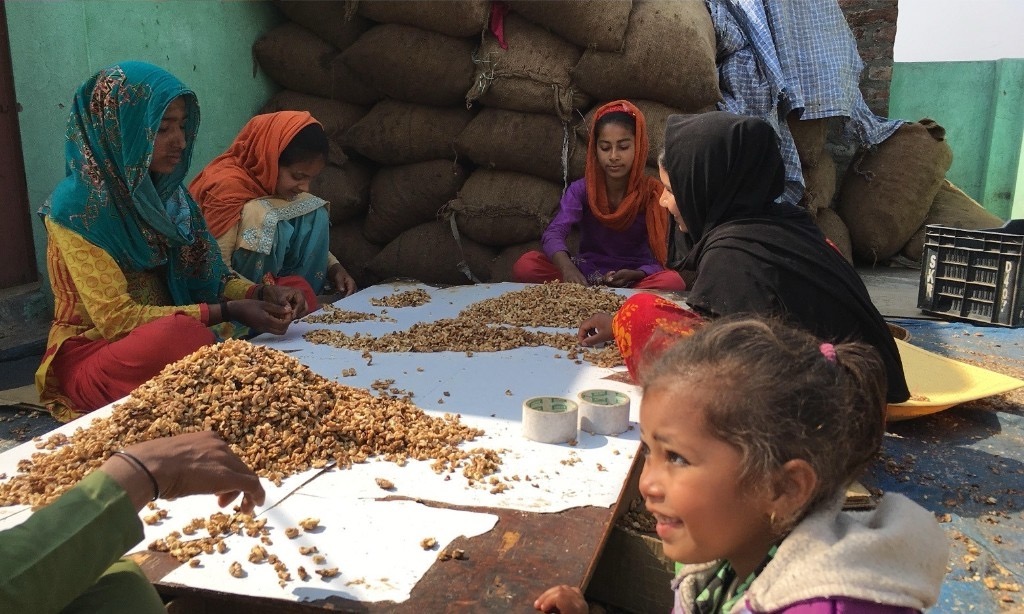
In Jammu's Bhatinda are I visited, it was a surprise how quickly they had flourished, as if being pampered and nurtured. An entire lane of shops was called "Burmi market". Most dry fruits factories were employing Rohingya women for cracking walnuts
Local Hindus told me how these infiltrators had bigger and better stocked shops than them, who had lived here for generations
The officer told me how using the UNHCR cards, which have no legal status or validity in India, Rohingya have obtained Aadhaar cards, ration cards and, in some cases, even permanent resident certificate (PRC) cards, all through fraudulent means
Eight years later, these Rohingya are all still there in Jammu. Apparently the govt is running an anti-encroachment drive these days asking them to clear the areas they have illegally occupied, and some of them have reportedly begun to leave
But the exercise is looking more like a temporary inconvenience for the infiltrators than a serious effort to clear Jammu and India of them.
130 college students in Meerut given training yesterday in how to identify, resist and report predatory love traps aimed at exploitation and conversion
We have reached more than 10000 college students in Bhopal with this training before launching it in Meerut, where again we are targetting an even greater number
Executed on ground by @NetworkforJus, this program is the first of its kind in India that takes this awareness directly in colleges
Because colleges, besides workplaces, coaching centres and gyms, are fast becoming hubs of such traps. Dhanyawad to @KanoongoPriyank who being an inspiration for this program with his intervention in the Bhopal college rape-blackmail-conversion scandal in 2025
Every girl has to be warned. @sewanyaya