Justin Shih et al. developed a CRISPR-Cas12a-based DNA endonuclease-targeted CRISPR trans-reporter (DETECTR) assay for the rapid, sensitive, and specific detection of #Spiroplasma citri, targeting the spiralin gene. Learn more: https://t.co/tICL3UPuHv #PlantDisease
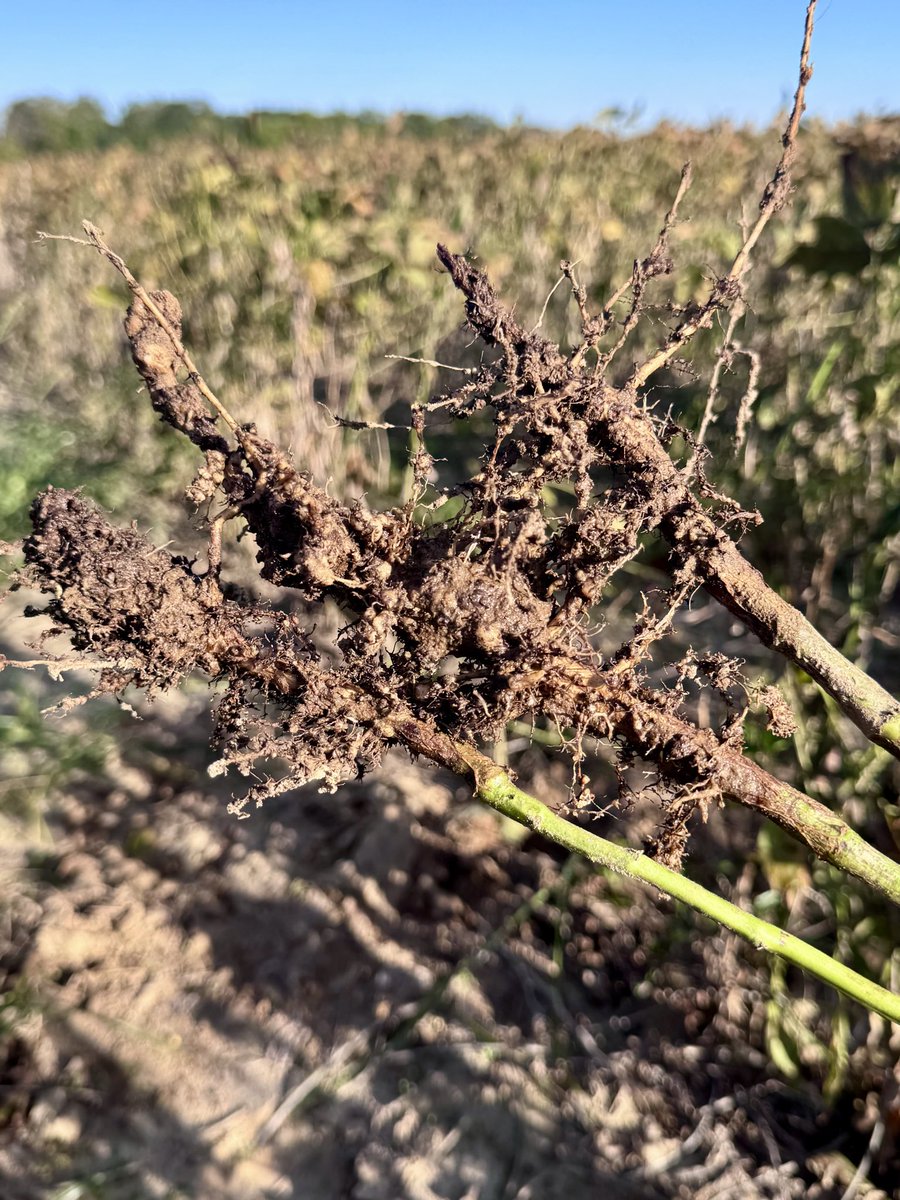
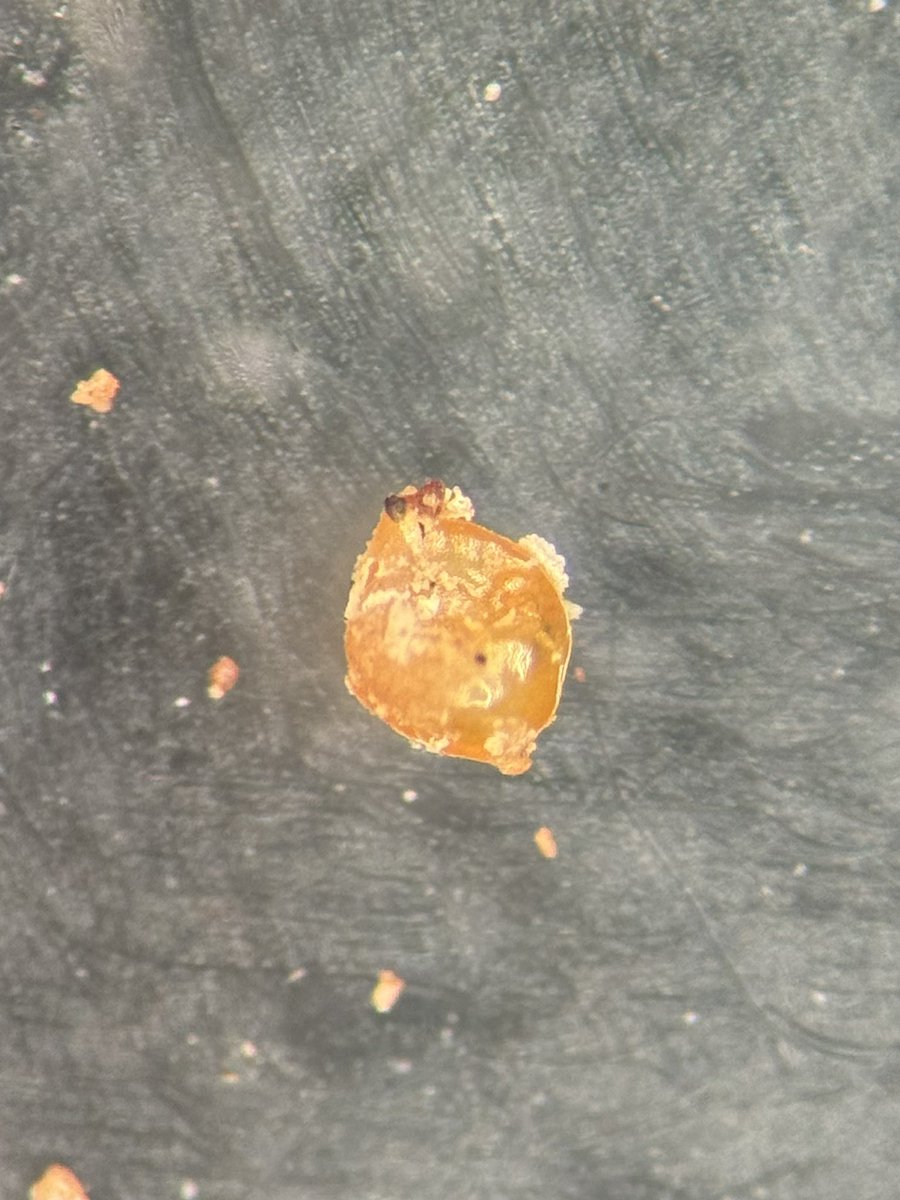
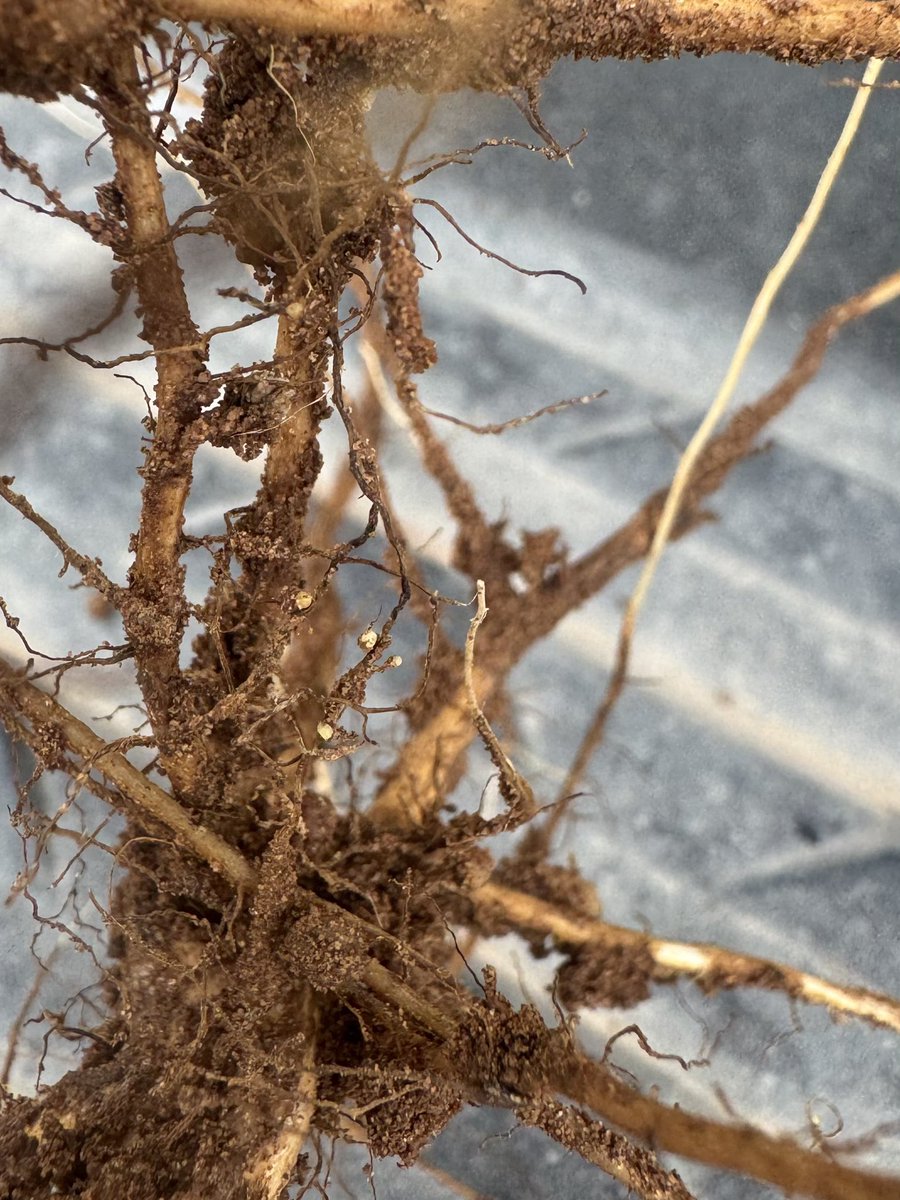
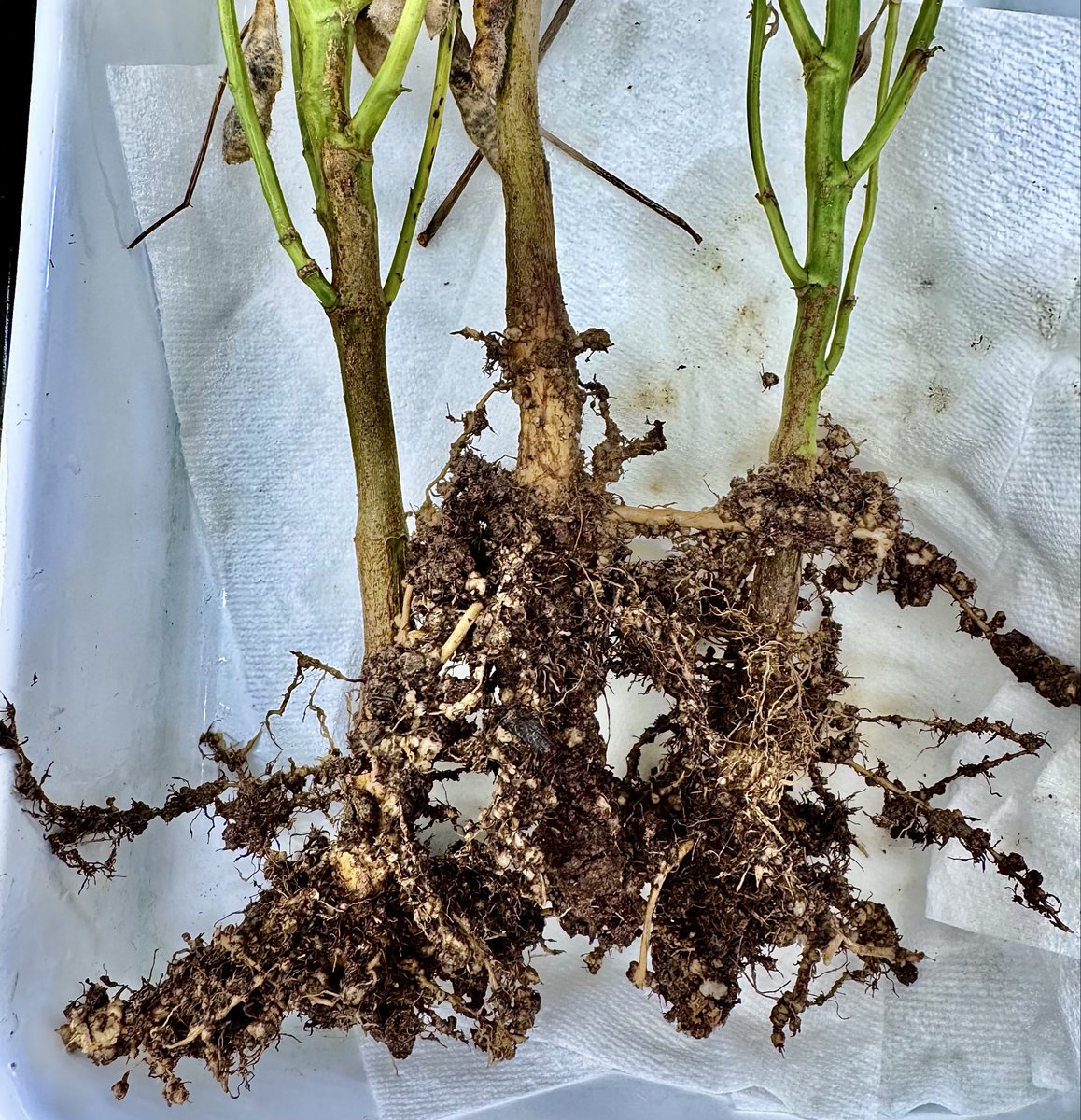
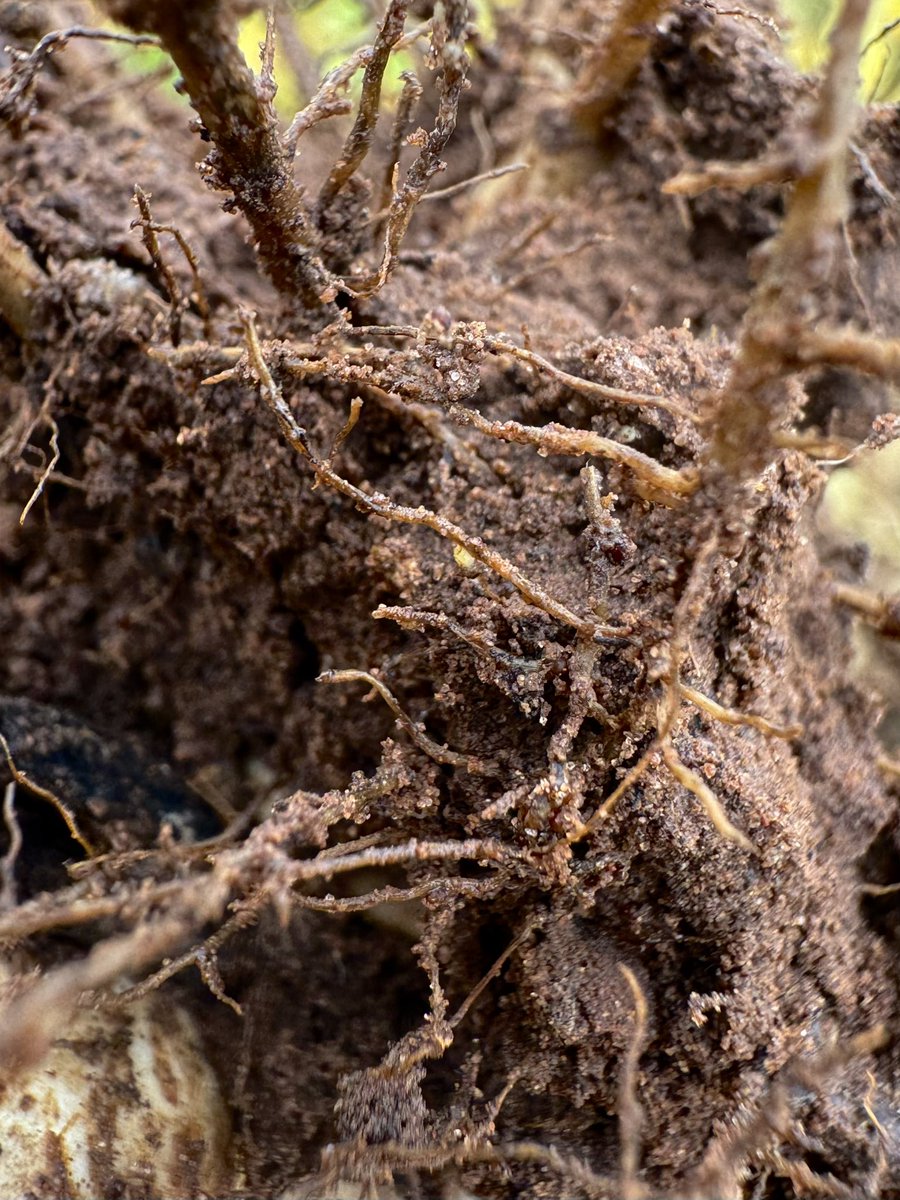
NEMATODE MONDAY: symptoms of Root-knot nematode damage on roots of soybeans in the field and in the lab after a thorough washing. A close examination in the lab gives a clear view of the large root galls (knots) incited by this pathogen. This helps to distinguish root-galls from beneficial Rhizobium nitrogen-fixing nodules (common on legumes), which rub off easily and are pink/soft inside #Nematode @CropNetwork@soydisease #Soybean
We are recruiting a Postdoc to work on the genetics of rust resistance in wheat. Check out the position announcement and apply if you are interested! https://t.co/y0tRByhUwe
OSU Winter Crops School Registration in Open. We will start Dec 15 at 10 and conclude Dec 16th. 14 CCA CEU's (4NM, 4SW, 2CP, and 4 IPM) and 4 ODAFF credits. https://t.co/JyY7vB76CP Will be highlighting sessions over the next few weeks. Really excited about who we are brining in!
Corn leafhopper is back. The pest, which transmits the pathogens that cause corn stunt disease, has been confirmed in Jefferson, Livingston & Ontario counties. Both the corn leafhopper & corn stunt disease were found for the first time in New York State back in 2024. @MahDuffeck
@baldpathologist@Hankcjag@Edel_PLopez Hey Tom! We’ve been seeing this discrepancy here as well. If possible, please send us plant samples next year. Testing more plants should help us better understand what’s happening. This is certainly a challenging pathosystem to work with!
Thanks for leading this excellent work, @Edel_PLopez ! Your persistence sets an example for me!
We can now officially call the MBSP pathogen as Candidatus Phytoplasma zeae!
Finally published! 💚
This paper brings nearly ten years of persistence full circle: 'Candidatus Phytoplasma zeae', the phytoplasma associated with maize bushy stunt, now has a species name.
The story began during my PhD, working with native maize varieties in communities in Mexico. Studying this pathogen, I became convinced that it deserved recognition as a distinct species. Its sequence similarity to another species exceeded the usual threshold, but the guidelines at the time allowed ecological differences to support species delineation.
We submitted the manuscript, went through peer review and revisions, and were ultimately rejected during the second round. That was a major disappointment. But the idea never left me.
🌽 Our work in Mexico: https://t.co/FNXiq1cvkT
🌽 Impact of MBS on communities: https://t.co/l3SRniq4Ap
In 2025, finding Dalbulus maidis in Québec brought the question back with renewed urgency. By then, we were firmly in the genomic era, and the rules had changed. Revisiting the same biological question under different criteria was frustrating, and at times felt arbitrary. Still, we kept going.
🍃 Our discovery of Dalbulus in Québec: https://t.co/6FozRxDpHF
After almost a year of discussion and revision following the preprint, we finally got there!
For me, this is about much more than a name. Recognizing this pathogen as a distinct species will help us communicate more clearly with growers and decision-makers, connect research across countries, and draw attention to a disease becoming an increasing concern as its vector reaches new areas, both north and south in the Americas. What might happen beyond our continent remains an open question, although its known Dalbulus vectors are native to the Americas.
Along the way, we have also been exploring the Dalbulus microbiome—and there is so much more to discover, including new microbial species that we look forward to describing!
🧫 Microbiome: https://t.co/1tUjcSKlUM
Bravo, @TPellegrinetti, for leading this work and helping bring a long-standing idea to fruition! 👏 And a heartfelt thank-you to all the amazing colleagues who contributed, both here on twotter and beyond: Joshua Molligan, Abraao Almeida Santos, @canale_cristina , @AOV_OlmedoVelar , Jordanne Jacques, @MahDuffeck , Ashleigh Faris, Paola Reyes Caldas, Jairo Rodriguez Chalarca, @DumonceauxTim 🌽
Some ideas stay with you for years. I’m very happy we stayed with this one.
📄 Read the paper: https://t.co/pGtbQatgFz
🚨 Oklahoma Soybean Growers 🚨
Soybean cyst nematode was detected at 3 fields in Southwest OK 🌱
We are offering FREE soil test for soybean fields
More information in the Extension publication below 👇🏻
https://t.co/5hzpt3CMWV
Soybean cyst nematode was detected in soybean fields located in southwestern OK last week!
Soybean growers, it’s time to get the soil tested for FREE through OSU
Contact me for more information
Excelente video by @DylanMangel highlighting the main problems we may observe in the soybean seeds at the end of the season.
Purple Seed Stain is commonly observed in Oklahoma soybean fields
Symptoms of corn stunt are being observed this season in late planted corn in OK
Growers from all US can have corn leaf samples tested for FREE at my lab
Please contact me if you suspect corn stunt symptoms in your field
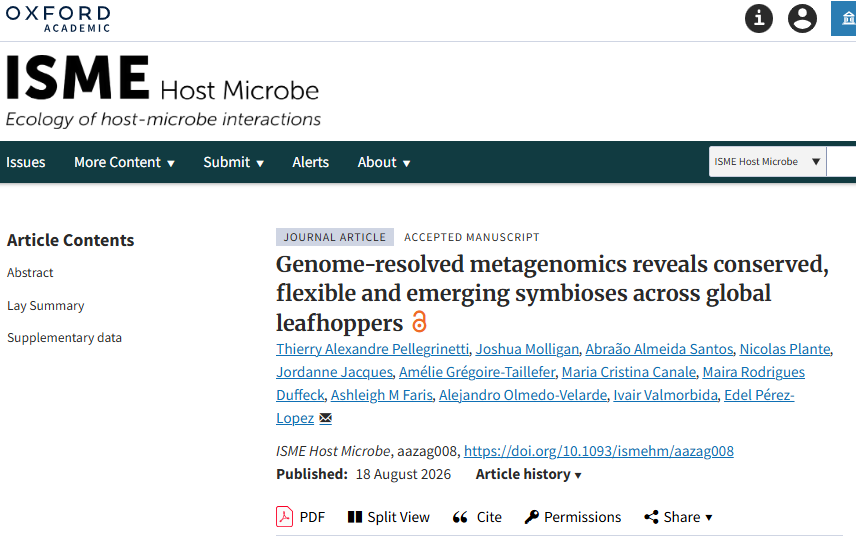
Very pleased to share our new study revealing insights into the complexity and diversity of leafhopper microbiomes, including Dalbulus maidis. Grateful to @Edel_PLopez for coordinating this work and to @TPellegrinetti, for the brilliant writing. https://t.co/qdQyiqqjd3
Drought intensification and eastern expansion continues with Oklahoma being in the bullseye for flash drought in the North American continent. More than 62% of the state is now in at least severe drought. https://t.co/S0zmtLHmwU #okwx#okmesonet