Supreme Court Holds That Where a Public Authority Defers, Rather Than Refuses, Performance of Its Duty, the Rule 5(1) Judicial Review Limitation Period Runs From the Final Administrative Decision, Not the Initial Default.
Writing for a unanimous coram, Bamugemereire, JSC held that where a public authority repeatedly defers the deployment of a validly appointed officer while making ongoing assurances that deployment will follow, the limitation period under Rule 5(1) of the Judicature (Judicial Review) Rules, 2009 does not begin to run until the authority communicates a definitive, final refusal.
The Court further held that an appointee who never commenced duty cannot recover salary arrears or NSSF contributions, but may nonetheless be entitled to general damages for the administrative wrong suffered. The decision carries significant implications for public bodies that manage appointment backlogs through informal deferrals rather than formal decisions.
Read more
https://t.co/Wd1xlgLMbm
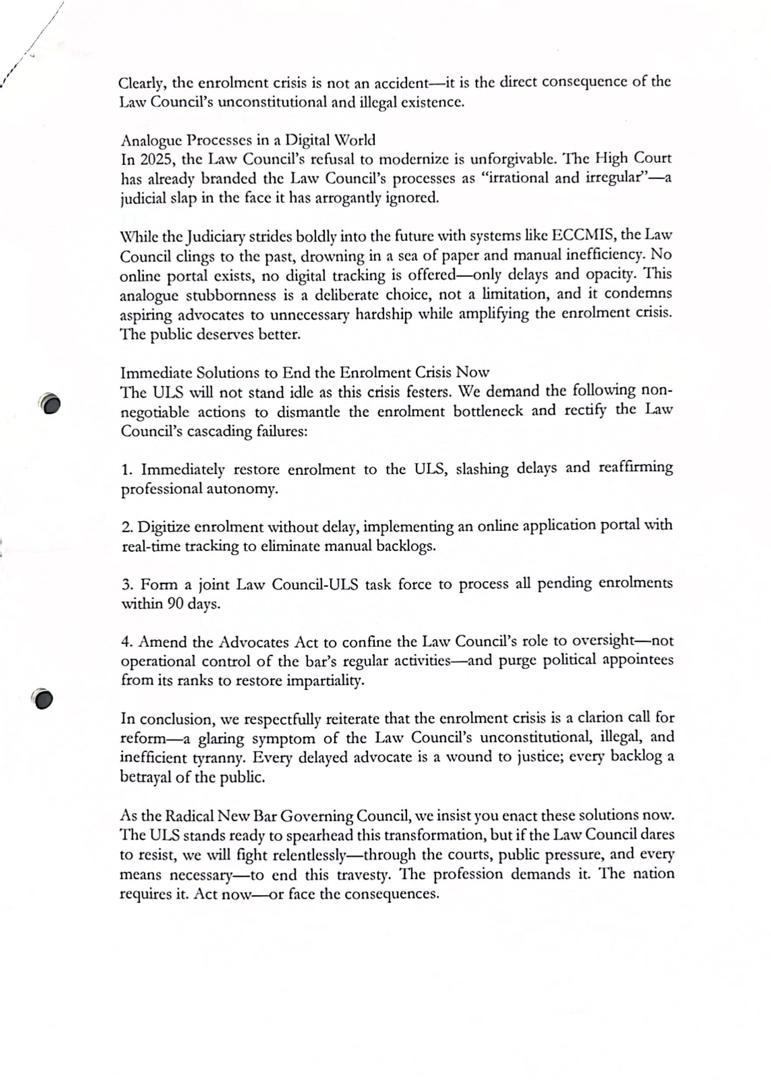
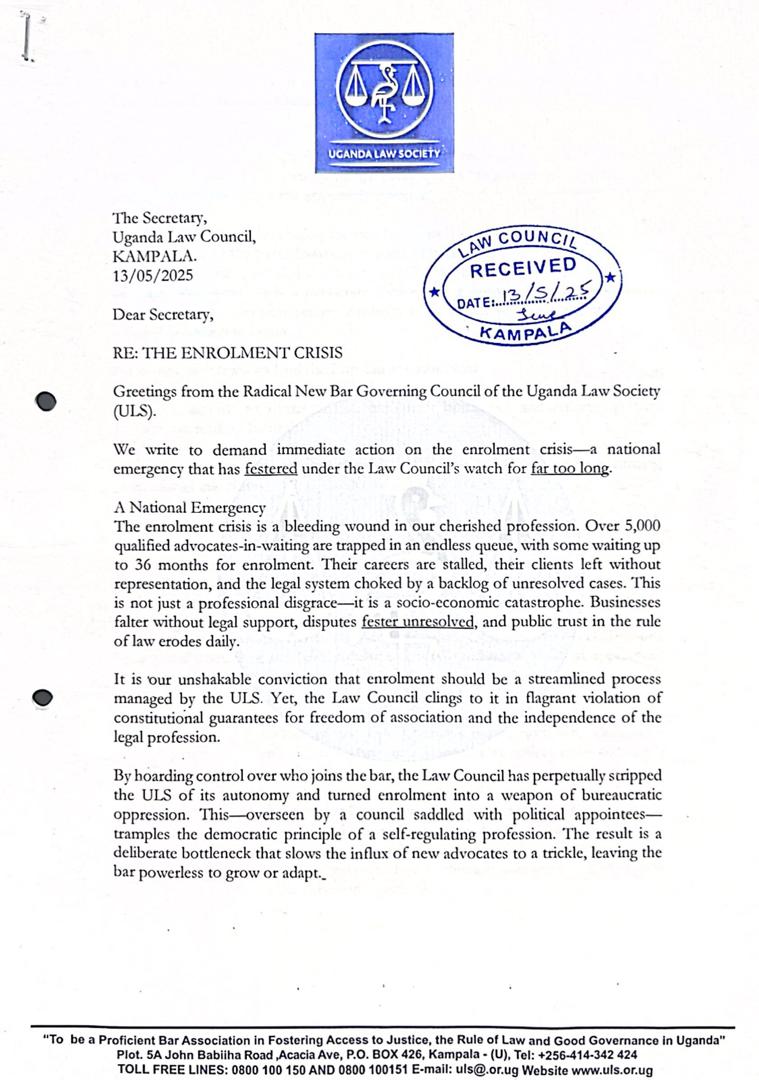
.@ODPPUGANDA: RELEASE THIS YOUNG LAWYER. HE IS NOT A CRIMINAL. HE IS A VICTIM OF THE ENROLMENT CRISIS AT THE LAW COUNCIL!
“While the @JudiciaryUG strides boldly into the future with systems like #ECCMIS, the Law Council clings to the past, drowning in a sea of paper and manual inefficiency. No online portal exists, no digital tracking is offered-only delays and opacity. This analogue stubbornness is a deliberate choice, not a limitation, and it condemns aspiring advocates to unnecessary hardship while amplifying the enrolment crisis. The public deserves better.”— our #RadicalNewBar position on this matter in case a reminder where needed.
#ResisitLawlessness #ULSAt70
#BangTheTable #BackOnTrack #RNBVision2060
The Supreme Court has ruled that courts have no authority to order that prisoners serve their sentences without the possibility of remission, holding that the power to grant or withhold remission rests with the Executive through prison authorities and not the Judiciary.
DETAILS🔗 https://t.co/yg3PkvE7xG
#VisionUpdates
Taxation 101
A party litigating through the services of in-house counsel is not entitled to Party & Party costs since such a party is deemed as "acting in person".
Nakku Joweria v Stanbic Bank (U) Limited (Civil Suit No. 197 of 2024) [2026] UGCommC 368 (3 August 2026)
Bank not liable for unauthorised Flexipay withdrawals where customer’s credentials were compromised and loss not promptly reported
👉:https://t.co/mAjZSpgyEo
Justice Susan Odongo finds Housing Finance Bank’s sale of Barnabas and Christine Aliku’s home unlawful and negligent due to undervaluation and failure to issue proper notices as per the Mortgage Act. The couple had got a better buyer buying their home at Ugx. 235m but the bank scrupulously sold it at Ugx. 135m. If you are in court with any bank for sale of your home, come read this.
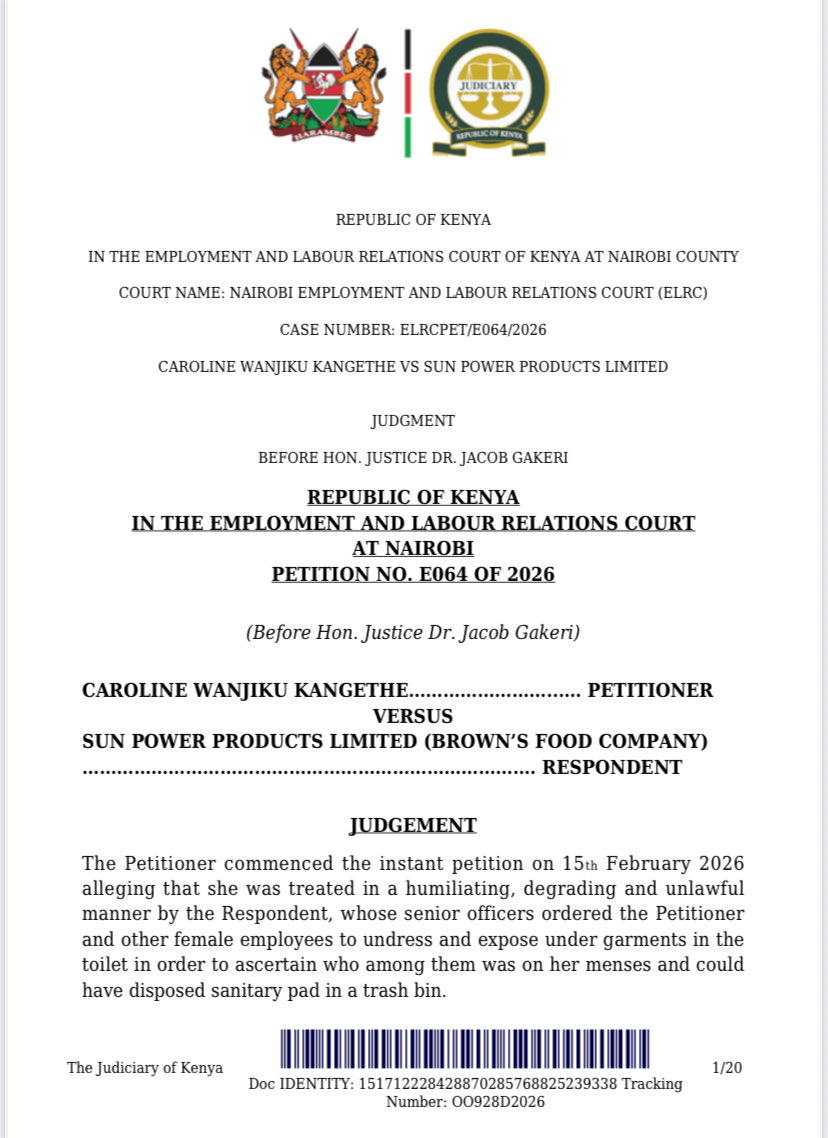
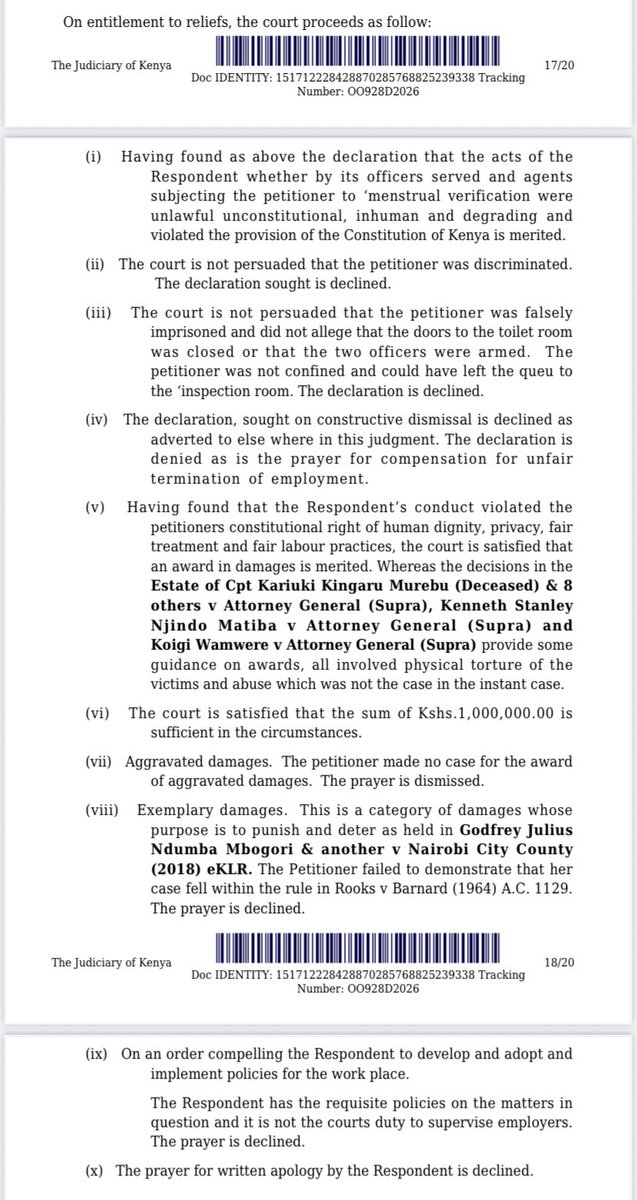
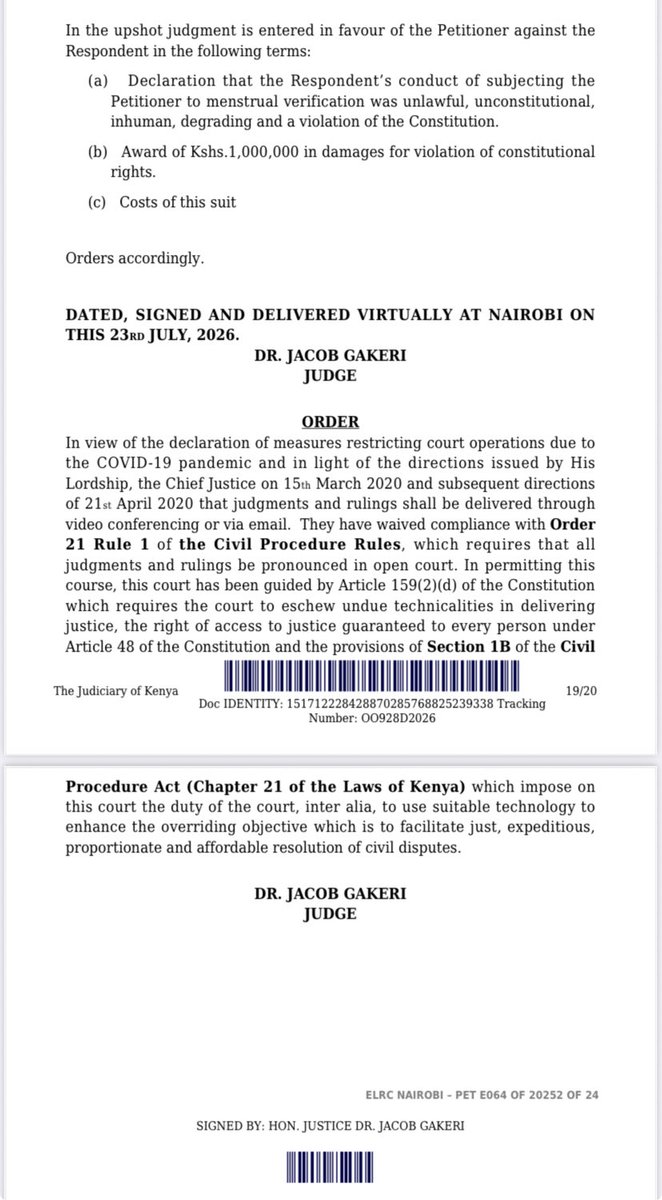
🚨 Employer held liable for unconstitutional “menstrual verification” of female employees.
In Caroline Wanjiku Kangethe v Sun Power Products Limited (Brown’s Food Company), the Employment and Labour Relations Court considered the constitutional and employment-law implications of a deeply intrusive workplace incident.
A used sanitary towel was discovered in a waste bin at the workplace. In an attempt to identify the person responsible, the company’s Quality Assurance Manager and Human Resource Manager directed approximately 35 female employees to enter the toilets, expose their under garments and undergo what was described as “menstrual verification.”
The employer admitted that the incident occurred but argued that the two officers had acted independently and outside the scope of their duties. It had subsequently investigated and dismissed the officers and arranged counselling for the affected employees.
The Court nevertheless held the employer vicariously liable. Under the doctrine of vicarious liability, an employer may be held responsible for wrongful acts committed by its employees where those acts are sufficiently connected to their employment. Liability is not limited to conduct expressly authorised by the employer; it may also extend to deliberate, wrongful or unauthorised conduct committed in the course of employment.
In this case, the two officers had used the authority and responsibilities entrusted to them through their senior positions in Human Resources and Quality Assurance. Their conduct occurred at the workplace and was directed at employees who were subject to their authority. The Court therefore found that their employment and the wrongful conduct were inseparable. The employer could not avoid liability by arguing that the officers were acting on a “frolic of their own.”
The Court held that the exercise violated several constitutional rights. Article 28 of the Constitution protects every person’s inherent dignity and requires that dignity to be respected and protected. Article 29(f) protects every person against cruel, inhuman or degrading treatment, while Article 31 protects the right to privacy. The conduct also failed to meet the standards of fair labour practices guaranteed under Article 41.
The petition was also grounded on Sections 5 and 6 of the Employment Act, which address equality, discrimination and sexual harassment in the workplace. These provisions reinforce an employer’s responsibility to maintain a working environment in which employees are treated fairly and protected from discriminatory, humiliating or sexually intrusive conduct.
The Court further relied on Article 23(3) of the Constitution, which empowers courts to grant appropriate relief where a right or fundamental freedom has been denied, violated, infringed or threatened.
The Court ultimately declared the “menstrual verification” unlawful, unconstitutional, inhuman and degrading. It awarded the Petitioner KES 1,000,000 in damages for violation of her constitutional rights, together with the costs of the suit.
The decision is an important reminder that workplace policies alone do not shield an employer from liability where managers abuse the authority entrusted to them. Employers must ensure that dignity, privacy and fair labour practices are protected in practice and not merely on paper.
Ongoriya Moses (convicted to 6 years after a plea bargain reducing a murder charge to manslaughter for the fatal shooting of Ainebyona Arnold) and Wanamama Isaiah (the Senior State Attorney who negotiated the plea) appealed a High Court judicial‑review ruling that had declared the plea bargain void for alleged fraud/collusion and ordered a retrial; the Court of Appeal dismissed jurisdictional objections but held the Judge had no jurisdiction to annul another High Court judge’s decision by judicial review, yet on fresh evaluation found the plea process irregular—the amended charge to manslaughter did not match the unchanged particulars and the victim’s interests were not considered—thereby nullified the plea bargain, amended indictment, conviction and sentence, ordered a retrial before another judge, directed investigation into alleged prosecutorial misconduct, and remanded the first appellant in custody pending retrial.
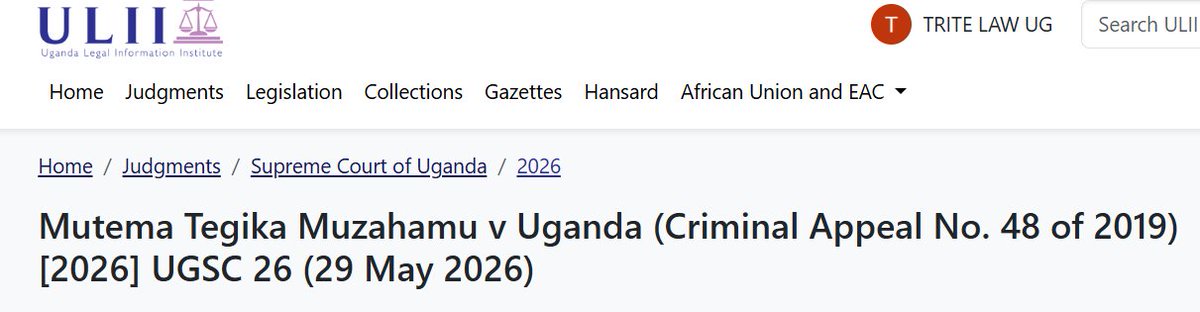
On 29th-May-2026, Supreme Court upheld Death Sentence for a father who killed his two year old child amid DNA paternity dispute, ✍️maximum sentence was to send a clear message to other men that might be similarly inclined that they could face the ultimate penalty for their ill‑conceived actions.
✍️In order to foster communal stability and social cohesion amidst the rising incidence of DNA paternity testing in Uganda, Courts ought to play their role in quickly and conclusively forestalling the murders of innocent children by vengeful, criminally‑inclined father figures
Legal representation:
Mr. Emmanuel Muwonge,holding brief for Mr. Henry Kunya
Respondent: Mr. Charles Richard Kamuli, Assistant Director of Public Prosecutions.
Case link: https://t.co/M6hIxNuIiR
“The trial in the absence of counsel of his own choice was a
grave violation of his constitutional rights as provided by article 28 (3)(d) of the Constitution.” - Court of Appeal in Serwadda v Uganda.
@JudiciaryUG@JSCUganda@ODPPUGANDA@kizzabesigye1
https://t.co/QvOajsYTxb
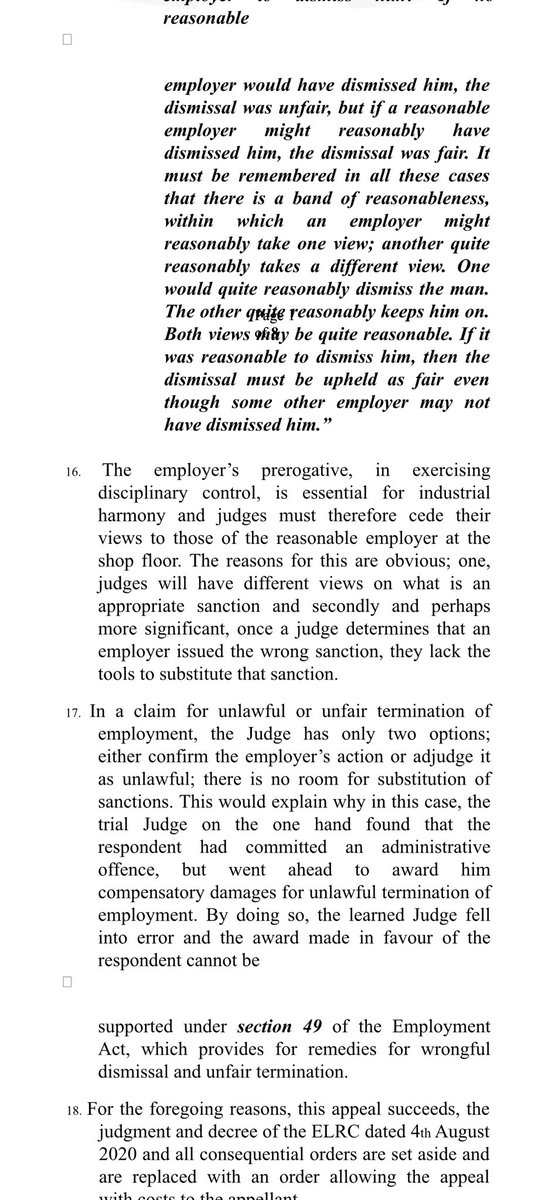
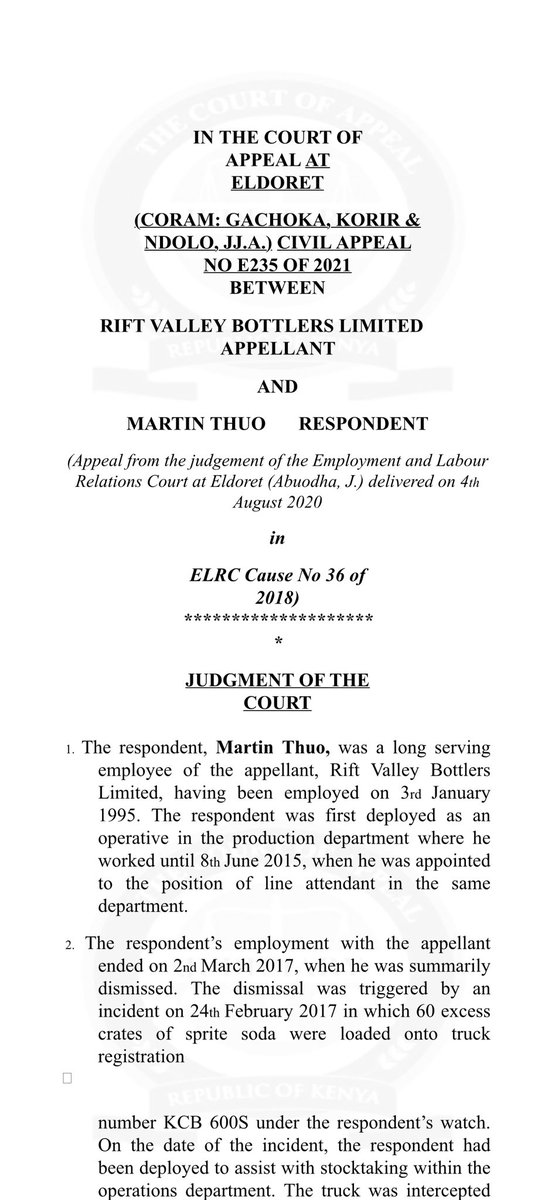
🚨 Can your employer fire you over an honest mistake you’ve made even when they have suffered no loss?
This is Rift Valley Bottlers Limited v Martin Thuo, decided by the Court of Appeal on 24 July 2026. It is one of the most counterintuitive employment rulings of the year, and it exposes a limit on judicial power that few employees, or employers, understand.🧵
Here's the best case law on the mootness doctrine;
1. Uganda Corporation Creameries Ltd & Another vs. Reamation Ltd; Civil Reference No.11 of 1999 (June 29, 1999) Court of Appeal (per DCJ Manyindo, Twinomujuni & Kitumba, JJA).
1/
Industrial Court Upholds Dismissal of Cavendish University Lecturer, Holding That Maintaining Two Full-Time Jobs in Breach of an Exclusivity Clause Violates the Duty of Fidelity Rather Than Constituting a Restraint of Trade
Read more
https://t.co/dbqjcgZPF8
High Court Rules Social Media Posts Are Copyrightable, Holds Monitor Publications and NTV Liable for Copyright Infringement and False Attribution, Awards UGX 185 Million in Damages
The Court held that the 3rd Defendant, as Managing Editor, owed and breached a statutory duty of accuracy under Schedule 4 of the Press and Journalist Act, Cap. 100, resulting in reputational injury to the Plaintiff. Applying the three-part test in Asege Winnie v. Opportunity Bank (U) Ltd & Anor, the Court found the Plaintiff identifiable, the Defendants’ conduct deliberate, and the publication commercially motivated, sustaining the claim for misappropriation and passing off of personality.
https://t.co/IWF4ubaSaK
YOUR BANK ISN'T YOUR INSURANCE COMPANY!
"A bank does not serve as an insurer against fraud, particularly where such fraud arises from the client's own negligence or that of a depositor." -Justice Simon Peter M. Kinobe
A costly banking mix-up. Two almost identical names. One account. Millions gone.
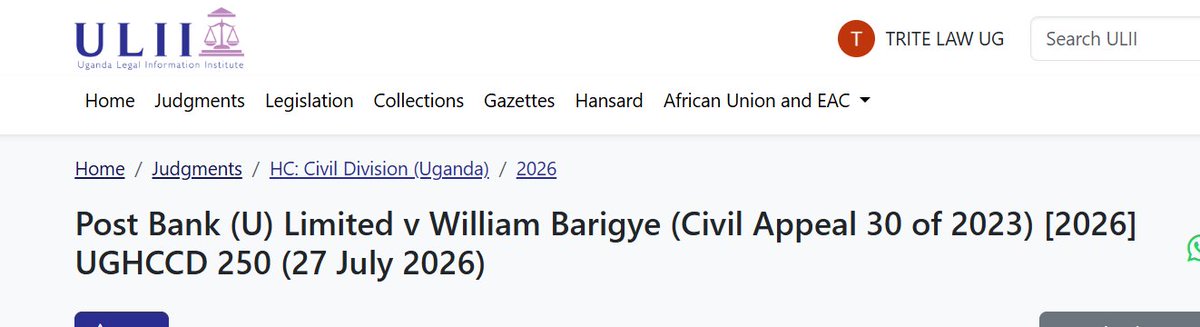
In Post Bank (U) Ltd v William Barigye
the High Court overturned a decision that had held Post Bank liable for paying UGX 15.3 million into the wrong person's account.
The Court made one thing abundantly clear:
A bank owes a duty of care to its customer, not to every person who may be affected by a payment. Since William Barigye had no account with Post Bank, there was no legal relationship giving rise to a duty of care.
The mistake originated from payment instructions that consistently directed funds to an existing Post Bank account. By the time the Ministry discovered the error and notified the bank, the money had already been withdrawn.
This judgment is bigger than a banking dispute. It is a powerful reminder that negligence requires more than loss—it requires a legal duty. Without proximity, there can be no liability.
Justice Kinobe also delivered an important lesson on banking law:
The banker-customer relationship is founded on contract, trust, and statutory obligations, but responsibility is reciprocal. Banks must exercise reasonable care, while depositors and employers must ensure payment instructions are accurate.
Takeaway: Banks are custodians of your money- not guarantors against every mistake made before the money reaches them
#BankingLaw #Negligence #DutyOfCare
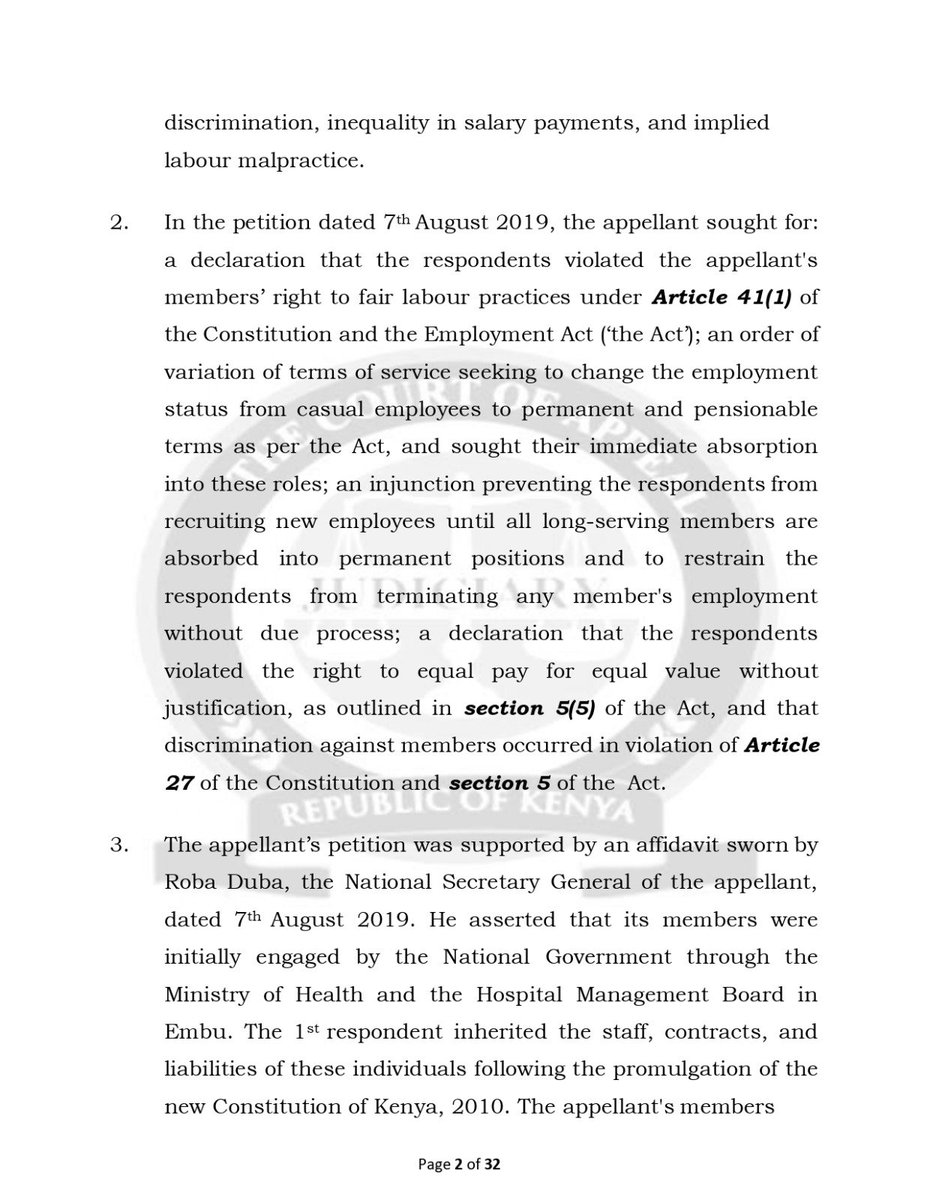
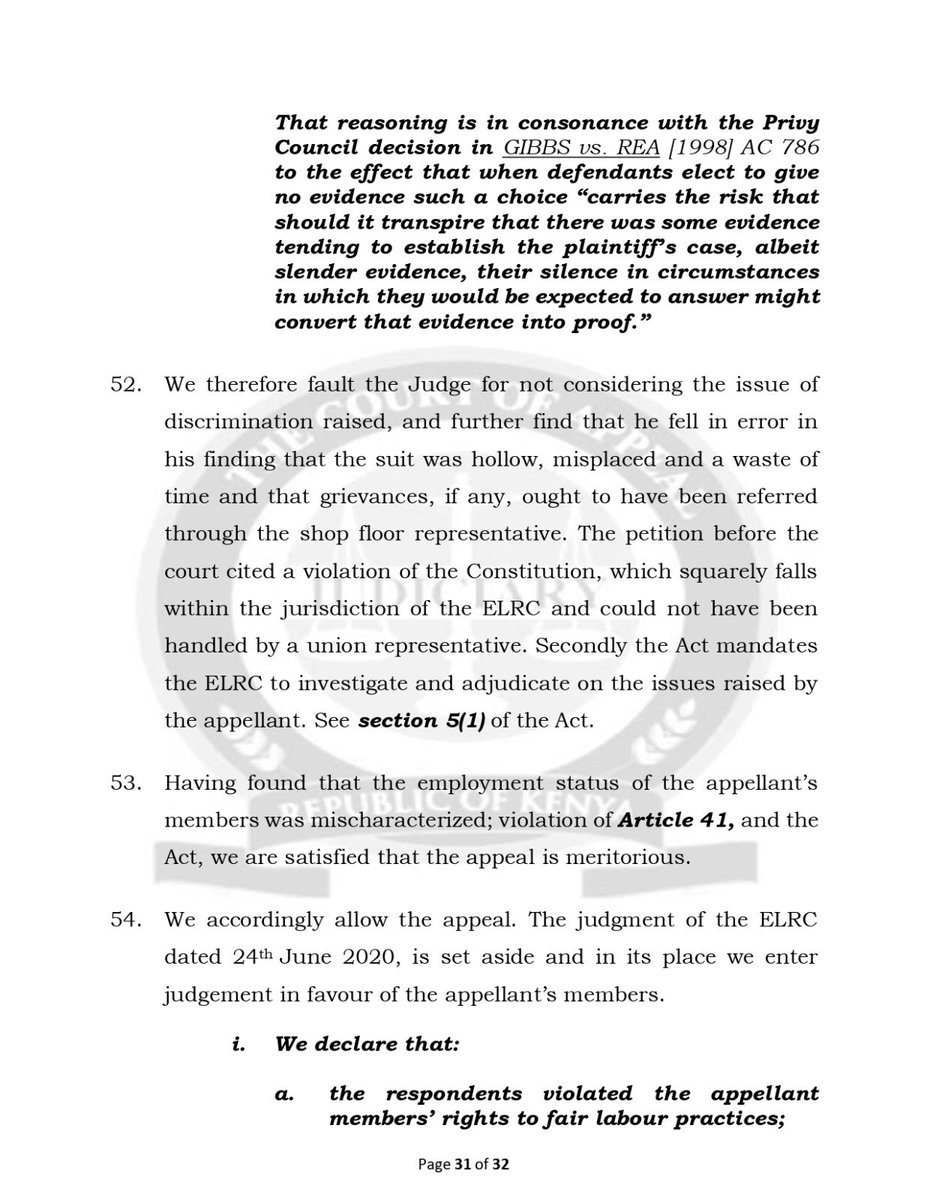
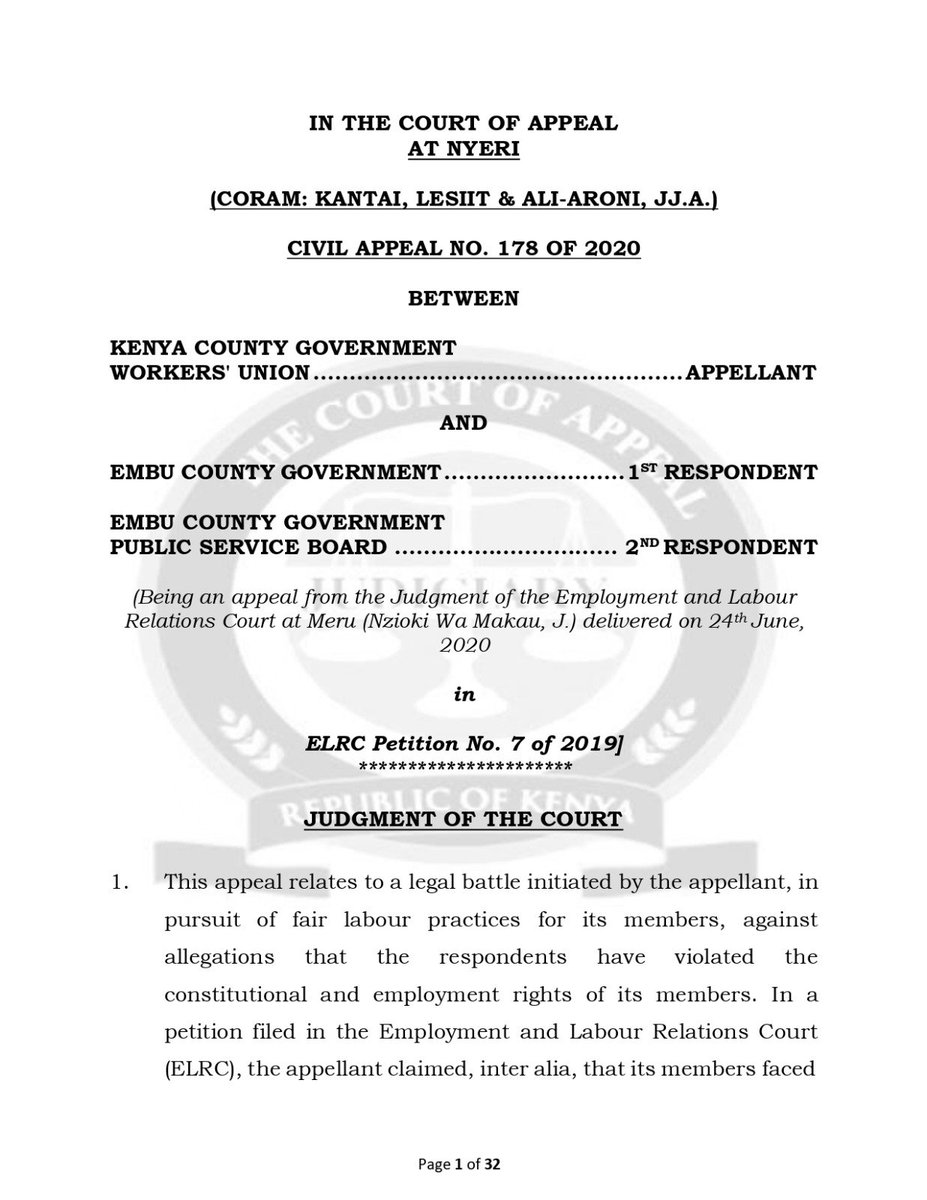
The Court of Appeal had held thay You can't keep someone working for years, call them a casual and then deny them permanent employment rights.
The Court of Appeal has made it clear, the law looks at the reality of the job, not the label on the contract.
If you're doing permanent work on endless short-term or "casual" contracts, you may already be entitled to the rights of a permanent employee.
The era of exploiting workers through fake casual contracts has come to an end.
Justice Kinobe ✍️A depositor who erroneously credits funds intended for another party into the WRONG account cannot impute liability to the Bank for that negligence, especially where the bank has lawfully disbursed the funds to the unintended beneficiary without negligence on its part✍️The duty rests squarely upon the client to exercise vigilance and ensure that deposits are made to the correct account✍️ A bank does not have a relationship with a non account holder.
✍️In executing payment instructions, transfers, or investments, the bank acts as the client’s agent, thereby assuming duties of diligence and fidelity. Though primarily contractual, the relationship imposes fiduciary duties, particularly in matters of confidentiality, disclosure, and advisory services.
✍️Banks must exercise reasonable skill and care in handling client instructions, safeguarding funds, and preventing unauthorized transactions
Legal Representation:
Appellant: Arcadia Advocates
Respondent: Semuyaba, Iga & Co. Advocates
Case link: https://t.co/koPoIZdr6b . CC @SPKinobe2018
On 23-August-2018, Justice Mubiru✍️ different judicial officers can have divergent views on the same provision of the law and facts✍️But that does not amount to an error apparent to the face of the record, ✍️Misconstruing a statute or other provision of law cannot be grounds for review but could be a proper ground for appeal since in that case the court will have made a conscious decision on the matters in controversy and exercised his discretion in favour of the successful party in respect of a contested issue
case link: https://t.co/IXwoiNo3YF













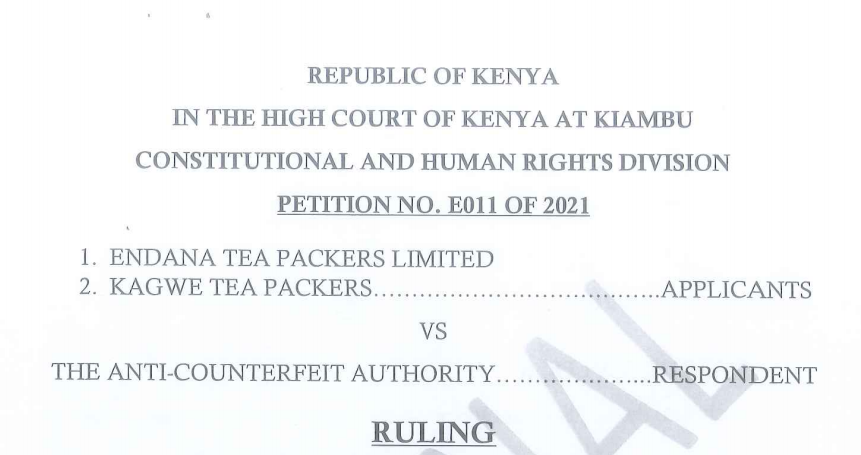
![Uganda_LII's tweet photo. Nakku Joweria v Stanbic Bank (U) Limited (Civil Suit No. 197 of 2024) [2026] UGCommC 368 (3 August 2026)
Bank not liable for unauthorised Flexipay withdrawals where customer’s credentials were compromised and loss not promptly reported
👉:https://t.co/mAjZSpgyEo](https://pbs.twimg.com/media/HO0WZqnW8AAhPZd.jpg)