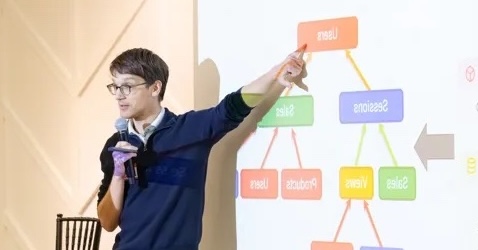
To push the open source frontier for RL + LLMs, we need scalable, modular environments with real-world complexity, beyond math benchmarks.
Today, we’re releasing *benchmax*.
An open-source framework to build, run, & scale useful RL envs for LLM fine-tuning, with integrations to verl & verifiers (more coming soon!).
Sharing some cool RL results @manans99 & I just witnessed in reasoning models for science! Our research question:
🤖 LLM performance limits agentic capabilities.
🎓 Humans learn new skills by practicing them.
🔬 Can LLMs learn to reason by solving graduate textbook problems?
@willcb@saurabh_shah2 @wzihanw @vwxyzjn@natolambert That's fair, though it may make more sense in an SFT warm-up phase than during RL. Or perhaps, to maintain stability but allow gradients to flow during RL, it's worth masking when computing KL/ratio terms but not advantages?
I imagine the choice is mostly empirical in nature...
@willcb@saurabh_shah2 @wzihanw @vwxyzjn@natolambert Ah, I see, looks like that's controlled by `state_masking` -- thanks for clarifying.
Seems somewhat counterintuitive to me that backpropagating through those tokens makes sense (and doesn't otherwise blow up KL or ratio terms). Any intuition for why it works well (better?)
@willcb@saurabh_shah2 @wzihanw @vwxyzjn@natolambert Interesting open-source projects in the area include RAGEN, Agent-R1, OpenManus-RL & Search-R1, with some exploration in those areas (PPO/GRPO, ORM/tool-specific PRM; afaik, all mask out tool tokens).
I'm also spending time at the framework + model layer here, happy to chat.
Part 2—on the mechanics of @ollama's beautiful on-device language model "containerization", scheduling, and serving experience: https://t.co/UA90ooeQXW
Training & serving LLMs can often feel like "magic" -- that perceived simplicity is possible thanks to beautiful innovations in system design under the hood.
Building intuition for LLM systems: part 1—low-latency, on-device inference using ggml ↓
https://t.co/iwVPdhVQfV
my favorite part of this project was showing that we have general ways of spending much more than the limit of ~$20 per problem to continue to improve scores.
it’s incredible that we live in a world where you can trade compute for more intelligence
Curious about what I’ve been working on over the last two years?
Join me next Thursday for the launch of https://t.co/hhm1j5wP0f’s groundbreaking declarative ML platform that will transform the world of predictive AI as we know it. 🚀 More at https://t.co/1suUHu2nyk
#AI #revolution #GNNs #deeplearning
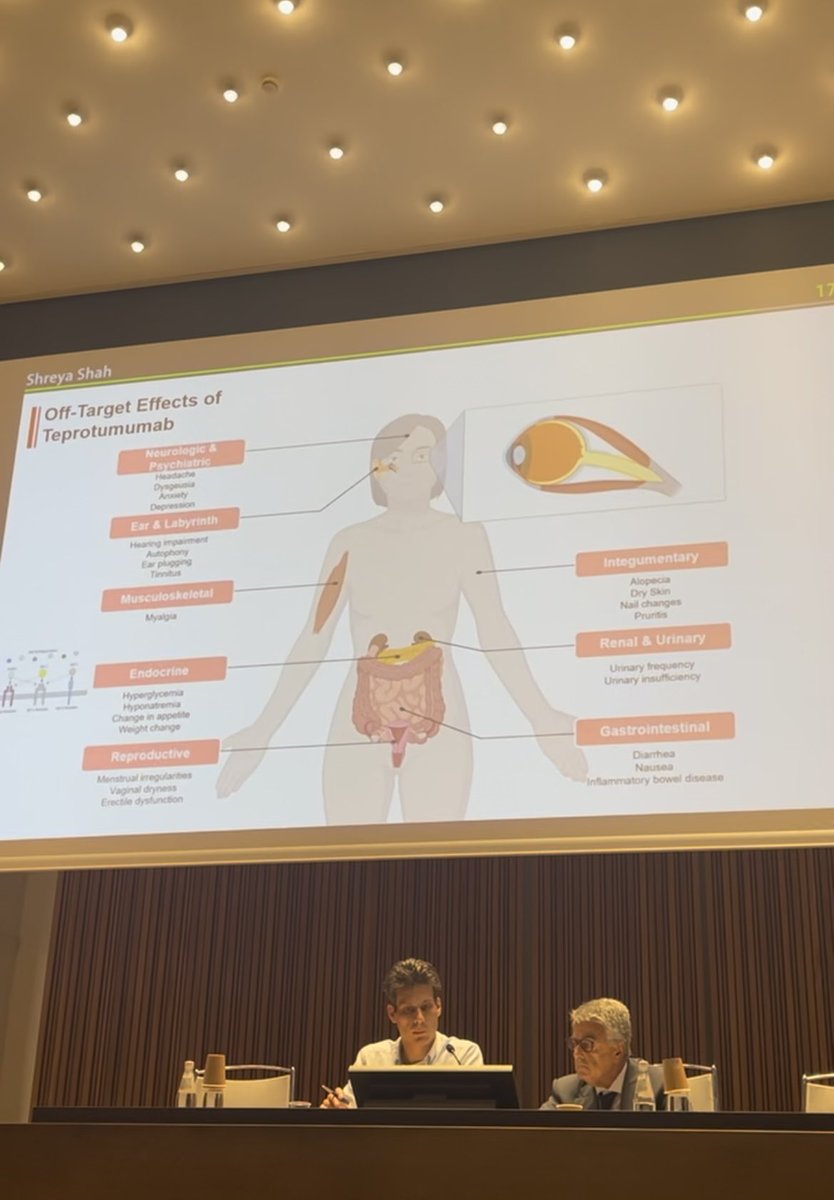
Still can't believe I had the opportunity to present our work on teprotumumab-related adverse events at the European Thyroid Association's conference in Milan last month! Grateful to my mentor @KosslerMD for this incredible opportunity!
Kumo team at the @databricks summit! We're proud to partner with the Databricks team to bring ML to the enterprise Lakehouse. Excited to kick off the event with this stellar crew!
We are very excited to announce our annual Graph Learning Workshop on September 28th. You can learn more about the event here: https://t.co/1MvqPTMLKY
We’d love for you to join us! Register here to reserve your spot:
https://t.co/aVVWnGN6kG
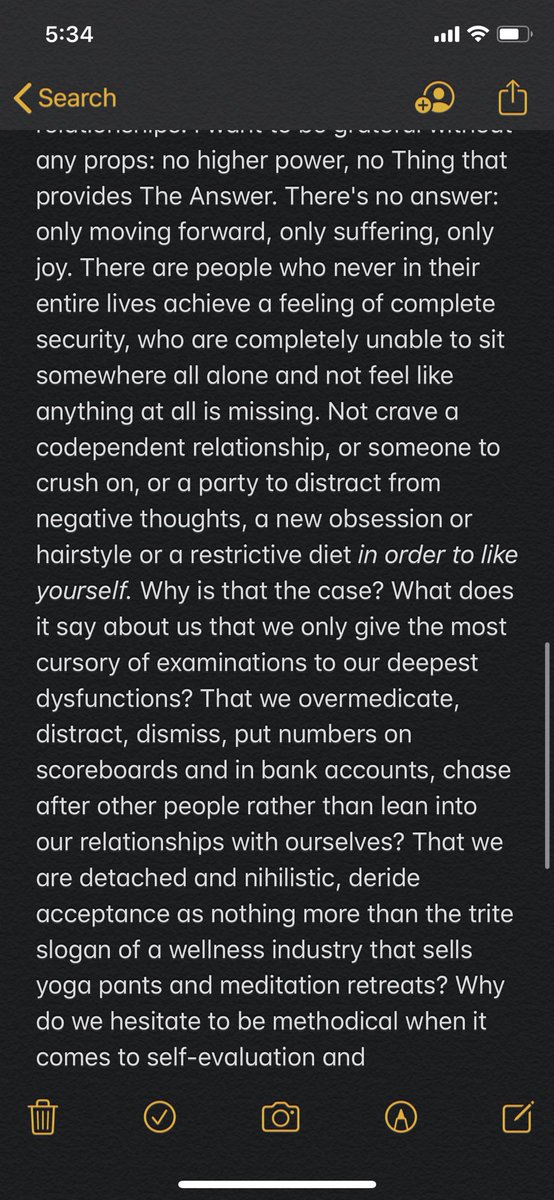
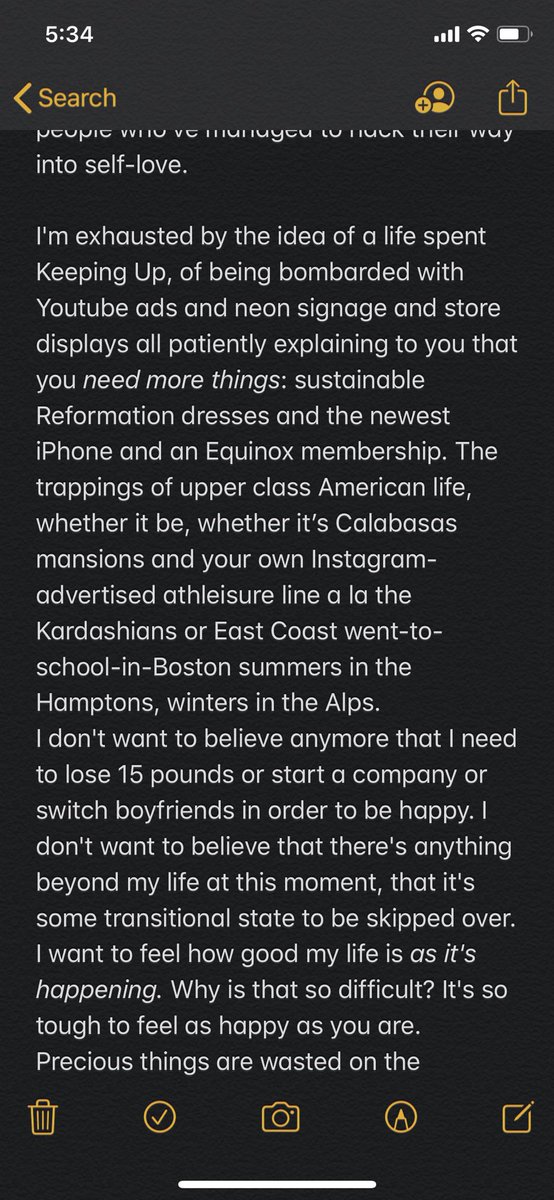
I write constant notes to myself which mostly feel useless in the moment but sometimes I look back through them and it’s *amazing* to have a record of exactly how you felt at one particular moment in your life. This was... 2018?
Wow, the mental health effects due to the pandemic are extreme , across nearly every way of slicing the population (gender, age, race/ethnicity, income level, education, urban/rural). That right hand column: 👀
Please check in with your family/friends & suggest help if needed!
1/ Covid (@UCSF) Chronicles, Day 150
Today, 150 days since I began my Covid tweets, I’m going to do something odd: write the speech that Trump should give. I have no faith he’ll do so, but it’s worth recognizing how little it would take to change course & save lives. Here goes:
This is horrifying. It appears the system is biased against less affluent schools. It factored in grades of past graduates.
This is how AI can be used to reinforce social and cultural disparities