Can you name the 5 treatment recommendations for impulse control disorders in Parkinson's disease? Primum non nocere. There is a brand new expert consensus on their management in @MDJ_Journal which is a must read for all clinicians.
Key points:
- Impulse-control and related behavioral disorders (are common and have a huge impact on persons w/ Parkinson's and caregivers.
- The consequences of failing to identify and treat them are huge.
- The authors sought to establish an international expert consensus on treatment strategies.
- They have established a really nice consensus on establishment of some definitions for severity.
- Regular screening for early detection is huge.
- Treatment: continuous monitoring, involving care partners and seeking 'specialist advice for legal or financial challenges.'
- Mild cases gradual reduction in dopamine agonists first.
- Second-line treatment: 'reversing the last medication change, cognitive behavior therapy, STN DBS and specific medications like quetiapine, clozapine, and antidepressants.'
- The authors also offer recommendations for punding and dopamine dysregulation syndrome.
My take: Impulse control disorders are an important challenge in practice and I believe that every clinician managing persons with Parkinson's should be versed on the information contained in this paper. In particular, clinicians should never prescribe dopamine agonists without a monitoring plan. There should be shared decision making including the care-partner and family who will play the critical role(s) in monitoring. In the treatment of Parkinson's disease I can think of no better example of Primum non nocere, first do no harm. It is our duty to manage and to monitor dopamine agonists and replacement therapies in our persons w/ #Parkinsons.
https://t.co/GDZIwxqPMi @PdAvengers@ParkinsonDotOrg
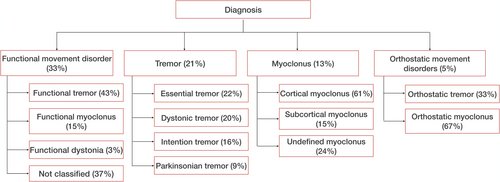
Should we request electrophysiological evaluation to assess movement disorders? Yes!
Very happy to share our latest publication, supervised by @RobertC21093233
Following are some of the highlights! 1/3
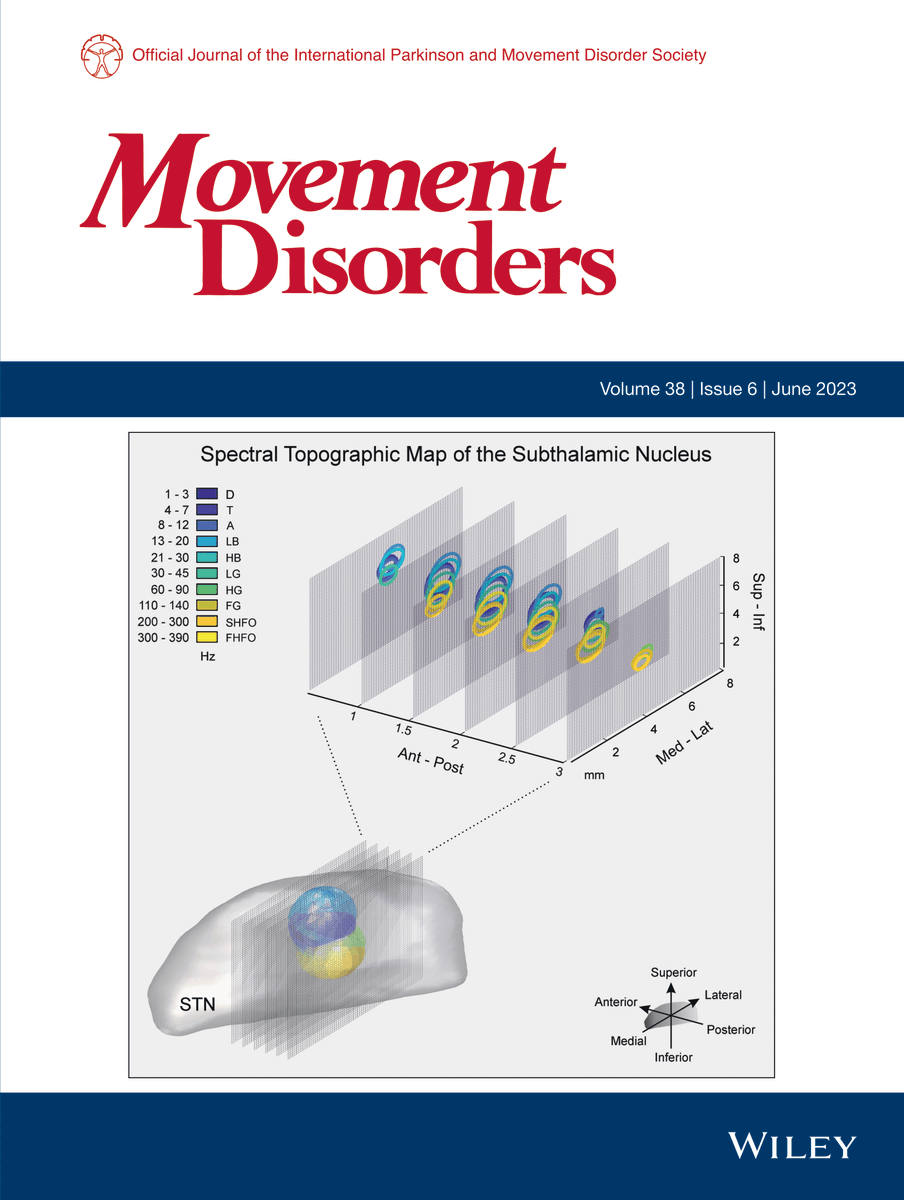
Honored to announce that our figure has been selected as the cover image for the June issue of @MDJ_Journal ! Thank you to the amazing team @GerdTinkhauser and contributors who made this possible! #MovementDisorders#Research
https://t.co/WWxpQdHtgo
Los científicos, divulgadores y conductores de tv @andresrieznik y @euge_lop me entrevistaron sobre la Enfemedad de #Parkinson en su programa que sale esta tarde al aire...
Offene Stelle für unser klinisches Movement Disoders Fellowship ab sofort zu besetzen!
Zentrum für Parkinson und Bewegungsstörungen; Universitätsklinik Bern, Schweiz
Wir freuen uns auf Eure Bewerbung
Vielen Dank für das Verbreiten der Nachricht!
https://t.co/ruy2VaP2VE
Top articles from @MDJ_Journal:
1. Spectral Topography of the Subthalamic Nucleus
https://t.co/YGvie2iFP6
2. Double-Edged Effects of Venglustat on Behavior
https://t.co/NO8kuiwoBE
3. Ca2+–Calmodulin–Calcineurin Signaling Modulates α-Synuclein Transmission
https://t.co/QdJ7jdt0Sm
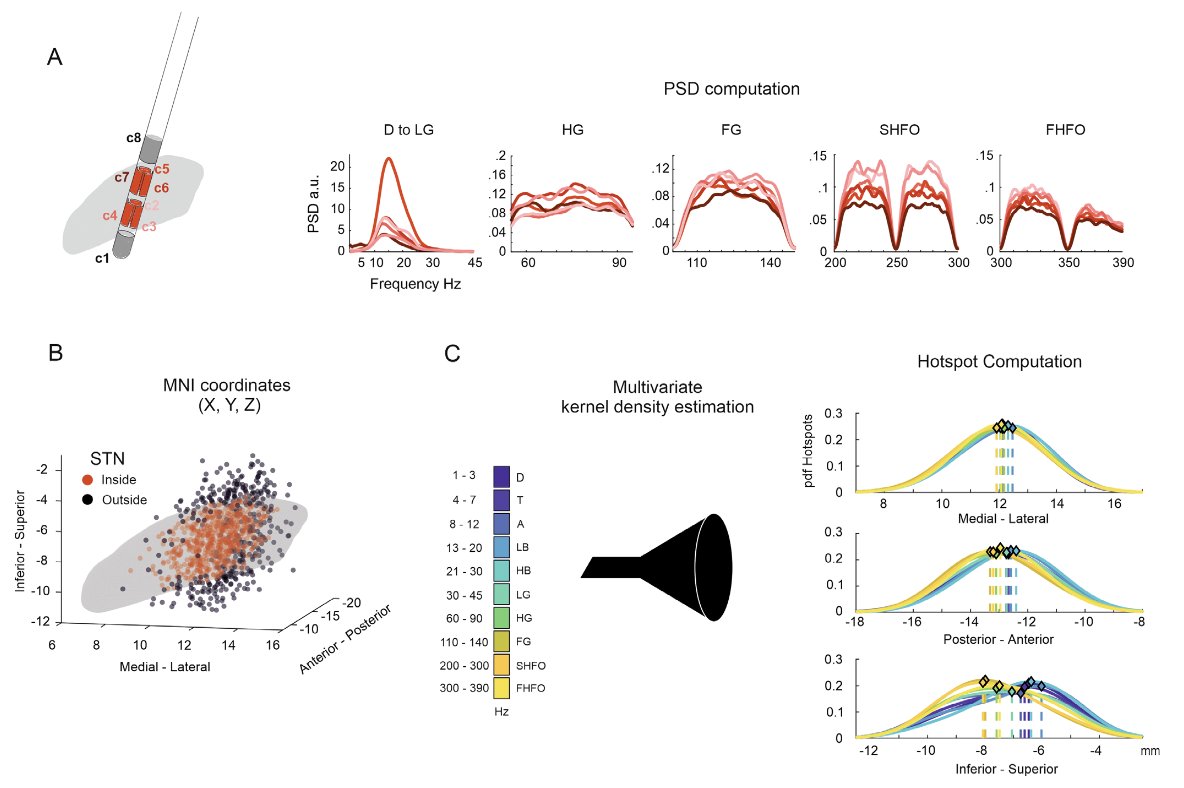
A unique detailed map of the STN derived from local field potentials of 70 PD patients offers new insights into hot spots for various frequency bands and for optimal clinical response (rigidity). https://t.co/Fha16iLCLG
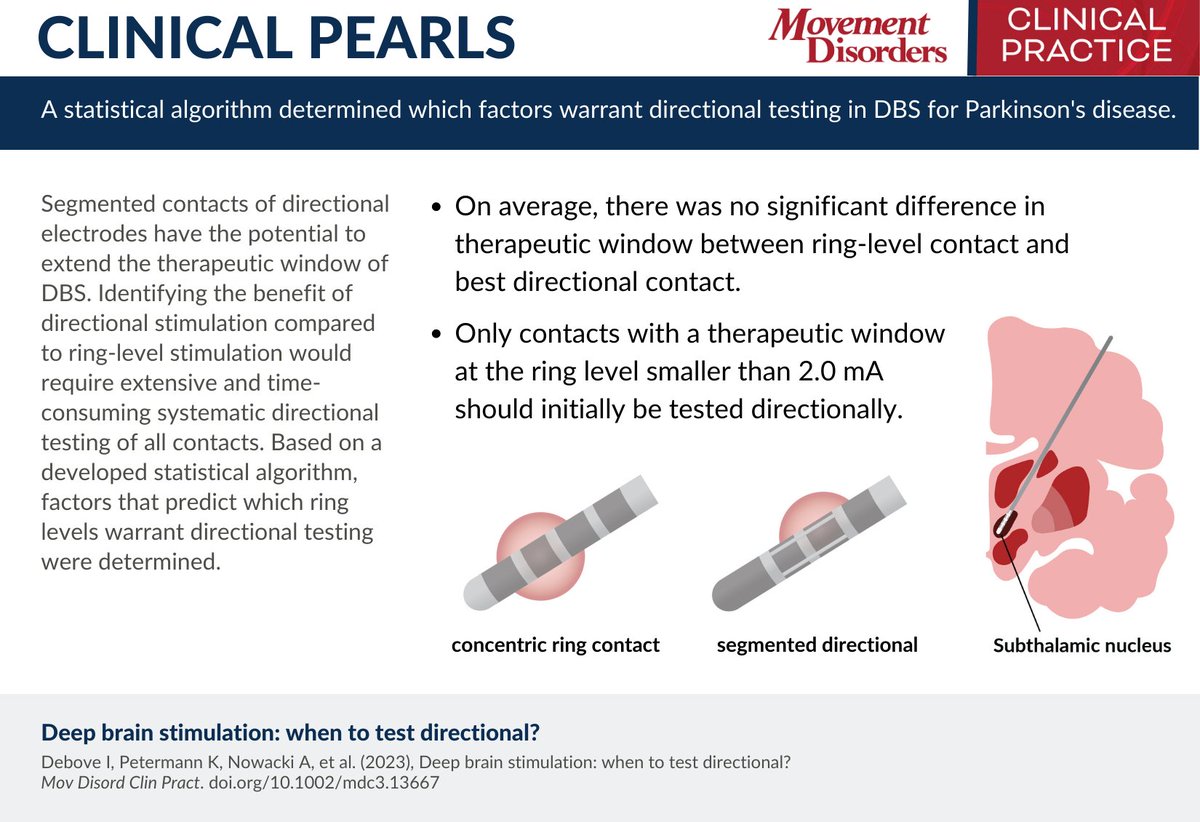
Clinical pearl: A statistical algorithm determined which factors warrant directional testing in DBS for #PD https://t.co/7sbSRy7lV7
From the newly published research article "Deep Brain Stimulation: When to Test Directional?" https://t.co/sN6J00A7hW
@InesDebove
Excited to share the results of our STEADY-PDIII and SURE-PD3 trial analysis.
When it comes to inclusion in large PD trials, NIH mandates matter.
@NINDStrials @NINDSDiversity @NeurologyCP
Movement disorders are particularly complex movement-related complications — making them especially difficult to diagnose, treat and understand. That is why we are promoting #MoveDisorder awareness.
Join us on a live event 29 November 2022
https://t.co/1WWbFeOWMF
Pseudogenes, previously considered meaningless, can interfere with genetic testing, affect gene expression, and induce mutations. @FraMagrinelli reviews what clinicians need to know about these "genomic fossils". https://t.co/49iIOK6iPB
Introducing the concept of protracted course Progressive Supranuclear Palsy: this operationalizes in two categories, clinical and neuropathological and provides a framework to investigate the biology underlying long duration of disease.
https://t.co/emVAJyusa7
Novel conditions for seeding assay distinguishes synuclein seeding in MSA from Lewy body disorders. Moreover, MSA brains show seeding heterogeneity. SEE: https://t.co/D1jzeRMuBO
BTW: For clinical translation, see: https://t.co/7WmiGLlSCU