@anon_opin Having run one of these shops, you have to understand that traders come round every morning buying up anything you’ve priced below the market rate to sell on.
On Saturday, after nearly a century, the long-wave transmitter at Droitwich fell silent, and the two old masts at Westerglen and Burghead with it. Most people won't have noticed. But something left the country on Saturday worth marking before it slips out of memory as well as off the air: the Shipping Forecast, in the form millions have grown up with, one of the primi among British institutions, read out on long wave to the fishing fleets and the insomniacs and anyone else still awake at the rim of the day.
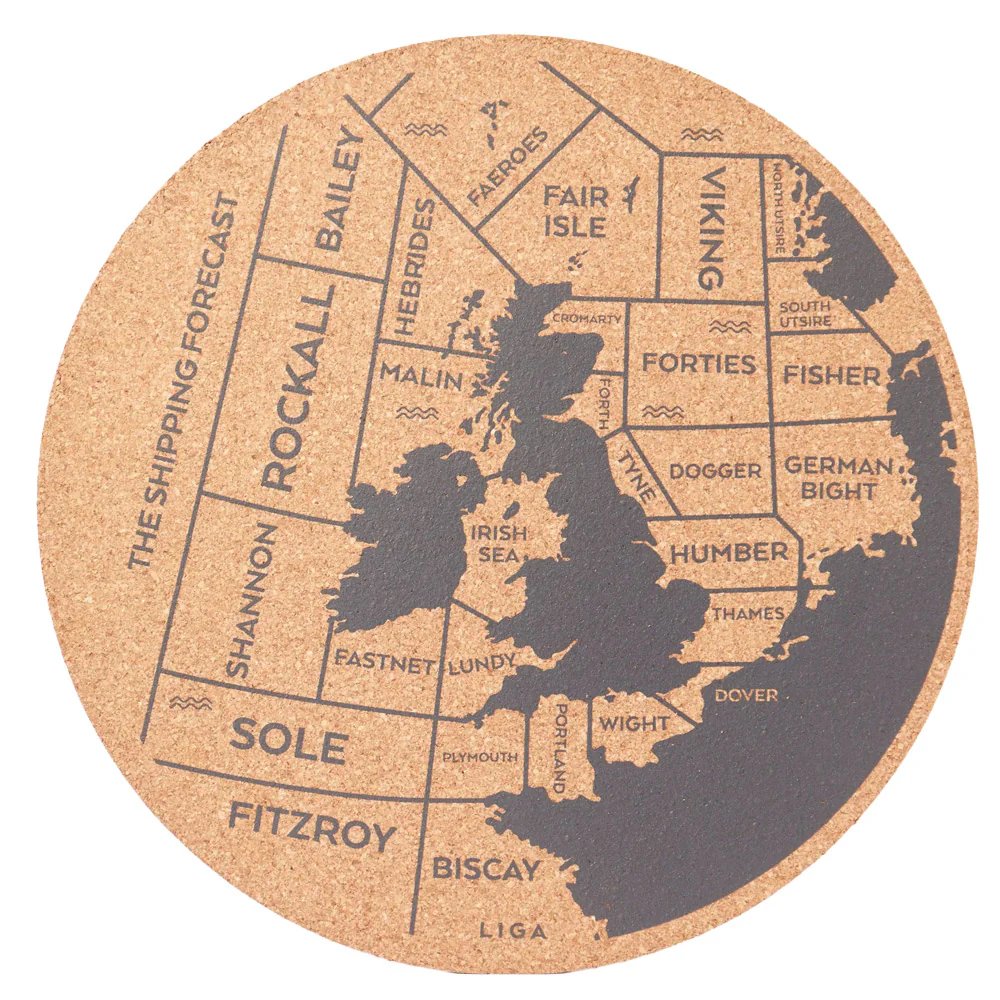
If you've ever heard it, you know the odd power of the thing. "Viking, North Utsire, South Utsire, Forties, Cromarty" - a litany of sea areas most listeners will never lay eyes on, in a cadence that hasn't altered in generations, read with the calm of a voice that assumes you are out there somewhere in the dark and means to see you home. It carried far more than the weather. It was among the last things the whole of Britain still heard at the same hour: the same words, the same rhythm, meaning the same thing to a trawlerman off Rockall and a sleepless accountant in Surrey. A aesthetic paradigm of our culture; supreme utility and sublime superfluity. A country that now shares almost nothing in common still shared that.
And there's a stranger fact again, one that lifts the whole business clear of nostalgia. By long-standing account, the Royal Navy's nuclear-missile submarines, hidden somewhere beneath the Atlantic with the nation's last deterrent aboard, used Radio 4 on long wave as one of their signs of life from home. If the broadcasts kept coming, Britain was still there. If they ever stopped, and stayed stopped, the commander was to open the sealed letter the Prime Minister had written out by hand, and learn what his country wished of him in a world that no longer contained it. The same mild signal that told a fisherman the wind in Dogger was, by that account, a pulse the end of the world would have been measured against.
It is fitting, and bleak, that a broadcaster which has spent years forgetting who it was ever for should choose this, of all things, to switch off. The BBC never seems short of money for the things it wants to do. It decided the cost of the old signal was no longer worth bearing, and silenced the one transmission that asked nothing of anybody and reassured everybody. The fishermen, the old, the sleepless, the men under the sea - none of them were an audience it cared to keep.
The forecast itself survives in other forms, on other frequencies; this is not the end of it. But the signal that carried it for a hundred years, and the idea it quietly stood for - that a nation is a thing held together by small shared rituals, faithfully kept, that ask nothing and bind everyone - that has fallen silent, and it fell without a fight. We let these things go one at a time, each too small to defend on its own, until we glance up and find there is nothing left that we all still do together.
How many more will we let go?
How many more will you let go?