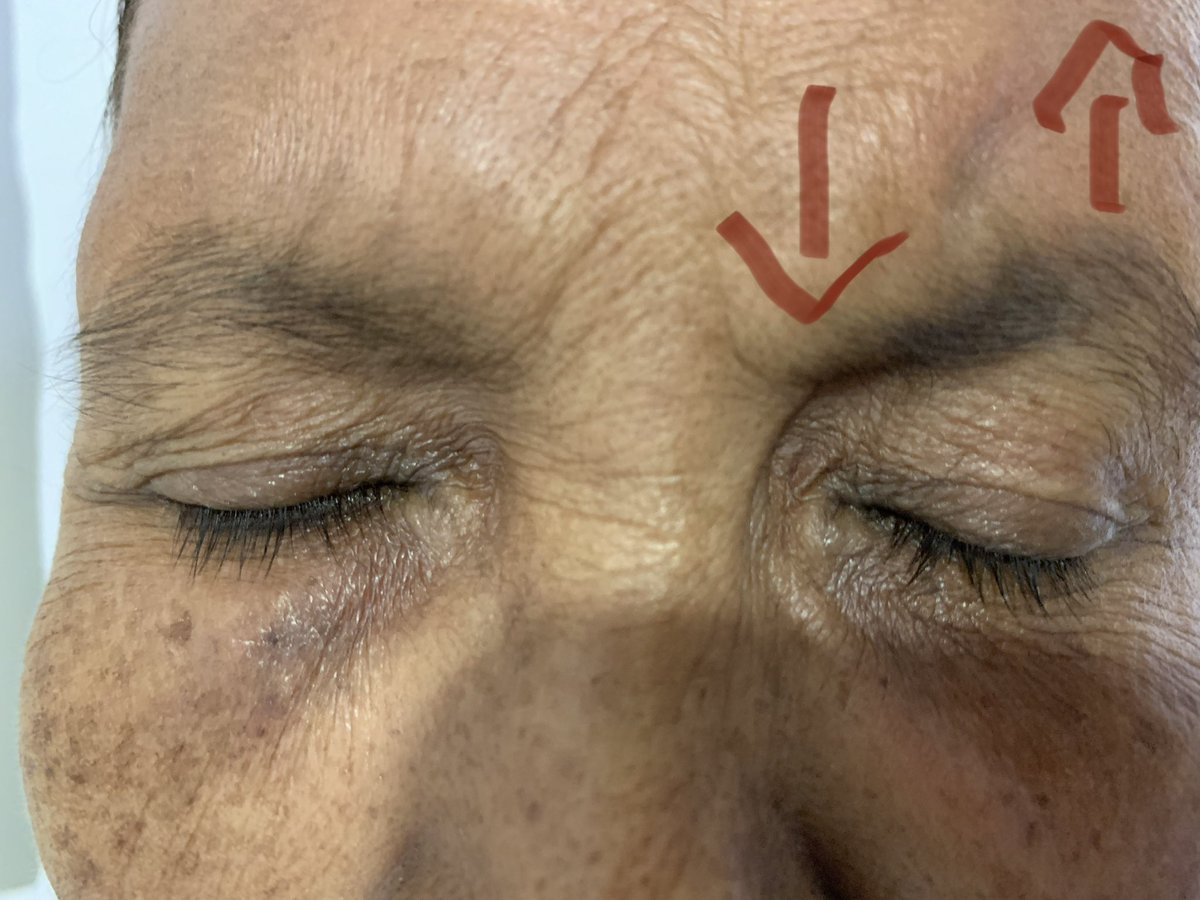
The other Babinski sign- In Hemifacial spasm-“orbicularis oculi contracts & the eye closes, the internal part of the frontalis pulls down the medial part while the lateral part rises” In Blepharospasm both parts go down. In functional disordes both parts go up with eye closure
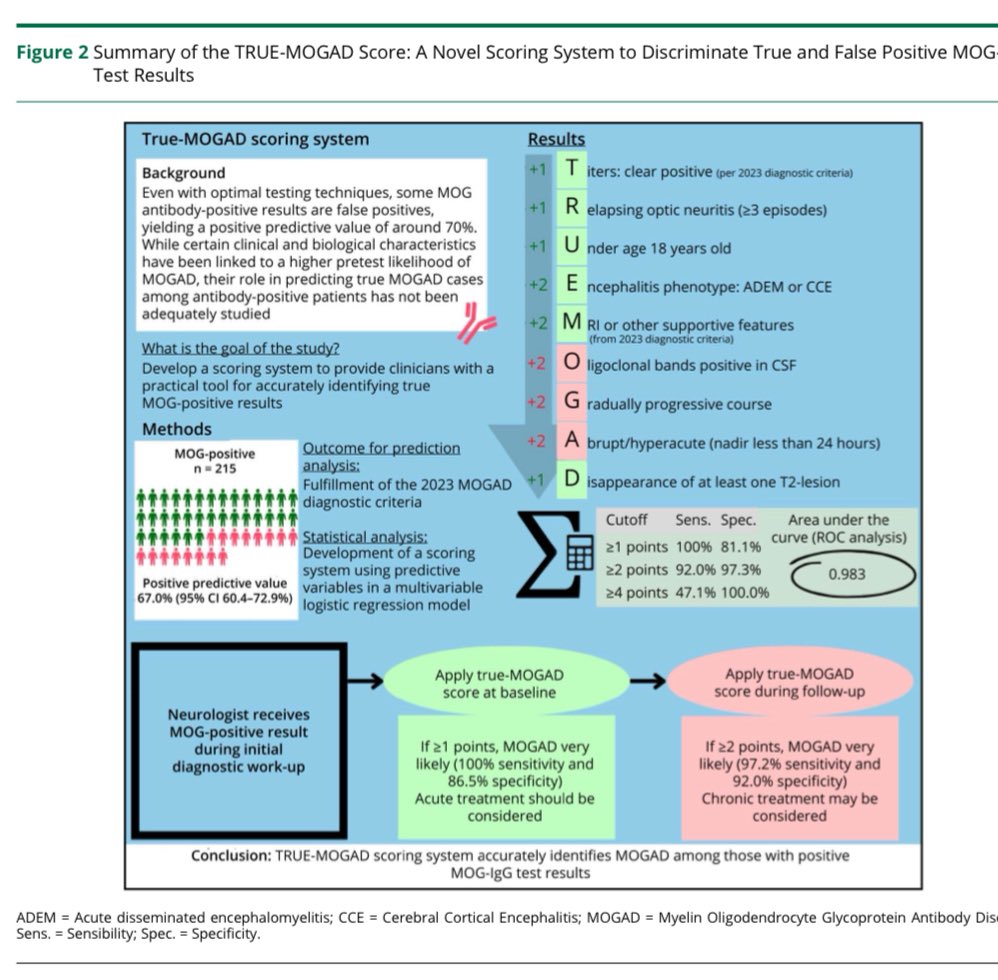
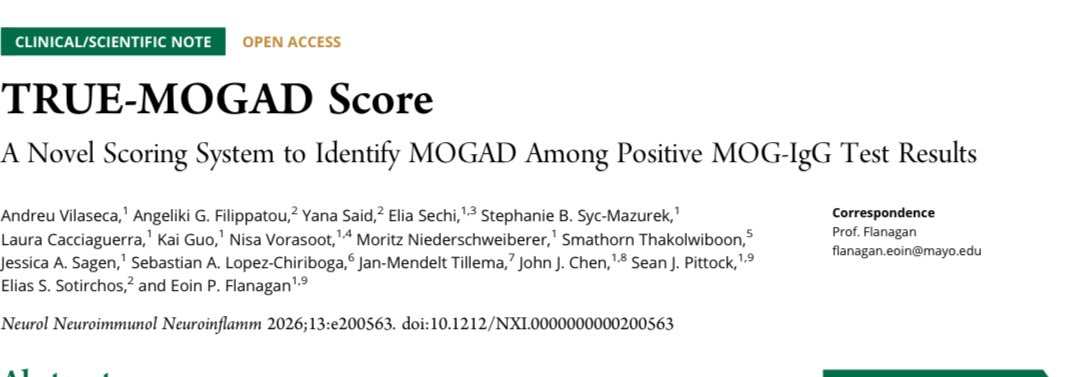
A positive MOG antibody result does not always mean MOGAD‼️
TRUE MOGAD Score helps neurologists worldwide estimate whether a positive MOG result is truly clinically meaningful.
Proud collaboration between @MayoClinic and @JohnsHopkins
Scan the QR code below to access the tool 👇🏽
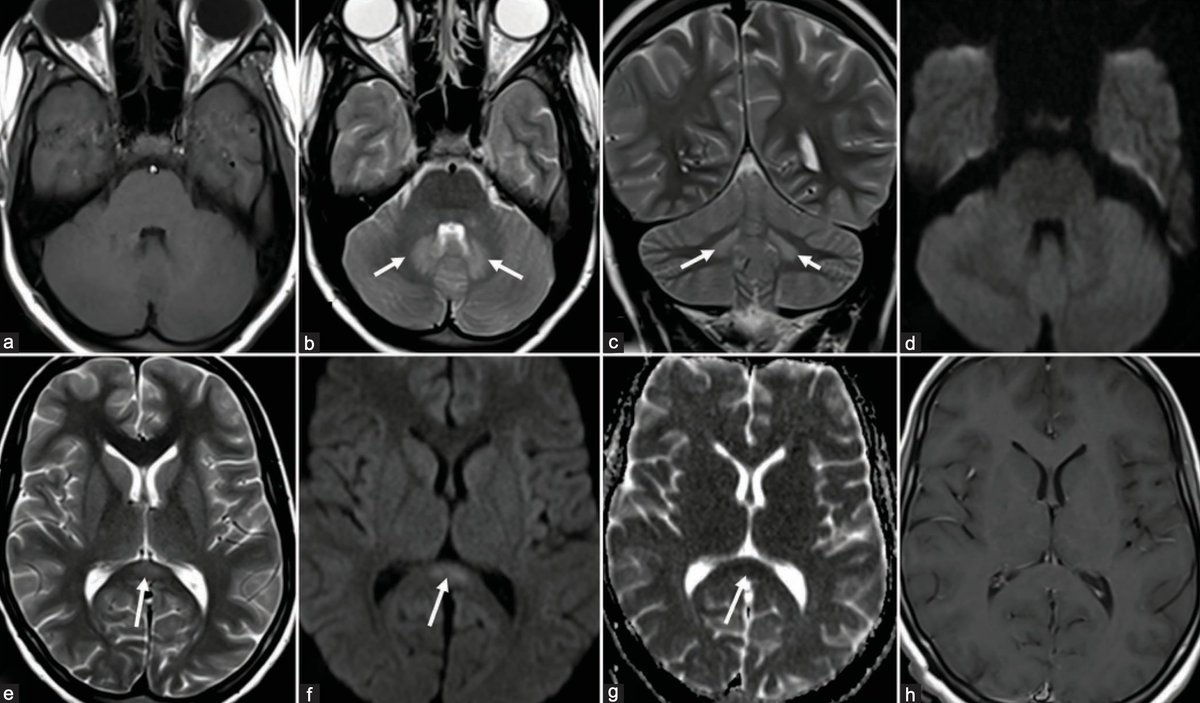
MERS (Mild encephalopathy with reversible splenial lesions) is commonly triggered by infections. @drayushagarwal et al described a rare case of enteric fever associated with MERS which also had bilateral dentate nucleus involvement @Divyani_Garg. Link: 10.4103/aian.aian_688_25
Recordatorio sobre Rivaroxabán: si la dosis indicada es de 15 mg o más, debe tomarse SIEMPRE con comida. Sin alimentos, su absorción cae drásticamente, lo que reduce su eficacia y aumenta el riesgo trombótico #Salud#Anticoagulantes#Medicina#SeguridadPaciente
Albanese et al. report on a peculiar and rare phenotype observed in a tertiary movement disorders centre. The patients presented a functional movement disorder with sustained shoulder elevation posture, frequent pain, and no identifiable cause 👉 https://t.co/ltRFqhEWA9
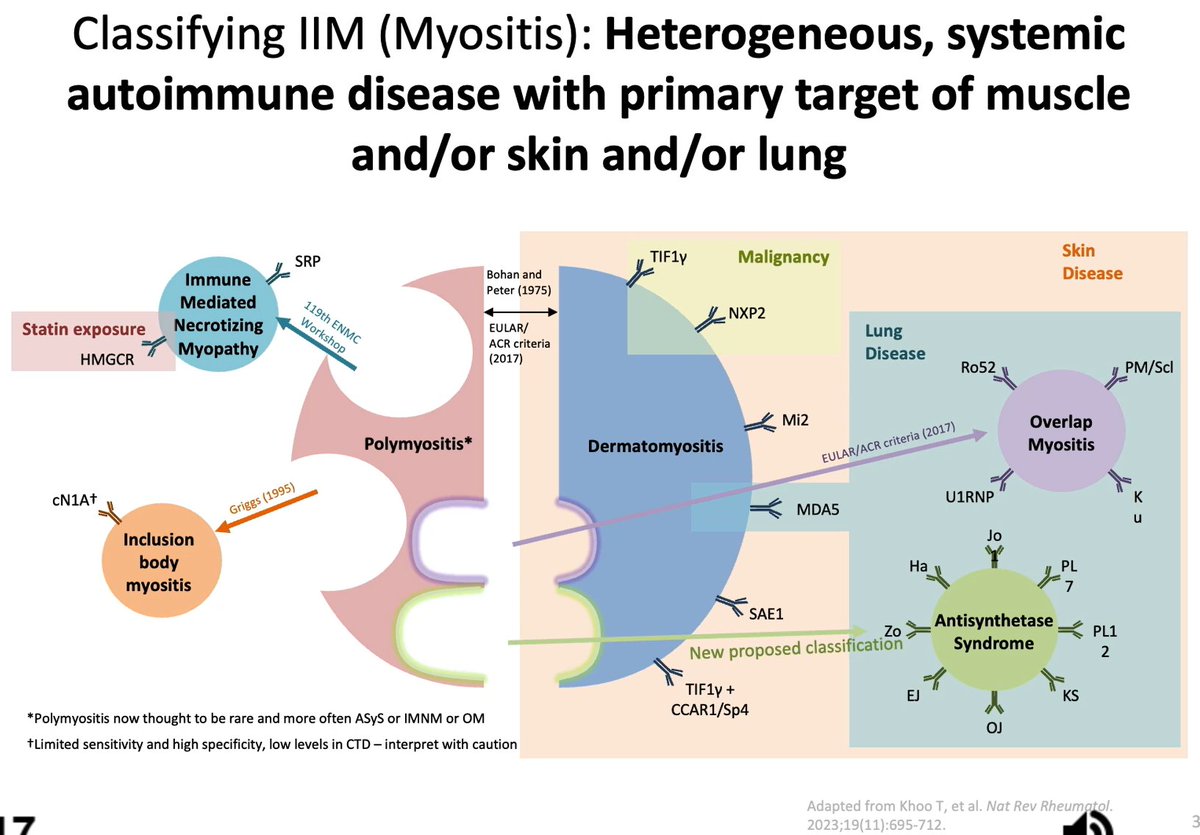
My new favorite myositis specific antibodies slide, c/o Dr. Rohit Aggarwal
Highlights the re-classification of prior cases of "polymyositis"
Covers nuance with CCAR1 & TIF1y pts (ie low risk of +CCAR1)
HJighlights lung cases (ie MDA5, overlaps, antisynthetase) #RNL26
Consejo no pedido: no cuentes sin permiso lo que le pasa a tus pacientes en una red social. Por muy interesante que sea. Puede leerlo paciente o familia. Y puede que les moleste que los uses para conseguir likes. Y llevarán razón. Y podrían denunciarlo. Tendrás que apechugar.
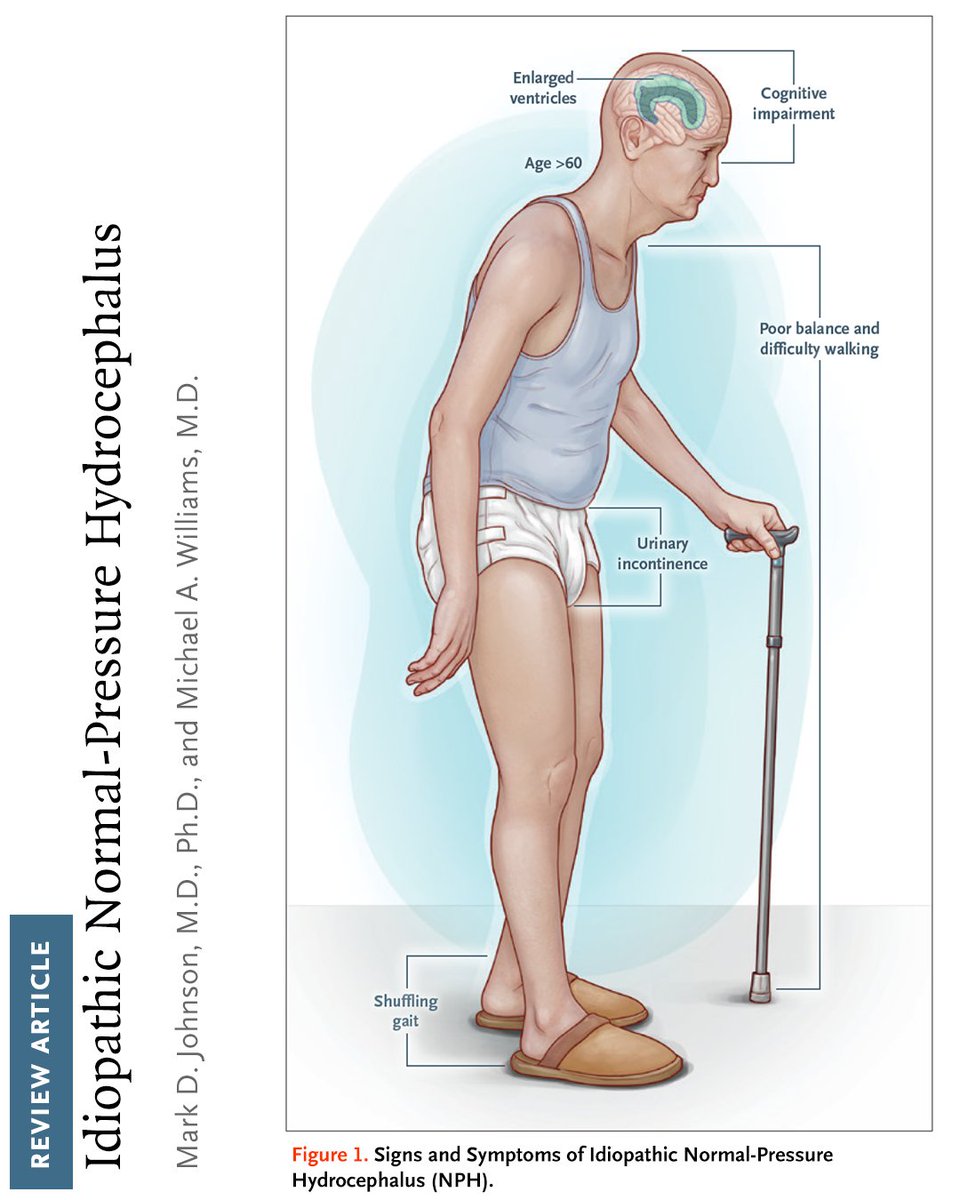
Idiopathic normal-pressure hydrocephalus (iNPH) typically causes gait, cognitive, and urinary impairment. The diagnosis is aided by a medical evaluation, imaging findings, and tests that predict improvement with CSF shunting.
Learn more in the Review Article “Idiopathic Normal-Pressure Hydrocephalus” by Mark D. Johnson, MD, PhD, and Michael A. Williams, MD, from @UMassChan and @UWMedicine: https://t.co/7dEFCRtN5W
Hay médicos que ejercen violencia disfrazada de tradición.
El “yo hacía ocho guardias seguidas” no es un mérito:
es un aviso de lo que nunca debe repetirse.
Is there an impostor in the brain? Is Capgras more common in Alzheimer's, Lewy Body Dementia or Parkinson's? Spoiler alert: Lewy Body is the most common presentation. Capgras can teach us both about identity and neurodegeneration. Capgras syndrome refers to a delusional misidentification in which someone believes a familiar person, often a spouse, has been replaced by an identical impostor. Watanabe and colleagues describe in a new paper in Brain, the largest ever series of Capgras cases studied at the Mayo Clinic. They explored causes, brain imaging patterns and clinical clues revealing that this rare and haunting syndrome is frequently linked to Lewy body disease and to widespread cortical dysfunction. They even show cases associated w/ tumors.
Key Points:
- Capgras syndrome most frequently occurs in neurodegenerative conditions, particularly Lewy body dementia (58%), followed by Alzheimer’s disease (10%) and mixed two hit cases (18%).
- Neuroimaging revealed bilateral cortical involvement, especially right frontal dysfunction, supporting the idea that Capgras arises when both hemispheres and emotional recognition networks are disrupted.
- The syndrome may emerge early in Lewy body disease and late in Alzheimer’s.
- The syndrome can occasionally improve w/ cholinesterase inhibitors, suggesting possible cholinergic mechanisms play a role.
My take: This paper represents a Herculean effort. BRAVO. Capgras is one of the most interesting phenomena in neurology. These 5 points resonated w/ me: 1- Recognizing a familiar face depends on both vision and emotion. When emotional familiarity is disrupted, the brain can possibly create an impostor story to explain the mismatch. 2- Capgras syndrome is more frequent in Lewy body dementia than in Alzheimer’s, and thus may serve as an early clue that a neurodegenerative process is underway. 3- Right frontal brain dysfunction appears to be key, however widespread brain involvement and mood changes likely contribute. 4- Symptoms frequently worsen in the evening and may respond partially to cholinesterase inhibitors or to other supportive therapies. 5-Seeking to understand Capgras, the authors believe is a path to help us to understand that emotion, memory and identity are all intertwined. We need to better appreciate that brain disorders can profoundly alter the way folks perceive loved ones.
https://t.co/1xhjRpfyFN @Brain1878@FixelInstitute@ParkinsonDotOrg@alzassociation@lewybodyny@LBDAssoc
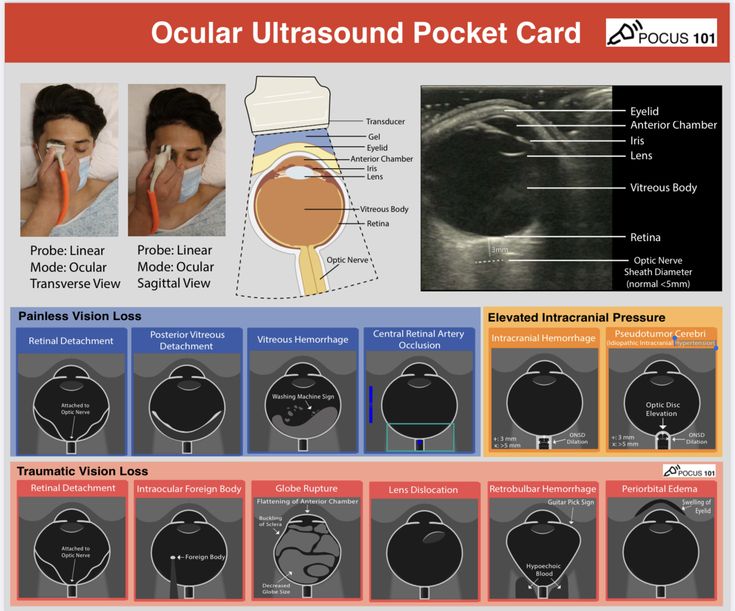
ocular ultrasound pocket card for quick reference on painless and traumatic vision loss, plus signs of elevated intracranial pressure. Do we have colleagues who perform ocular ultrasounds in ophthalmology clinics, and what common diseases do you encounter?
#ultrasound_sonologist
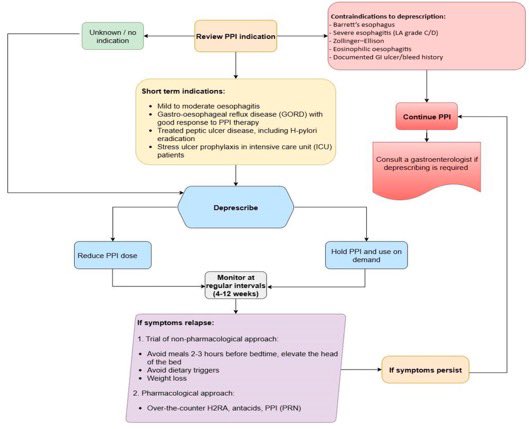
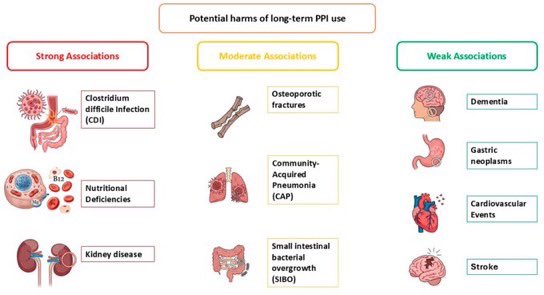
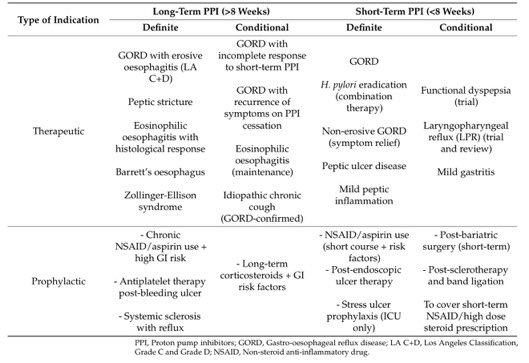
PPIs are one of most commonly (and often inappropriately) prescribed drug classes out there. This is a “Must Read” state-of-the-art review paper on PPIs, covering indications, harms & a guide for deprescribing 🆕 💊⚠️
🔗 https://t.co/lYyY8ymkcr
H/T @drkeithsiau
Biomarcadores en sangre para la enfermedad de Alzheimer: posicionamiento y recomendaciones de uso del Grupo de Estudio de Conducta y Demencias de la Sociedad Española de Neurología https://t.co/LHXdqQCV82
Si la Medicina Preventiva hubiera sido más de la Comunidad y menos individualista, más política y social y menos preocupada en vender medicamentos y expandir el miedo, puede que otro gallo nos hubiera cantado