NAMI is deeply concerned by new Medicaid work reporting rules that could make it harder for people living with mental illness to keep health care coverage — even during periods when symptoms worsen and support is needed most.
Learn more: https://t.co/rpozFhlaf9
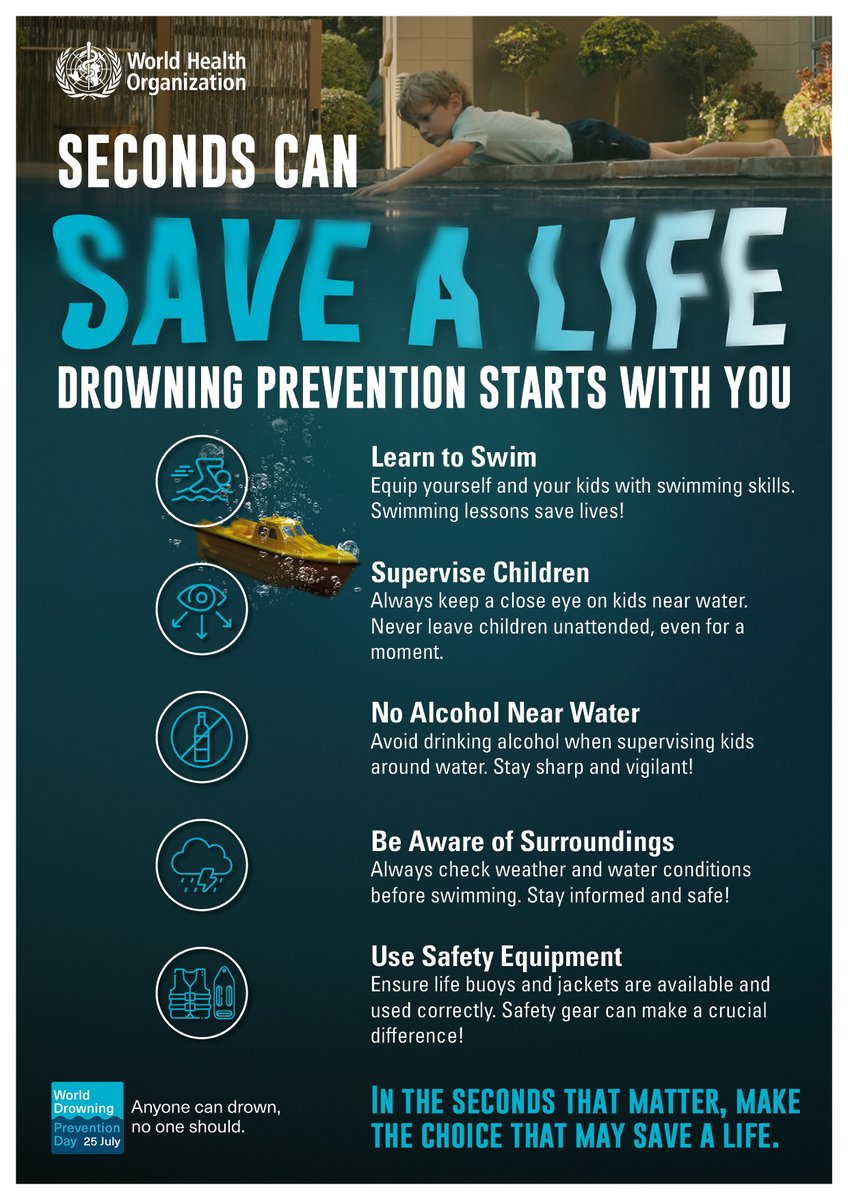
Anyone can drown, no one should.
Drowning prevention starts with YOU:
👀 Supervise children & don’t look away when they're near water
🦺 Use safety equipment like life jackets & make sure they’re in place before going out on a boat
🏊♂️ Learn to swim, or if you can’t swim, stay away from the water
🌧️ Check the weather conditions, the depth of the water & the strength of the current before entering the water
🚫 Don’t drink alcohol near water. It dulls your senses & can cause fatal accidents near water
Remember! Drowning is often silent & goes unnoticed.
Watch for the signs when someone is struggling to stay afloat, it’s never too soon to respond.
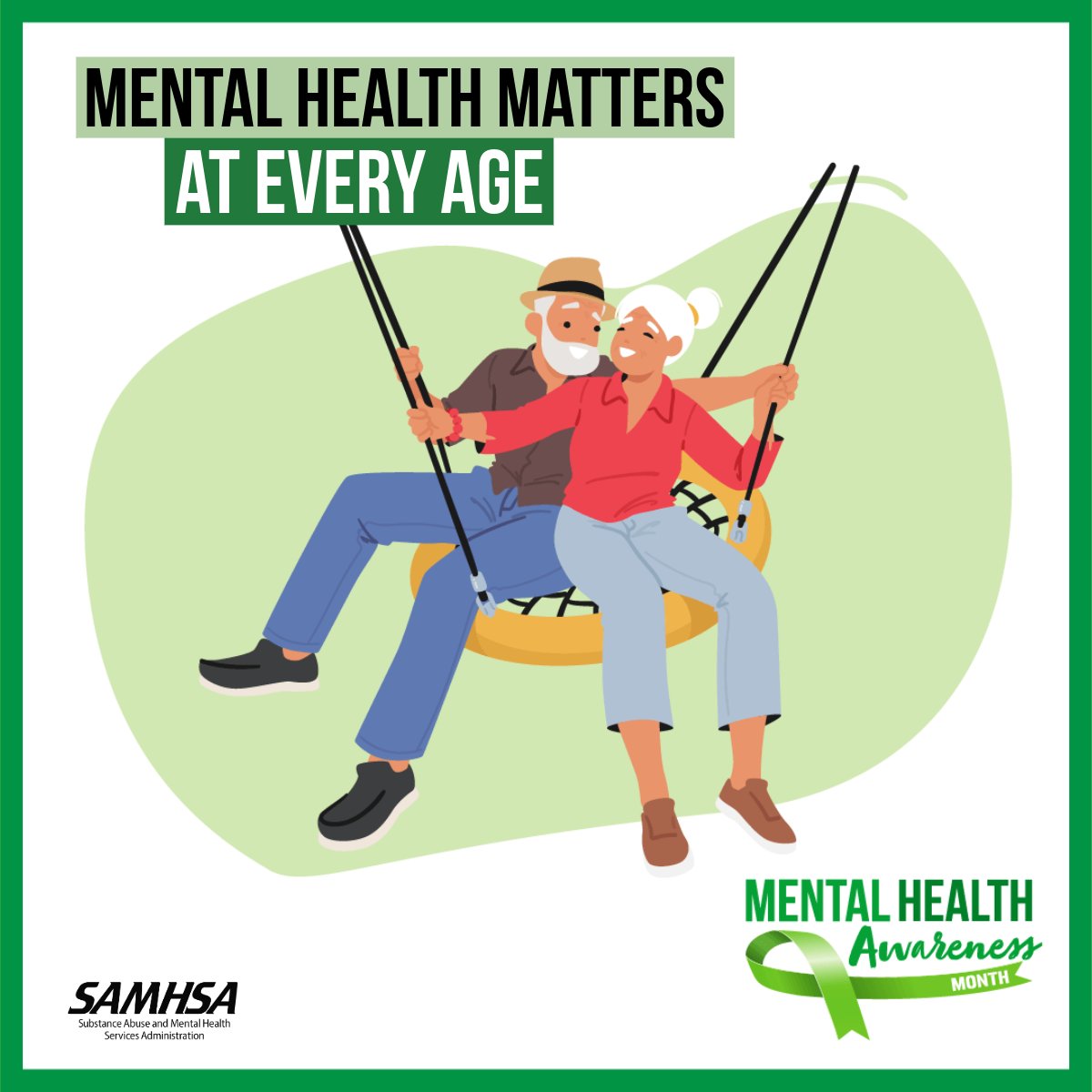
Healthy aging includes mental health. SAMHSA offers resources to help older adults and caregivers find support, connect to care, and improve well-being at every stage of life. Learn more: https://t.co/pSTduJyqpG
🧠 YOUR BRAIN CHANGES WHEN YOU’RE ALONE TOO LONG…
Scientists say isolation may actually change the physical structure of your brain.
A landmark study discovered that long-term social isolation is linked to shrinking in areas of the brain connected to memory, emotions, and decision-making.
The scary part? Many people don’t notice it happening until the effects start showing up as stress, forgetfulness, anxiety, or emotional numbness.
Researchers believe the human brain is built for connection. When meaningful social interaction disappears, the brain can slowly begin to weaken — almost like a muscle that is no longer being used.
But here’s the mysterious part… even small moments of connection can help protect the brain. A conversation, laughter, or simply spending time with people you trust may do more for your mind than anyone once imagined.
Sometimes the most dangerous silence is the one we live in every day
Source Liu, Y., et al. Social isolation and neurocognitive health: Emerging evidence from brain imaging studies. Nature Reviews Neuroscience.
#WorldSchizophreniaDay
Schizophrenia can be extremely disruptive to a person’s life. However, with consistent treatment—a combination of medication, therapy, and social support—people with schizophrenia can manage the disease and lead fulfilling lives: https://t.co/1IvFJLlRsq
Nothing kills you faster than chronic worry.
When you stay trapped in constant anxiety over things you can’t change, you’re not just losing your peace of mind—you’re quietly injuring your physical health.
Persistent worry keeps your stress-response system permanently switched on, flooding your body with cortisol and adrenaline. Over time, this chronic activation grinds down essential systems: it suppresses immune function, leaving you more prone to infections and possibly even cancer; it drives up blood pressure and hardens arteries, sharply raising the odds of heart attack and stroke.
The fallout continues. Excess cortisol throws digestion into chaos, sparks frequent headaches, and locks muscles in painful tension. On top of that, many people cope by overeating, smoking, or drinking—habits that pile on even more damage.
Letting go of what’s beyond your control isn’t just good emotional advice; it’s one of the most powerful things you can do to protect your long-term health.
[American Psychological Association. (2023). Stress effects on the body]
Mental health touches every one of us either directly or through someone we love. Let’s commit to talking about it with the care and honesty it deserves. https://t.co/efto0pQ5pj
#MentalHealthAwarenessMonth#SeeThePerson
The CDC issued this Health Alert Network (HAN) Health Advisory to inform clinicians and health departments about the hantavirus disease cases caused by infection with Andes virus. The risk to the public's health in the United States is considered extremely low at this time. As a precaution, CDC is working to increase awareness of the outbreak among travelers, public health agencies, laboratories, and healthcare professionals nationwide. https://t.co/DV7S2yQXs4
WHO is aware of and supporting a public health event involving a cruise vessel sailing in the Atlantic Ocean. To date, one case of hantavirus infection has been laboratory confirmed, and there are five additional suspected cases. Of the six affected individuals, three have died and one is currently in intensive care in South Africa.
Detailed investigations are ongoing, including further laboratory testing, and epidemiological investigations. Medical care and support are being provided to passengers and crew. Sequencing of the virus is also ongoing.
Hantavirus infections are typically linked to environmental exposure (exposure to infected rodents’ urine or faeces). While rare, hantavirus may spread between people, and can lead to severe respiratory illness and requires careful patient monitoring, support and response.
WHO is facilitating coordination between Member States and the Ship’s operators for medical evacuation of two symptomatic passengers, as well as full public health risk assessment and support to the remaining passengers on board. WHO is grateful for the rapid actions and coordination.
We have informed our National Focal Points according to the International Health Regulations and a Disease Outbreak News for the public will be issued.
Supporting someone living with a serious mental illness starts with understanding. Learning about mental health conditions can help you respond with empathy and confidence. Learn more: https://t.co/ppOh05U9P7
#MHAM2026#SeeThePerson
#MentalHealthMatters at every age! Life changes as we grow older can impact well-being—but support is always available. Learn how to care for yourself or a loved one and find help: https://t.co/pSTduJyqpG
Our observance of #NationalChildAbusePreventionMonth focuses on reducing Adverse Childhood Experiences (ACEs) & encouraging Positive Childhood Experiences (PCEs). PCEs can help prevent toxic stress, buffering against the negative lifelong health effects ACEs can create. @CA_OSG
You don't really need 10,000 steps to protect brain health. A new study finds that just 3,000 a day could lessen your risk for Alzheimer’s, but 5,000-7,500 would be even better. Here's why. https://t.co/D38yKkxDUS
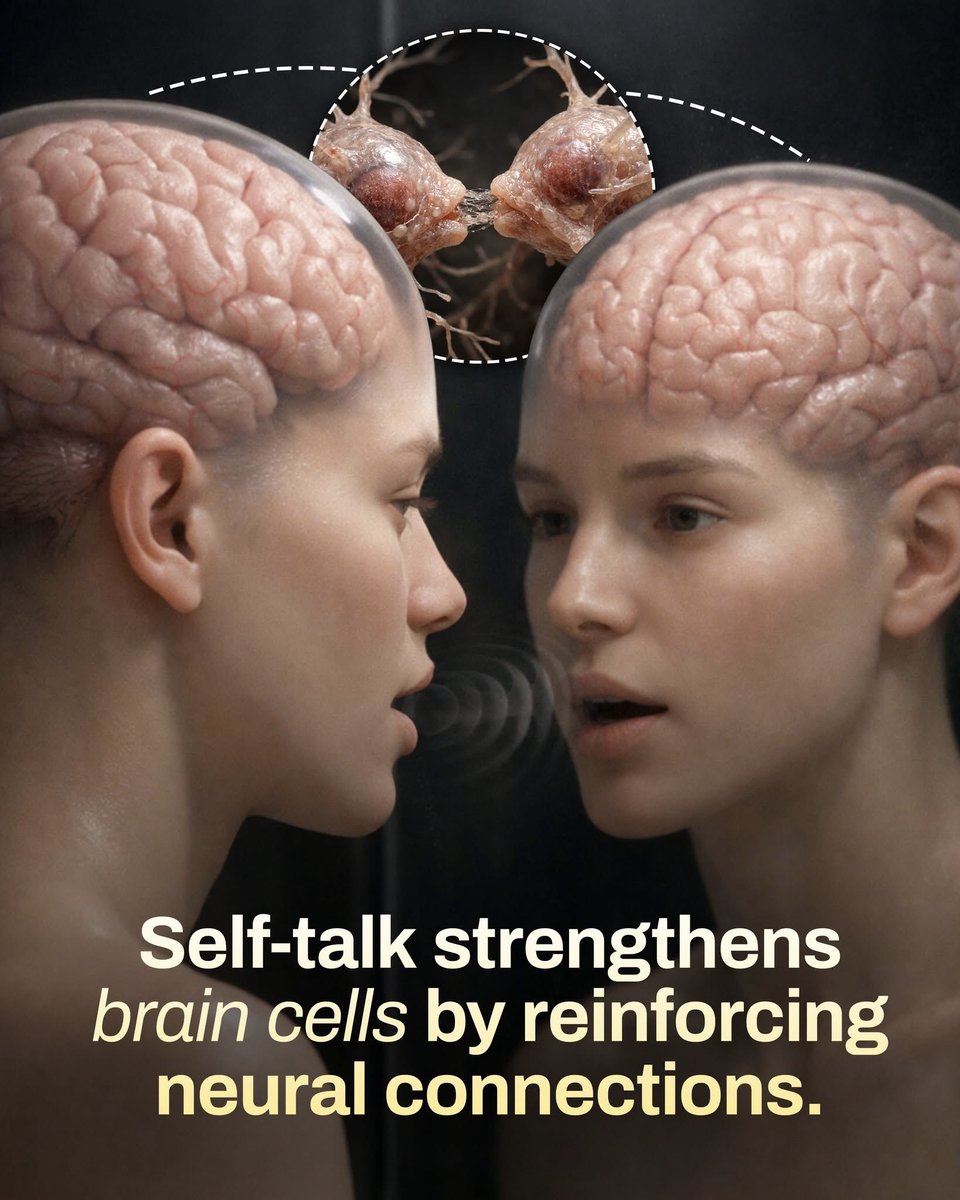
🧠 THE HIDDEN POWER OF THE VOICE IN YOUR HEAD
Your “self-talk” isn’t just thoughts—it may actually help shape your brain. Scientists suggest that the way you speak to yourself can strengthen neural connections, almost like exercise for your mind.
Positive self-talk may support learning, focus, and emotional control, while negative self-talk can reinforce stress and anxiety patterns over time. In simple terms, your brain listens closely to what you repeat inside your mind.
So the quiet words you say to yourself every day might be doing more work than you think.
Source: Harvard Health Publishing. (n.d.). The power of positive self-talk and brain health. American Psychological Association.






![Rainmaker1973's tweet photo. Nothing kills you faster than chronic worry.
When you stay trapped in constant anxiety over things you can’t change, you’re not just losing your peace of mind—you’re quietly injuring your physical health.
Persistent worry keeps your stress-response system permanently switched on, flooding your body with cortisol and adrenaline. Over time, this chronic activation grinds down essential systems: it suppresses immune function, leaving you more prone to infections and possibly even cancer; it drives up blood pressure and hardens arteries, sharply raising the odds of heart attack and stroke.
The fallout continues. Excess cortisol throws digestion into chaos, sparks frequent headaches, and locks muscles in painful tension. On top of that, many people cope by overeating, smoking, or drinking—habits that pile on even more damage.
Letting go of what’s beyond your control isn’t just good emotional advice; it’s one of the most powerful things you can do to protect your long-term health.
[American Psychological Association. (2023). Stress effects on the body]](https://pbs.twimg.com/media/HIgP4ChWIAE-s_-.png)