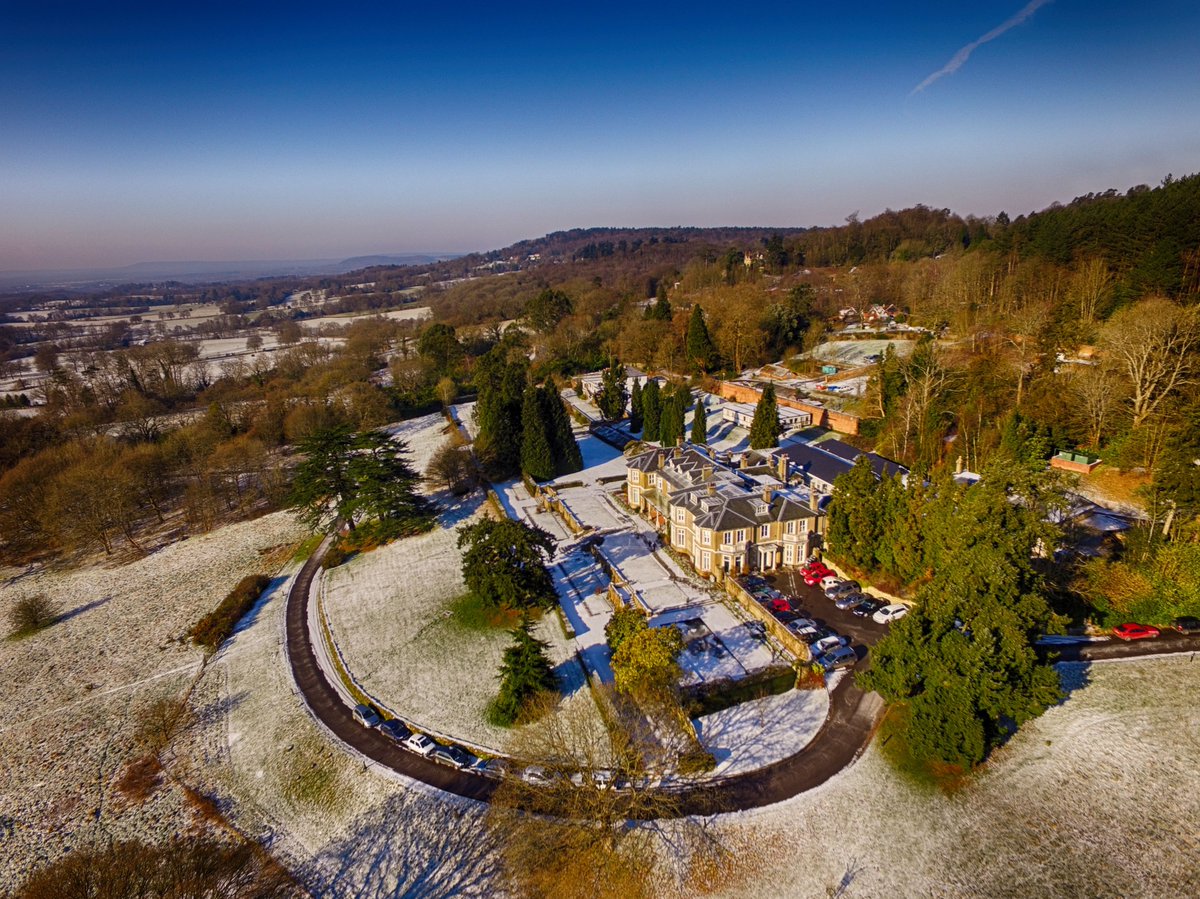
Spent the last few days with this great group working on how we develop our understanding of the radiation belts and even test some of the basic assumptions that go in to that understanding @NERCscience@MSSLSpacePlasma@MSSLSpaceLab#TeamRadBelts https://t.co/a4BFXD76s0
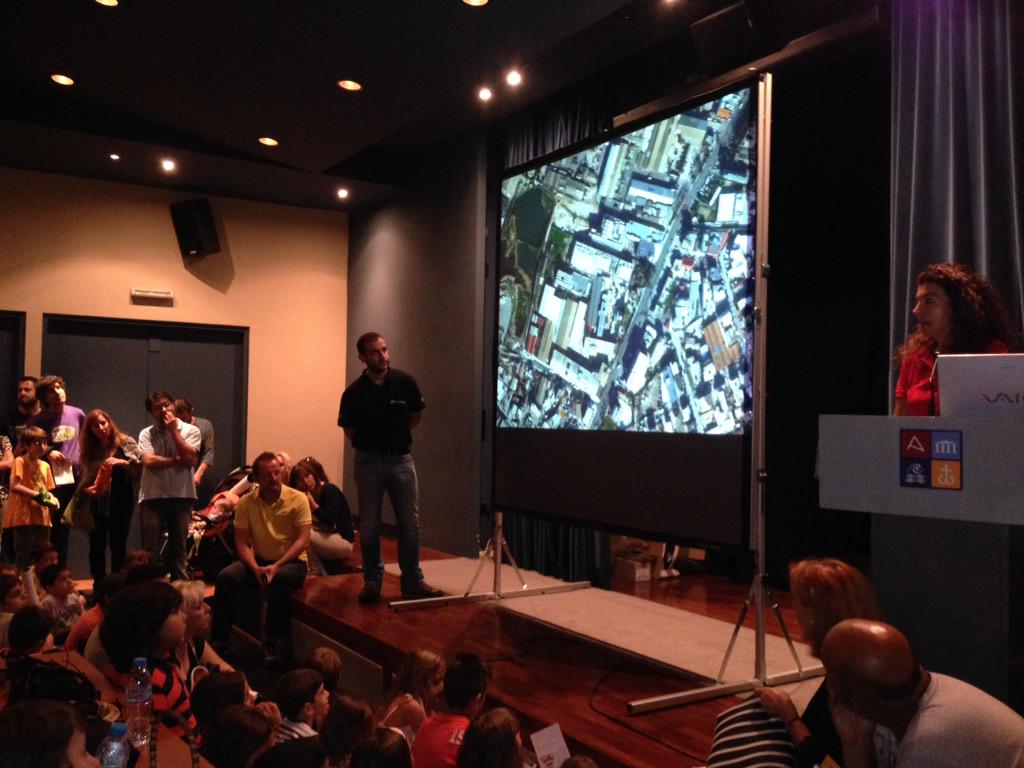
Our radiation belt team is having a fantastic time at the AGU Chapman conference discussing the latest advances in the field with our international colleges! #portugal#space#research#science#conference
Michaela Mooney, PhD Student: "My research uses satellite images of the polar caps to study the dynamics of the auroral oval during substorms. Substorms often result in stunning displays of the aurora but can damage essential networks and services on Earth." #Iamaphysicist
Honghong Wu, PhD Student: 'I study kinetic Alfvén waves (KAWs) in the solar wind with a turbulent background. Through observation, I study whether the two fluid model or full kinetic theory best describes KAWs, and what role turbulence plays.' #Iamaphysicist
Nadine Kalmoni, Research Associate: “I study plasma instabilities to understand how energy stored in space is dissipated into the Earth’s polar ionospheres to create the aurora. This will improve predictive capabilities for the aurora in the future” #Iamaphysicist
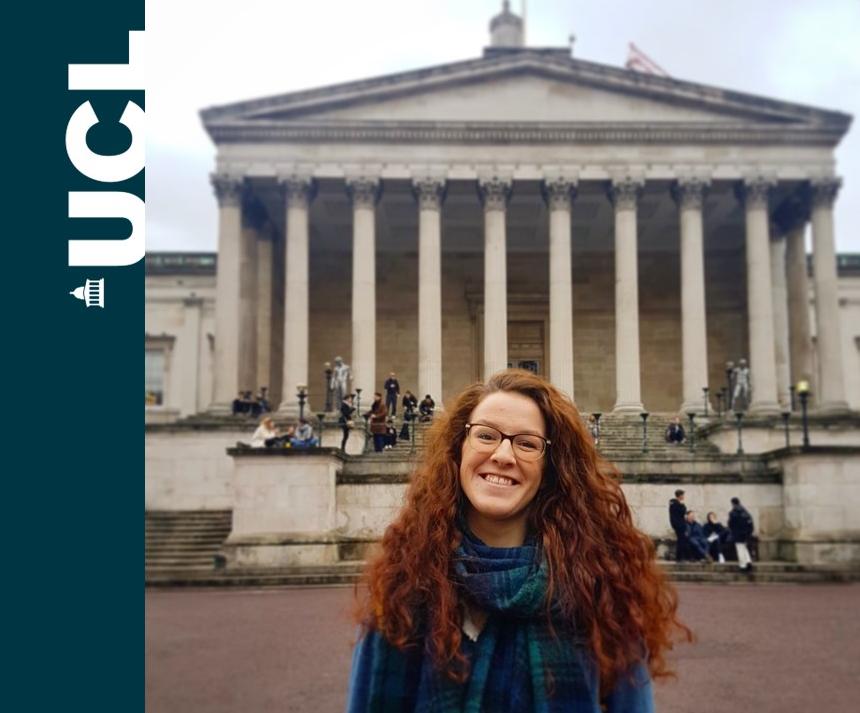
Frances Staples, PhD Student: “I study how electrons escape Earth's radiation belts - rings of extremely energetic charged particles trapped by our planet's magnetic field. This loss is important to understand when forecasting space weather.” #Iamaphysicist
Jasmine Sandhu, Research Associate: “My research involves using spacecraft data to explore the terrestrial magnetosphere. I’m interested in understanding how the substorm process energises the ring current, and the variability in the ring current response.” #Iamaphysicist