This isn’t getting nearly enough attention.
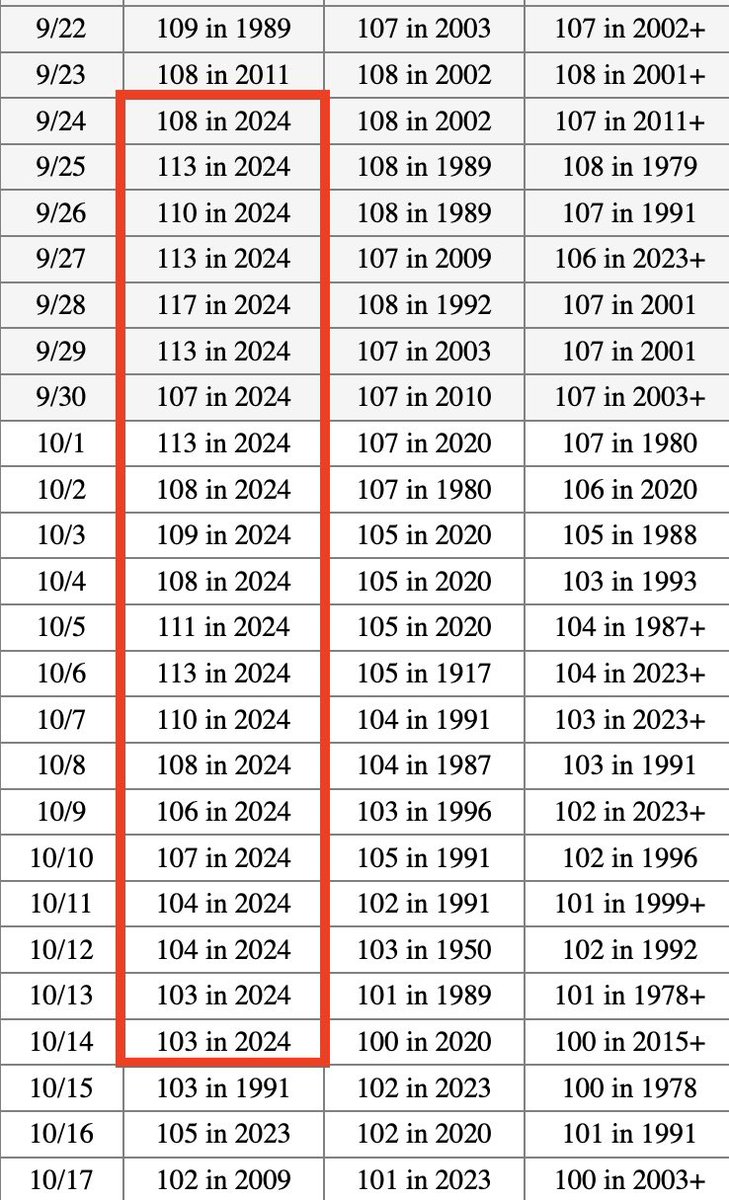
Phoenix may have just experienced the most extraordinary heatwave in American history.
The city endured 21 consecutive days of record-breaking high temperatures, shattering the previous record of 14 days set in Burlington, Iowa, during the Dust Bowl Era in 1936.
Today marked the first day since September 24th that Phoenix didn’t hit a new record high. Truly mind-blowing.
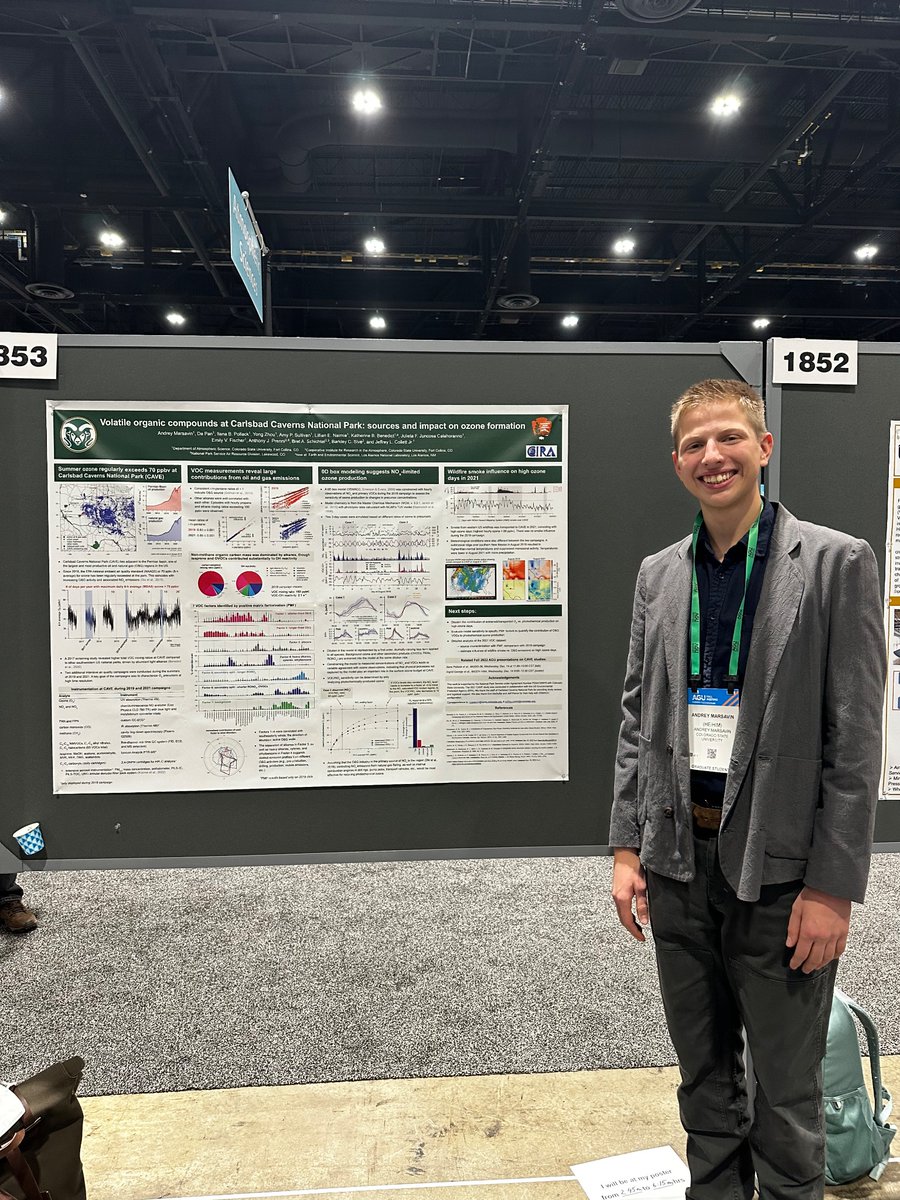
@NASA The @NatlParkService is one of many groups already using TEMPO data. Oil and gas emissions in southeast New Mexico have affected air quality at @CavernsNPS and the team is using TEMPO data to monitor air quality in the area.
“Our measurements confirm that activity such as drilling and natural gas flaring is a major driver of the high ozone levels we see,” - Andrey Marsavin, a @GradSchoolCSU student at @CSUEngineering
https://t.co/s1jDEOXsvn
It's official! We're on and working. Check out our first light images, which give a preview of our ability to track nitrogen dioxide on an hourly basis in geographic areas as small as four square miles! #AirQuality
Full story: https://t.co/JRGWuJx7yz
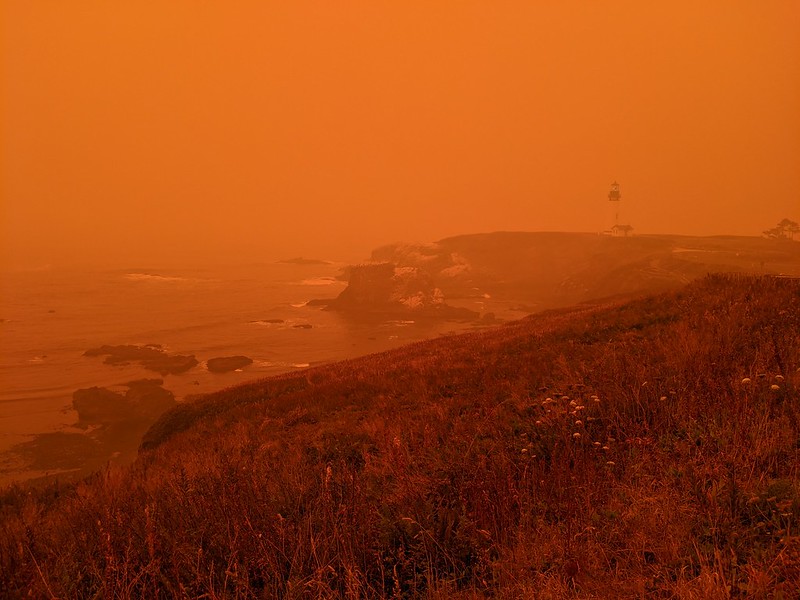
With smoke already wafting across the continent, preventing wildfires is at the top of many people’s minds. Prescribed burns in key parts of the western U.S. will be key. 🧵 (1/8)
📸: BLM Oregon
We are deeply saddened to hear of the passing of bossa nova singer Astrud Gilberto.
One of the most important figures of the bossa nova movement, she worked with Antonio Carlos Jobim on developing bossa nova, a musical style that combined Brazilian samba rhythms and jazz.
New research article: Constraining emissions of volatile organic compounds from western US wildfires with WE-CAN and FIREX-AQ airborne observations https://t.co/glpBSwClcd
Observations from the top of Mt. Bachelor show that prescribed fires in Oregon have different emissions than wildfires.
Read the new #OpenAccess study from @marsavinandrey and @julianefry in #ESATMOS now ➡ https://t.co/LcPbGmLhKy
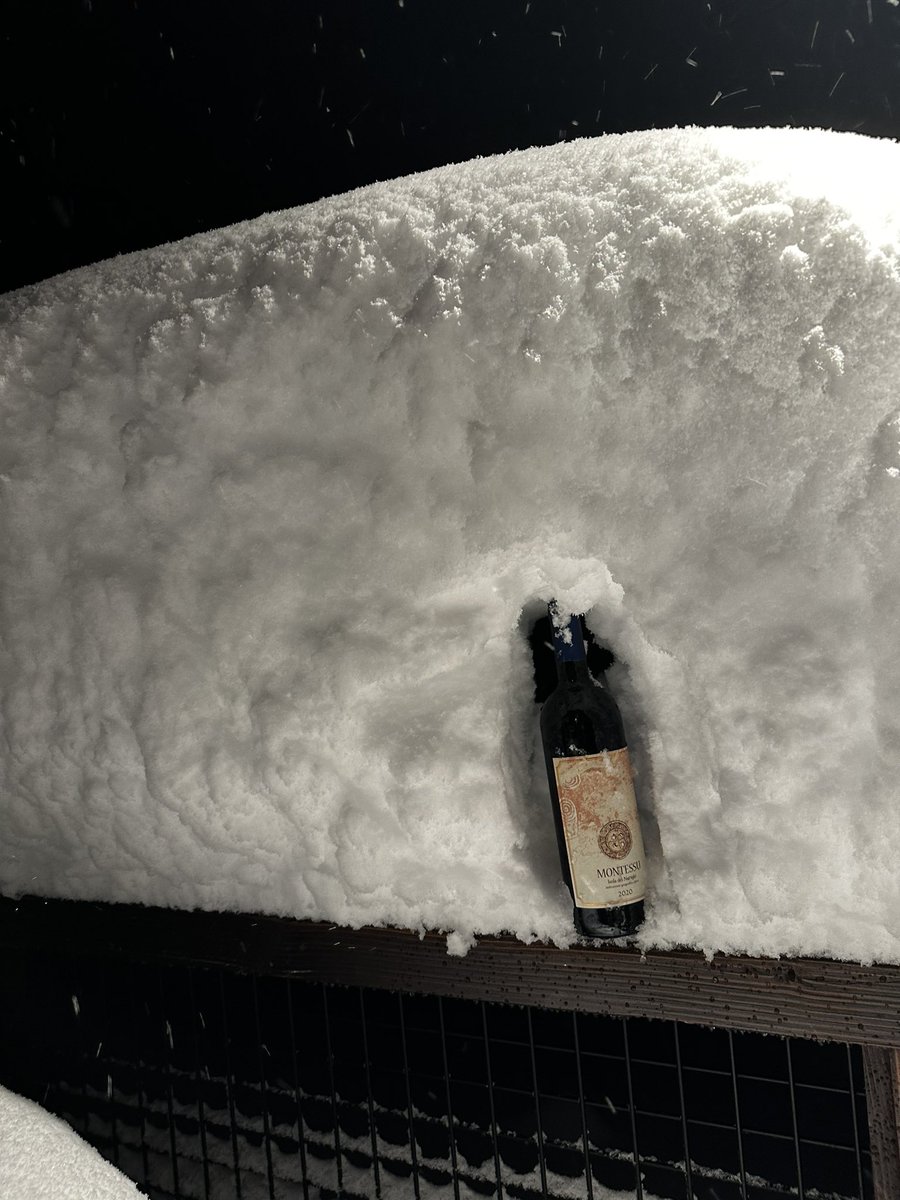
@TylerBarbero Everything changed in just a few minutes—winds picked up, temps dropped, dust everywhere… currently snowing with about 1/2 inch accumulated
#Fiona's central pressure is down to 932 hPa - the lowest pressure for a #hurricane this far north (30.8°N) in the open Atlantic (e.g., excluding the Gulf of Mexico) in the satellite era (since 1979).