We live in the Goldilocks zone — not too close, not too far from the Sun. ☀️ But even our life-giving star has a dark side.
Planetary scientist Dr. Nina Lanza @marsninja explores how a massive solar storm could shut down the internet, disrupt hospitals, and halt clean water supplies — a reminder of just how fragile our tech-dependent world really is. Using ancient ice from Greenland and Arctic lakes, scientists are uncovering clues to predict these cosmic threats, study black holes, and even search for signs of alien life. ❄️🌌
Discover the fascinating links between ice, space, and survival in Lift the Ice, streaming now on #CuriosityStream.
.
.
.
#LiftTheIce #DrNinaLanza #SolarStorms #PlanetaryScience #CuriosityStream #WatchAndWonder #SpaceScience #CosmicMysteries #ArcticResearch #AlienLife
Have you, like me, been thinking about how we might create sustainable habitats and ecosystems beyond Earth? 🌊🦠🍃 If so, please consider submitting an abstract to our session P008 for @theAGU Fall Meeting 2025. Deadline is next Wed July 30th!
https://t.co/11Y4uw1OGC
Today I and 11 other scientists describe in Nature Astronomy how recent breakthroughs in launch capabilities, climate, and synthetic biology demand a new assessment of the feasibility of terraforming Mars.
@edwinkite@marsninja@CharlesCockell@RamsesSpaceman@johncumbers@mason_lab
https://t.co/AH1H9oSuPO
1 million laser zaps for Curiosity! ⚡ The ChemCam instrument, developed at Los Alamos National Laboratory, recently fired its laser for the 1 millionth time on Mars.👇 https://t.co/eDHKsuxZz8
Congratulations to @MarsCuriosity and the team for surpassing 1 million laser shots on the Red Planet! The rover uses ChemCam to analyze rocks and soil.
Did you know? ChemCam was the only laser operating on Mars until @NASAPersevere brought SuperCam in 2021.
Also on stage, an all-star lineup of explorers, including Lhakpa Sherpa, who holds the record for the most Mt. Everest summits by a woman; Dr. @marsninja, principal investigator on the Mars Rover's ChemCam; and astronaut @RichardGarriott, current president of The @ExplorersClub.
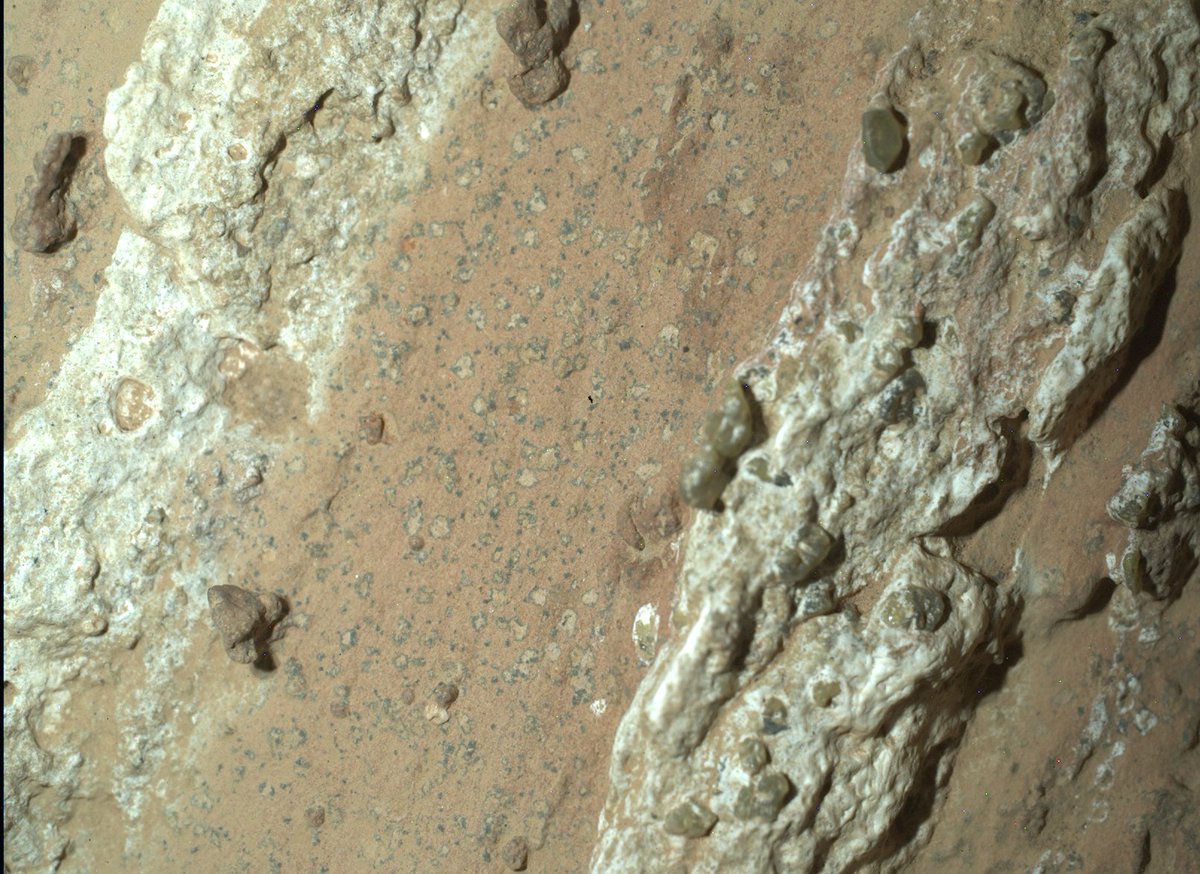
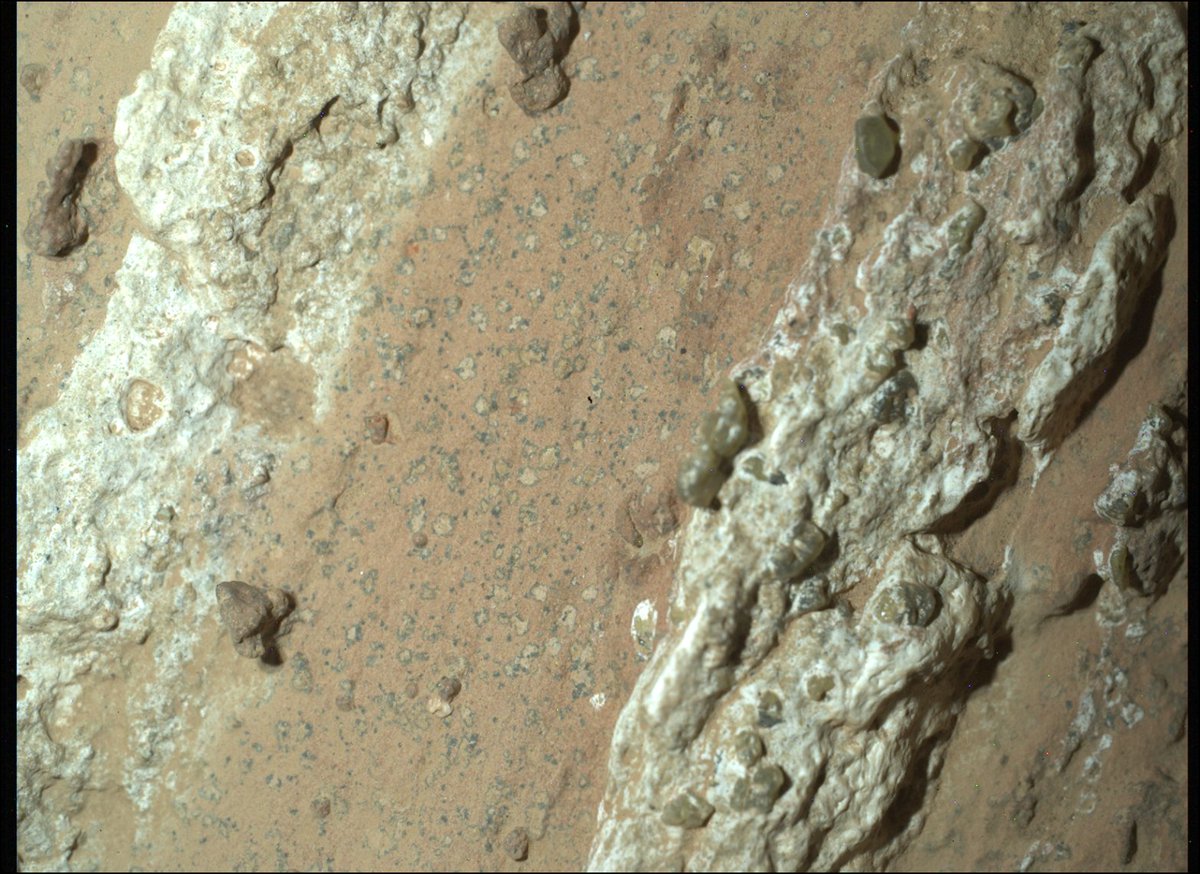
Look closely 👀
These “leopard spots” on a Martian rock are clues pointing to possibly the best signs of ancient microbial life we’ve found yet on Mars. To know for sure, we need to study the rock in labs on Earth.
More on @NASAPersevere's findings: https://t.co/Bo7eiUdGnA
Absolutely astounding observations from @NASAPersevere announced today! "...we have our first compelling detection of organic material, distinctive colorful spots indicative of chemical reactions that microbial life could use as an energy source..."
Our @NASAPersevere Mars rover has found an interesting rock that could be one of the best signs yet that ancient microbial life may have once existed on the Red Planet. However, we'll need to do more research to know for sure: https://t.co/tWpQD6Rcg6
Our @NASAPersevere Mars rover has found an interesting rock that could be one of the best signs yet that ancient microbial life may have once existed on the Red Planet. However, we'll need to do more research to know for sure: https://t.co/tWpQD6Rcg6
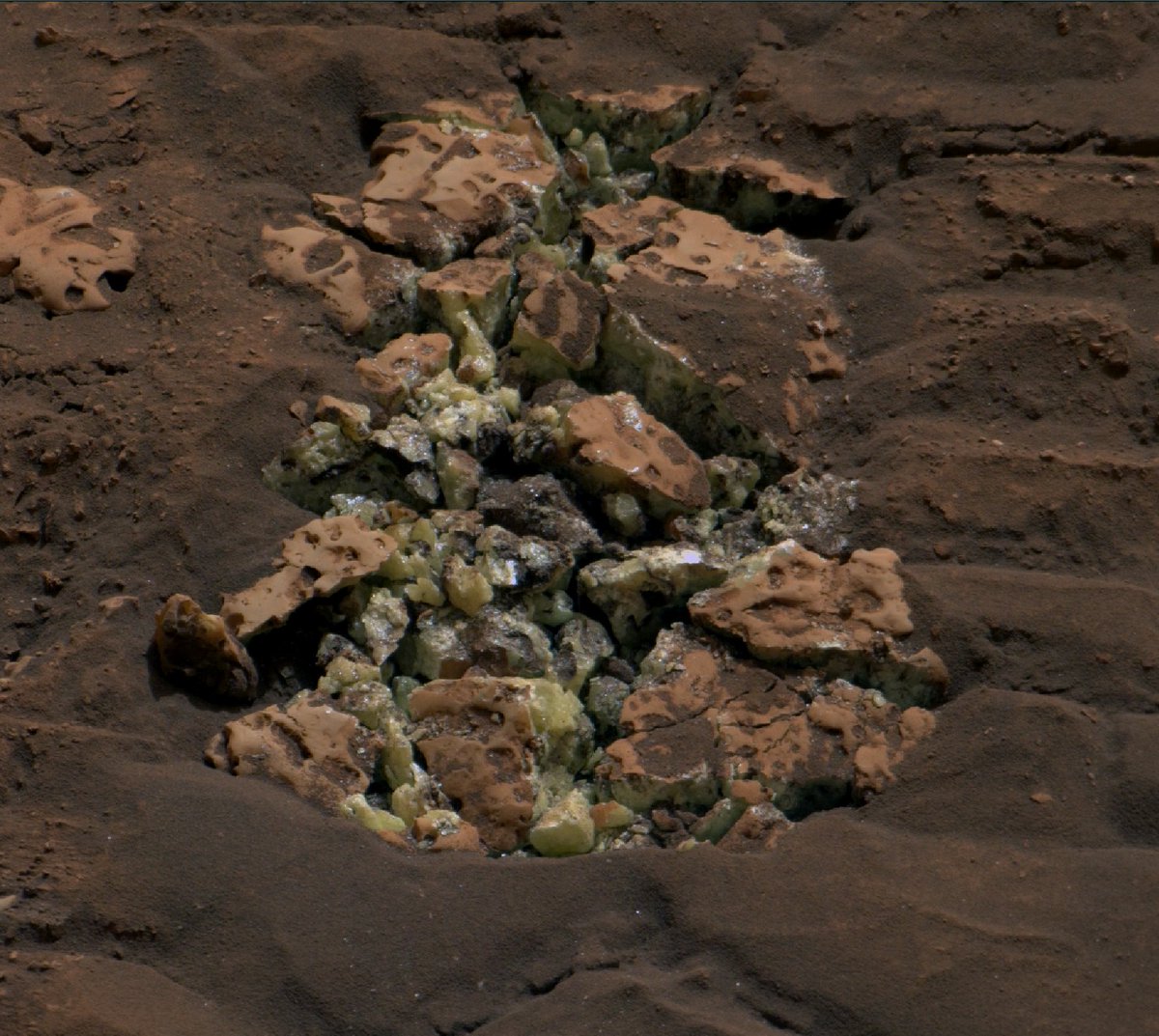
An exciting new discovery by @MarsCuriosity!
While traversing the Gediz Vallis channel, our Mars rover found something never seen before on the Red Planet—rocks made of pure sulfur.
This is a thrilling find in our search for ancient life.
A few snaps from the #JETT5 test last week @NASA_Johnson. What an incredible team and such an exciting project! I'm even more pumped about space exploration now (& you know my enthusiasm levels were already high).
What's my week been like, you ask? Oh NBD just part of this "team of flight controllers and scientists at NASA’s Johnson Space Center in Houston" on the #JETT5 team 🤩🌒🚀 Already an incredible learning experience!
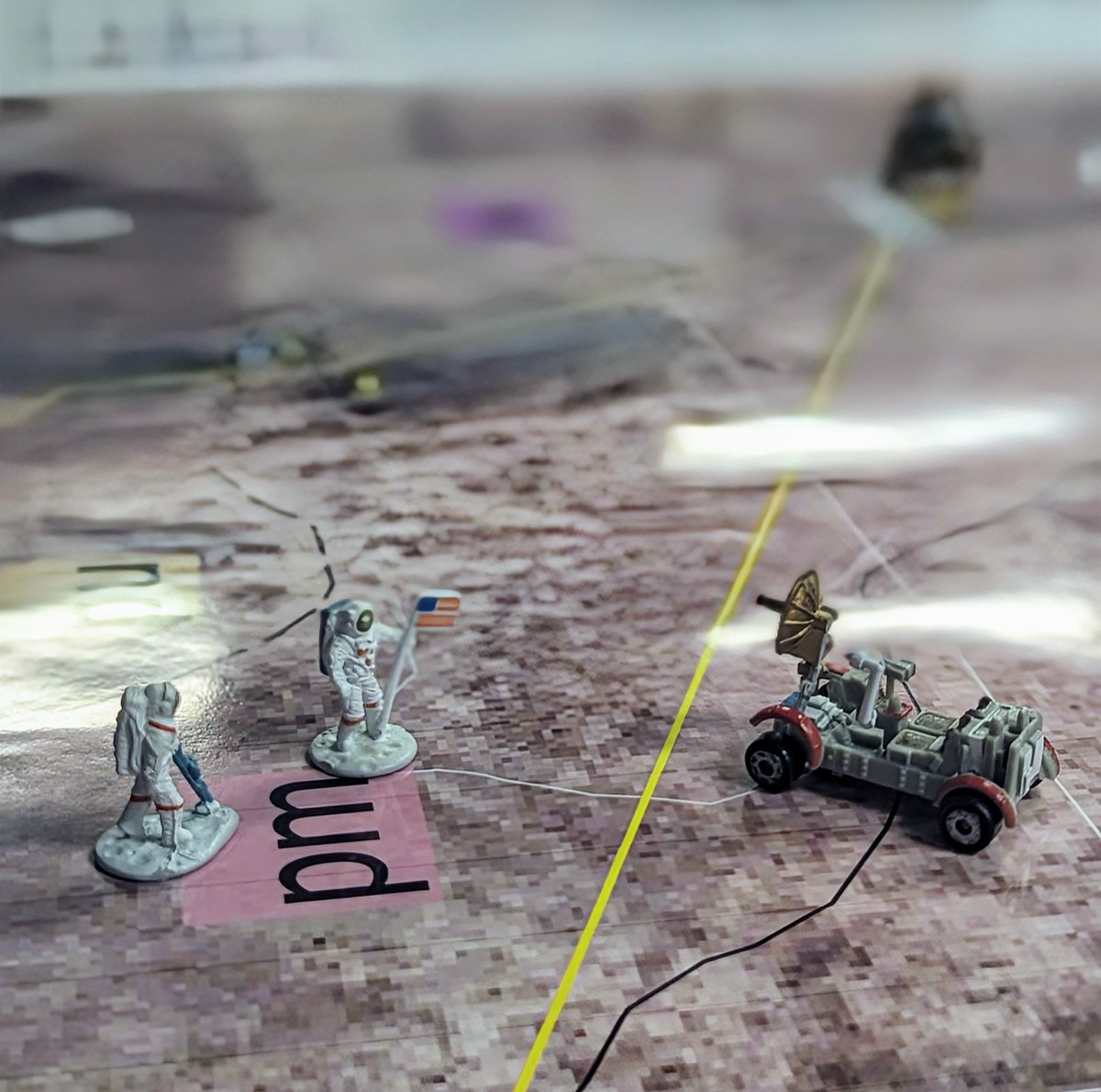
Practice makes perfect🌙
To prepare for exploring the Moon during @NASAArtemis's campaign, the agency is conducting a week-long field test in the lunar-like landscape of San Francisco Volcanic Field near Flagstaff, Arizona to practice moonwalk scenarios. https://t.co/rDzJaFJ417
@drcrater@RichLeveille@ErinSpaceCase I also saw melt in the Miller Range ~10 years later ☹️ There are so many consequences to increased global temps but this particular issue is esp frustrating given that these amazing astromaterials are there now & we just don't have the person power to get them before they're gone
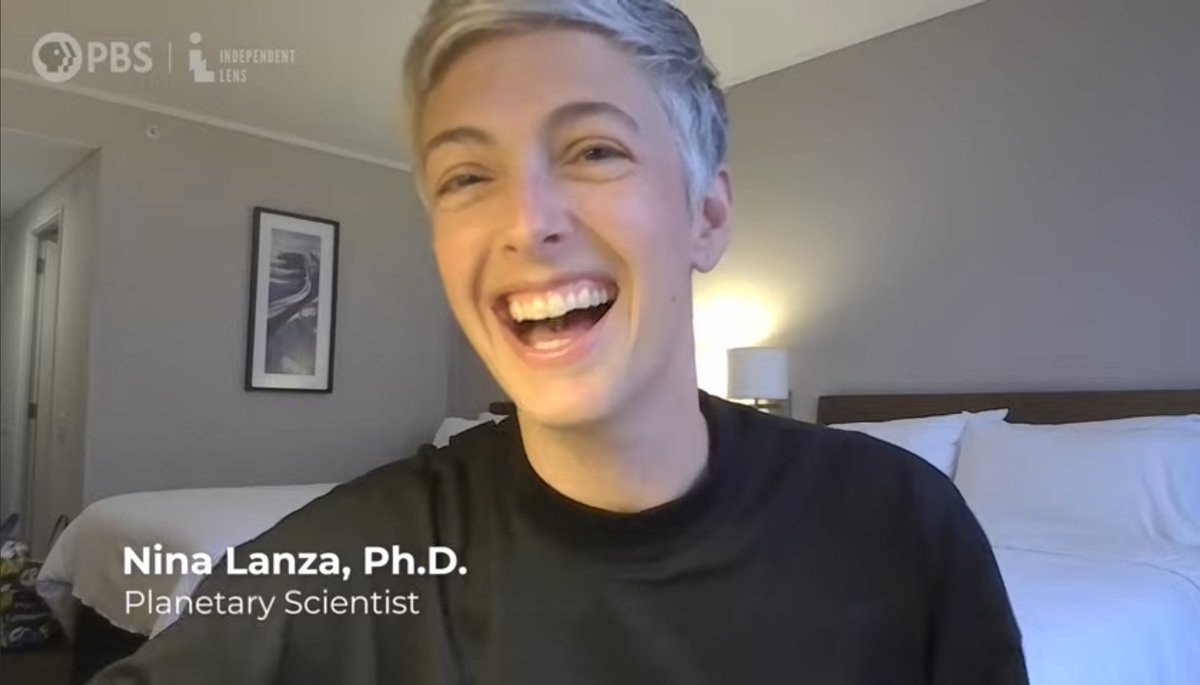
Had a blast chatting w @tanyaofmars who's writing for #PBSTerra on a new series called "Uncharted Expeditions"! As you'll see, Tanya has a real knack for getting to the heart of a story. Note that I filmed on location from the Holiday Inn Express in Iquique, Chile 😎🇨🇱🌊
@LaurieofMars Host rock here is unusual (for this area) sandstone, part of an exposure of sandstone & limestone on the playa edge. Elsewhere we found a sulfate-rich paleosol under an ignembrite. Neat combo! Let's chat about getting back out there, I already have sooo many new ideas!
@LaurieofMars I am already scheming for how to get back--let me know if you want to join forces! Also check out these sulfate veins, looks just like Gale!
Just a few quick snaps from our time in Chile. The Atacama is truly the most Mars-like place on Earth! I feel like I've learned so much about how to interpret our rover data from spending time in this remarkable environment. 🔴🚀🪨🦠🔬🧂
@quadraticadder Close! My colleague put moisture sensors in this giant halite nodule to measure the rate at which water disappears. There was a large rain 6 years ago and this nodule is still holding on to a lot of that moisture. Pretty remarkable!