Postpartum haemorrhage (PPH) is a leading cause of maternal death worldwide—but many of these deaths are preventable.
A new Lancet Series outlines evidence-based actions to improve PPH outcomes globally and save lives: https://t.co/hw2qfJWnE5
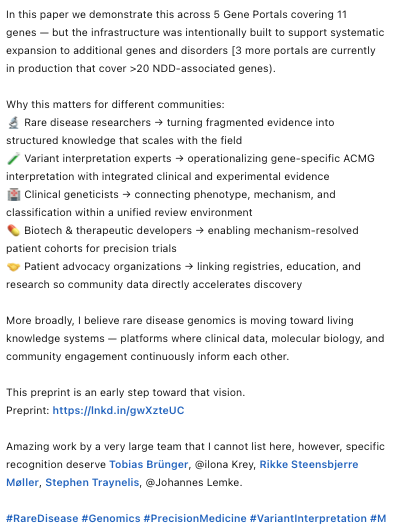
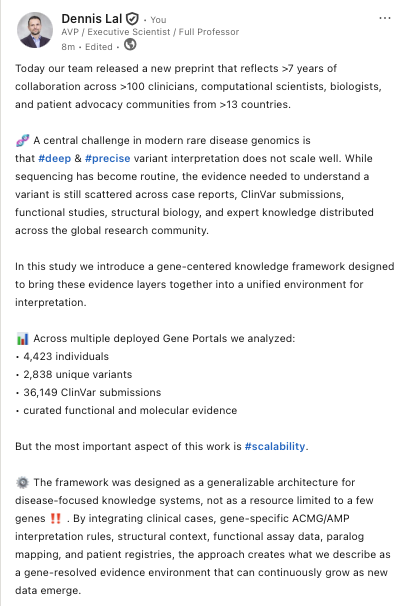
New preprint: >7 years of collaboration across >100 clinicians, scientists & patient advocacy communities.
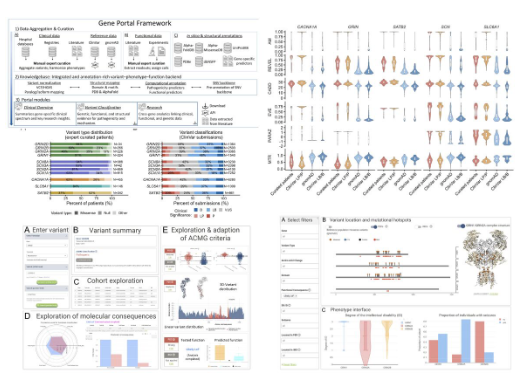
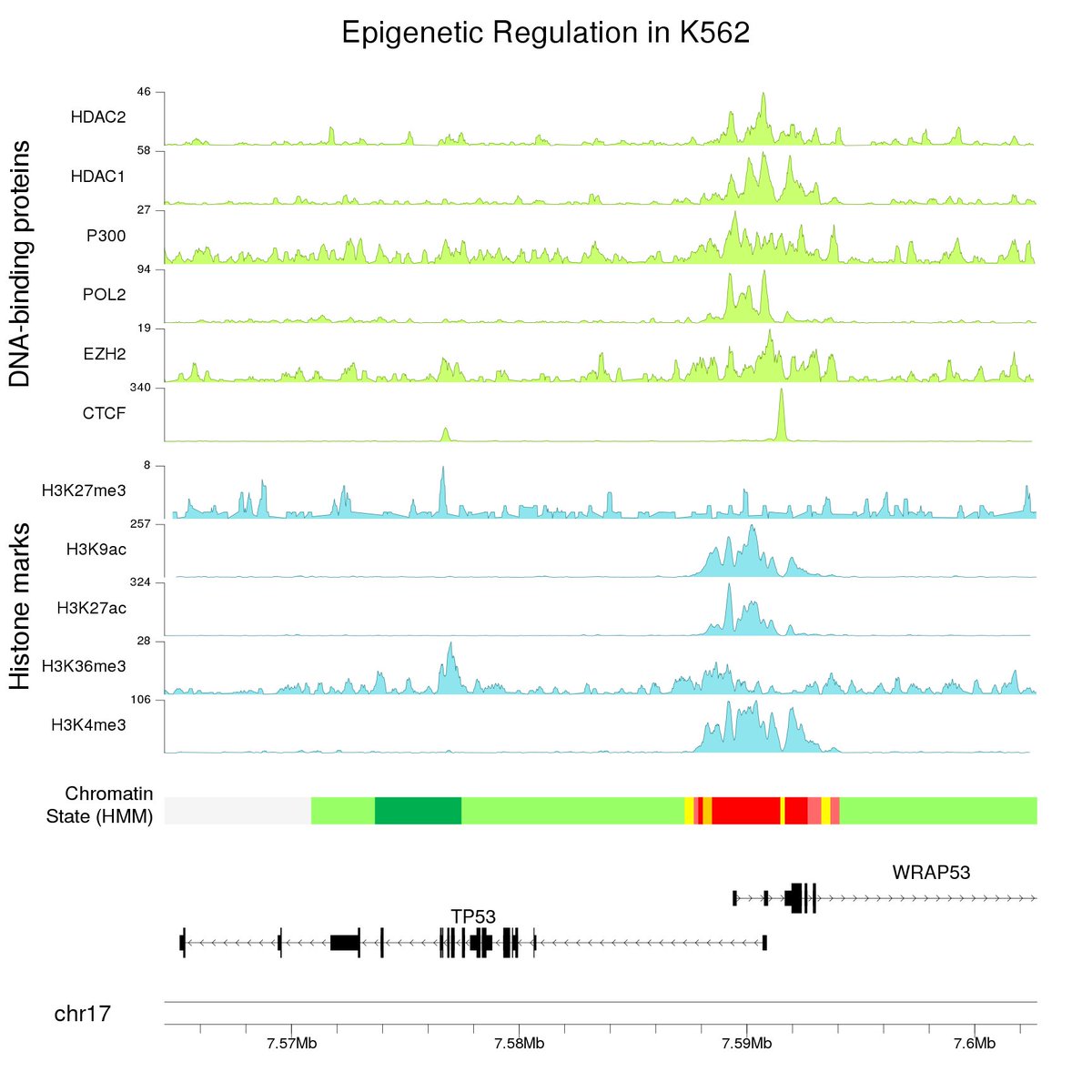
'Gene Portals: A Framework for Integrating Clinical, Functional, & Structural Evidence into Rare Disease Variant Classification
https://t.co/i4ONbH7x5d
Starting soon at 12:30 PM at #ACMGMtg26 -- "Genetic Therapies Bootcamp: Foundations, Frontiers, and Clinical Engagement." Designed to introduce clinical geneticists, laboratory geneticists, and genetic counsellors to gene therapy. (Additional Reg Fee Applies)
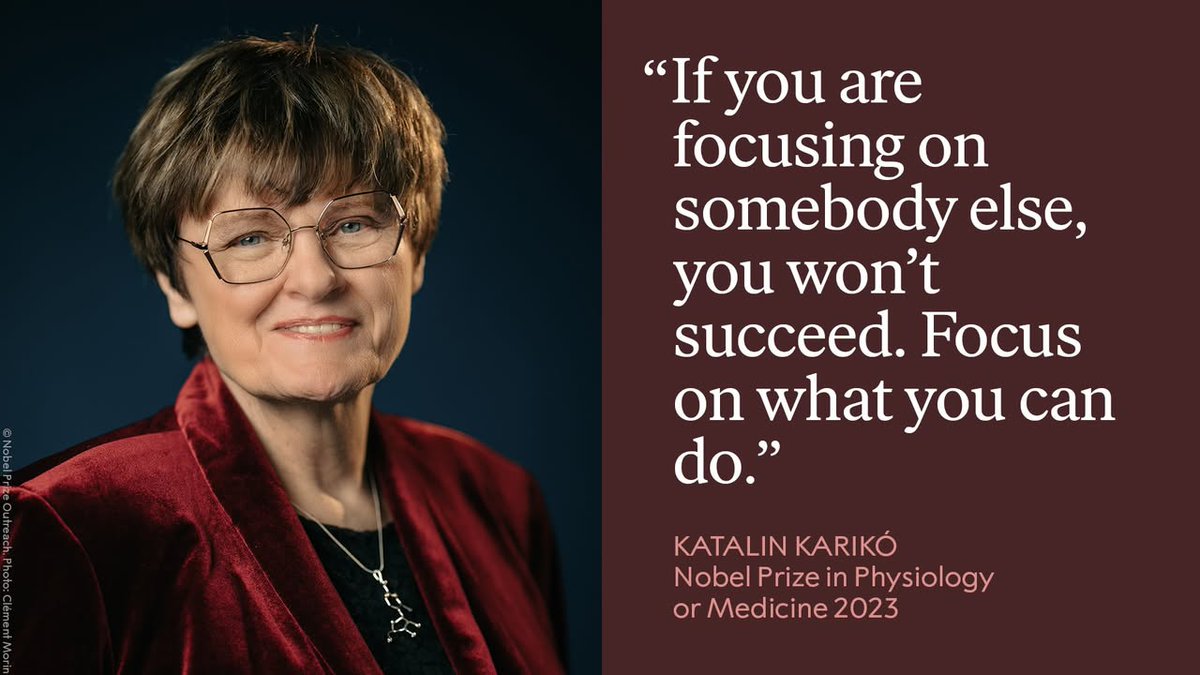
"You have to focus on what you can do."
Life advice from 2023 medicine laureate Katalin Karikó who is encouraging us all to focus on things that are within our control and pay less attention to what we can't control.
For more life advice and to hear her life story, watch our full interview with her: https://t.co/8OGNkvhUCh
This is really cool (and wild):
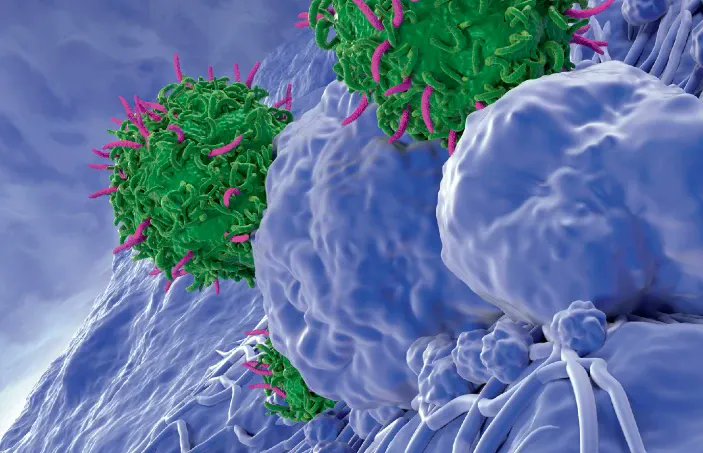
Scientists simulated a complete living cell for the first time. Every molecule, every reaction, from DNA replication to cell division.
The paper (Luthey-Schulten et al., Cell 2026, https://t.co/PXxXWKC8yp), just out today, used JCVI-Syn3A — a synthetic minimal bacterium with fewer than 500 genes. A 3D+time simulation of the full 105-minute cell cycle: DNA replication, protein translation, metabolism, division. Every gene, protein, RNA, and chemical reaction tracked through physical space.
It took years to build. Multiple GPUs. Six days of compute time per run.
And this is the simplest possible cell.
A human cell has ~20,000 genes. It lives in tissue. It interacts with neighbors. It differentiates. It responds to drugs in ways that depend on context we haven't fully measured.
Mechanistic simulation of the minimal cell costs 6 GPU-days for 105 minutes of biology. You cannot scale that to human cells. The complexity isn't 40x harder. It's exponentially harder.
This is why the field pivoted to data-driven models. You can't hand-encode the regulatory wiring of a human hepatocyte. But you can learn it — if you have the right perturbation data collected across enough diverse biological contexts.
The two approaches aren't competing. Papers like this generate the ground truth that future ML models need for validation. But the path to a clinically useful virtual cell runs through foundation models, not through scaling up mechanistic simulation.
Amazing work!
Comprehensive Analysis of Food Allergy Research Trends via Large Language Model–Assisted Text Mining (1980–2024). Corresponding author: Yoshiyuki Kobayashi
Using large language model-assisted text mining (LATeM), Kobayashi et al. conducted a bibliometric analysis of 14,445 articles in the Web of Science database from 1980-2024 to investigate the trends in #foodallergy research.
#Allergy_journal
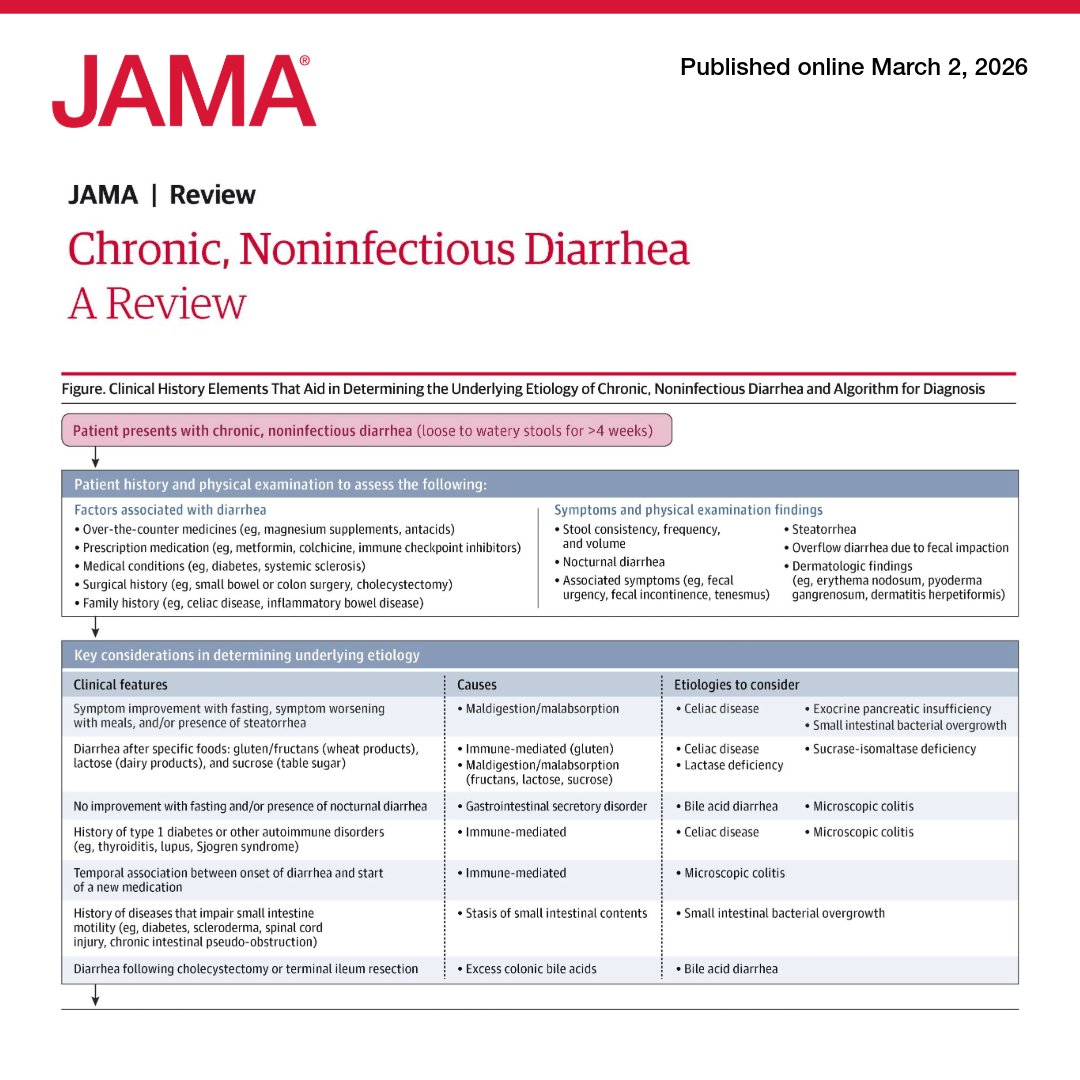
Chronic #diarrhea is defined by recurrent loose or watery stools, with or without increased stool frequency, fecal urgency, or fecal incontinence, that lasts for at least 4 weeks.
📄 Learn more about diagnosis and treatment strategies in this Review: https://t.co/LjY5rkKHqA