What are the impacts of economic sanctions on informal employment?
@roby_nistico and Ali Moghaddasi Kelishomi investigate that using the case study of Iran. Read about their findings here: https://t.co/eIDbyizf9Y
España destinará este año el 2% del PIB a Seguridad y #Defensa con una inversión adicional de 10.471 millones de euros. Entre 2014 y 2024, incrementó su gasto en 10.215 millones de euros, pasando de 9.508 millones a 19.723 millones, un aumento del 107%.
https://t.co/yp3gqVKmLZ
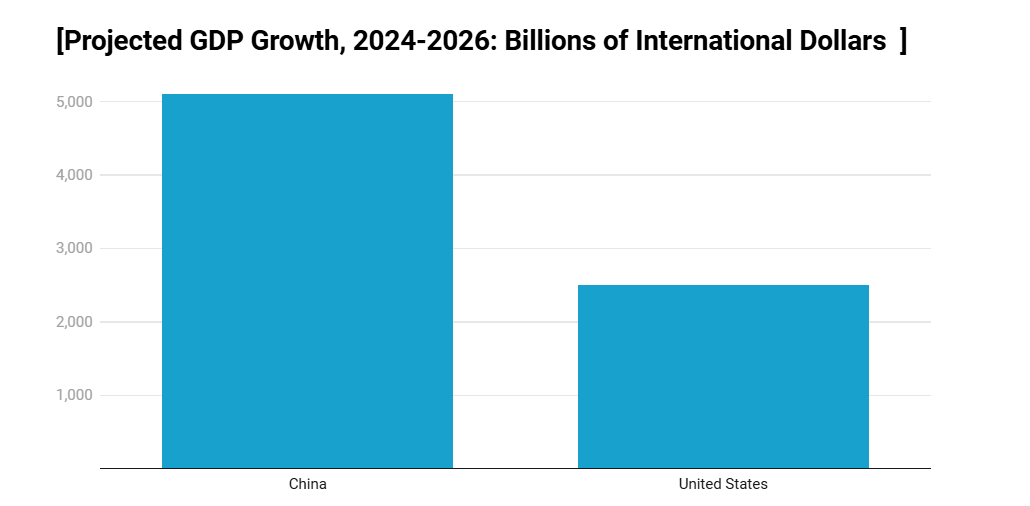
"China getting wealthier is not a bad thing for the United States and the world. It has made trillions of dollars of goods available at a lower cost than they otherwise would be, raising living standards of people around the world."
-economist @DeanBaker13 of @CEPRdc
En el nuevo orden de la ley del más fuerte, no alinearse con 🇺🇸 en política exterior conlleva un riesgo de represalias. El factor miedo está llevando a países a abandonar sus posturas por instinto de supervivencia.
✍️ Ernesto Talvi y Gabriel Leiva
https://t.co/fJppEoD2AM
Rather than blindly embracing startup culture, governments should examine past efforts to modernize and reform public services in areas like digitalization and urban development, @IIPP_UCL's @MazzucatoM and Rainer Kattel write. https://t.co/GPagzKsb1a
Another super relevant paper on tariffs!
"The Macroeconomics of Tariff Shocks" by Adrien Auclert, Matthew Rognlie, and Ludwig Straub.
"We study the short-run effects of import tariffs on GDP and the trade balance in an open-economy New Keynesian model with intermediate input trade."
The authors find that tariffs likely cause a recession.
"Unilateral tariffs do tend to improve the trade balance, but when other countries retaliate the trade balance worsens and the recession deepens. Taking into account the recessionary effect of tariffs dramatically brings down the optimal unilateral tariff level derived in standard trade theory."
https://t.co/y0TfSwrefb
Developing countries are sinking deeper into a debt-driven crisis.
Their external debt — money owed to foreign creditors — has quadrupled in two decades, reaching a record $11.4 trillion in 2023, or 99% of their export earnings.
Full data story ▶️ https://t.co/LwcZT4McAI
New paper with @mw_econ on Fiscal Stagnation.
Key insights: 1) High public debt may push the economy into fiscal stagnation, i.e. a persistent state of low growth and high fiscal distortions. 2) Pro-growth policies are crucial to exit stagnation, but they require credibility.
España destaca en años vividos sin discapacidad a partir de los 65 años (10,5 vs. 9,7 de media UE) y la salud mejora en el caso de los más formados: tienen menos obesidad y practican más deporte
👉 Monografía @FundacionBBVA#Ivie#Calidadvidamayores
https://t.co/dP27tVQXyM
Sudden redemptions in investment funds in March 2020 transmitted #LiquidityRisk from #NBFIs to banks. Banks reduced maturity on new loans, even though the shock was short-lived and the central bank provided emergency liquidity. #FinancialStability https://t.co/nPzXtlrCyX
📣AIIB is pleased to announce the appointment of Ajay Bhushan Pandey as Vice President of Investment Solutions.
Prior to joining AIIB, Pandey helped shape India’s digital and financial infrastructure through transformative initiatives such as Aadhaar @UIDAI.
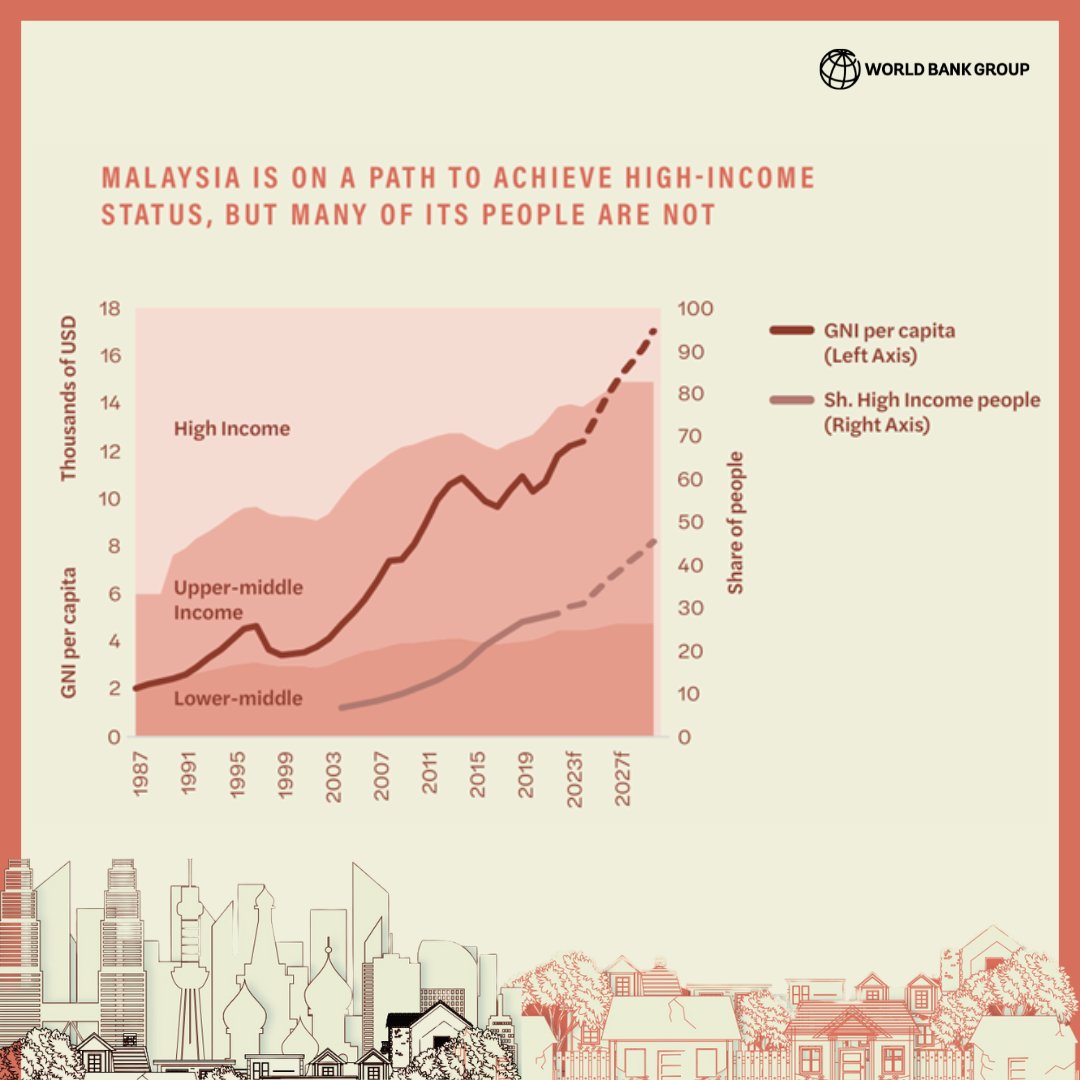
#Malaysia 🇲🇾 is on the brink of becoming a high-income country, but the current #inequality level means that the high-income prosperity is not yet within the reach of many people in the country.
https://t.co/n9lielC3eW
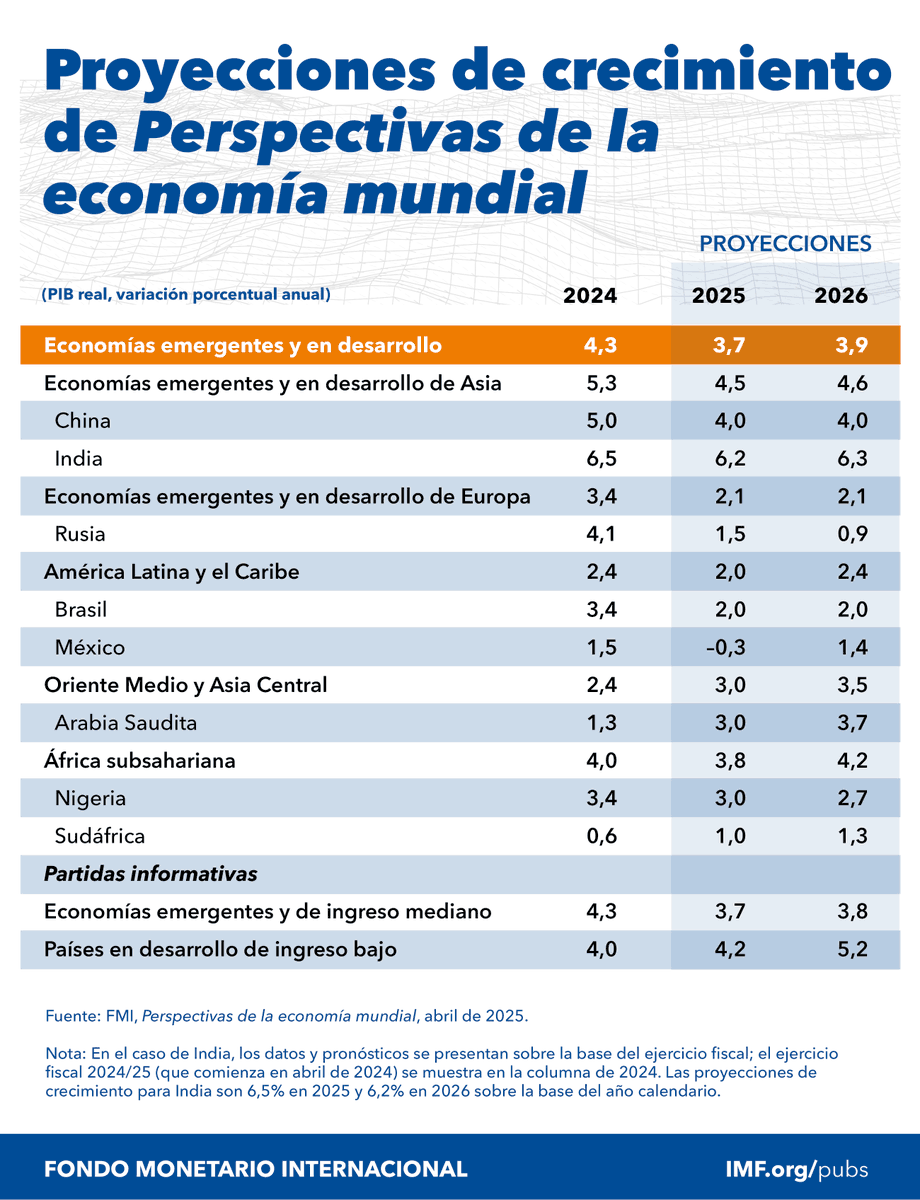
El crecimiento en las economías de mercados emergentes y en desarrollo (EMED) desacelerará a 3,7% en 2025. La resiliencia podría verse sometida a prueba si el servicio de los niveles elevados de deuda se torna más complicado. Lea más ➡️ https://t.co/T0VwrXVp5C
Tariffs raise the price of investment goods relative to labor and depress the long-run capital stock, reducing long-run real consumption and wages, from @Dbaqaee and @hannesmalmberg1 https://t.co/fWGfwTYGE7
🌍 Lower fertility and higher longevity are driving rapid population aging globally. Many emerging markets are already impacted, and most low-income countries will face similar changes by 2070.
Read a recent IMF study: https://t.co/TNDolg2BtF
Since Donald Trump took office, stock market indices measured in US dollars have risen by 5% in Europe, 15% in China, and 6% in Mexico. In the United States, the indices have fallen by 14%.
✍️ Ernesto Talvi & @tomassanguine2t
https://t.co/39nozS3d12
We're constantly told how countries are run by the elites.
However, mapping the economic elite has been incredibly tough to do.
But now, a new dataset compiled by 70+ researchers provides data on over 3,500 elites in 16 countries:
A well-implemented circular economy approach – where resources are reused, repaired & recycled – could cut emissions by up to 70% by 2050 and sharply reduce urban waste.