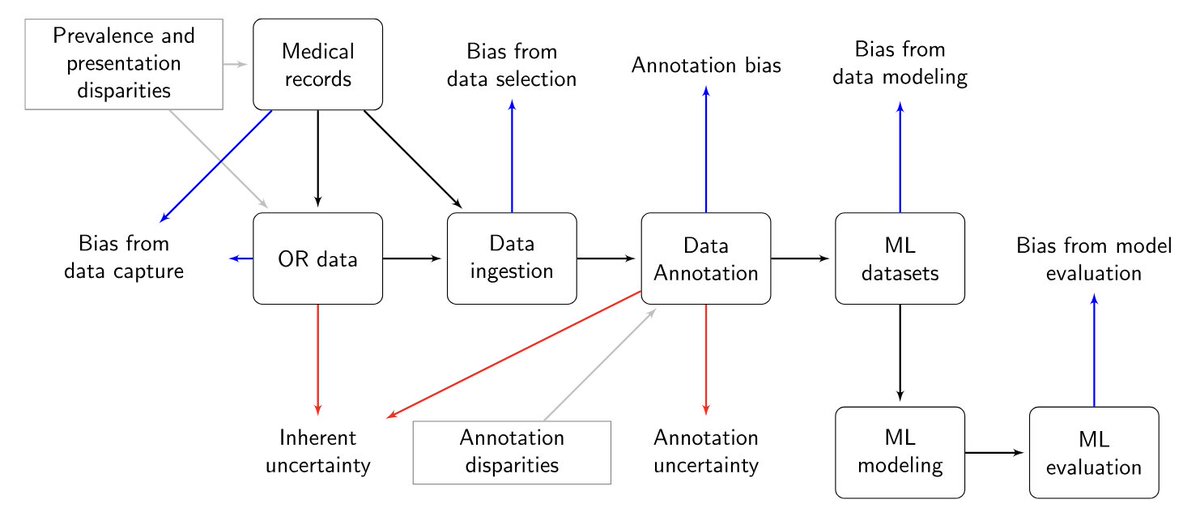
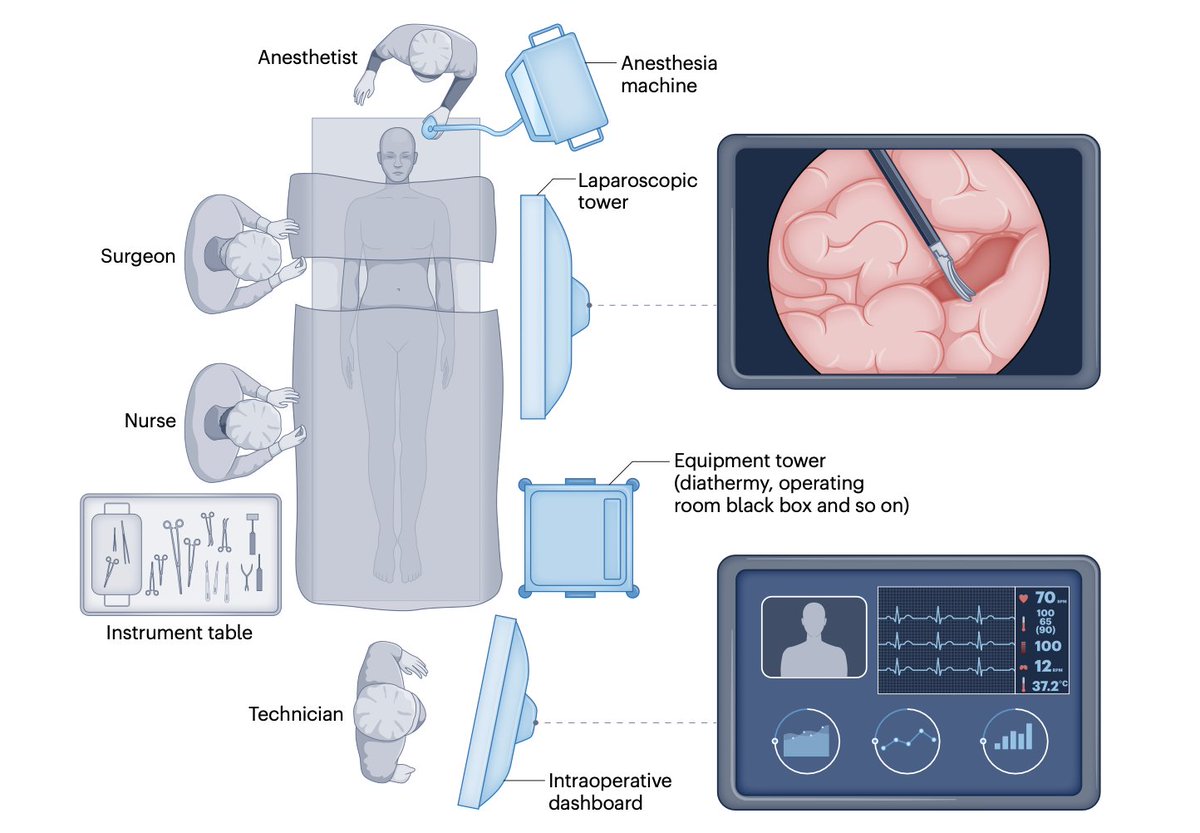
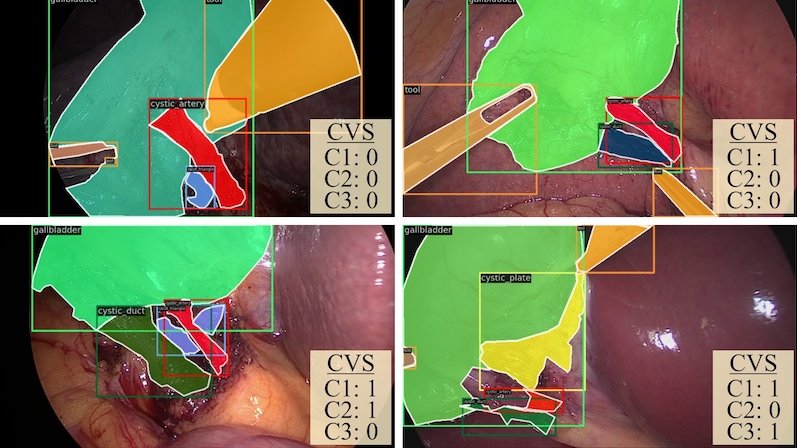
New work from @PCASOLab led by @Qiu84046087 now on @arxiv: Detection and segmentation of transient objects in video using only sparse object presence labels, developed to automate annotation of surgical videos #wsvos#wsvod#wsvostop#surgicalAI
How do we judge the viscosity of materials? It turns out it depends not only on how they move, but also on how they look. Our latest work with the incredible Jeffrey Martin out now https://t.co/yJHEMXaUE9
Finally found time to update my webpage with more details on our recent open-source dataset releases: a relabeled version of MedQA and a differential diagnosis dataset in dermatology. Great examples of dealing with rater disagreement for evaluating AIs:
https://t.co/Om0dj7xm7e
More training data isn’t always better! We (joint work w.@rajiinio and @irenetrampoline) will present our new work: The Data Addition Dilemma, at MLHC 2024 this week!
(1/5)
Quality of training data is known to dictate quality of #MachineLearning in healthcare. But what is data quality in this context? The METRIC-framework serves as a basis for systematically assessing medical training data as prerequisite for trustworthy ML.
https://t.co/ZlPteMCbCz
Can you spot #AI generated surgical images?
Surgeons please help us evaluate a novel surgical text-to-image gen model by completing a short survey 🧑⚕️👩⚕️
Survey 👉 https://t.co/ECzabTdlYd
ArXiv 👉 https://t.co/wOi0ZFJUDk
#SurgicalDataScience#GenAI#medtwitter#SoMe4Surgery
1/ How are #ChatGPT and other #LLMs used in #Medicine? And what are the ethical implications?
We say: It’s a social experiment unfolding right in front of us!
Check out @robranisch ‘s and my new paper in @npjDigitalMed
https://t.co/lqcOFxO9eK
Let me give you a quick tour
.@pennsurgery@PennEngineers students and researchers from @PCASOLab presented work at the 2nd annual @PennMedicine Naji Surgery Research Day!
Great work spanning clinical outcomes in GI surgery, #computervision for thoracic surgery, digital literacy, & efficient algorithms
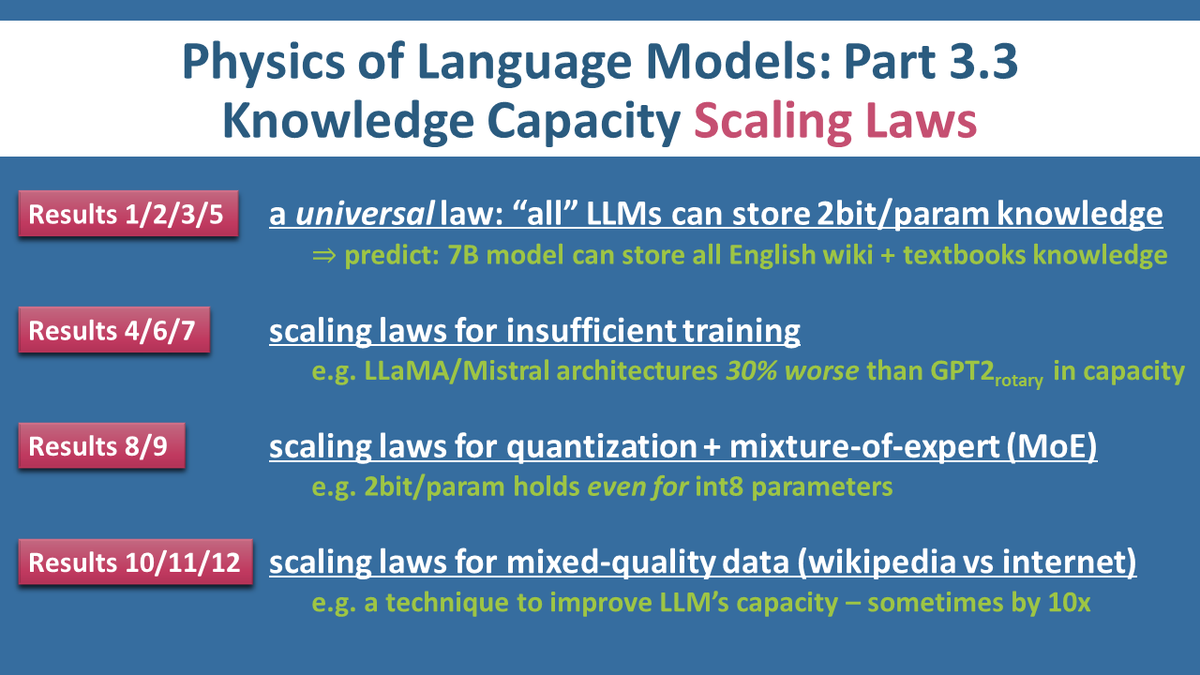
Our 12 scaling laws (for LLM knowledge capacity) are out: https://t.co/qNTarfEb3l. Took me 4mos to submit 50,000 jobs; took Meta 1mo for legal review; FAIR sponsored 4,200,000 GPU hrs. Hope this is a new direction to study scaling laws + help practitioners make informed decisions
We made a free, open course on neuroscience for people with a machine learning / quantitative background. Get deep in computational neuroscience, or just indulge your neurocuriousity. I believe that neuro and ML can learn from each other and do better together than on their own.