PSA: This paper published in 1992 influenced my career in so many ways, and continues to do so. Yet it has currently been cited only 41 times. There is some sort of lesson in this.
https://t.co/7Mx59EFfYX
JEB is proud to be sponsoring the @SEBiology President's Medal, Animal Section, award. Congrats to Sandra Binning, this year's winner. Come see her talk on 8 July 11-11:30am in QEH titled 'Sweating the small stuff: Why I (and you!) should care about parasites'
#sebconference
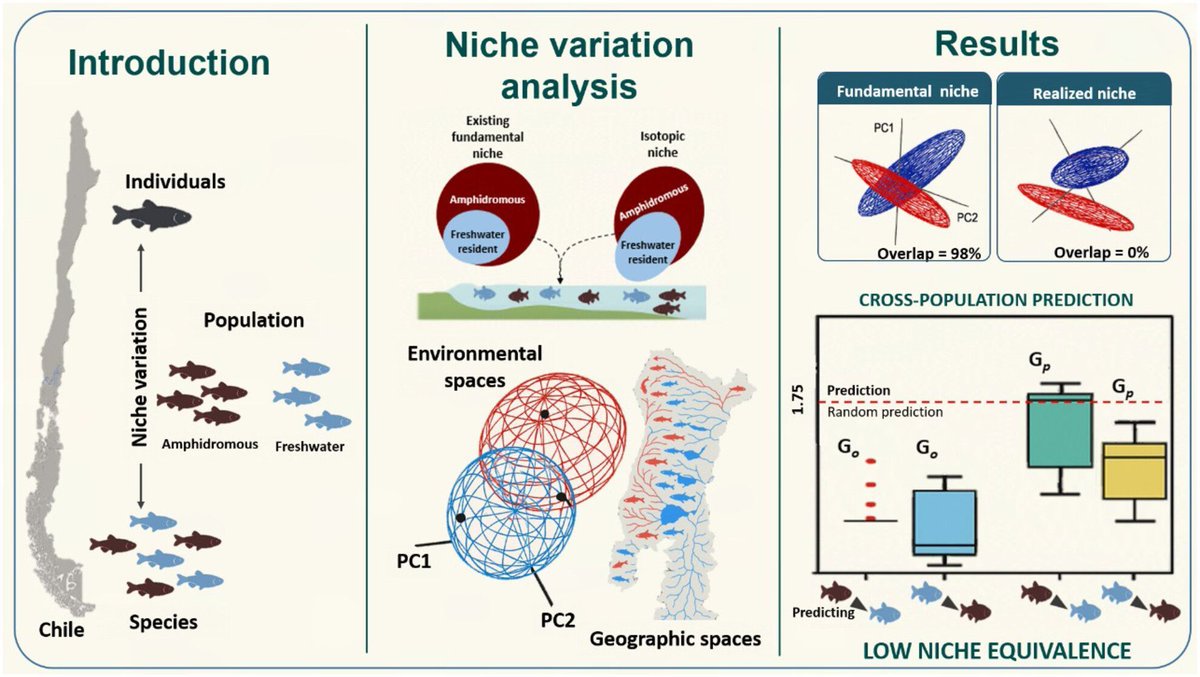
Findings from a recent study "highlight the importance of incorporating life-history strategies & biotic interactions into ecological niche models and species distribution predictions."🐠
https://t.co/KrmXyVneQT
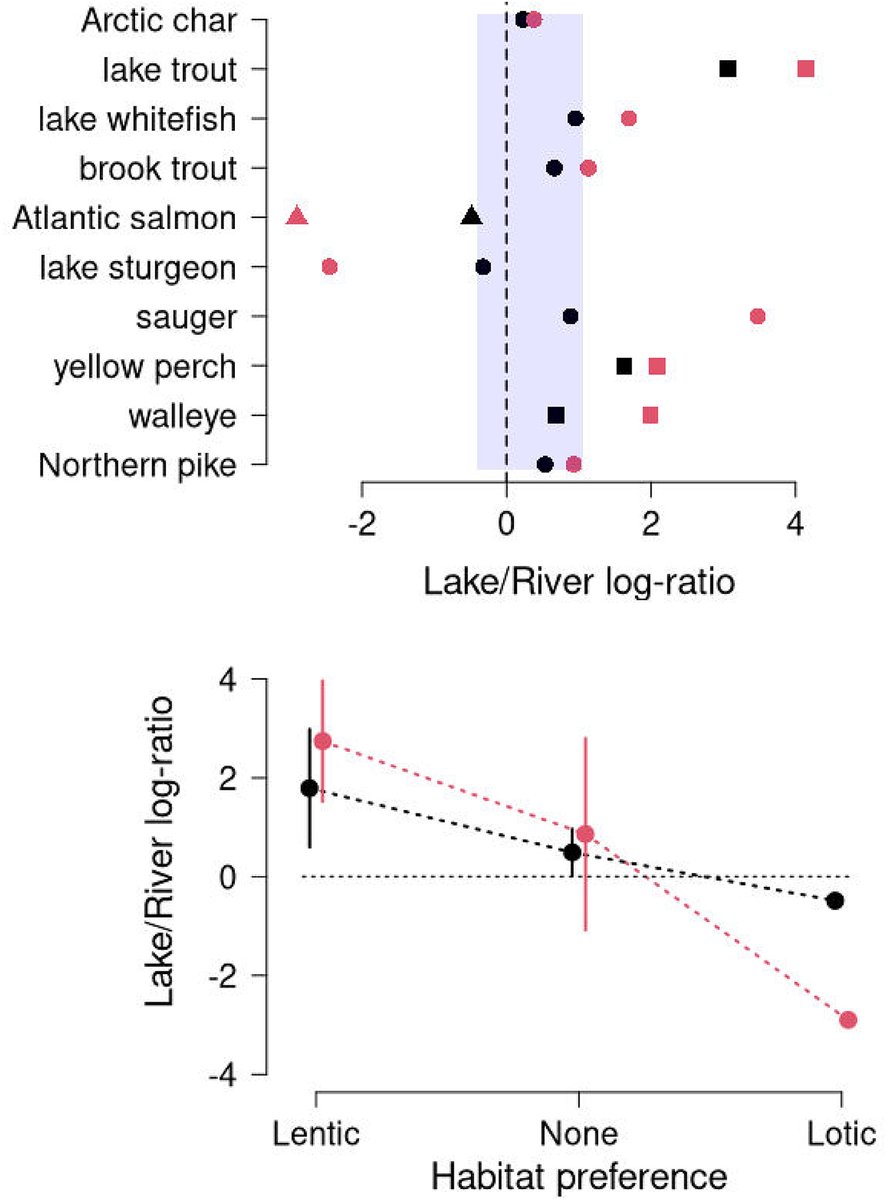
Assessing the potential responses of 10 important fisheries species to a changing climate with machine learning and observational data across the province of Québec
👥 Rodríguez et al.
📚 GRIL @UQTR, @EnvironnementQc
➡️ https://t.co/crVjQxtJso #OpenAccess
Just out in Environmental Biology of Fishes! This paper is something to be proud of, we spent an incredible amount of time at some of Manitoba’s best lake trout fisheries.
https://t.co/kuhdTYoH2y
New study - A New Hotspot of Salmonid Adaptive Radiation Revealed: Multiple Diversifications of 𝑆𝑎𝑙𝑣𝑒𝑙𝑖𝑛𝑢𝑠 𝑚𝑎𝑙𝑚𝑎 (Salmonidae) Sharing Freshwater Habitats in Kamchatka. #Charr
🔒 https://t.co/e2881lZkcF
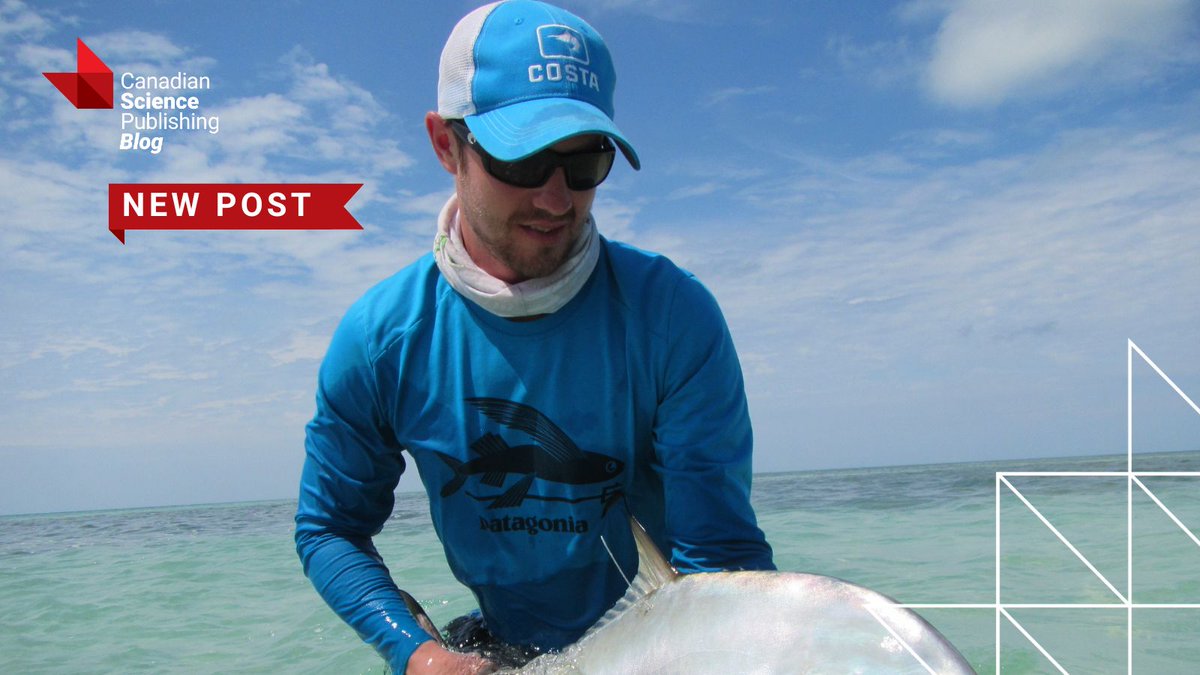
Dr. Jacob Brownscombe, 2025 Stevenson Lectureship Award winner, is tackling ecology’s biggest challenges. Learn how his research is shaping conservation decisions in a new #CSPBlog post ▶️ https://t.co/nBFjYk40yl
@sci_angler@FishOceansCAN
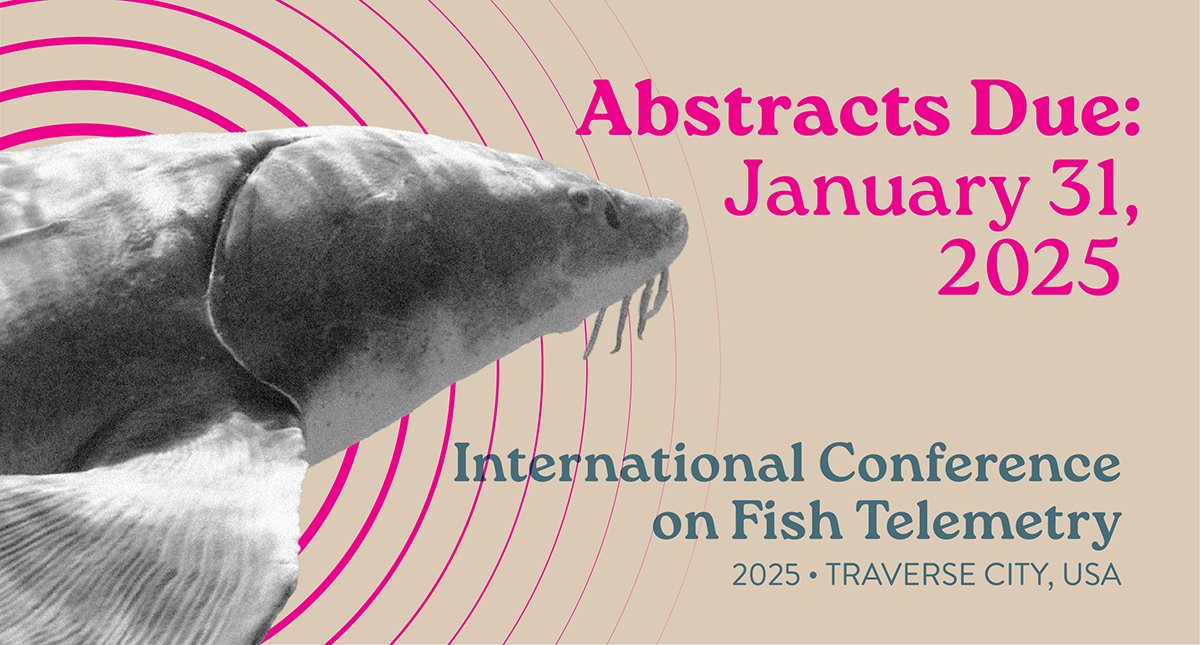
Hello fish telemetry colleagues. Another reminder about the abstract submission deadline approaching on January 31, 2025. Please repost and share with your networks please. Thank you!
Another year of MN DNR black crappie barotrauma research, and another excellent video. Last year’s got lots of flack, and it seems like they address some of those concerns here. Looking forward to seeing what they’ve got up their sleeves for this year
https://t.co/lyOSy6Mysq
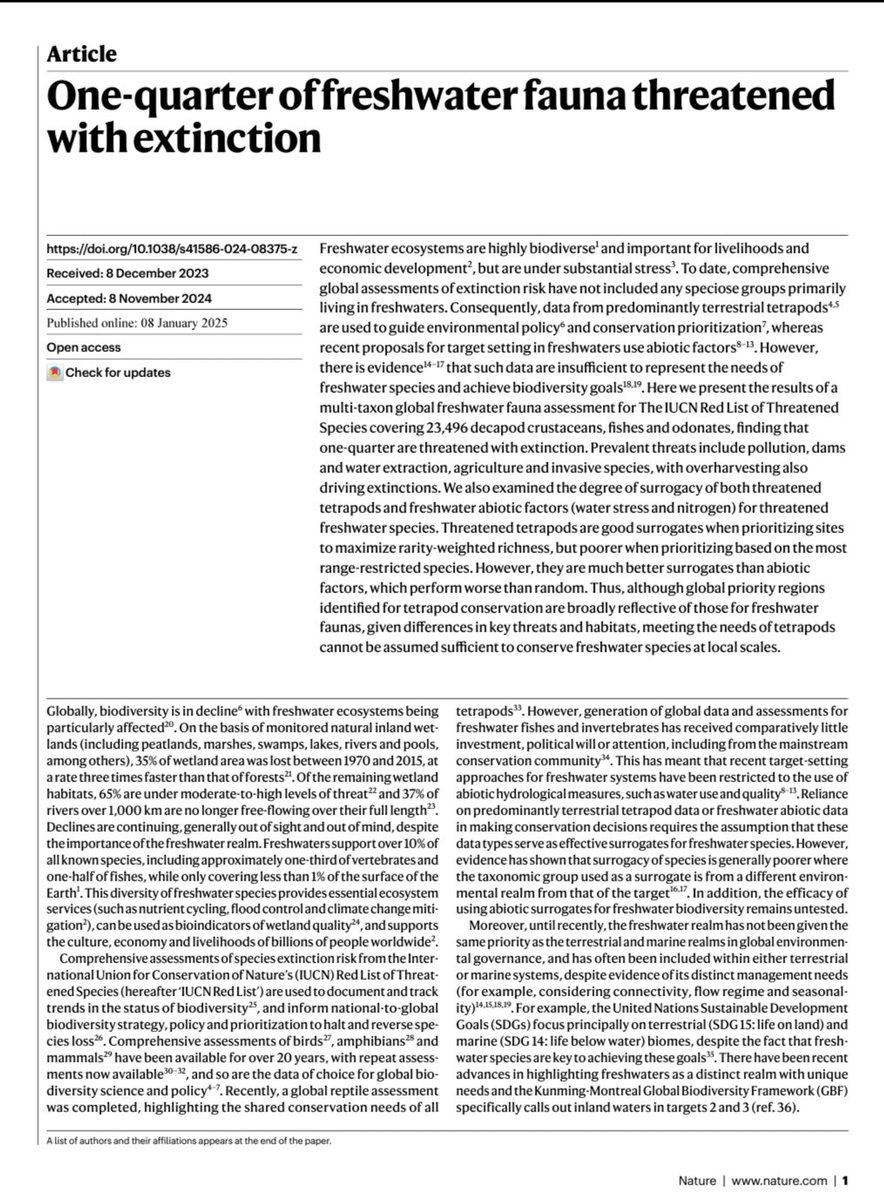
1/ 🚨It’s been a journey (20+ yrs) but today we finally publish the results of the @IUCN Global Freshwater Fauna Assessment: 24% of the world’s freshwater fish, dragonfly, damselfly, crab, crayfish & shrimp species are at risk of extinction! https://t.co/BTDU22JMw6
Eye lenses are a powerful new tool for reconstructing lifetime trophic patterns in fishes. But, cool new research shows (as usual) how it can be complicated and nuanced! 👇
Come work with me!
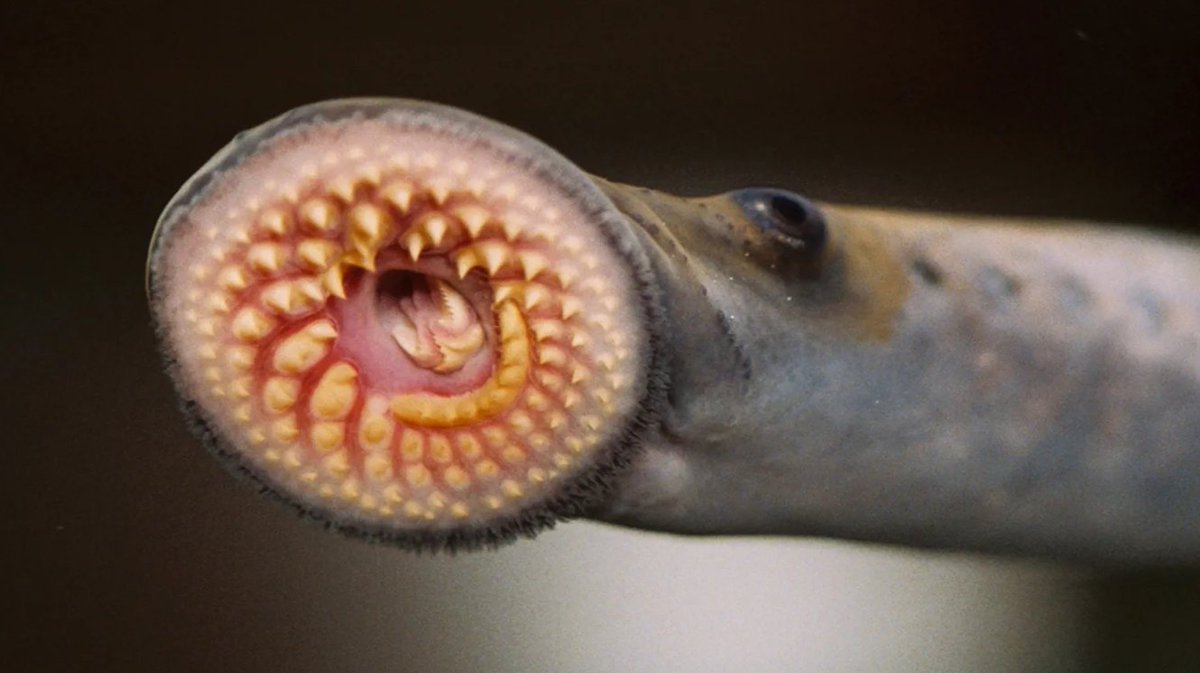
Mike Wilkie, @kenmjeffries, @MargaretDocker, & myself are recruiting MSc + PhD students to study sea lamprey physiology with the goal of improving lamprey control in the Great Lakes.
Please like & RT!
DM with Qs and/or for a .pdf copy of job ad.
1/2
With warmer weather, lake ice is becoming less safe in early winter and again in the spring, increasing the risk of drowning, says new research by Prof Sapna Sharma and Postdoc Joshua Culpepper @Sharmalab@YorkUScience https://t.co/abM9PqEx2a
A study of 632 freshwater fish species from 9,989 locations finds climate warming affects fish abundances, with increases at the poleward edges of species’ distributions and declines at the equatorward edges of species’ distributions. In PNAS: https://t.co/UqAZod5FA6
🐟 What drives fish recruitment in the Great Lakes?
✍️ The latest #IJMS#EditorsChoice examines 60 years of Lake Whitefish & Cisco trends, offering key insights for fisheries management.
👉 Read more https://t.co/SZPw39P5HA
@TABrown_Ecology@CornellCALS@LampreyControl
Climate warming melts permafrost, leading to leaning trees from unstable ground. A study of black spruce from 1940–2020 shows that warming increased growth rates from 1980–2008 but rates declined thereafter in so-called “drunken forests.” In PNAS: https://t.co/WtkJeHfTHI