⏰9 days left!
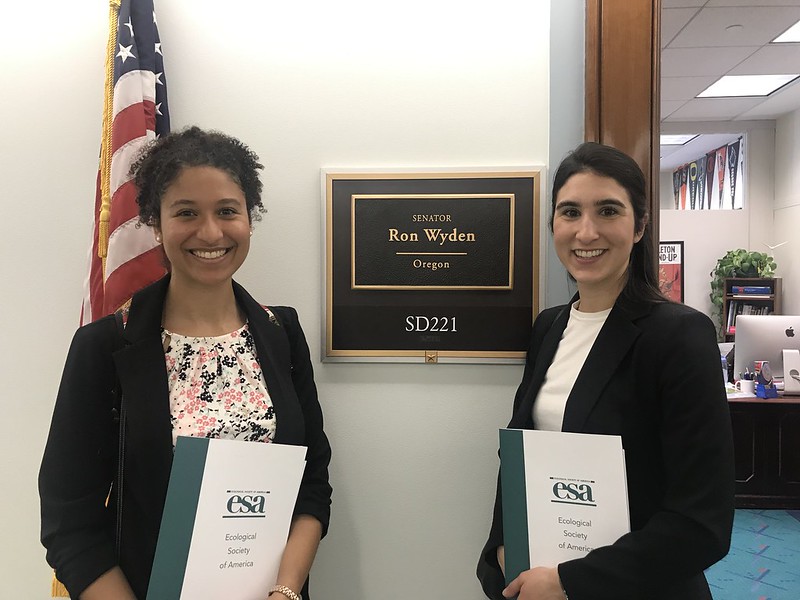
Applications are still open for ESA's Graduate Student Policy Award. Awardees receive an all-expenses-paid trip to Washington DC, policy & communications training & meetings on Capitol Hill
🗓️Apply by Jan 7!
Learn more: https://t.co/cwKOyHiqBX
Thank you to Dr. David Culver and his students from American University for introducing us to two aquatic Critters that are know to exist only in the woods of Southeast DC: the pill bug Stygobromus anacostensis and the isopod Conasellus washingtoni.
🚨Due MONDAY🚨Applications for our 2024 Graduate Student Policy Award! Awardees receive:
- All expenses paid trip to Washington DC
- Policy training
- Face time w/ policymakers & ecologists working for the federal gov't
Apply by 1/15 @ 12pm ET https://t.co/qERG7X2Sd5
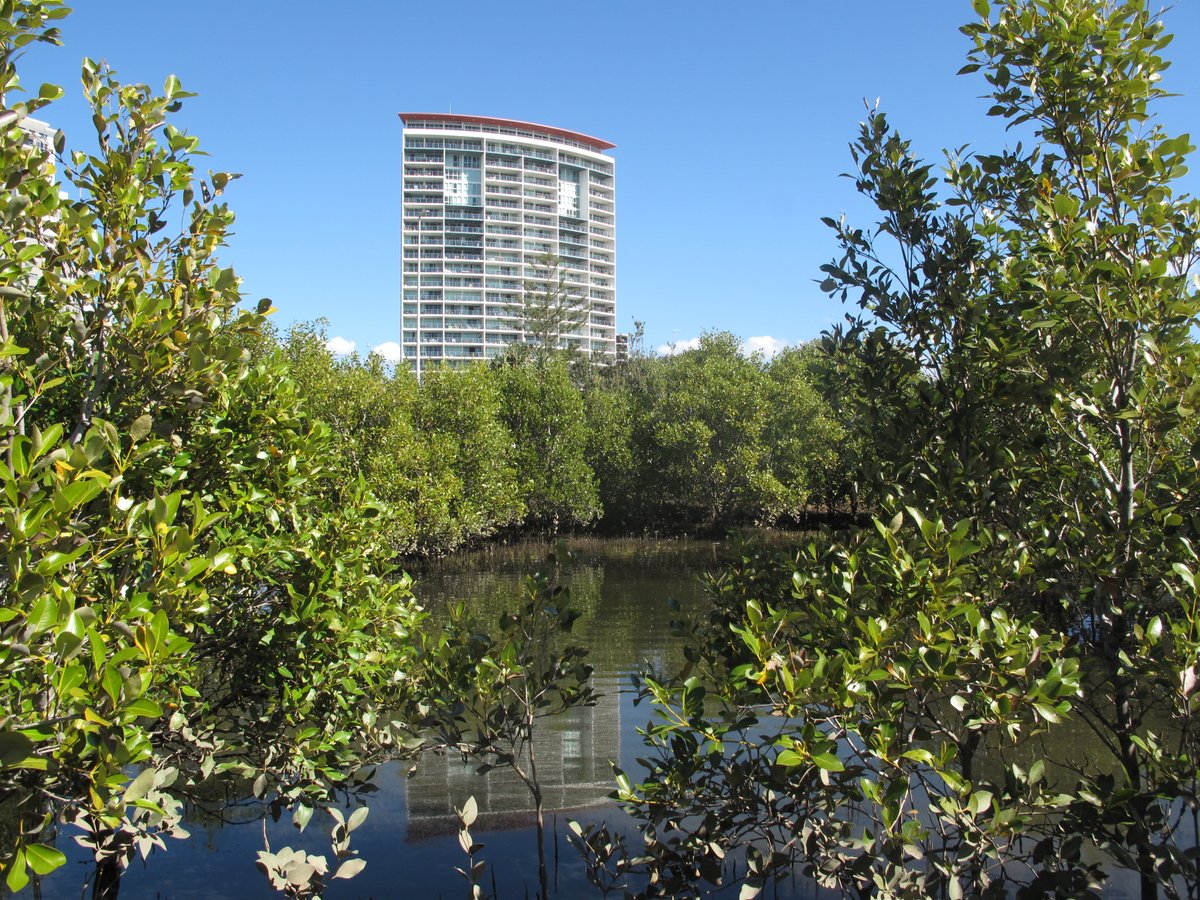
🌼The newly published paper ‘Sustained mangrove reproduction despite major turnover in pollinator community composition at expanding range edge’ in @annbot by Mayda Nathan and @grunerdaniel is now #free for a limited time. (1/9) https://t.co/I98phzWDyz #AoBpapers#Pollinators
@TamarHaspel Bug person here...looks a lot like Neoscona domiciliorum (uninspired common name: red-femured spotted orbweaver)
Whatever she is, lovely spider!
https://t.co/i2Jo38OF56
@DLNarango Not 100% sure this fits the bill, but this paper just came out from the folks working on the Smithsonian BiodiversiTREE experiment - all about spiders: https://t.co/cg0gTaOPyg
Oof. I greatly respect and admire both the New Yorker and Jill Lepore, but I'm deeply disappointed in Lepore's feature story in this week's magazine on forest loss and tree planting. (1/n) https://t.co/gizrxkfykF
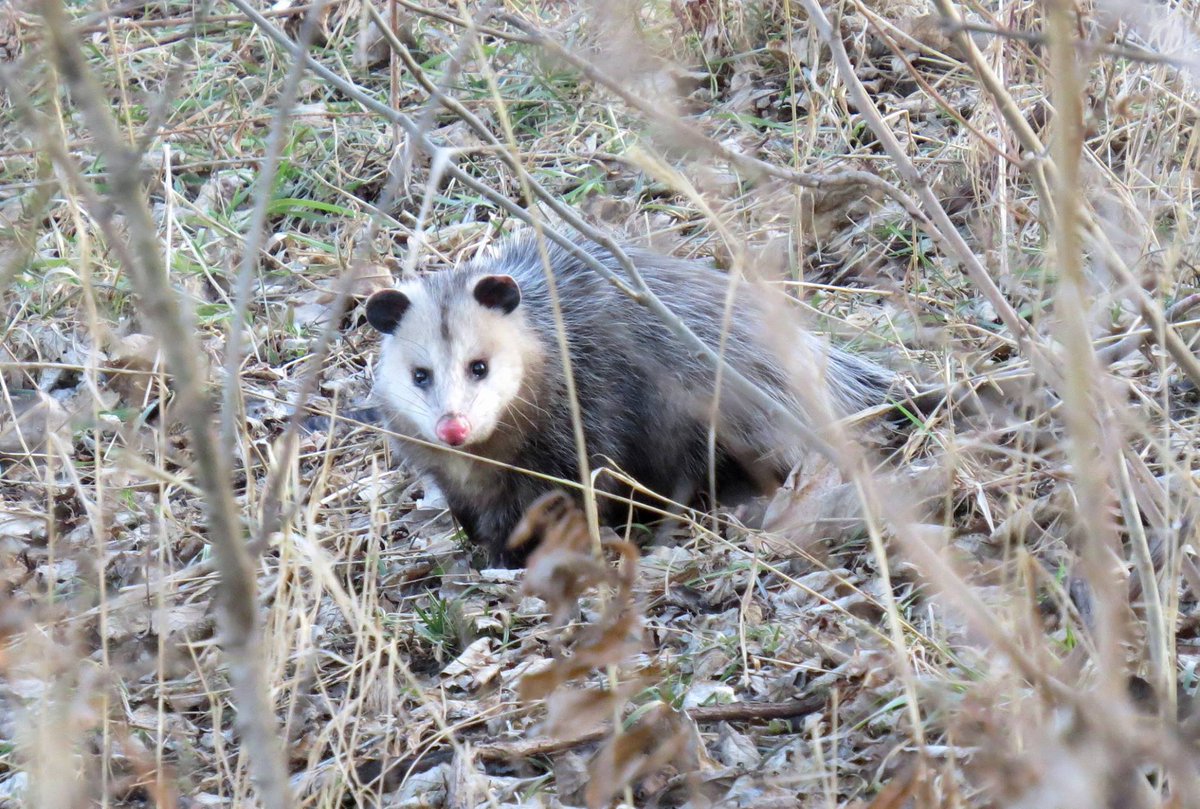
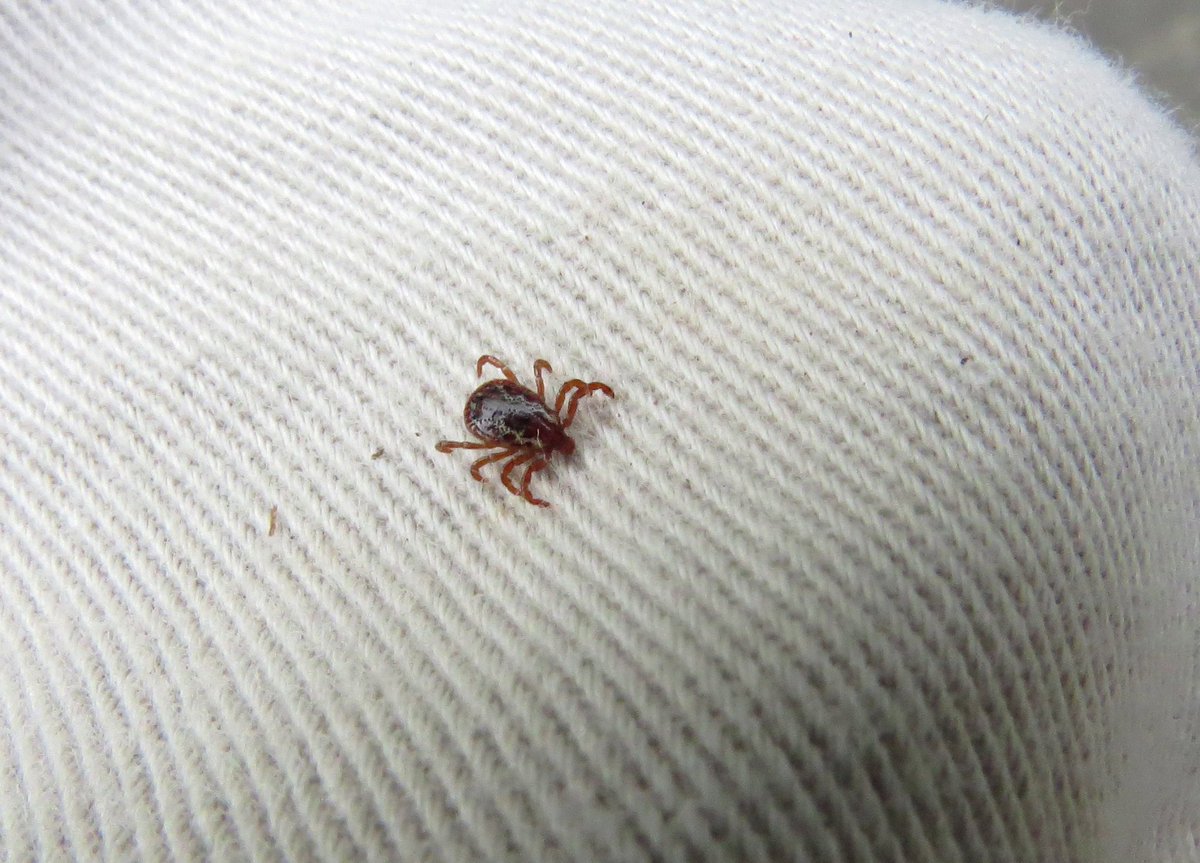
We need to talk. Opossums just don't eat nearly as many ticks as folks have been led to believe. It's not the opossum's fault - ticks just aren't a great food source. You understand, right?
📷 Jessica Bolser/USFWS
@PoPville Helping bugs is AWESOME, 100% commend the intent here, but those actually aren't native wildflowers (maybe native to Europe?)...@xercessociety recommends this seed mix for our region: https://t.co/fFkRtU2jmZ
Our paper in @NatureComms reveals that global #mangrove losses and gains over 20 years can be attributed to socioeconomic and biophysical factors. Access to markets is a strong driver of loss, but economic growth can be compatible with mangrove gains: 10.1038/s41467-022-33962-x
Are you a science graduate student interested in the intersection between policy and science? Apply for the 2023 Graduate Student Policy Award #gspa2023
Details & apply here: https://t.co/qERG7X2Sd5
Tonight on NightSchool: We're venturing into the beautiful, complex, and wonderful world of mangrove forests with @cindaseasworld, @MaydaNathan, & @octavioaburto. Free; streaming live at 7pm PT: https://t.co/TD07XCNj3x
“The salt marsh is not something that we simply go through or to; it’s part of our family, too. Our lives depend on it.”—@GullahGeechee Chieftess Queen Quet https://t.co/fO1Vzc7Umy
Are you a grad student interested in policy?
Apply for the 2022 Graduate Student Policy Award! Winners get:
- Policy & comms training
- Advice from ecologists in the federal government
- A chance to meet with policymakers
➡️ Apps due Dec 10
More info: https://t.co/qERG7X2Sd5