Unfortunately due to word constraints and also time limitations, we didn't delve into the ligandability space and cut it out
However hoping this officially standardizes the academic and biotech landscapes - if we're all on the same page it helps propels discoveries 🙂
New in @CellCellPress describing the E3-ome, a compendium mapping the entire human E3 ubiquitin ligase landscape. Nice resource for targeted protein degradation research. https://t.co/gPzH1GH53S
New in @CellCellPress describing the E3-ome, a compendium mapping the entire human E3 ubiquitin ligase landscape. Nice resource for targeted protein degradation research. https://t.co/gPzH1GH53S
Now out in the April 2 issue of Cell- an important resource for the cell biology community.
The E3-ome gene-centric compendium reveals the human E3 ligase landscape: Cell https://t.co/VUcLZtTFsV
WEHI researchers have led a global study to create the first authoritative atlas for one of life’s most important enzyme families: E3 ligases.
Study led by Dr Ngee Kiat ‘Jake’ Chua (@mediocre_jake) & Dr Rebecca Feltham (@BekkyFeltham) in @CellPressNews
https://t.co/JgbpRLXstf
Great to see this work led by Bekky Feltham @WEHI_research and the global ubiquitin community now published. Happy to have contributed to the curation of HECT E3s.@CCB_Research
The E3-ome gene-centric compendium reveals the human E3 ligase landsca... https://t.co/MqMJS9D7NR
New Review in Trends in Cell Biology with @n_szulc
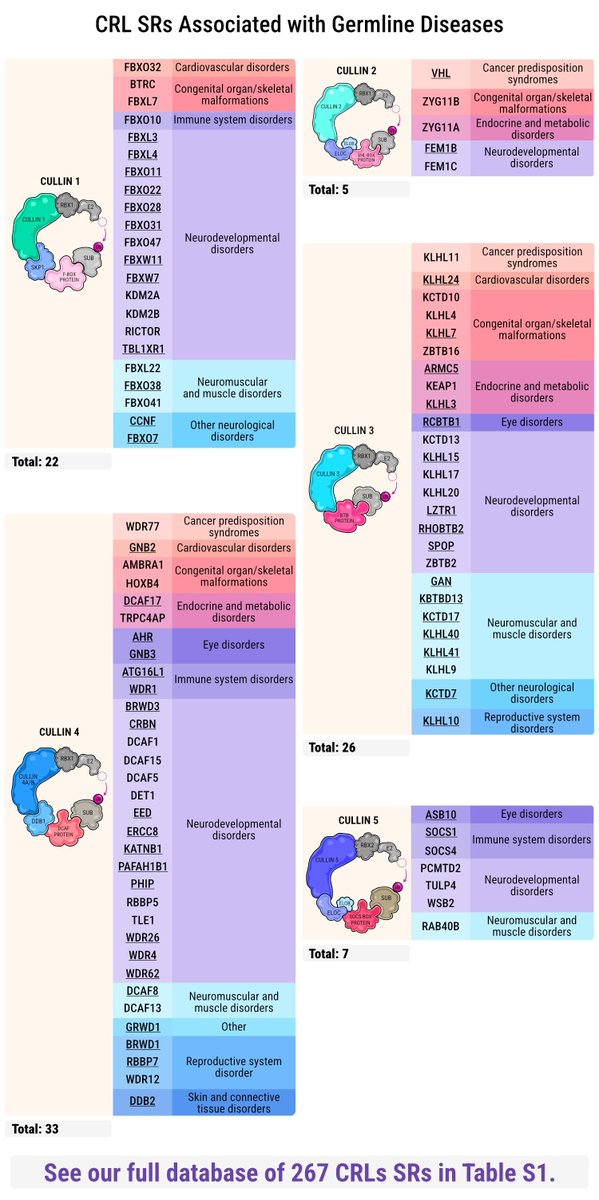
First integrative catalogue of 267 cullin-RING substrate receptors (93 linked to germline disorders) + programmatic-friendly Excel resource for the community. https://t.co/TmTm4Jx5O2
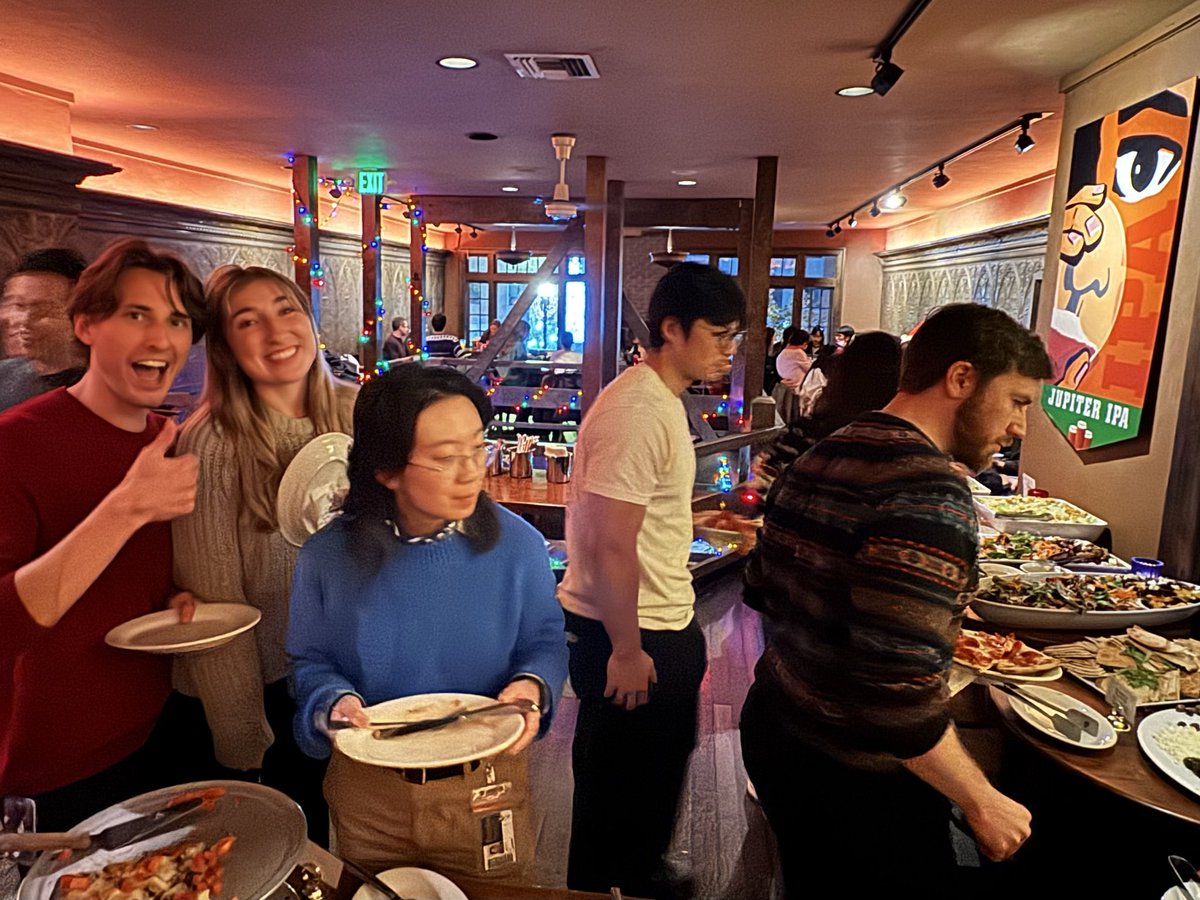
Wonderful joint lab holiday party with @DanNomura@RapeLab@RobertoZoncu and Saxton labs! I treasure these friendships and the community at @UCBerkeley. Happy holidays everyone! 🤗🎉
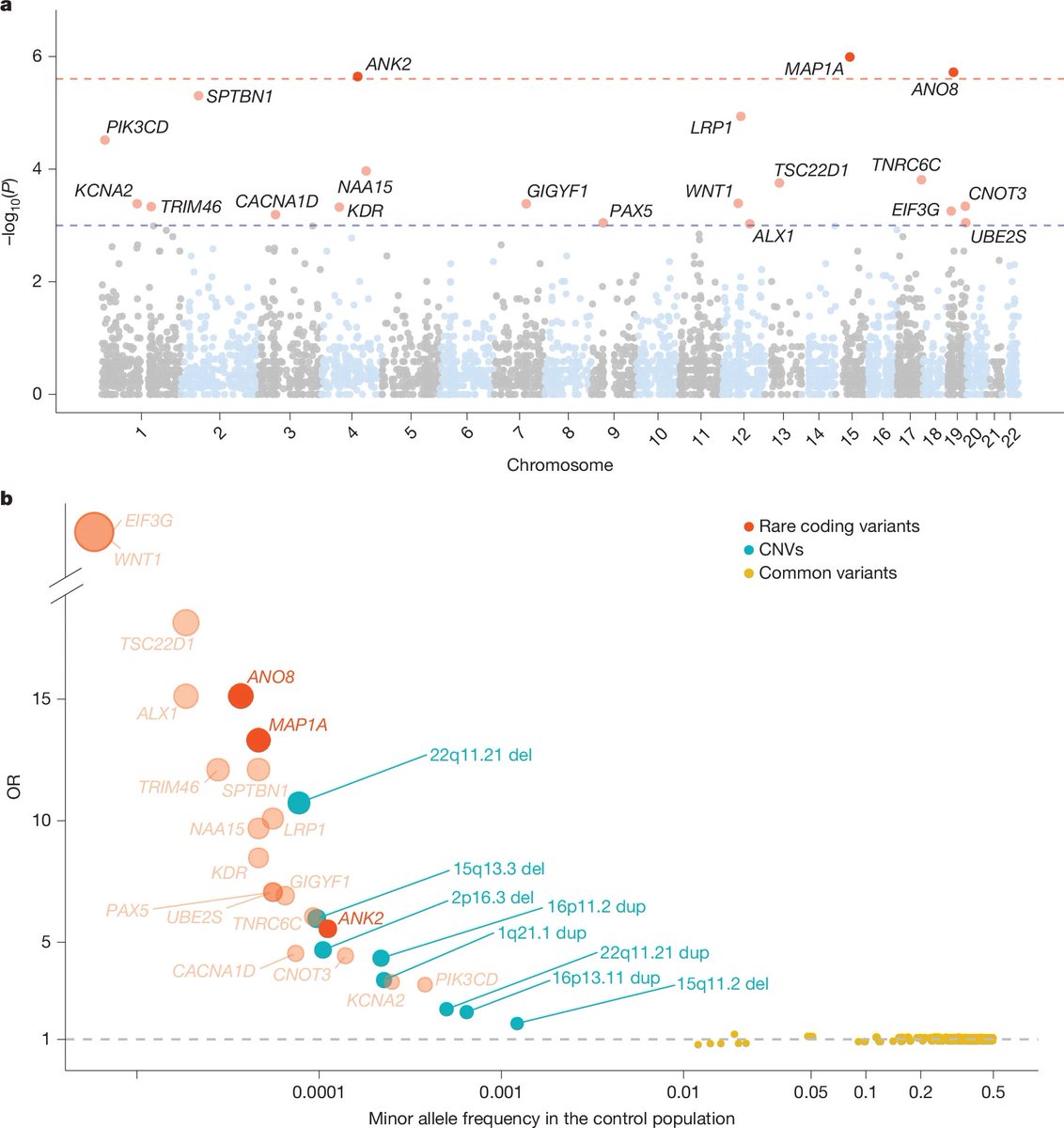
An exome-wide association study of ADHD in 8,895 cases and 53,780 controls from the iPSYCH cohort published in Nature!
Congrats to my former colleagues Jinjie Duan, Ditte Demontis, Anders Børglum and others.
Demontis et al. Nature 2025
https://t.co/C1XLzwU7jY
Postdoc time is often harder than PhD.
You have little time. Competition is higher. And you MUST stand out.
+ Your contract may end any moment.
+ Your salary is often low (for your age/education).
+ You’ve just relocated and prepare to relocate again.
No wonder that Max Planck Society survey showed that depression and anxiety of postdocs is rising.
Interestingly, Max Planck Institutes have substantial internal funding. So, in theory there should be less pressure to apply for grants, and everyone should be enjoying science. And yet the pressure on postdocs is immense.
📍 Many postdocs want to stay in academia.
They want to apply for faculty positions or become senior scientists.
Some of them achieve it. Others don’t.
❗️Why things don’t work out:
In a recent workshop Q&A session, I discussed various scenarios and behind-the-scenes processes that PhD students should keep in mind if they’re considering a postdoc:
“Postdocs: Competition, Hardship and Faculty Positions”
Watch it on here: https://t.co/nlwF8WaLJP
(I’ll appreciate if you ‘like’ this video - you will GREATLY help it reach more students.)
Tomorrow, we have the privilege to welcome Dr. Aviv Regev @Genentech, and learn about
"From #CellAtlases to Medicines with #AI"
11/14 (Fri) 12:30 pm @ Neuroscience Research Building Auditorium, @UCLA
About the seminar series:
https://t.co/hg7h2BXer2
Chemistry writes the story of life.
Every cell, every second, it tells it again - powered by molecular design.
At the core of this process lies the citric acid cycle, the central hub of metabolism.
Here, acetyl-CoA derived from carbohydrates, fats, or proteins enters a precise series of reactions that convert fuel into energy.
Each step transfers electrons, drives ATP synthesis, and sustains the continuous renewal of life at the cellular level.
What may seem invisible is, in fact, the most constant motion in existence; the quiet rhythm of biochemistry that powers everything we do.