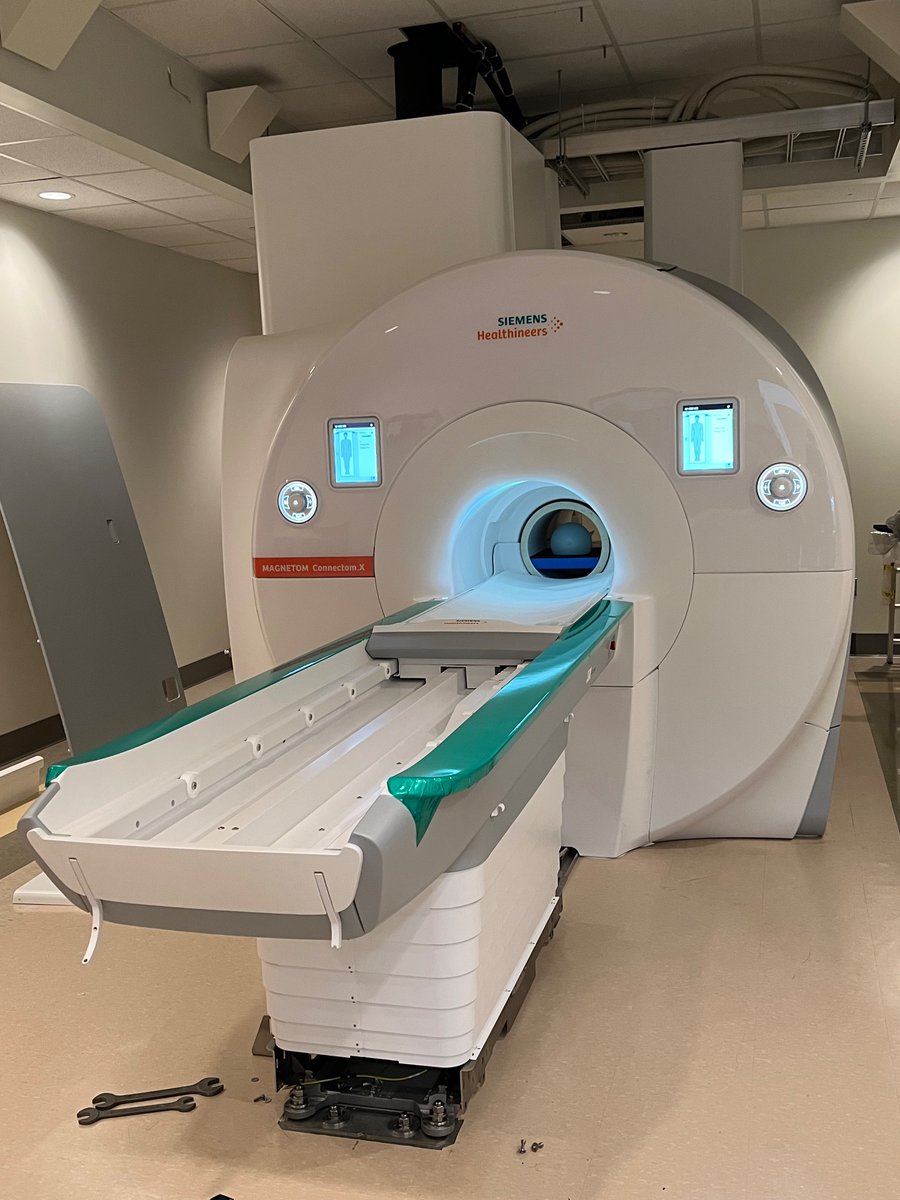
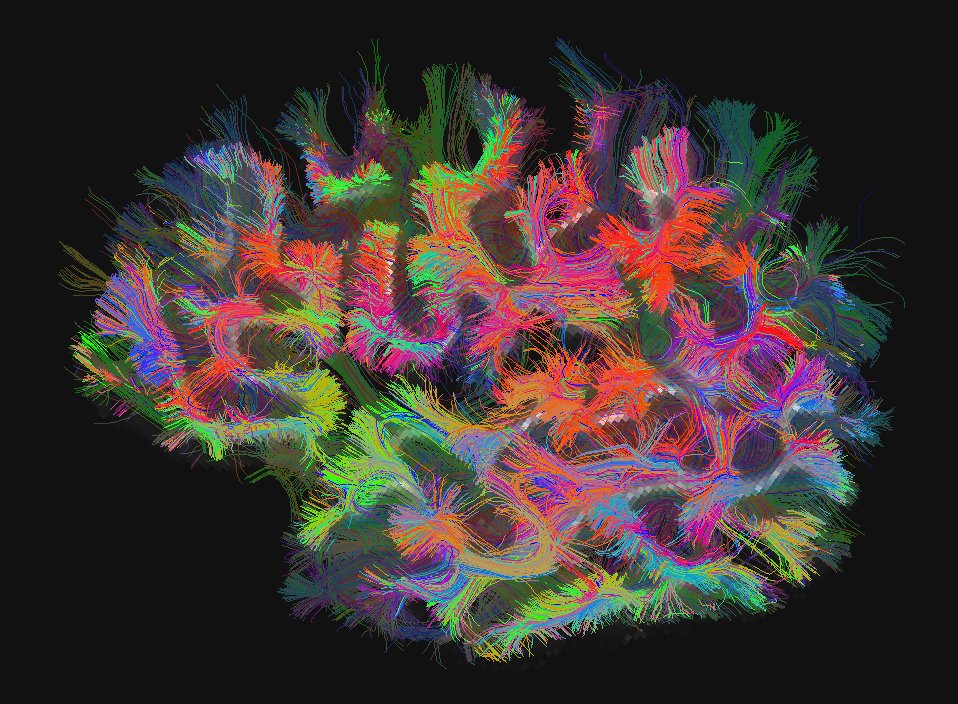
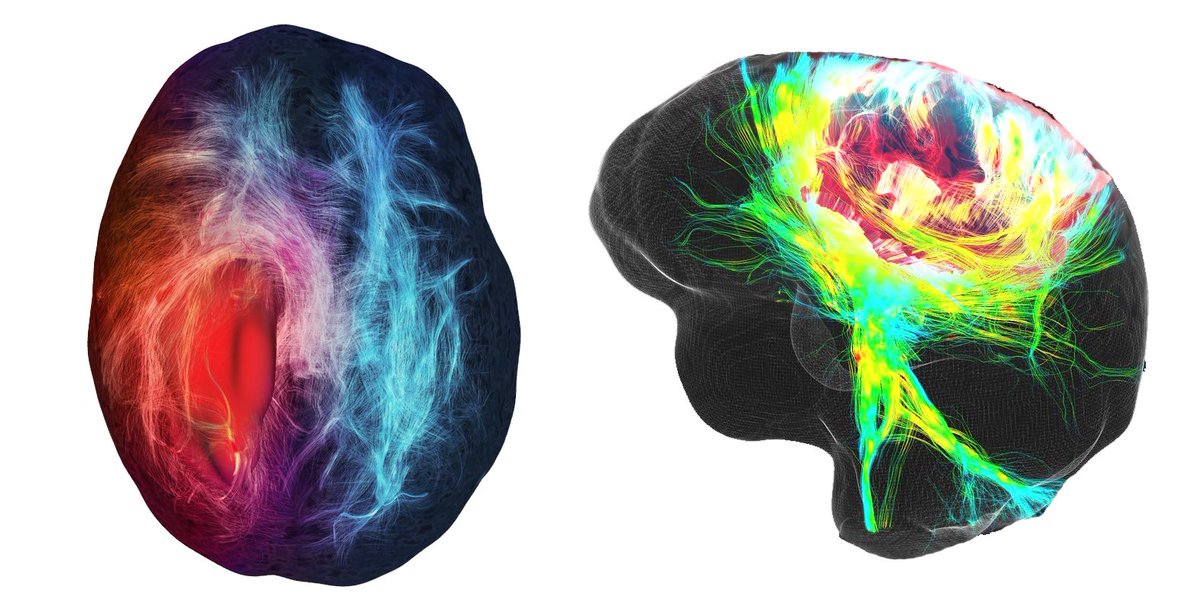
Join the Connectome 2.0 Dissemination Workshop on June 3, 2026, 9 AM-4 PM EST at the MGH Martinos Center. Learn about ultra-high gradient MRI, diffusion MRI, connectivity, and microstructural imaging using the Connectome 2.0 scanner. Program details: https://t.co/Yw6oa8rSxz
Emotion lab @TurkuPETCentre lab is recruiting! We are looking for new PET Shop Boys and Girls (senior scientist / postdoc) for our @ERC_Research Advanced Grant project on mapping whole-body emotion circuits with total-body PET. Please RT / Share! https://t.co/lLZ7s8MXOz
Please RT 🗣️ For our Plan to Enhance Diverse Perspectives, our BRAIN Initiative funded LINC project is seeking to name 2 undergrads + 2 postdocs from diverse backgrounds and/or under-resourced institutions “LINC fellows” for 2024-25. Eligibility and info:
https://t.co/jEstrQoZzB
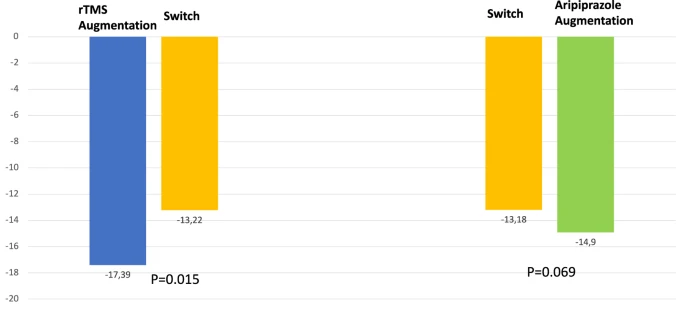
1st trial comparing TMS to other augmentation strategies for MDD.
https://t.co/PA1ASvONkR
Spoiler: TMS outperformed switch to venlafaxine, while Abilify augmentation (the only strategy that's ever been shown to be superior to others) did not.
After seven (7!) years of work with >20 researchers at 10 different institutions, we are super excited to release NextBrain, a next-gen probabilistic atlas of the human brain with 333 regions:
https://t.co/7FACegumZ1
Preprint, data, code, videos, and much more in this 🧵(1/5)
Students & faculty of #SharifUniversity, one of the most important universities in Iran, are under attack by armed forces and there HAS NOT BEEN A SINGLE official news on it yet. All we know: thanks to citizen journalists.
#مهسا_امینی#MahsaAmini#WomanLifeFreedom#دانشگاه_شریف
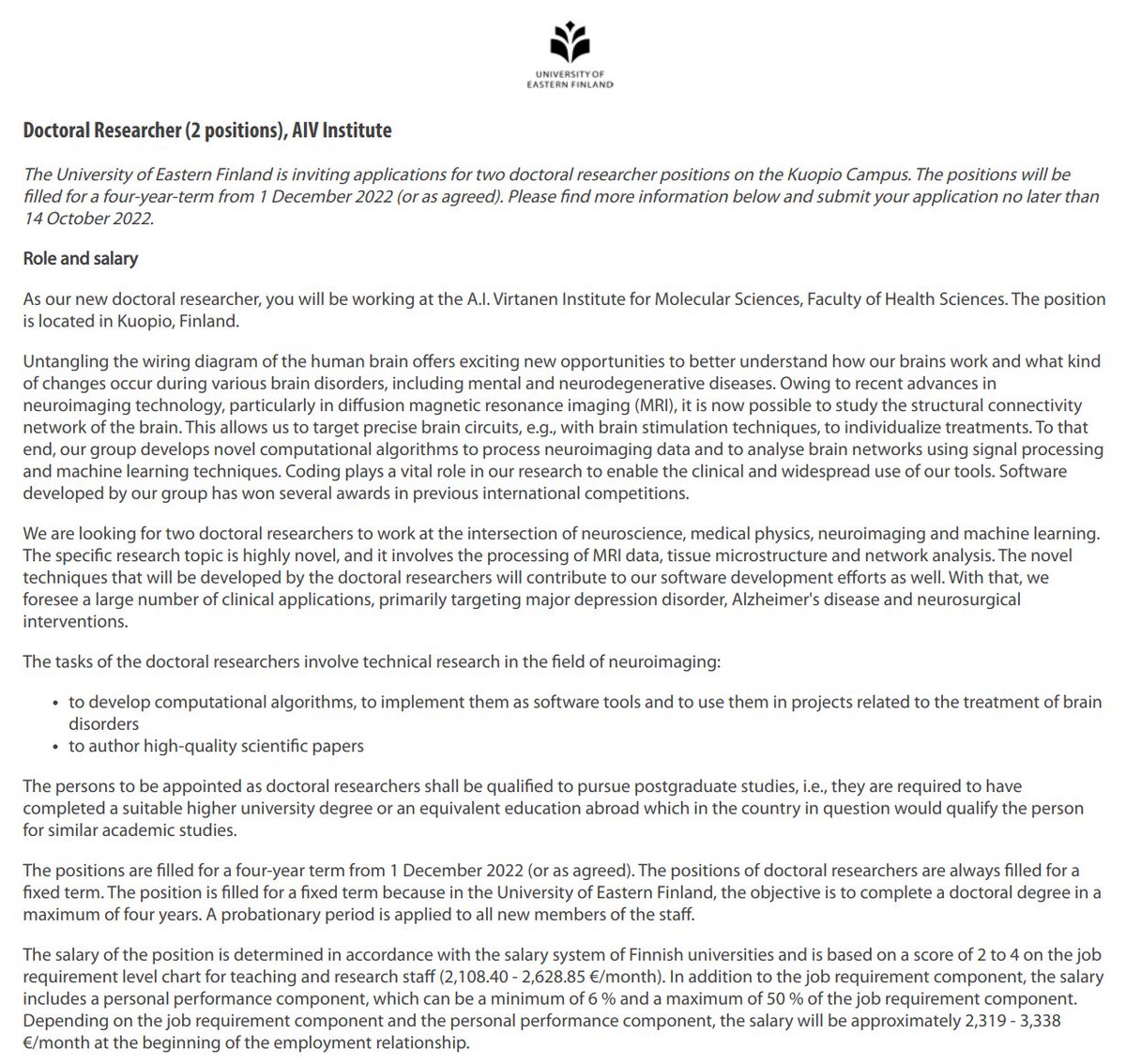
📢OPEN POSITIONS! We are looking for 2 doctoral researchers. If you are interested in computational #neuroimaging, #machinelearning and coding, and you want to learn more about #MRI, #brainconnectivity and #brainstimulation, this might be your chance! https://t.co/RxsvtYRmIy
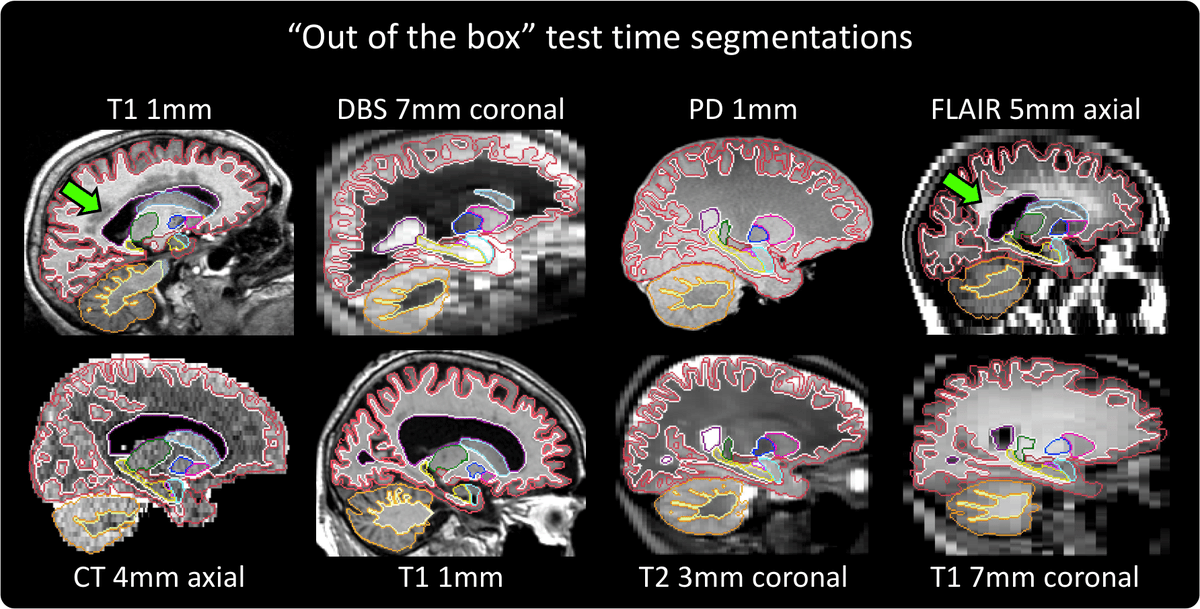
SynthSeg 2.0 is available on the new @FreeSurferMRI 7.3. Segment clinical brain MRI of any resolution and contrast, now with: 1. cortical parcellation; 2. estimation of intracranial volume; and 3. automatic quality control to know when it has failed.
https://t.co/ob7x5oKwYy
Yesterday was my last day of working at Google. Perhaps this comes as surprise to you twitter folks, as I haven't widely announced that I left academia to try something new. Here's what I learned in 9 months as a Data Analyst who (temporarily) left Astronomy for Big Tech. 1/n
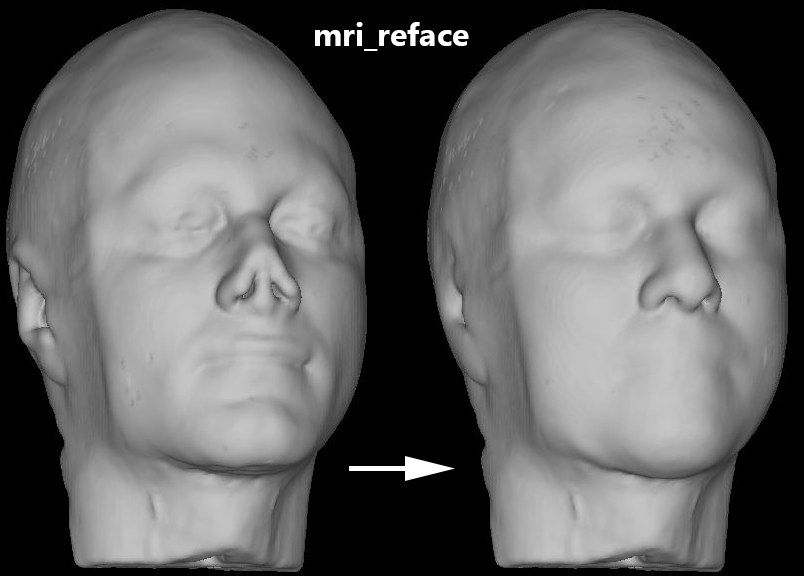
mri_reface replaces identifiable face information in MRI scans to help prevent re-identification via face recognition. Faces are replaced with an average face to reduce effects on downstream brain measurement software. https://t.co/GQjLuGXUaA #MRI#OpenScience
🎉🥳🎈Happy to announce that our work with @GaelVaroquaux "Machine learning for medical imaging: methodological failures and recommendations for the future" has been published in Nature Digital Medicine @npjDigitalMed 🎈🥳🎉!
A thread 🧵 1/ https://t.co/JxyJPG5JMb
Research from @MayoClinicCV with Virend Somers, M.D., Ph.D., and Naima Covassin, Ph.D., finds that lack of sufficient of sleep contributes to eating more and depositing belly fat, especially the dangerous internal visceral fat linked to metabolic disease. https://t.co/jpi8NLneDk
Intimate partner violence is a leading cause of concussion and brain injury among women in the US. Read #HarvardHealth contributor @EveValera2 on this invisible epidemic: https://t.co/L4xP4xGu8W #BrainInjuryAwarenessMonth