Here’s a review of DNA extraction methods developed for point-of-need DNA-based testing that could be useful for DNA testing practitioners, students of PCR, fieldwork researchers, and anyone interested in DNA extraction chemistry.
The authors, Lee et al. (2023), review methods suitable for use outside of conventional laboratories, ranging from quick and dirty extractions to affordable and easy-to-use extraction testing devices for mass distribution, such as lab-on-a-chip devices.
They also dive into the chemistry and processes behind each extraction option with referenced examples, comprehensive tables, and some great illustrations of the different methods. So this could be useful even if all of your work is lab-based.
Importantly, the authors examine recent DNA extraction methods devices in the context of the World Health Organisation’s REASSURED criteria for point-of-need testing, and assess their usefulness for users within this framework.
You can read the article here:
Lee et al. (2023). Chemical Trends in Sample Preparation for Nucleic Acid Amplification Testing (NAAT): A Review. Biosensors, 13(11), 980.
https://t.co/5gyoj3ndzn
Unfortunately, the authors didn't cover filter paper-based DNA extraction methods, which is a super-cheap and easy method which has been suggested as meeting numerous REASSURED criteria. You can find an example of this method below:
Aula et al. (2023). Optimisation of the DNA dipstick as a rapid extraction method for Schistosoma japonicum in infected mice samples and spiked human clinical samples. Infectious Diseases of Poverty, 12(1), 71.
https://t.co/4QOVUOgdsL
***
https://t.co/5gyoj3ndzn
Forget Google Scholar. Here are seven AI-powered apps to fast-track your literature review.
1. Research Rabbit
2. Connected Papers
3. Inciteful
4. Litmaps
5. Elicit
6. Iris
7. Scite
Below is a comparison to help you choose the best one for your work:
White mold on cabbage caused by the fungus Sclerotinia sclerotiorum. White mycelium develops on aerial plant parts causing wilting & shredding of tissue. Hard black sclerotia develop on or in infected areas. Cool wet weather favors disease development #Fungi#Plantdisease#Mold
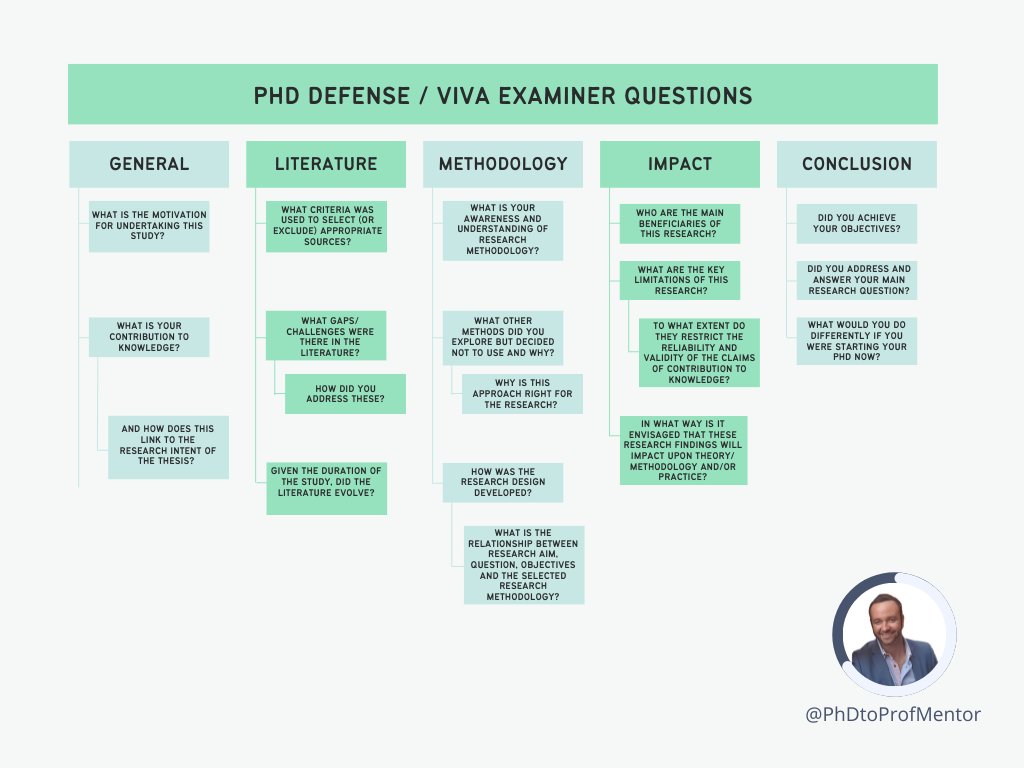
PhDs, do you ever wish you could see inside an examiner's mind?
I have been a PhD examiner for 15+ years and have collated all the key questions colleagues of mine ask in PhD Vivas in this cheat seeht.
🎁 This is my present to you.
“Ten years ago I was kicked out and forced to retire.”
Our new medicine laureate Katalin Karikó (@kkariko) told us how much it means to be awarded the Nobel Prize after a scientific career that has been full of challenges.
Ten years ago, Karikó was still doing all her experiments by hand but today she has been awarded the medicine prize for her research on mRNA, which led to the development of COVID-19 vaccines.
Listen now:
Foliar symptoms of Soybean vein necrosis virus (SVNV) are common this year in North Alabama. SVNV begins as yellowing near leaf veins that develops into reddish-brown lesions that spread along leaf veins resulting in angular lesions @CropNetwork@baldpathologist @yztanet #Virus
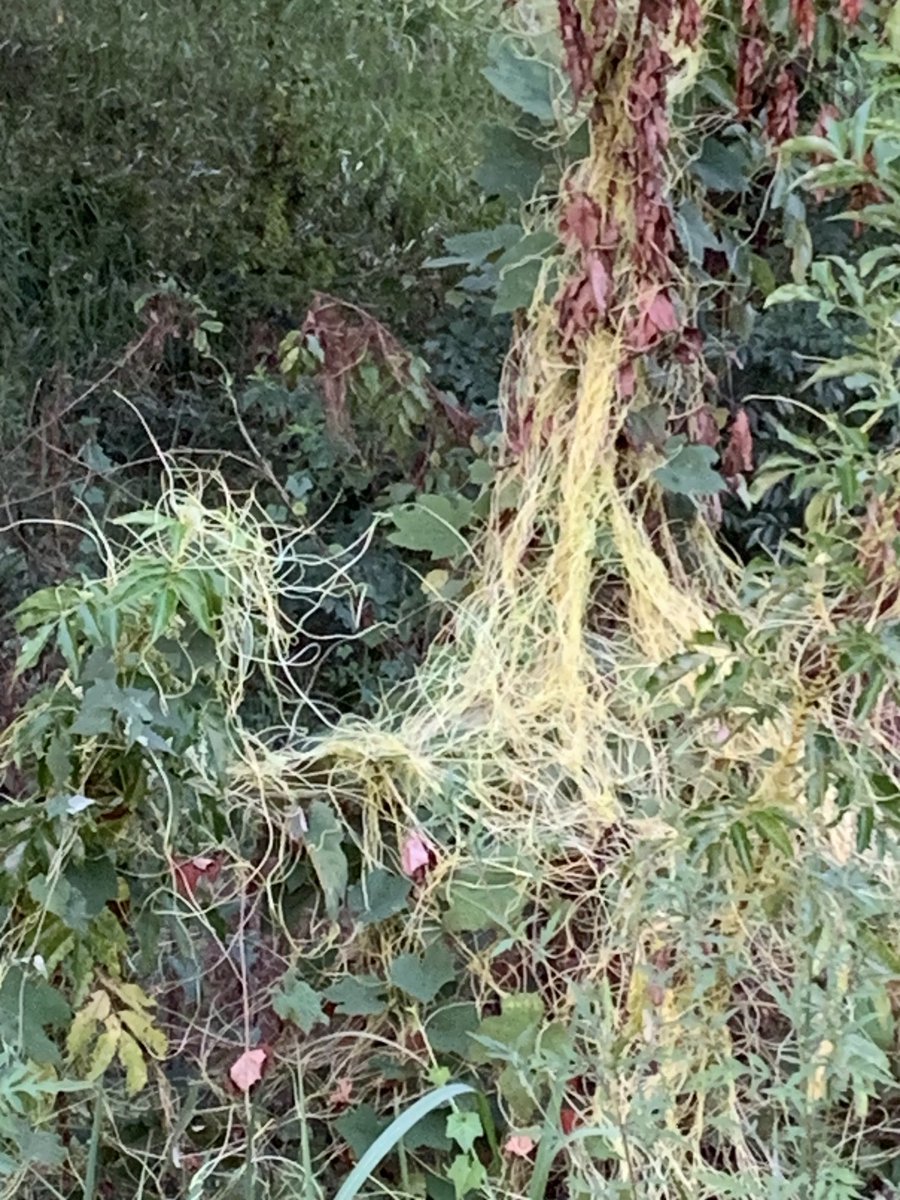
A little patch of dodder to start your day. Dodder is a parasitic plant that infests many crops, ornamentals, native plants & weeds. Dodder has twining stems that vary from pale green-yellow-orange. Dodder can limit photosynthesis but gets most of its energy from its host plant
Charcoal rot of soybean is caused by a soilborne fungal pathogen. Symptoms appear as patches of wilted plants. Small black microsclerotia are found in the pith & on the surface of the lower stem resulting in a light gray appearance. Charcoal rot is favored by hot dry conditions
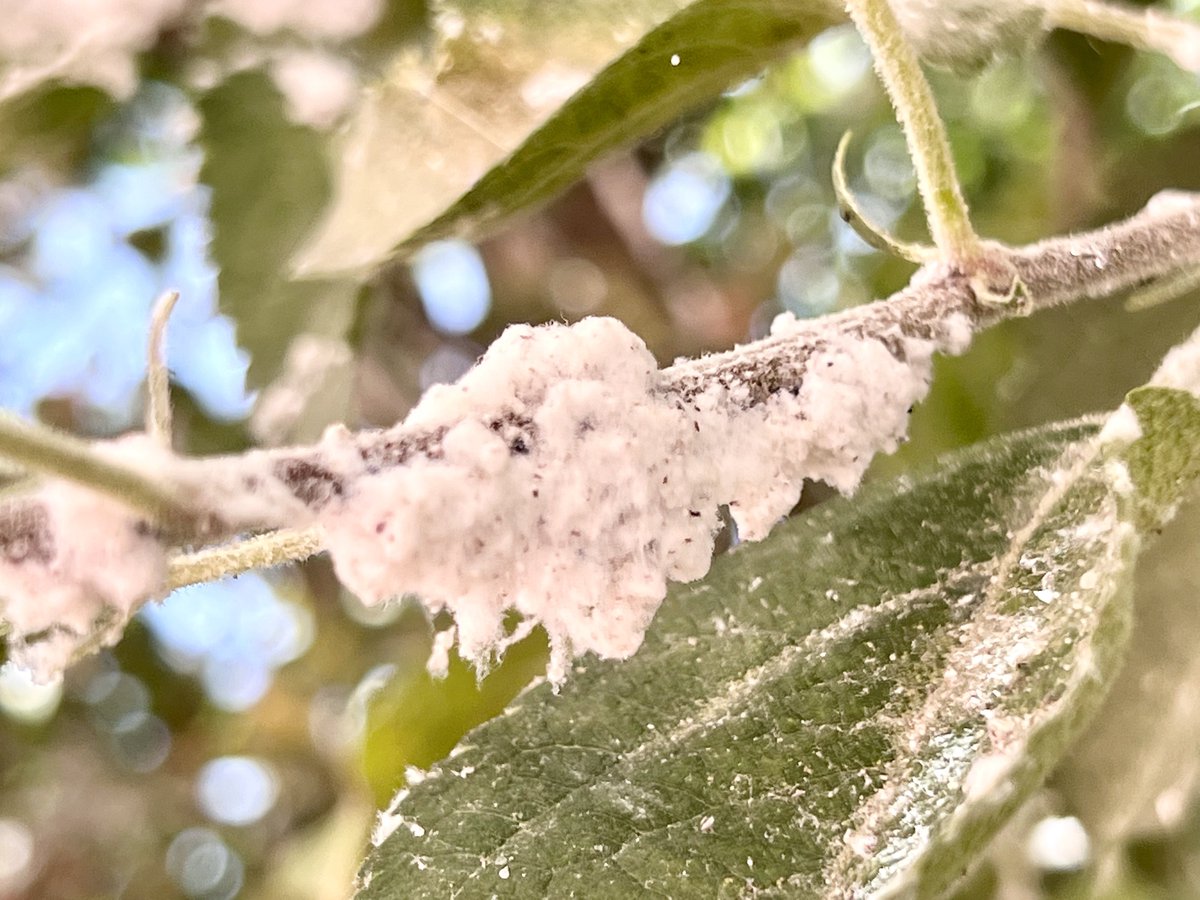
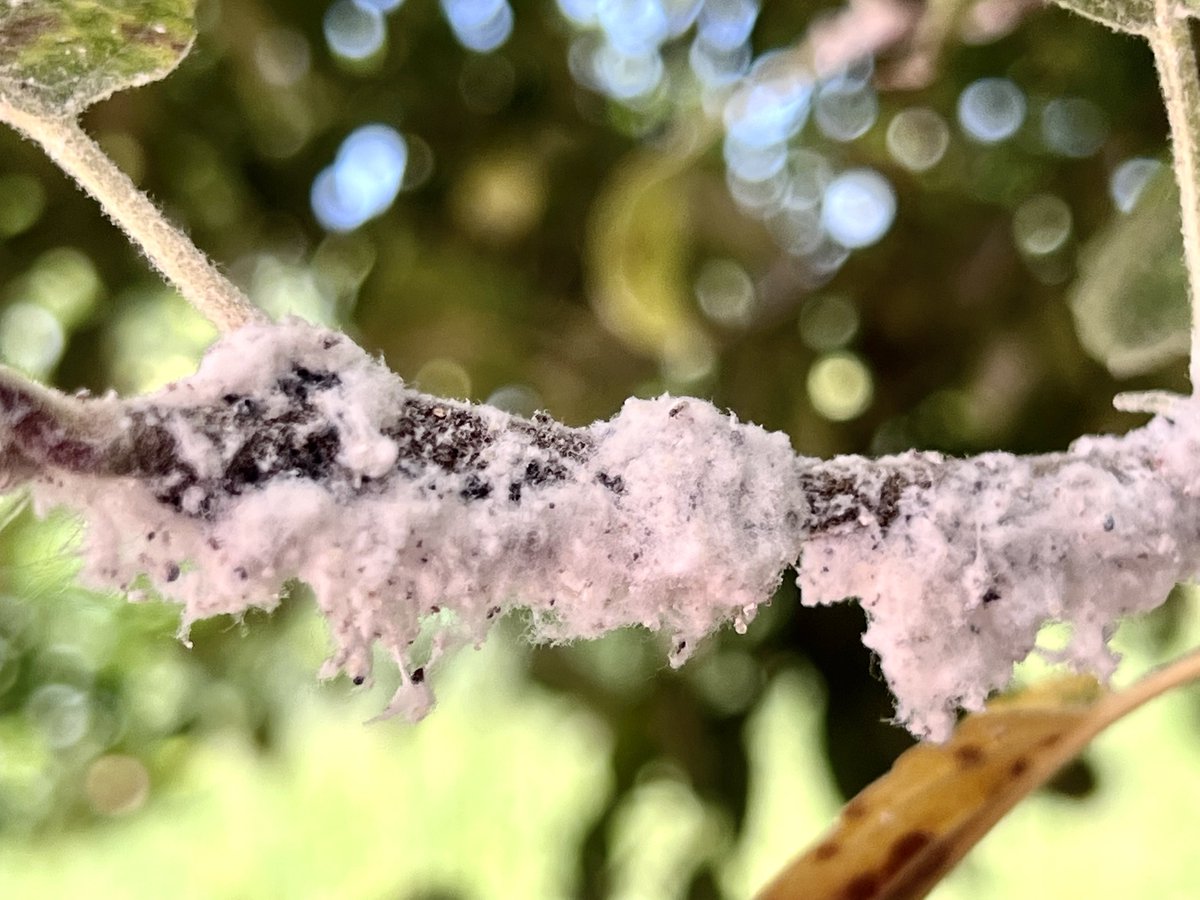
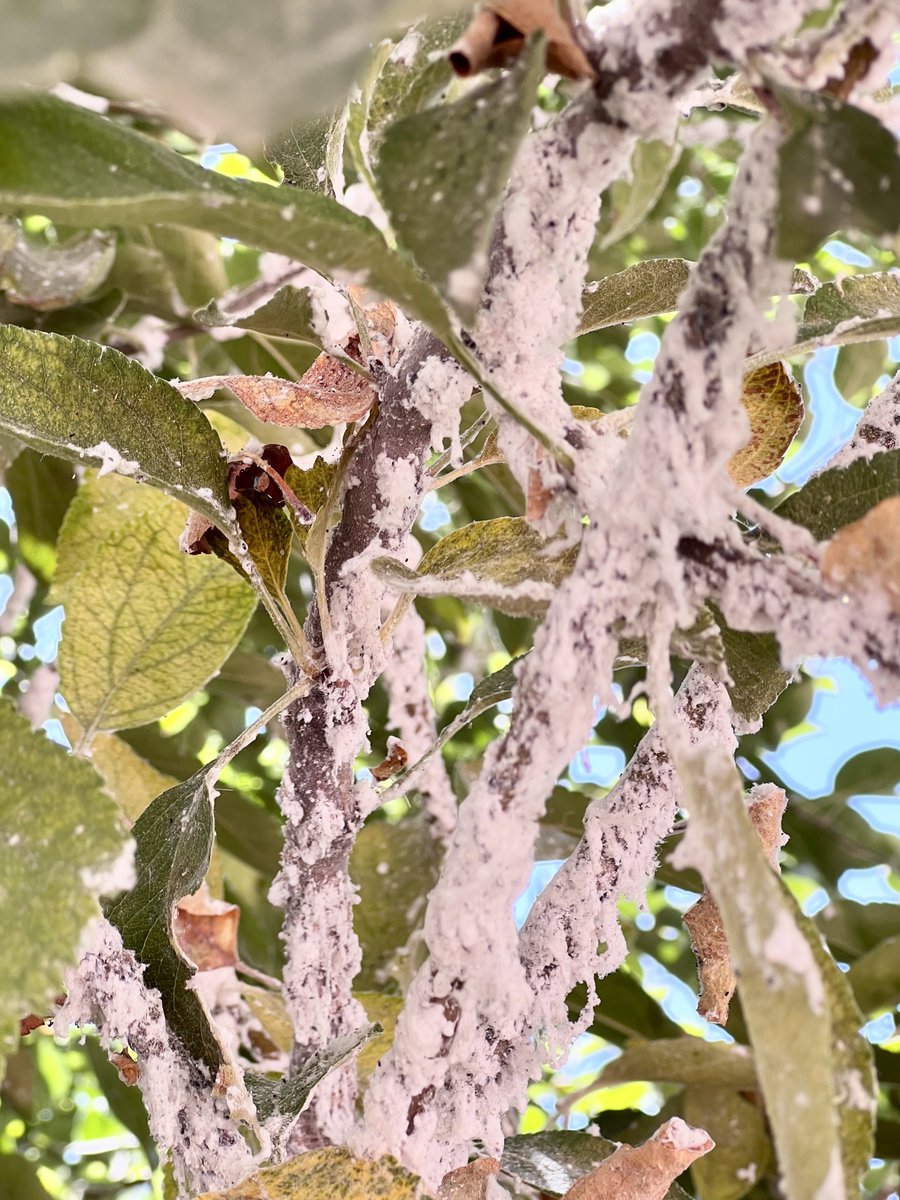
Saw an apple tree (at Sultan Sazligi near Kayseri, #Türkiye) devastated by Woolly apple aphid! WAA is a serious pest of #Apples that feeds on twigs, trunk or rootstocks of apples and can result in reduced vigor or death of trees.
A very good information about Sclerotinia sclerotiorum, , a widespread pathogen of dicotyledons, can grow endophytically in wheat, rice, barley, maize, and oat, providing protection against Fusarium head blight, stripe rust, and rice blast.
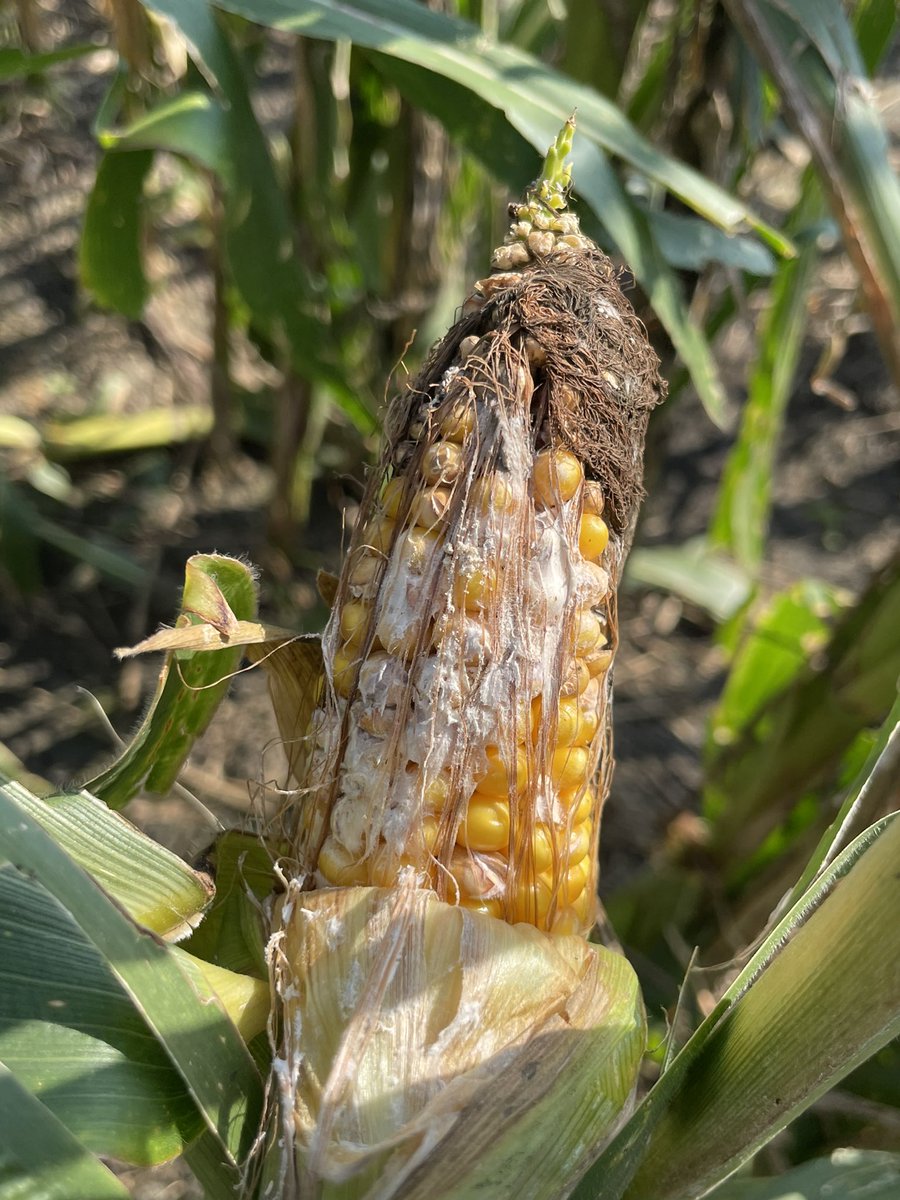
Fusarium ear rot on hail -damaged corn. Symptoms include a white to pink cottony mold that occurs on kernels scattered or clustered on the ear. Decay often begins on damaged kernels. Species of Fusarium can produce mycotoxins which can harm animals when fed moldy grain #Fungi