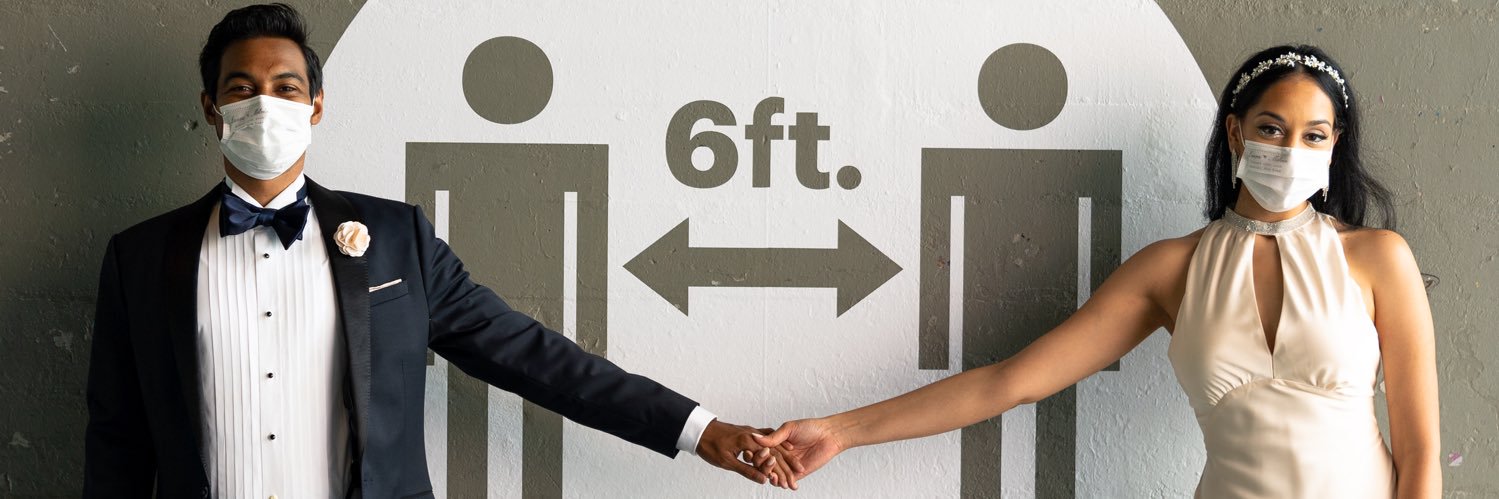
I’m proud to share that I’ve been selected as a Stony Brook University 40 Under Forty honoree for 2026! I am honored and grateful!
Once a Seawolf, always a Seawolf! #SBU40Under40
See who's joining me as a 40 Under Forty honoree: https://t.co/keCOARGLy8
Congratulations to @stonybrooku's 2026 40 Under Forty honorees!
These exceptional alumni are leading with purpose, driving innovation and making an impact in their professions and communities. #SBU40Under40
Meet the 40 alumni who are shaping the future: https://t.co/uvv6ifE89w
Optimised medical therapy alone versus optimised medical therapy plus revascularisation for asymptomatic or low-to-intermediate risk symptomatic carotid stenosis (ECST-2): 2-year interim results of a multicentre randomised trial - The Lancet Neurology https://t.co/WRe76f3uuA
Before the election, I warned that there is no safe haven under authoritarianism.
If they can ship Kilmar Abrego Garcia to a foreign prison—accused of no crime, with no trial—they can do it to anyone.
Americans of conscience must stand against this now.
Harvard has set an example for other higher-ed institutions – rejecting an unlawful and ham-handed attempt to stifle academic freedom, while taking concrete steps to make sure all students at Harvard can benefit from an environment of intellectual inquiry, rigorous debate and mutual respect. Let’s hope other institutions follow suit.
Congratulations to Judge Susan Crawford on her victory, and to the people of Wisconsin for electing a judge who believes in the rule of law and protecting our freedoms.
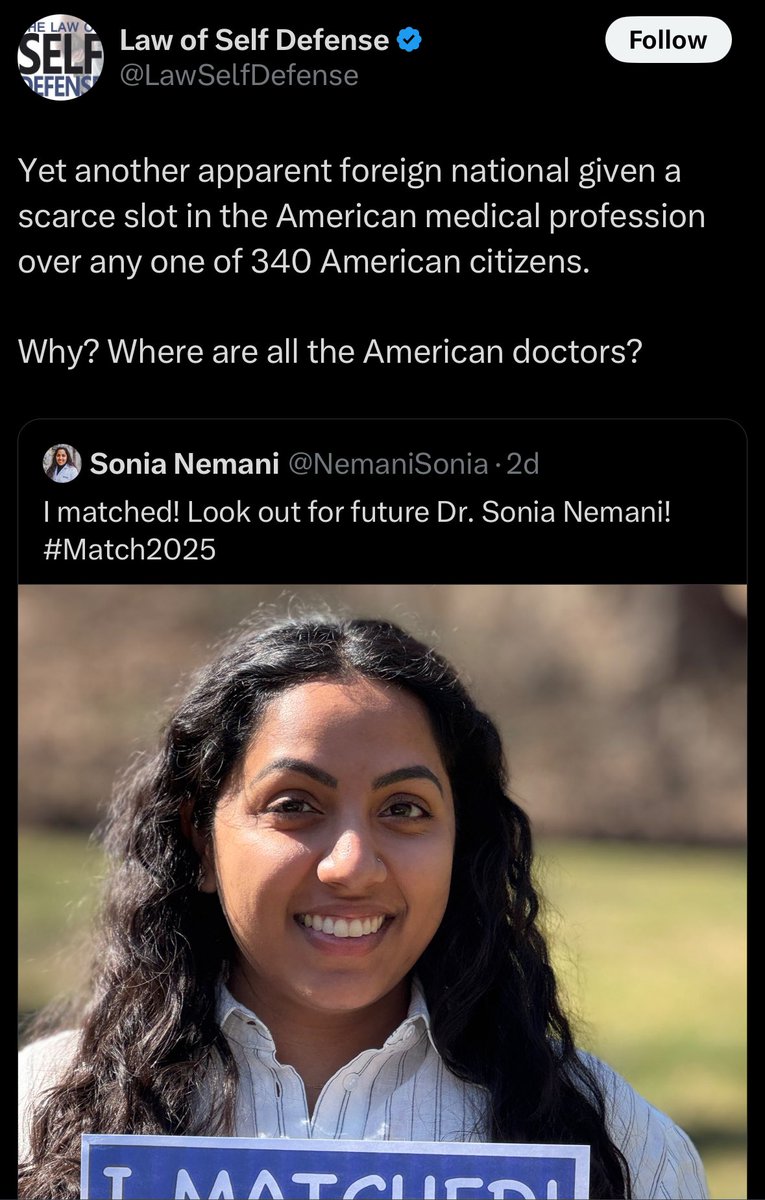
Overall Match rates for IMGs are lower (68% for US citizen and 58% for non-US citizen IMGs).
Among IMGs, US citizens seem to be preferred in EM and FM, while non-US citizens made up relatively larger portions of matched pathology and neurology applicants.
Although graduating MD and DO students matched at nearly identical rates (93.5% vs. 92.6% in the 2025 NRMP Match), they matched into a different distribution of specialties.
Sir respectfully, I’m a born and raised American citizen.
Everyday I have and will continue to dedicate my life to the health and well being of our people and communities.
🧵In a meta-analysis of randomized controlled trials that enrolled patients with acute ischemic stroke beyond 4.5 hours of time last known well, administration of thrombolysis (compared with placebo) led to a higher odds of a good functional outcome despite a higher odds of sICH.
Direct oral anticoagulants versus no anticoagulation for the prevention of stroke in survivors of intracerebral haemorrhage with atrial fibrillation (PRESTIGE-AF): a multicentre, open-label, randomised, phase 3 trial - The Lancet https://t.co/UKAP1S8wOm
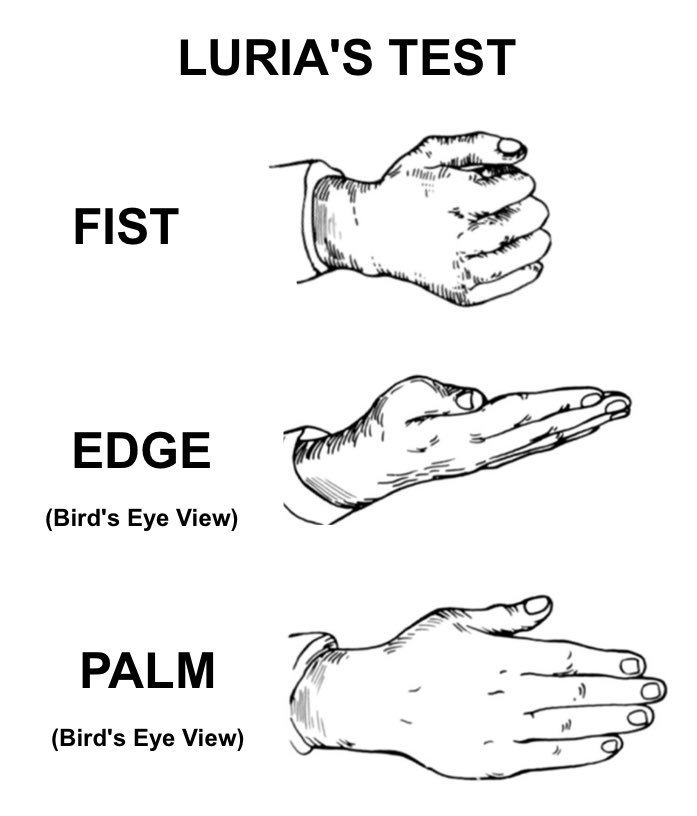
For those of you matching into neurology this week:
Congratulations and welcome to the family!
(Shhh. Don’t let the rest of them know we have a secret handshake!) @NMatch2025
Top 5 advances in medicine in February (🧵)
1. The first large trial to show that oxygen can improve outcomes in stroke
Patients in this trial had acute ischaemic stroke (caused by a large vessel blockage in the front part of the brain)
They received either 100% oxygen at 10 litres/minute (via a non-rebreather mask), or a sham treatment (roughly equivalent to breathing oxygen from air), for 4 hours
All patients were treated with thrombectomy (mechanical clot removal), and that's the key: it's thought that oxygen 'freezes' the penumbra (the salvageable brain tissue) before blood flow is restored by thrombectomy
That also explains why this hasn't been found before: previous trials were done before thrombectomy was widely used
This trial was done in only one country, in a select group of patients, so we'll need broader trials: these are underway
https://t.co/Y0gr6RAV5B
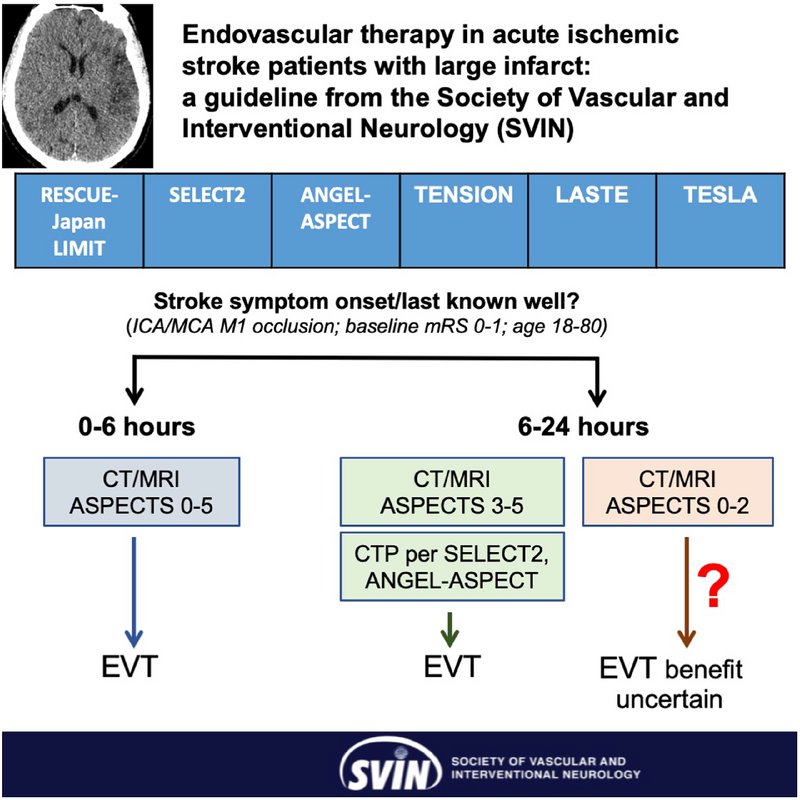
Practical recommendations on selection of patients with large infarct for thrombectomy from @svinsociety@SVINJournal
Keeping it simple approach minimizes delays to treatment
⌛️= 🧠
https://t.co/m7T5LTA40Y