•This sends chills to my spine...
-My people are not threatened by silence.
-They are completely at home in it. -They have lived for thousands of years with Nature’s quietness.
-My people today recognise and experience in this quietness the great Life-Giving Spirit, the Father of us all.
-It is easy for me to experience God’s presence.
-When I am out hunting, when I am in the bush, among the trees, on a hill or by a billabong; these are the times when I can simply be in God’s presence.
-My people have been so aware of Nature.
-It is natural that we will feel close to the Creator.
-Our Aboriginal culture has taught us to be still and to wait.
-We do not try to hurry things up. We let them follow their natural course – like the seasons.
-We watch the moon in each of its phases.
-We wait for the rain to fill our rivers and water the thirsty earth…
-When twilight comes, we prepare for the night. At dawn we rise with the sun.
-We watch the bush foods and wait for them to ripen before we gather them.
-We wait for our young people as they grow, stage by stage, through their initiation ceremonies.
-When a relation dies, we wait a long time with the sorrow.
-We own our grief and allow it to heal slowly.
-We wait for the right time for our ceremonies and our meetings. The right people must be present.
-Everything must be done in the proper way.
Careful preparations must be made. We don’t mind waiting, because we want things to be done with care.
-We don’t like to hurry.
There is nothing more important than what we are attending to. There is nothing more urgent that we must hurry away for.
-We wait on God, too. His time is the right time.
-We wait for him to make his word clear to us.
-We don’t worry.
-We know that in time and in the spirit of dadirri (that deep listening and quiet stillness) his way will be clear.
-We are river people.
-We cannot hurry the river.
-We have to move with its current and understand its ways.
-We hope that the people of Australia will wait.
-Not so much waiting for us – to catch up – but waiting with us, as we find our pace in this world.
-If you stay closely united, you are like a tree, standing in the middle of a bushfire sweeping through the timber. The leaves are scorched and the tough bark is scarred and burnt; but inside the tree the sap is still flowing, and under the ground the roots are still strong. Like that tree, you have endured the flames, and you still have the power to be reborn.
-Our culture is different. We are asking our fellow Australians to take time to know us; to be still and to listen to us.
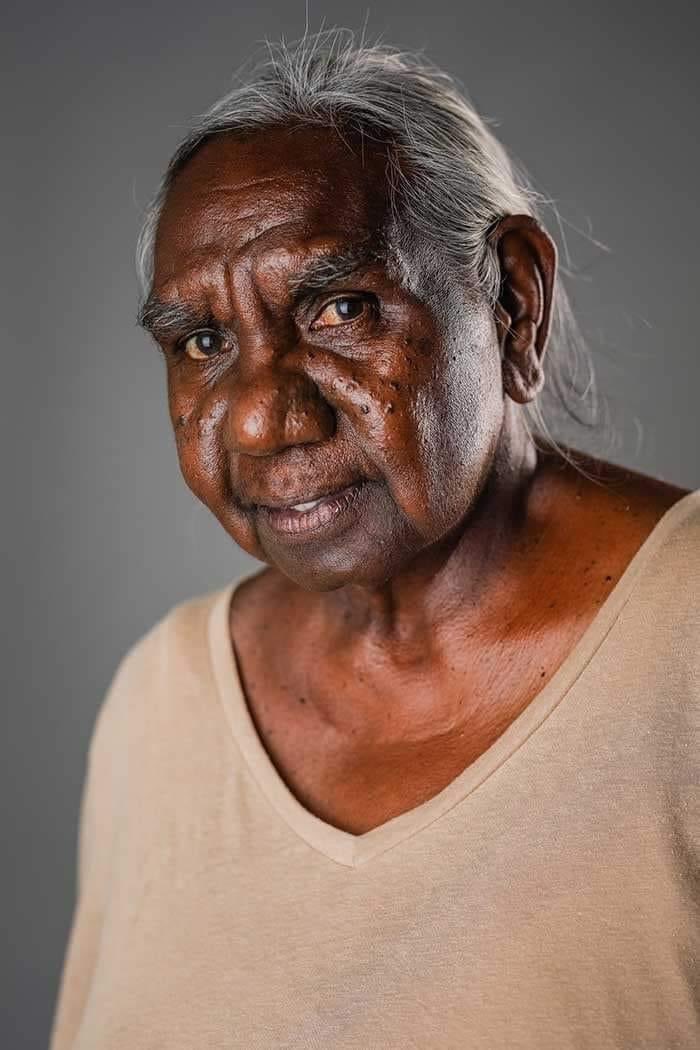
~ Miriam-Rose Ungunmerr-Baumann
(Aboriginal activist, educator, artist and 2021 Senior Australian of the year)
#midwivesofthesoul #miriamroseungunmerrbaumann-
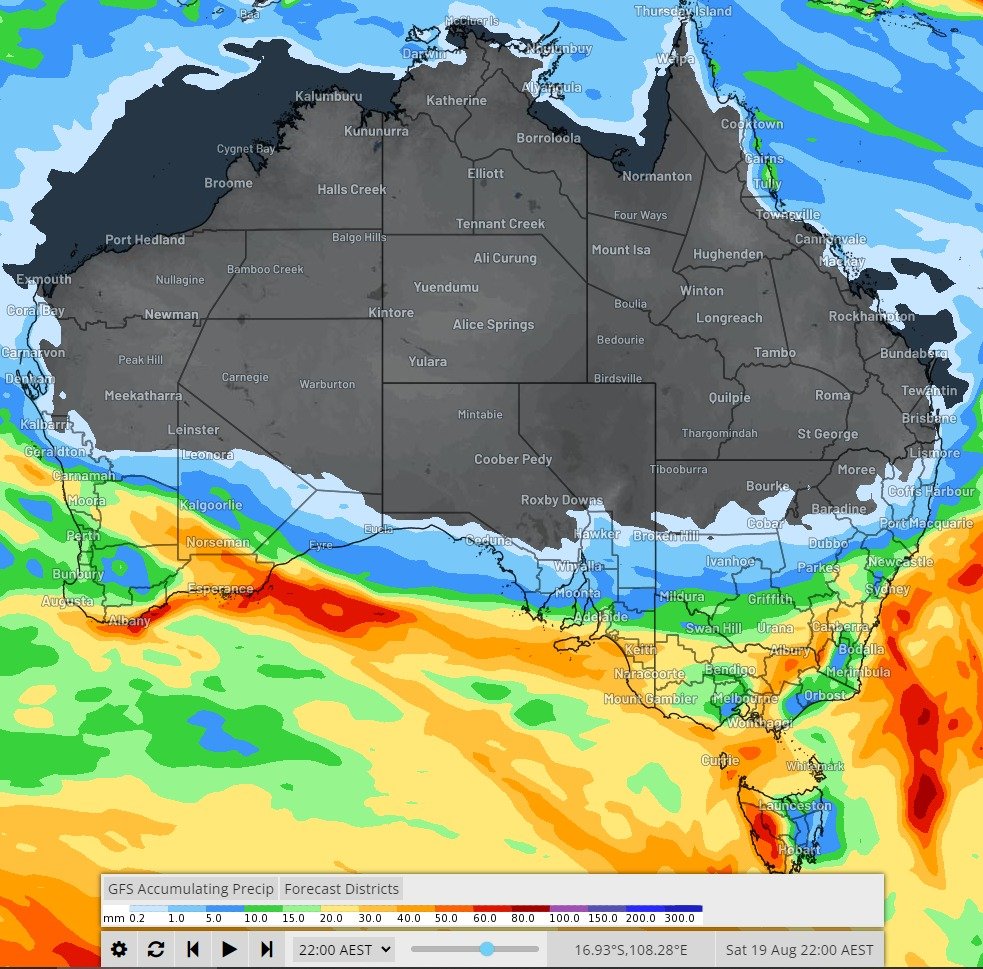
Something we have been monitoring over recent weeks and months is the coming period of 3-7th of September.
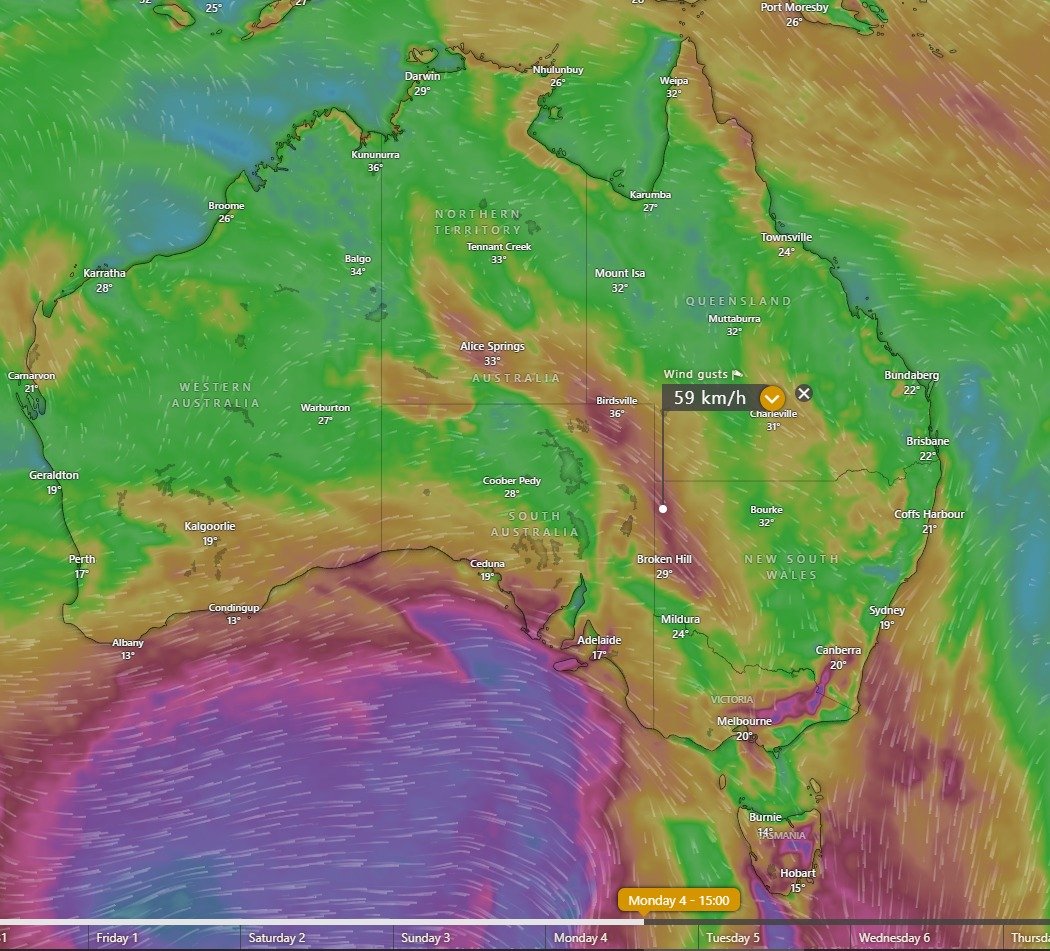
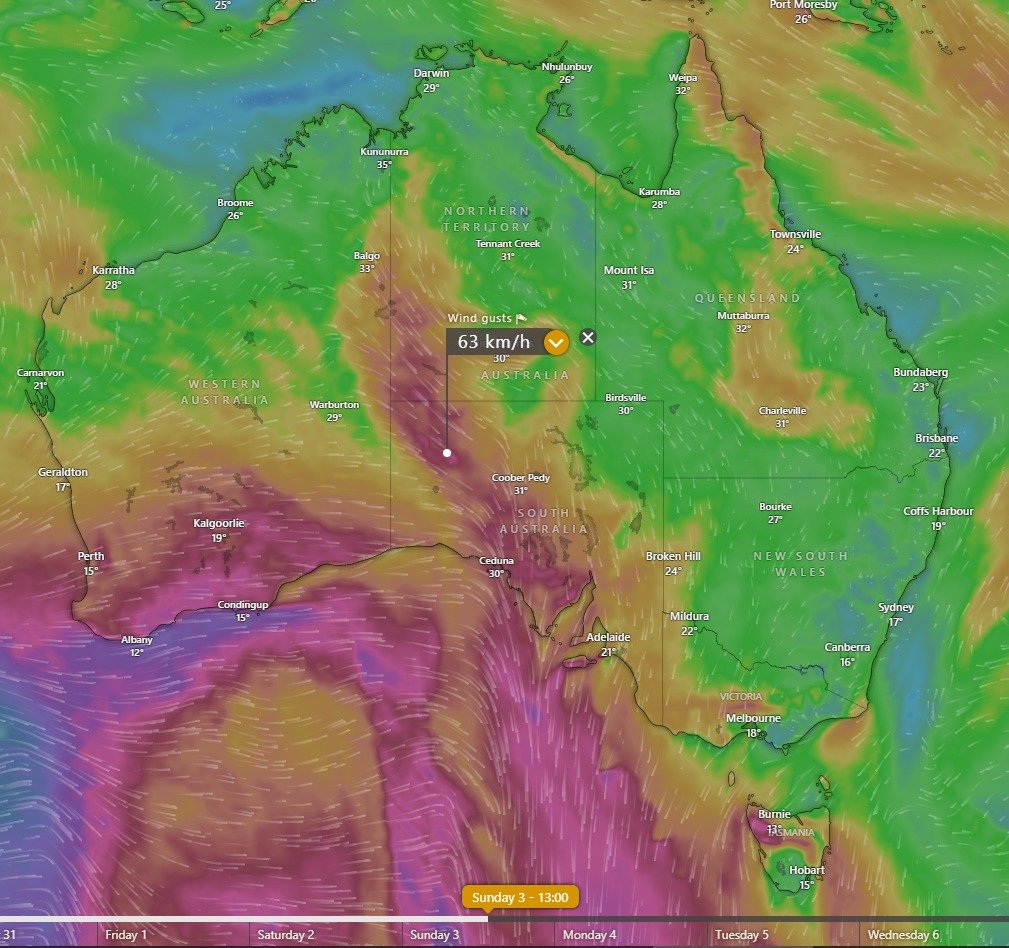
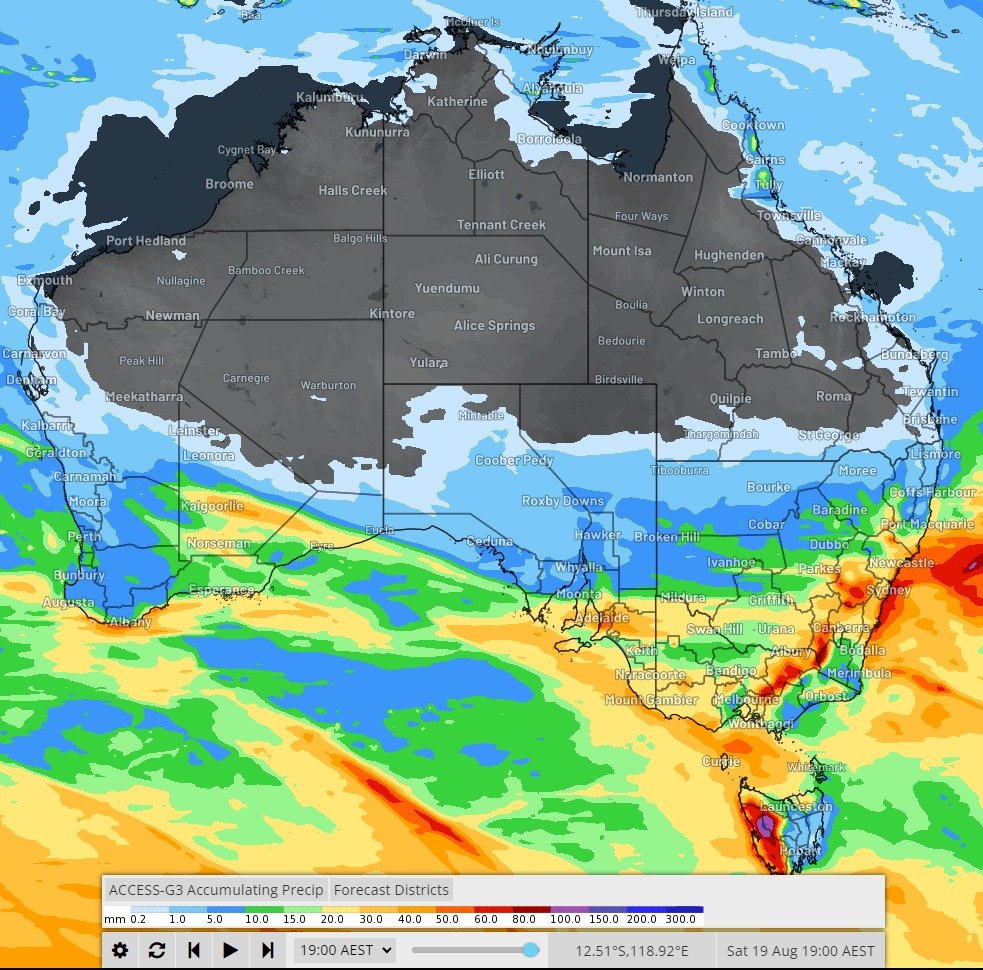
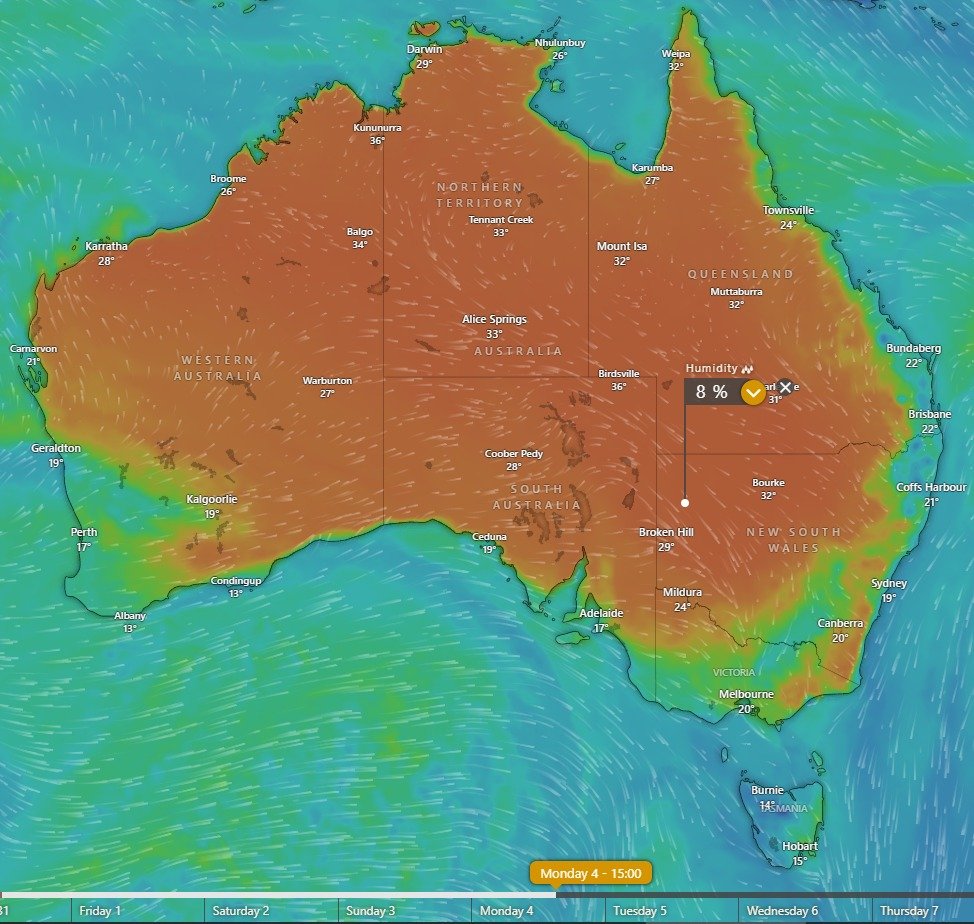
The long range forecast suggests a frontal system is due which can see a hot and dry northwesterly form. This frontal system and resultant northwest surge can see elevated fire conditions through large parts of the interior.
Winds gusting from 40-80kmh may occur.
Persons in the greater south and southern interior should plan for potentially dangerous fire weather conditions from this weekend into the new week as the coming frontal system pushes through.
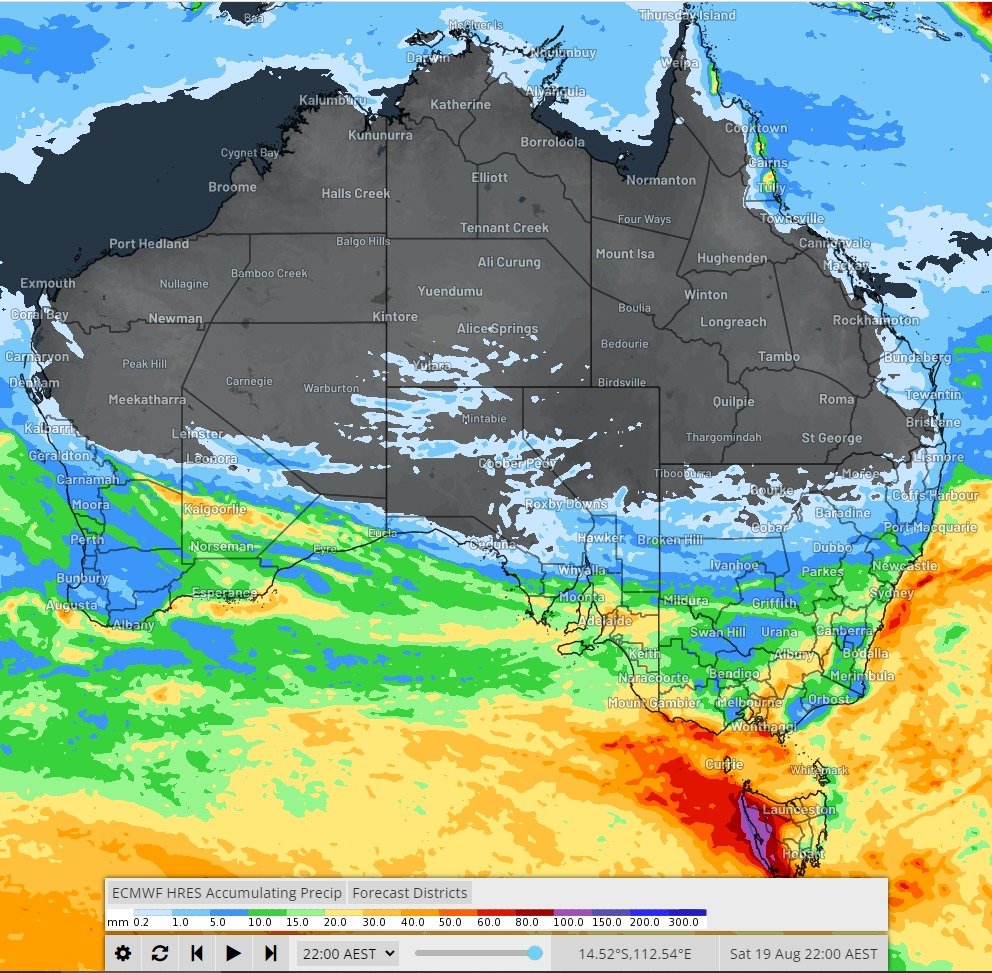
Little rain is to be expected within storms and dry lightning is a risk of igniting fires.
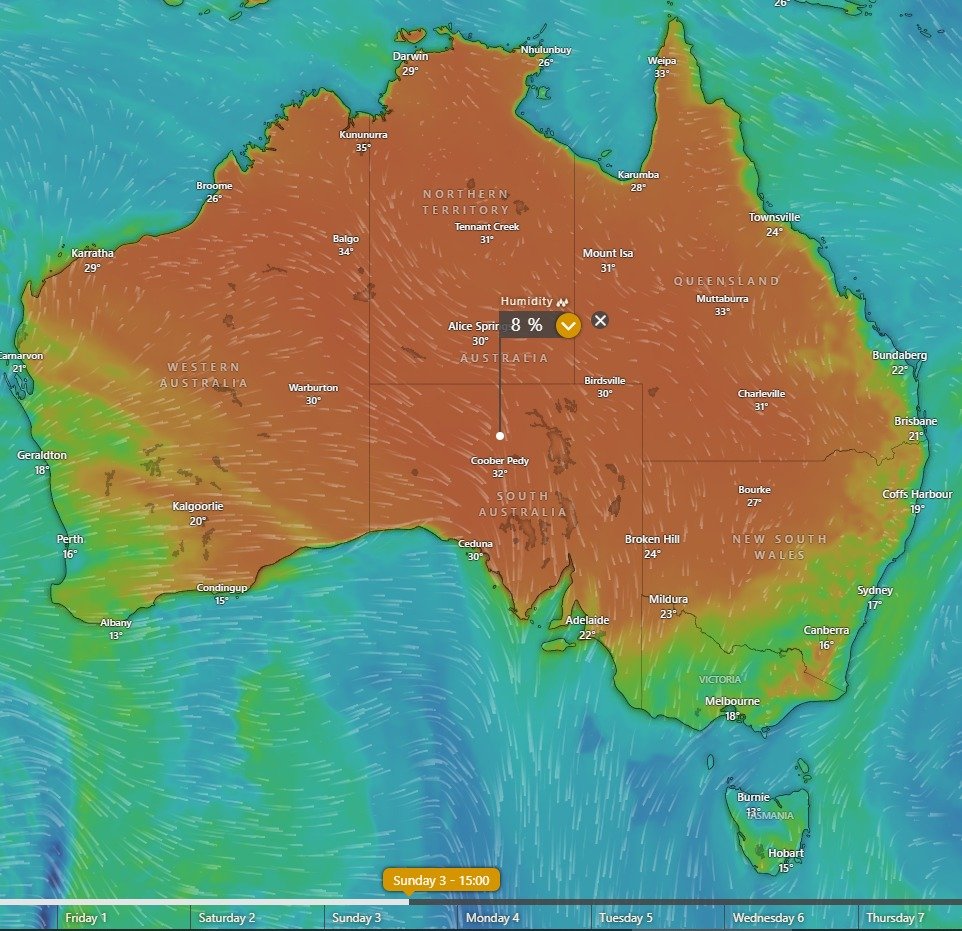
Temperatures are expected into the low and mid 30's combined with low humidity and gusty northwesterlies through the interior from SA and the southern NT into western NSW, Qld and western Vic from this weekend.
Storms may occur in the southeast similar to previous days which may see severe thunderstorms forming which contain hail and burst of highly isolated heavy rain.
Storms may see 5-20mm, highly isolated higher totals are a low possibility.
Storms are likely to develop from mid next week into Friday as the front shifts offshore.
See tomorrows subscriber update for a detailed analysis of the week ahead and high energy period 3-7th September.
https://t.co/CdpOcHnmvg
Today’s update discusses the upcoming climate influences for the country leading into Spring.
With the hot dry phase well underway, we are beginning to see confirmation signals of the pattern flip leading into the new year.
Our long range outlooks have been mentioning a wetter bias from the new year and models are beginning to show trends supportive of this.
The dry peak is closer than you may think.
See full forecast in link below:
https://t.co/Lyo5XYvYX8
#australianweather #climate
@NoonanJustin 10-20 November, set your alarm.
It will be intensely hot. Some wild weather ahead of the change. Shaping up like a memorable period heat and weather wise.
Please make sure you have your say on this review of stock and domestic water water rights! There's a short survey to fill out.
https://t.co/atkH6YMH16
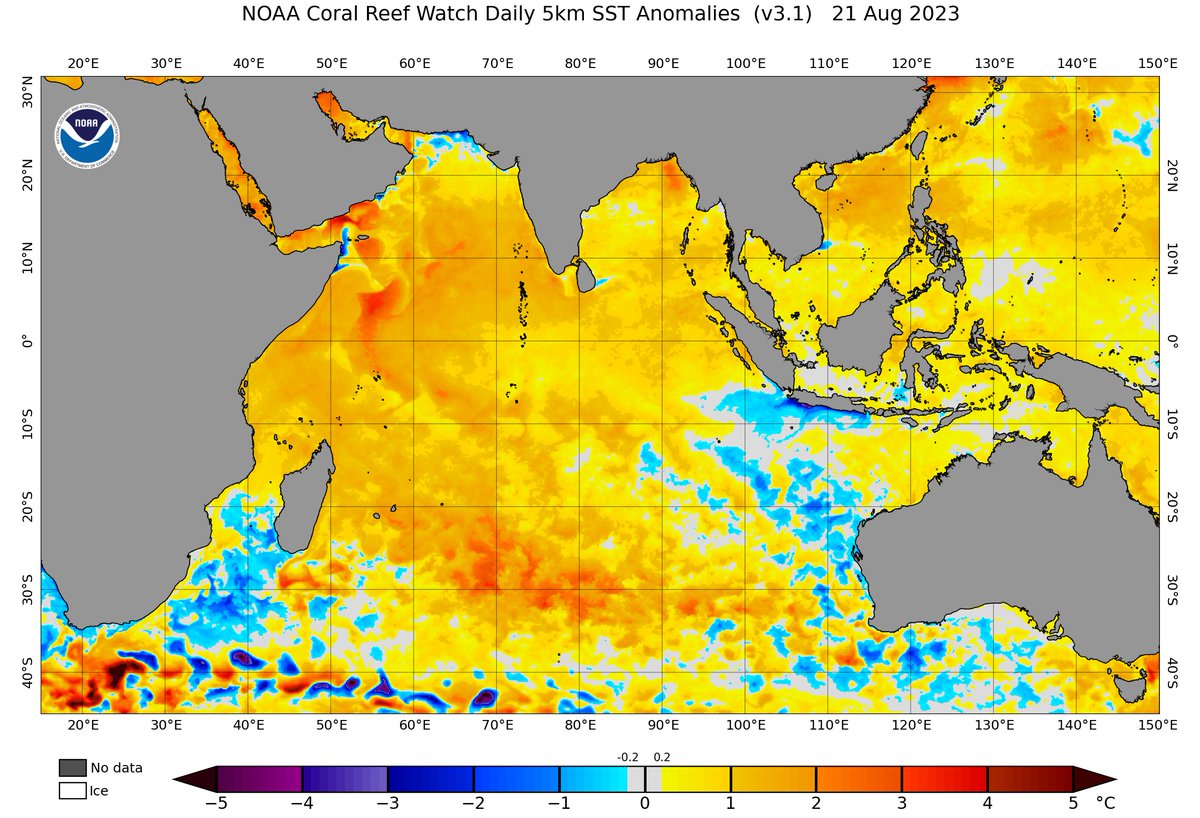
A positive Indian Ocean Dipole (IOD) pattern has started to emerge to the northwest of Australia, increasing the likelihood of abnormally warm and dry weather over large parts of the country this spring.
More details at https://t.co/y3TO5Ma9Zw
The mid month wet phase showing reasonable outlooks for the south and more so the southeast who have missed out on a lot of the recent activity.
See the pinned post for the August weather periods of interest.
For details on what is expected and where the focus of activity is due become a member at https://t.co/CdpOcHnmvg
Subscribers have access to detailed forecasts regarding these specific dates that extend out to May 2024.
Know the future of the weather!
@MickFoott @Richard68486556 @AdamCoffeyNT@NationalFarmers@farmersgrowit@brentmorton8 @Rawalak_Farms
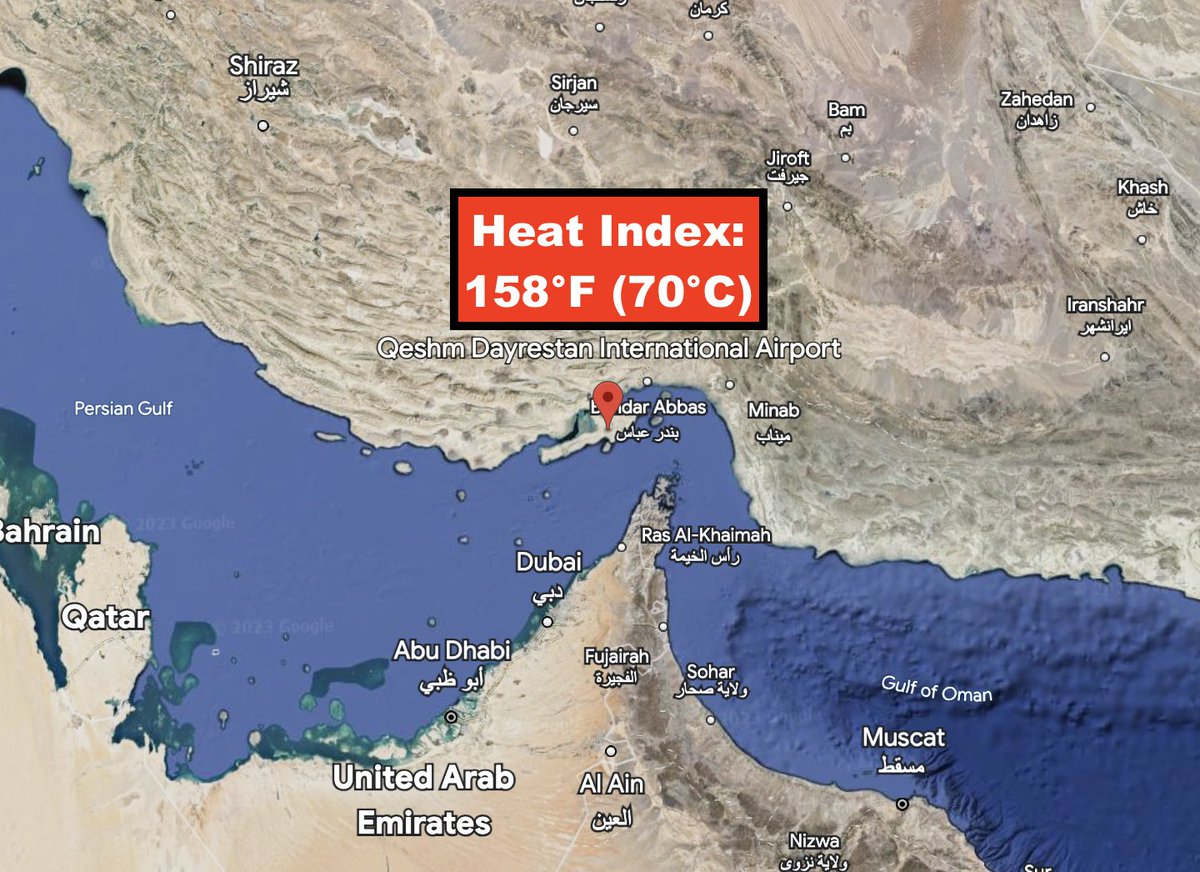
A heat index of 158°F (70°C) was recorded in southern Iran today.
Even the healthiest and youngest individuals could not survive this heat for more than 6 hours.
@Ben_Domensino@NSIDC So Ben can you explain how both minimal sea ice occurs with record low temperatures on mainland Antarctica? I struggle to see anything that correlates.
South America is living one of the extreme events the world has ever seen
Unbelievable temperatures up to 38.9C in the Chilean Andine areas in mid winter ! Much more than what Southern Europe just had in mid summer at the same elevation: This event is rewriting all climatic books