Postgres be like:
- Cron-jobs? Sure
- Queues? - You bet
- Vector? Why not
- Full text search? Hell yeah
- Vector? yep
- What don't you support? ¯\_(ツ)_/¯
PostgreSQL ipucu: Diyelim ki a, b ve c kolonları var. Indexi (a,b) diye *btree* yarattınız. Bu index sadece a kolonu için *de* kullanılır. Yani a'ya ek indexe gerek yok.
Two years ago, some of us including me firmly believed that text-based input and output would be sufficient for large language models for the next decade. Google proved us wrong.
For the last ~15 years, in my JS trainings and writings, I've been claiming that the human brain is not naturally multi-tasking, but rather fast task-switching (aka currency). I googled that forever ago.
Just saw a doctor on morning TV show asserting exactly the same. Told ya.
In your career, the most valuable currency is not how much you know. It's how well you learn.
In a stable world, success depended on building expertise. In a changing world, it hinges on evolving expertise.
Potential is no longer defined by ability. It's a function of agility.
@koziLife Bir arkadaşım nem giderici ile 3-4 saatte çamaşırlarında kuruduğunu paylaştı.
Yer sıkıntısı varsa ve halihazırda zaten nem oranı yüksekse bu da alternatif olarak düşünülebilir.
Arkadaşın paylaştığı ürün :
https://t.co/kcBz61xVc5
I am very excited to share a project I've been working on since April 2022
sshx is a secure web-based, collaborative terminal.
On an infinite canvas, with live cursors.
It's packaged as a 3 MB binary.
Just run `sshx` and share a link. :)
https://t.co/t6U1C51B8t
API architectural styles are one of key factors behind seamless applications.
Tomorrow thousands of subscribers will learn about the most prominent API architectural styles.
Join us to get the issue: https://t.co/pVm7JLY5Rf
gRPC & Go
You have probably heard of gRPC if you haven't used it. It is particularly popular for inter-service communication due to its efficiency, language agnostic nature and support out of the box for things like MTLS.
Here's a really simple example of how you can get started with gRPC and hopefully highlights some of the benefits. For the examples here I am using @bufbuild which is currently my favourite proto tool.
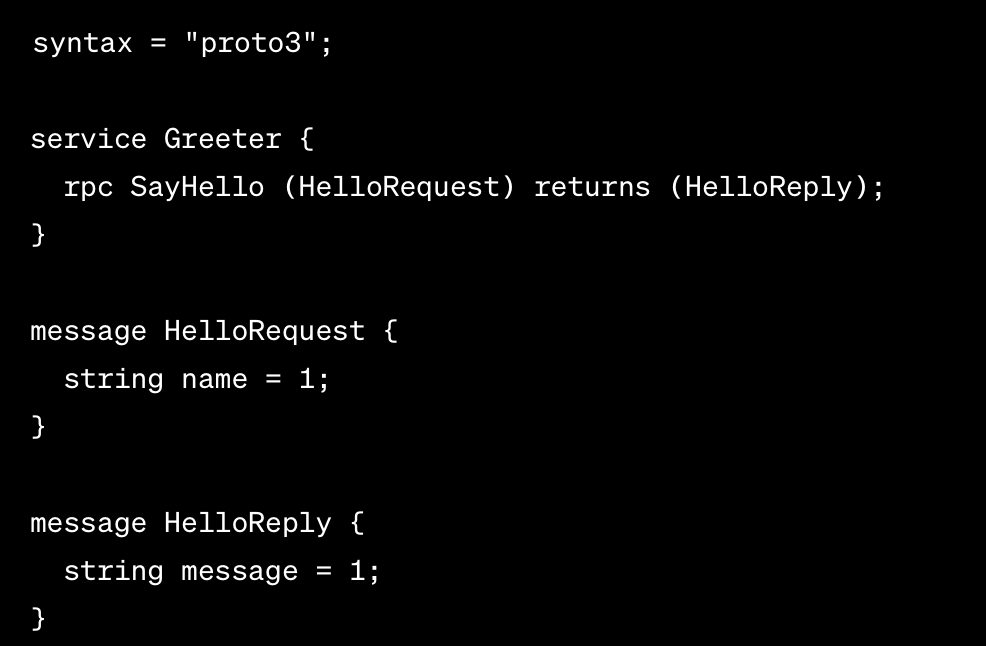
Firstly, define a service definition:
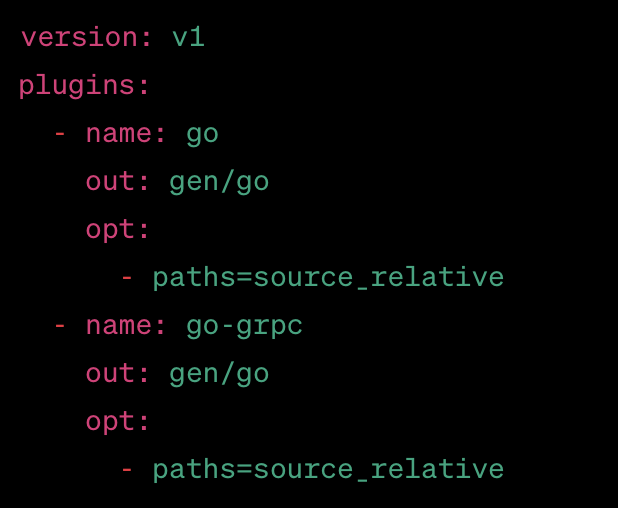
Create a buf.gen.yaml (you can also use buf to generate this automatically). The one below basically says generate me both go proto code and gRPC bindings:
Now you can run "buf generate". It will generate you a bunch of code in your gen/go folder.
Next, we will declare a server and implement the interface of the gRPC server, and start it:
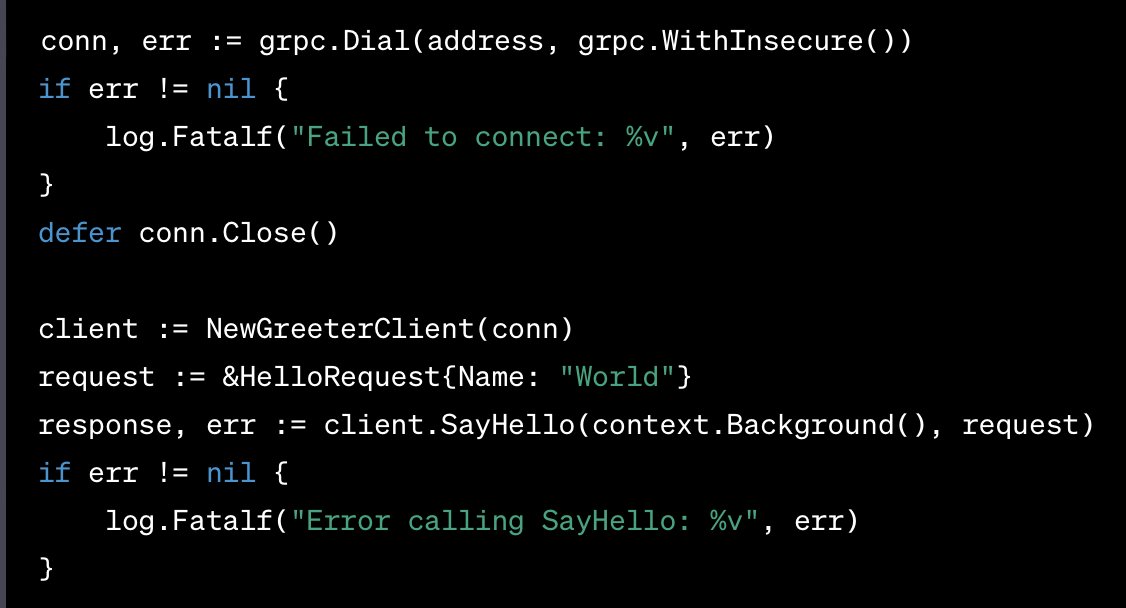
A client can now connect as follows:
that's it!
Some next steps for you to consider:
- Try and update the protobuf to add another service method, generate it and implement it. This will be FAST!
- Add breaking change detection to your protobuf.
- Try and generate a client in another language (Java/node/python works pretty well).
- Try and build a protobuf "monorepo" that generates code in CI for multiple languages and does breaking change detection.
- Try and connect to your service without using grpc.WithInsecure().
After these next steps, you will hopefully see some the benefits of gRPC and will be ready to present it to your colleagues. Good luck!
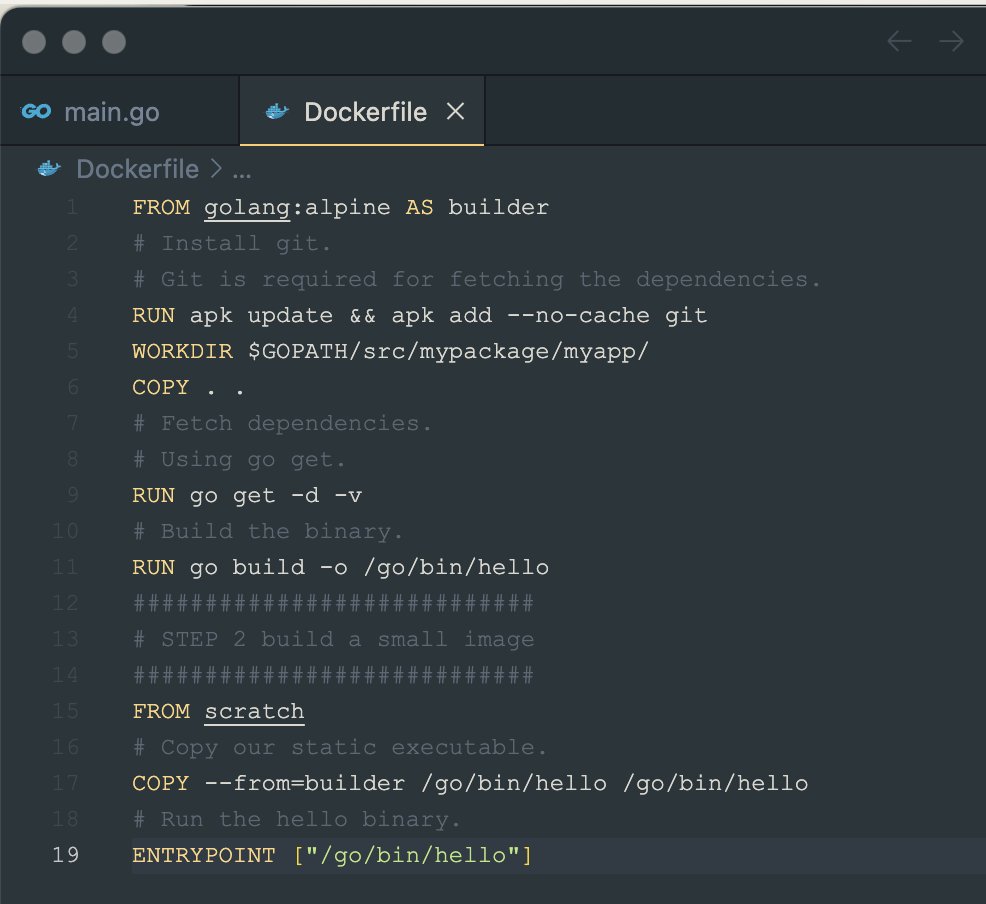
Did you know you can use 'FROM scratch' to create ultra-minimalistic #Docker images with no underlying operating system components? 🐳
It's ideal for deploying super-efficient containers, especially when your compiled binaries stand alone!
Now I just have to figure out how to preserve package metadata. 🤔