Today’s Health Partnership Group meeting shone a spotlight on one of Viet Nam’s most urgent health challenges: noncommunicable diseases (#NCDs). These diseases are already an epidemic—killing 45 million people globally each year, including nearly half a million in Viet Nam, many of them in their most productive years.
The solutions are clear: stronger prevention of risk factors like smoking, air pollution, unhealthy diets, harmful use of alcohol and physical inactivity, and much better management of hypertension and diabetes through primary health care. But no single sector can do this alone—multisectoral action is essential.
Viet Nam is making real progress. New tobacco tax reforms are expected to reduce 2.1 million smokers and prevent 700,000 premature deaths. Hypertension control efforts have reached more than 2 million people. And major health reforms under Resolution 72 create a once-in-a-generation opportunity to prioritize disease prevention and control as part of primary health care.
Many thanks to @ResolveTSL for support and the panelists from the Viet Nam Administration of Disease Prevention, @HealthBridgeCan, @UNDPVietNam, @UNICEF_vietnam, Embassy of Denmark in Viet Nam for the meaningful discussion.
WHO is proud to work alongside the Ministry of Health and other local and international partners to scale up action and build a healthier, stronger Viet Nam.
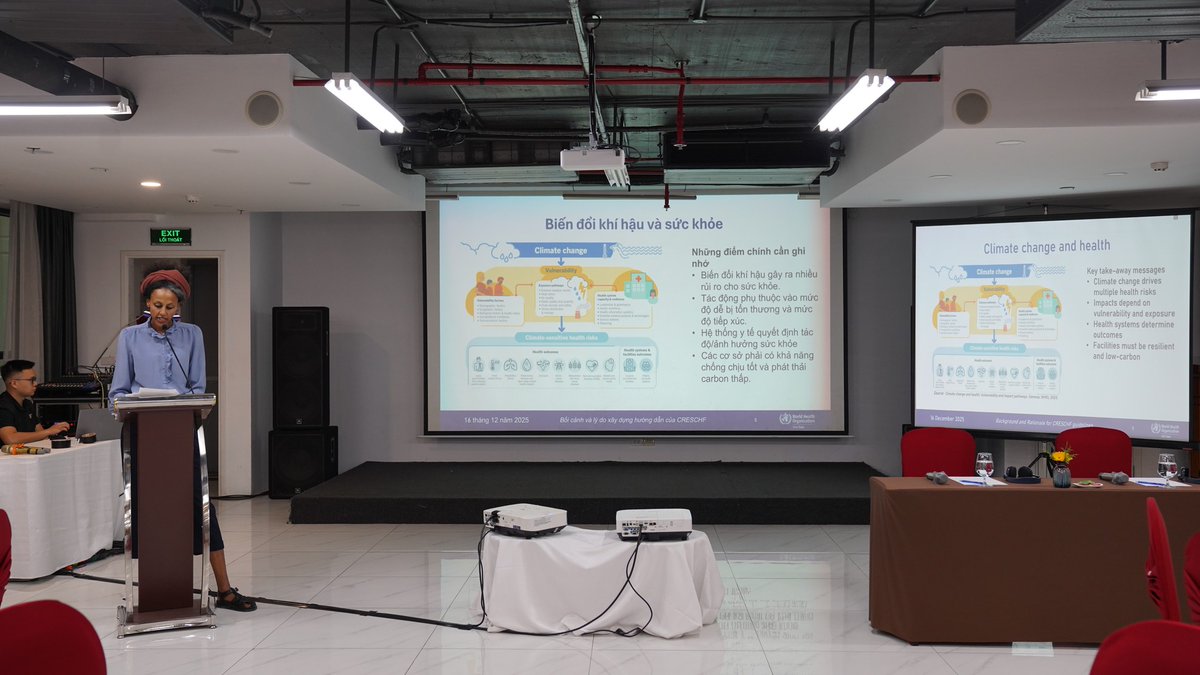
Viet Nam’s healthcare facilities are on the frontlines of climate change. Flooded hospital wards, extreme weather, rising seas, saltwater intrusion and shifting disease patterns all threaten safe, reliable care.
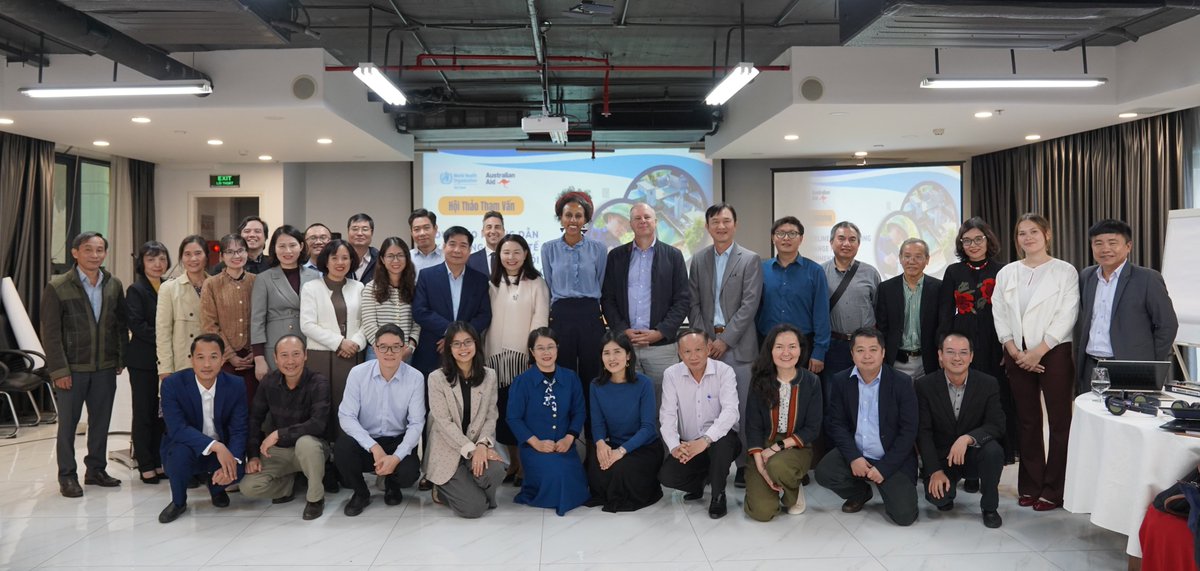
Hosted by WHO, this week's consultation workshop brings us one step closer to addressing these challenges. After years of collaboration, with pilots in Yen Thanh, Bac Ha and Cu Lao Minh general hospitals, provincial health departments and CDCs, Viet Nam Administration of Disease Prevention (Ministry of Health), WHO and partners like the Government of Australia, participants have reviewed and provided comments on the draft National Guidelines for Climate-Resilient and Environmentally Sustainable Health Care Facilities (CRESHCF).
The plan: to eventually submit the guidelines to the government to be considered for nationwide roll-out.
The aim is that in the long term, health-care facilities will be able to serve their communities safely, despite the threat of #climatechange.
Together, we are building a healthier, safer and more resilient future for all.
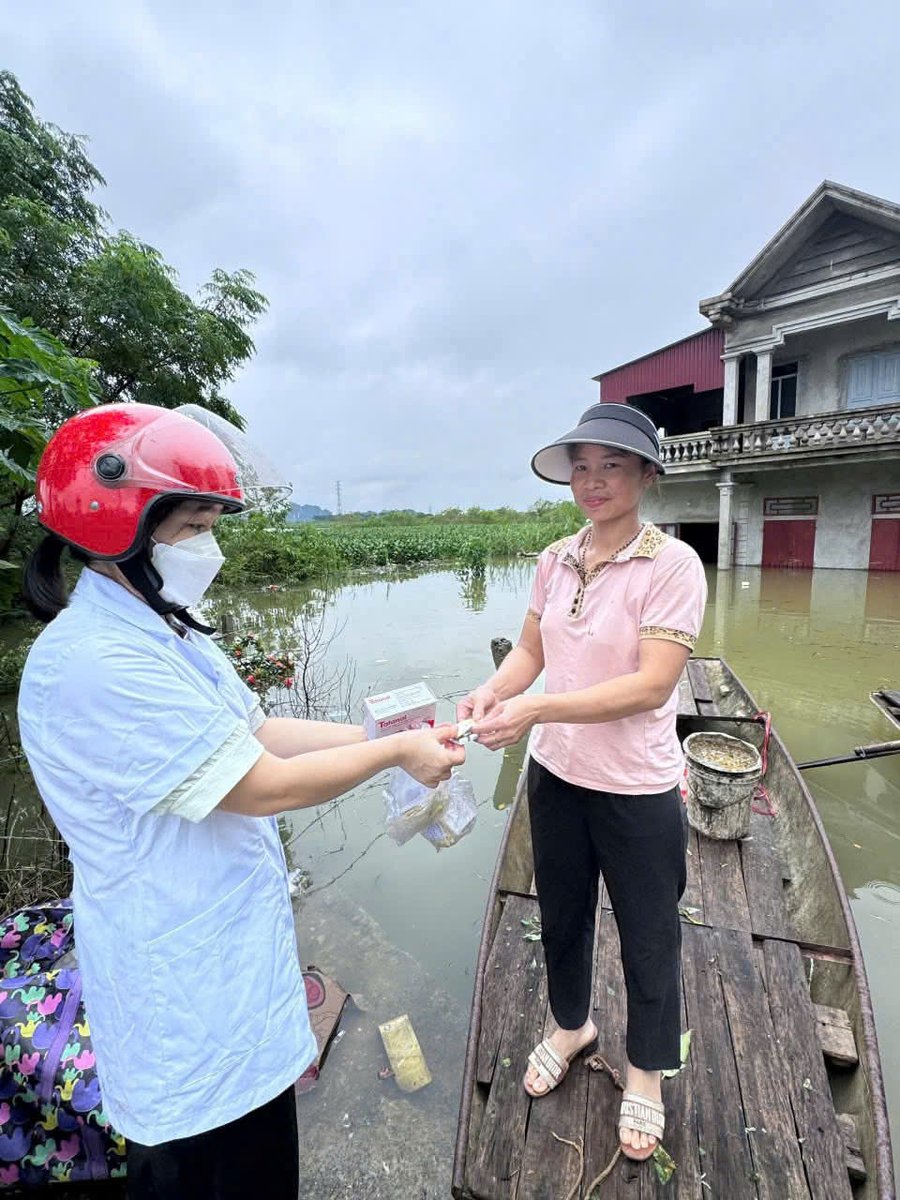
Recently, provinces in Northern and Central Viet Nam have been severely affected by the aftermath of #TyphoonBualoi and #TyphoonMatmo, the 10th and 11th storms to hit the country this year. Flooding has caused significant damage to safety, lives, and livelihoods of people, with many health care facilities submerged under deep water.
In support of the Government’s response efforts, WHO has urgently provided 852,000 water purification tablets – equivalent to approximately 13 million liters of clean water – along with 900 water storage bags to the provinces most heavily impacted by the storm and floods, including Ha Tinh, Nghe An, Cao Bang, Tuyen Quang, Lao Cai, and Ninh Binh.
This supply of clean water will help health facilities maintain operations and ensure that affected communities have access to safe drinking water while waiting for water systems to be restored.
WHO expresses its deepest sympathy for the immense losses and hardships endured by people in the affected areas. We remain committed to standing alongside the Government and the people of Viet Nam in the recovery efforts, in every way we can.
Photos: People in Nghe An and Ninh Binh provinces receive Aquatabs water purification tablets supported by WHO
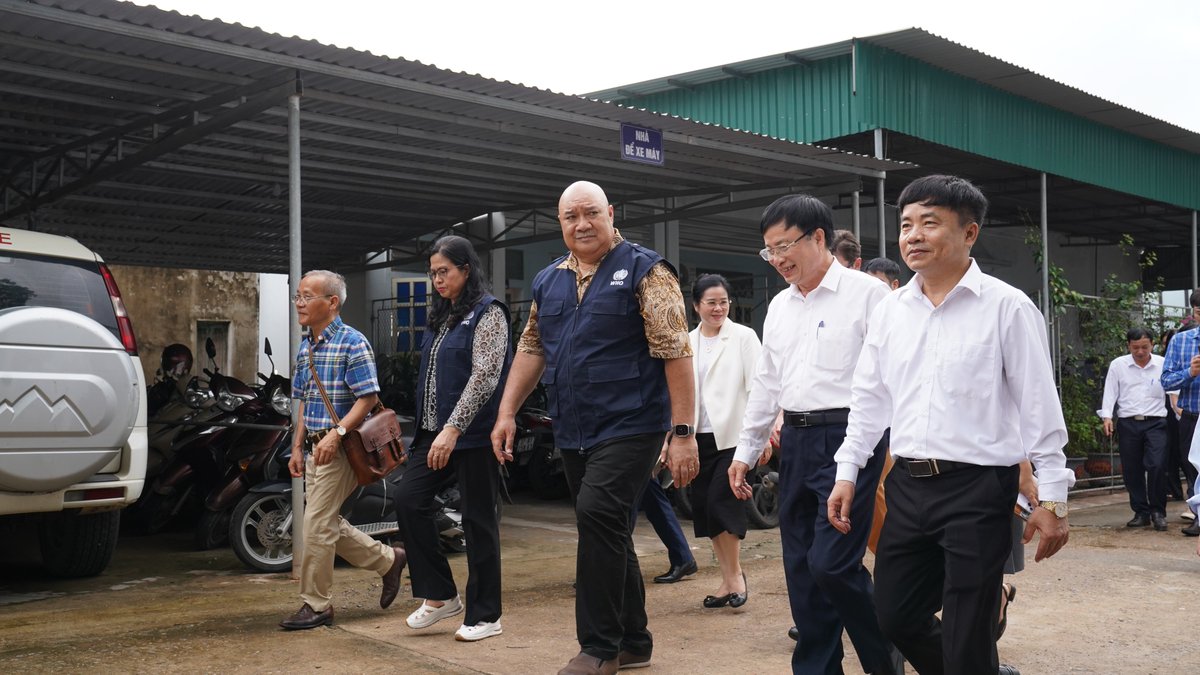
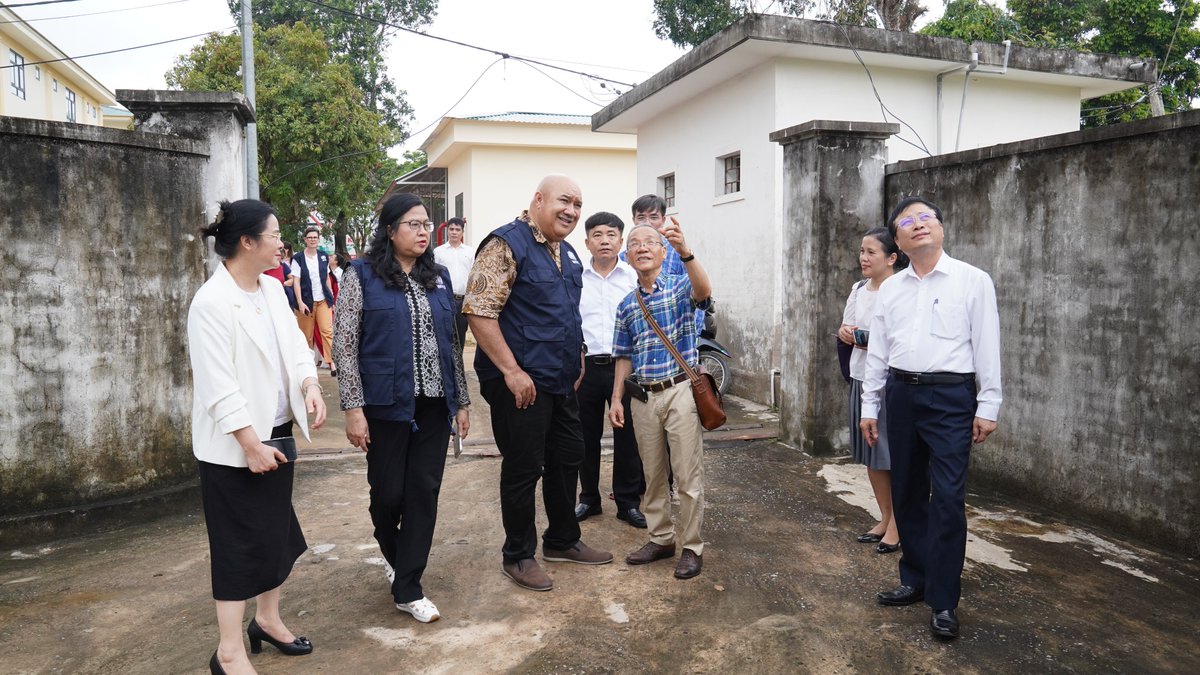
Visited Thuc Luyen Commune Health Station 85 kms away from Ha Noi, where Viet Nam is piloting smarter care for two of the country’s biggest killers- hypertension & diabetes.
With support from @WHOVietNam & @ResolveTSL, trained health care workers and digital tools are already improving care for non-communicable diseases and saving lives.
I interacted with several patients and facility staff and was truly inspired by their dedication and efforts to bring #NCDs care closer to the people.
As I head to the global high-level meeting on NCDs at the @UN General Assembly in September, these are the stories I carry with me – inspiration well beyond the Western Pacific Region.
#BeatNCDs #HealthForAll
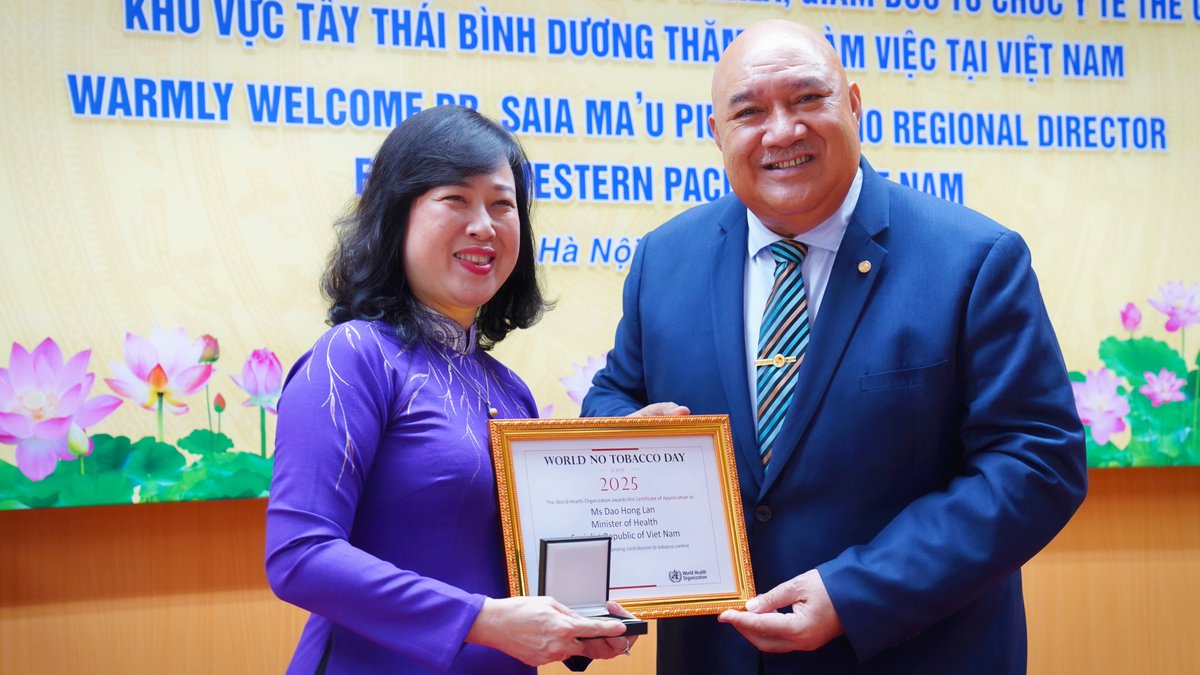
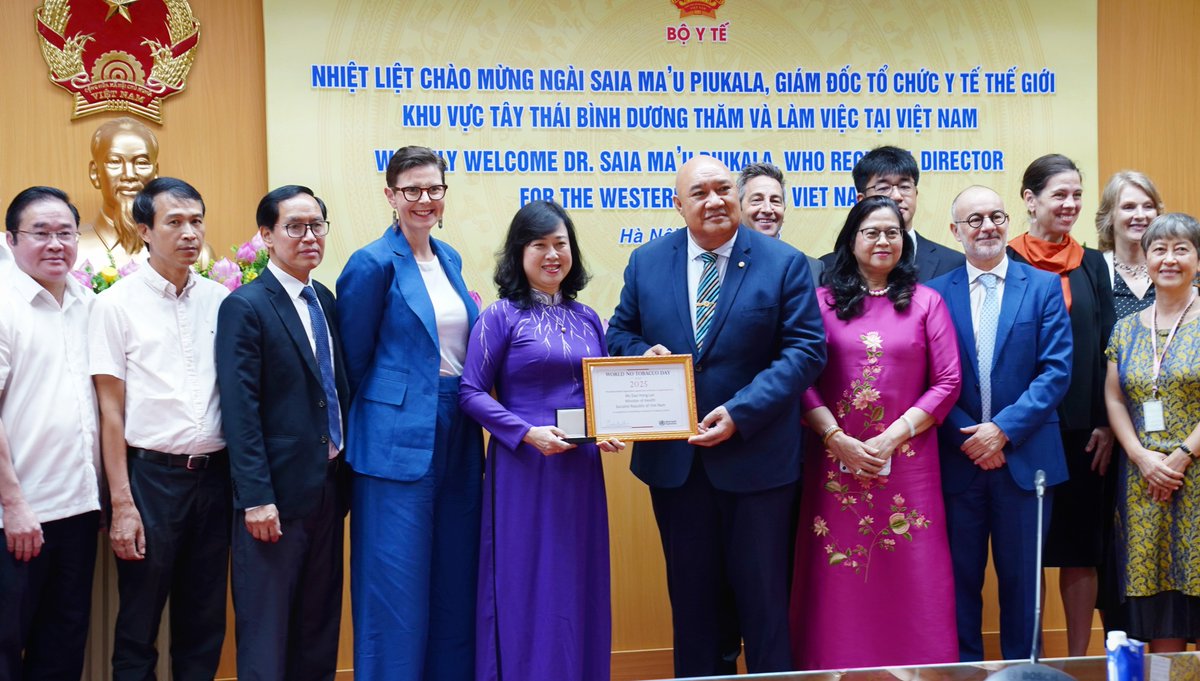
Earlier this year, WHO Director-General @DrTedros honoured Health Minister Madame Dao Hong Lan with the prestigious World No Tobacco Day Award for her outstanding contribution to tobacco control.
During my official visit as Regional Director @WHOWPRO, I was proud to personally hand over the well-deserved award and recognize the Minister’s leadership 🇻🇳
Viet Nam’s ban on #ecigarettes and new #tobacco products is an important step to protect the population, especially the youth.
Viet Nam’s decisive leadership in banning #vapes is an inspiration for all @WHO Member States in the Western Pacific.
I visited Yen Thanh General Hospital in Nghe An 🇻🇳 , once plagued by an unsafe water supply, but now a model of climate-smart care.
Bringing safe, climate-resilient, low-carbon health care near to where people live improves health outcomes and enables access to crucial services for all.
It also contributes to carbon reduction goals and is an investment in a safer and healthier future amid a changing climate.
Thanks to @WHOVietNam, @MoH_Vietnam & support from Australia @dfat, the hospital now treats more patients safely with clean water, solar power & sustainable waste systems.
It’s such examples that demonstrate how the healthcare sector – a major contributor to carbon emissions globally – can make necessary adjustments and contribute to easing the #ClimateCrisis that challenges us all.
#ClimateHealth
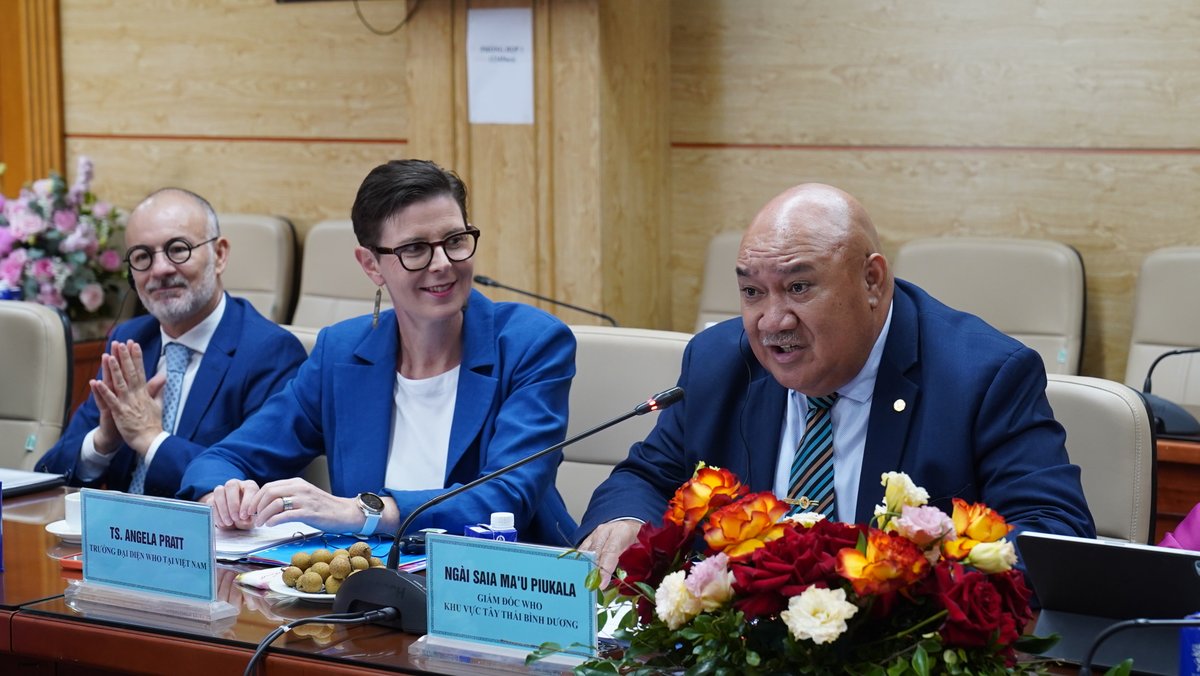
Today, WHO was proud to co-host, with the Ministry of Health, a forum on primary health care in Viet Nam. Chaired by Minister of Health Dao Hong Lan, Deputy Minister of Health Nguyen Tri Thuc, WHO's Regional Director Dr Saia Ma'u Piukala and WHO Representative in Viet Nam Dr Angela Pratt, the forum's aim is to explore option and priorities for strengthening grassroots health care in support of Viet Nam’s health and development goals.
WHO’s Regional Director Dr Saia Ma’u Piukala is visiting Viet Nam this week and commended Viet Nam on its health sector changes and commitment to transforming primary health care.
“As both a doctor and a Health Minister, I have seen first-hand the impact of PHC on people’s lives. It is the most inclusive, equitable and cost-effective path to universal health coverage.
“Viet Nam should take pride in its longstanding commitment to primary health care, which takes health services to the people where they live.
“With the right investments, the commune health system could deliver up to 90% of essential services – saving more lives, extending healthy life expectancy and boosting economic growth.
“WHO will continue to walk this journey together, as the country moves towards a future where every person, in every corner of Viet Nam, can access high quality services in their community across their lifetime, and live a healthy, dignified life.”
Among the participants were high-level Government leaders and experts from Peking University Professor Dr Ren Minghui and Republic of Korea Seoul National University Professor Dr Soonman Kwon.
Đối tác cho một Việt Nam khỏe mạnh! Partnerships for a healthy Viet Nam 🇻🇳
A pleasure to undertake my 2nd official visit to VN in my role as Regional Director @WHOWPRO.
During my meeting with Health Minister Madame Dao Hong Lan, expressed my appreciation for her leadership on administrative reforms under the umbrella of universal health coverage – focussing on primary health care and greater empowerment for local communities, taking health services to where the people are, at the very grassroots.
These reforms present a vital opportunity to strengthen Viet Nam’s commune health system nationwide and ensure the delivery of quality health services for generations to come.
Viet Nam’s experience is of value to all @WHO Member States in the Western Pacific.
#HealthForAll
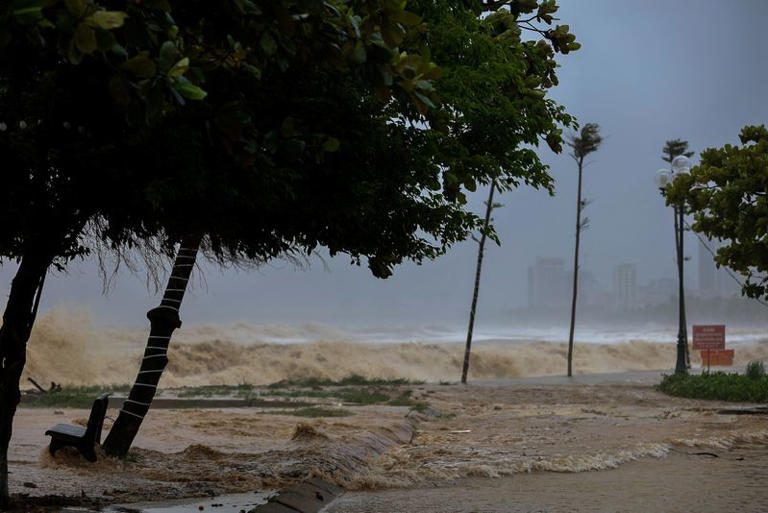
On behalf of @WHOWPRO and our @WHOVietnam country office, I commend all the authorities and other responders working to mitigate the significant impact of #TyphoonKajiki which slammed into 🇻🇳 during my ongoing mission there.
Hundreds of thousands of residents from coastal and central provinces were urged to evacuate ahead of time, with thousands of military personnel on hand to assist.
The typhoon has triggered flooding, including in the capital Hanoi where I currently am, and landslide warnings remain in effect.
The storm has also affected parts of neighbouring Lao PDR, another @WHO Western Pacific Member State, and Thailand.
Emergency preparedness is truly crucial for communities, cities, countries - in saving lives, and safeguarding health and well-being.
(Images: Reuters)
A #tropical#depression is forecast to strengthen over the coming days, bringing heavy rain and strong winds to #VietNam.
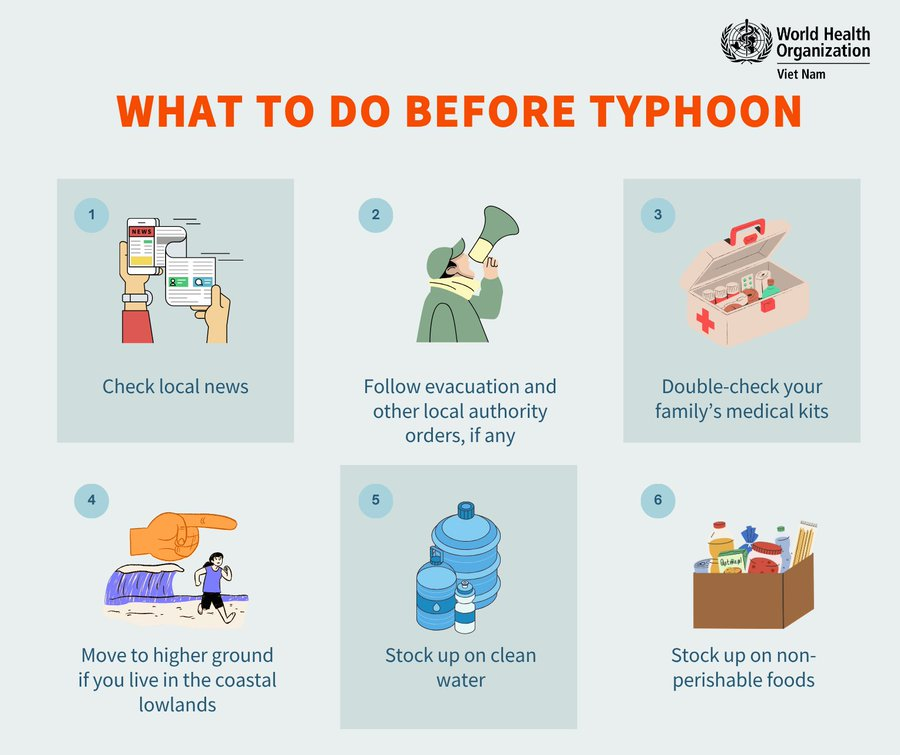
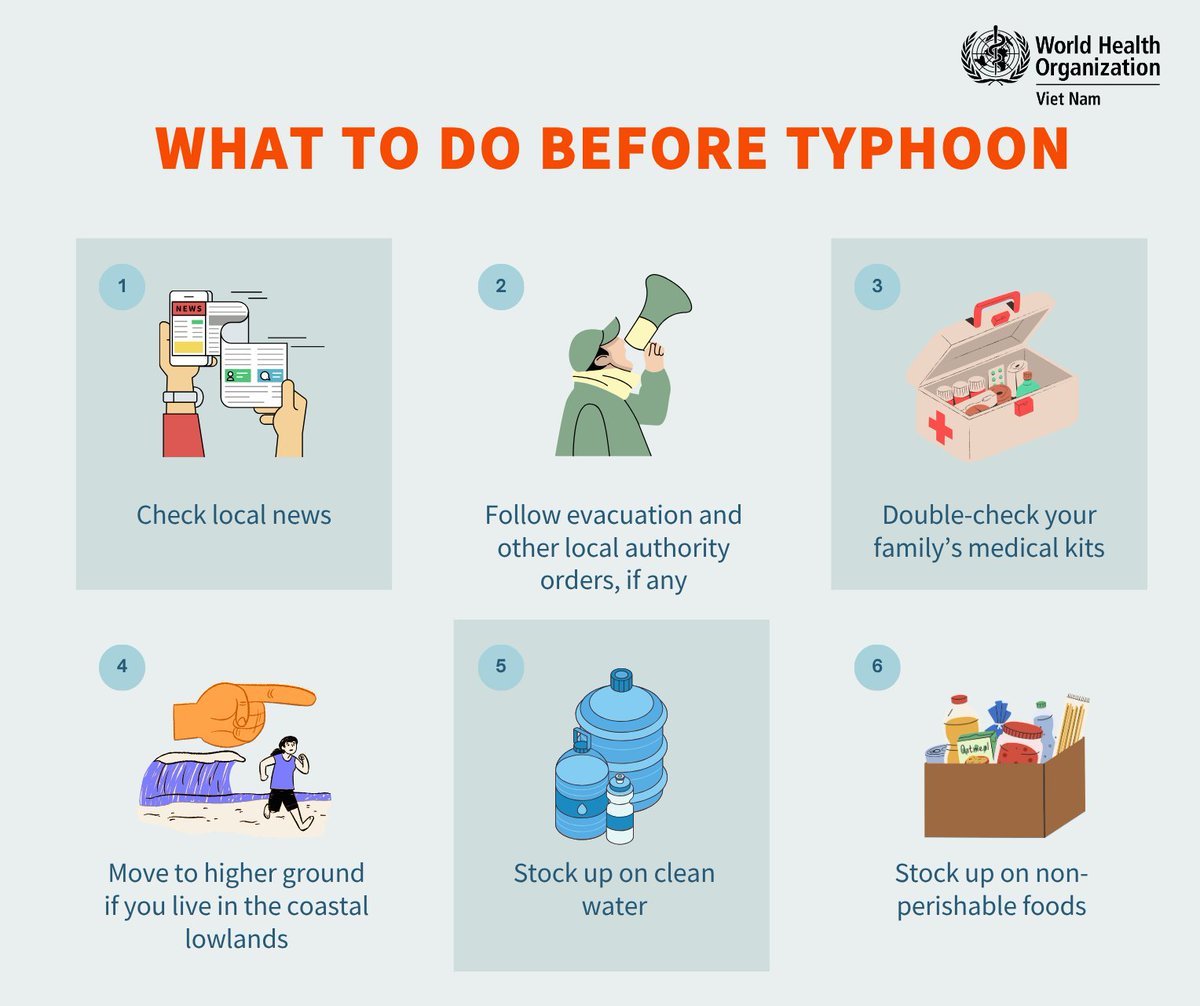
If you live in areas likely to be affected by the #storm, follow official advice and this safety guidance to reduce your risk and help keep yourself and loved ones safe. #Kajiki
We’re taking action to help ensure that every child is safe on their way to school or going about their daily lives on the road in Viet Nam 🇻🇳
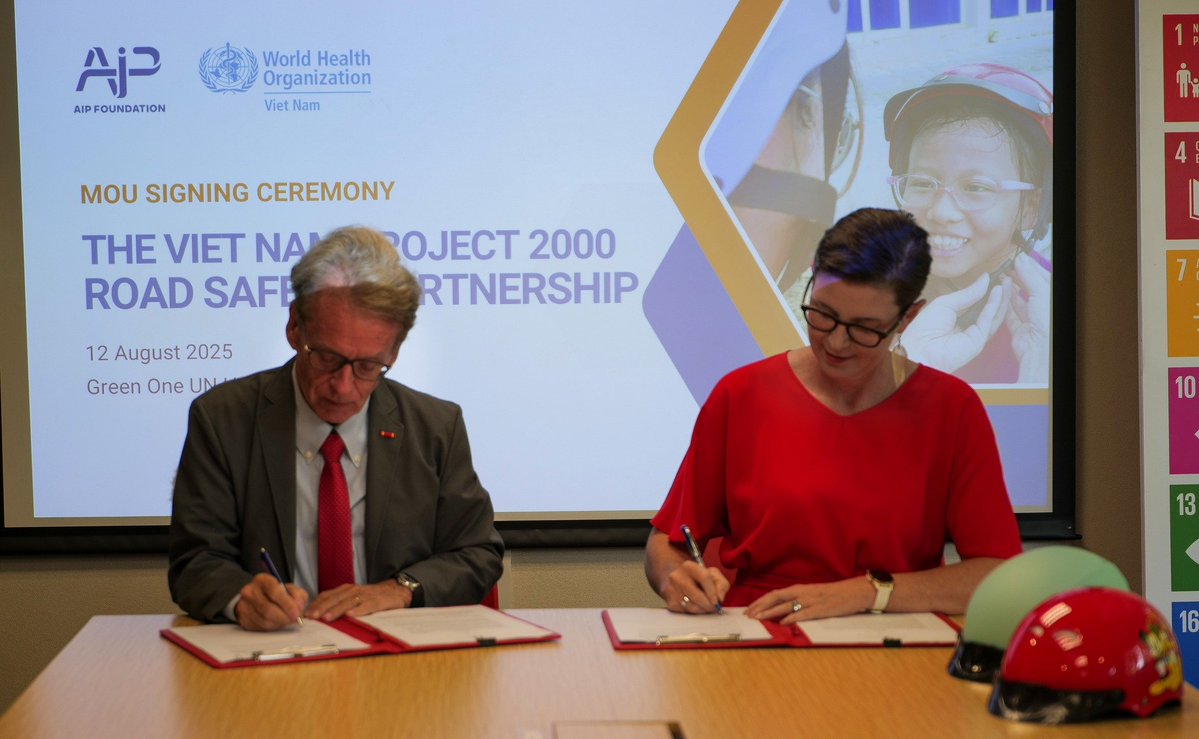
WHO Viet Nam is proud to unite with @AIPFoundation to partner with stakeholders to support the Government to scale up effective, evidence-based solutions that protect children and youth on the road.
At an MoU signing ceremony today, @WHO Representative in Viet Nam Dr @AngePratt said, “As a mother of two young daughters, it breaks my heart to know that five families in Viet Nam lose a child or young person in a road crash, every day.
"No child should lose their life on the way to school. In other words, every child – and every person – should be safe while going about their daily lives on the road.
"This is about more than statistics; it’s about saving futures, supporting families and creating safe, thriving communities.”
👉🏼Learn about today’s ceremony and the Viet Nam Project 2000 #RoadSafety Partnership, which aims to prevent the deaths of the 2000 children and young people who are killed on the road in Viet Nam every year. https://t.co/BK0GmfKxRb
Typhoon #Wipha is approaching northern Viet Nam. If you live in areas likely to be impacted, follow official advice and this safety guidance to reduce your risk and help keep yourself and loved ones safe from the storm.
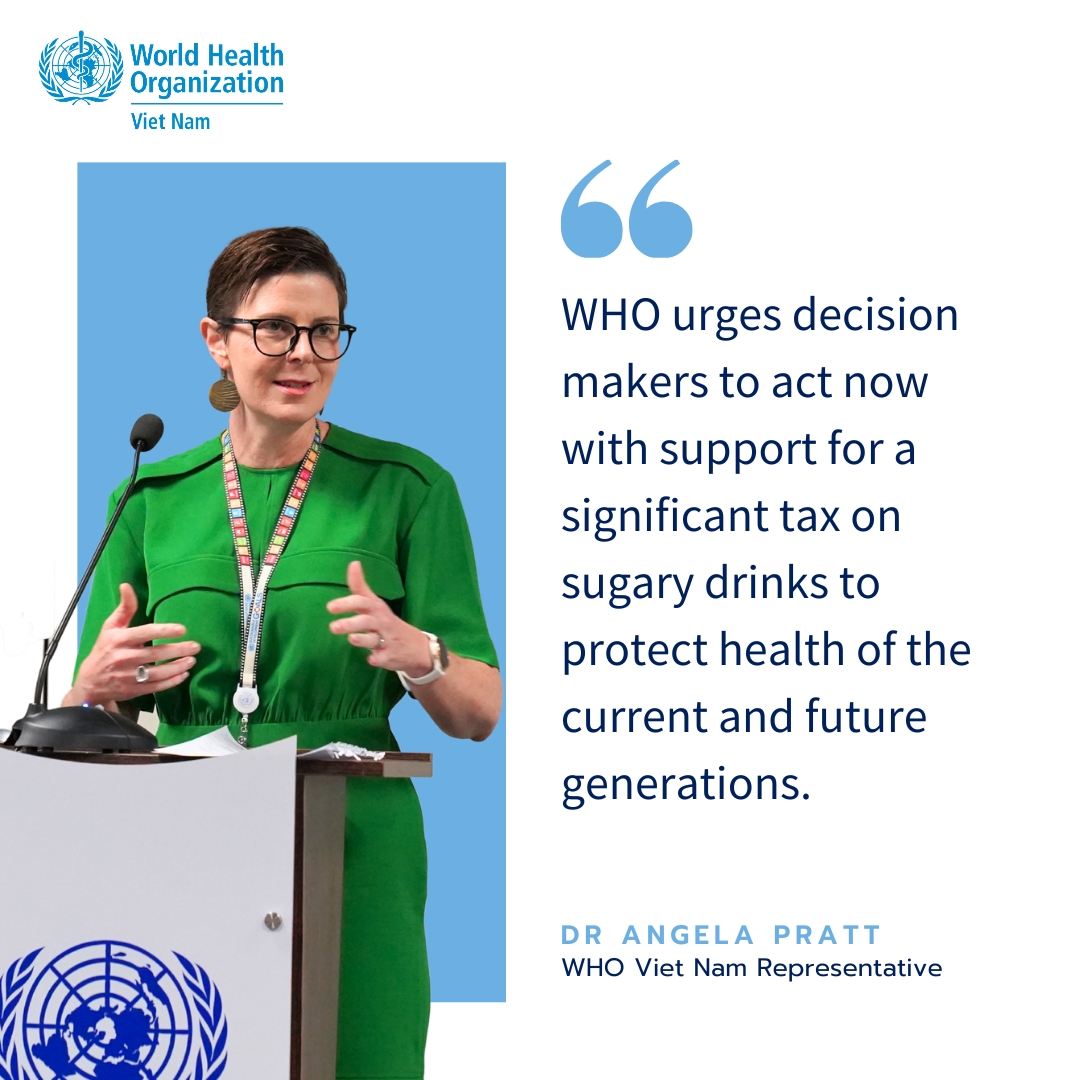
It's time for a tax on sugary drinks. Why?
❗️ People in #VietNam 🇻🇳are drinking more sugary drinks every year. In 2023, people drank 4⃣ times as many as in 2009! On average, 70 litres a year!
‼️ Regularly drinking sugary drinks increases the risk of diseases like type 2 diabetes, heart disease, stroke and cancer. These are Viet Nam's biggest killers.
💰A tax means a higher price so people switch to less sugary drinks, especially young people and more Government revenue!
That's why we say, it's time for Viet Nam to join about 110 Governments that now tax sugar-sweetened beverages.
Let's protect the next generation with a tax on sugary drinks. Read more: https://t.co/iyWo9zLqbP
The right to breathe clean air is one of the most fundamental rights of every person on our 🌏
So, to help everyone enjoy the beauty of clean air and blue sky days, WHO and other United Nations 🇺🇳agencies in Viet Nam 🇻🇳are committed to joining hands with Govt & other partners to create a brighter, healthier and greener future for all.
What do you like to do when the air is clean and the sky is blue?
Happy #WorldEnvironmentDay, from our @WHO team in Viet Nam, including Dr @angepratt and @UNICEF_vietnam, @unwomenvietnam, @UNFPAAsiaPac, @UNDPVietNam, @uninvietnam, @unfpa_vietnam, @IOMVietNam, @UNIDOVIETNAM, @unescobangkok, @ptamesis, @RamlaKhalidi, @MattJacksonUN #WED #AirQuality
WATCH📺https://t.co/VSuTld0ddt
One in three 13-17 year-olds drinks sugar sweetened drinks every day!
‼️Regular consumption of sugary drinks increases the risk of diseases such as type 2 diabetes, stroke, and heart disease.
So, it is necessary to reduce sugar-sweetened beverages in #youngpeople's diets, to protect future generations from severe health risks.
✅Support a sugary drinks tax to help reduce consumption!
If antibiotics stop working, that will be the end of modern medicine.
As a surgeon, I know just how important it is that we protect the power of these precious medicines for keeping people alive when they are most vulnerable.