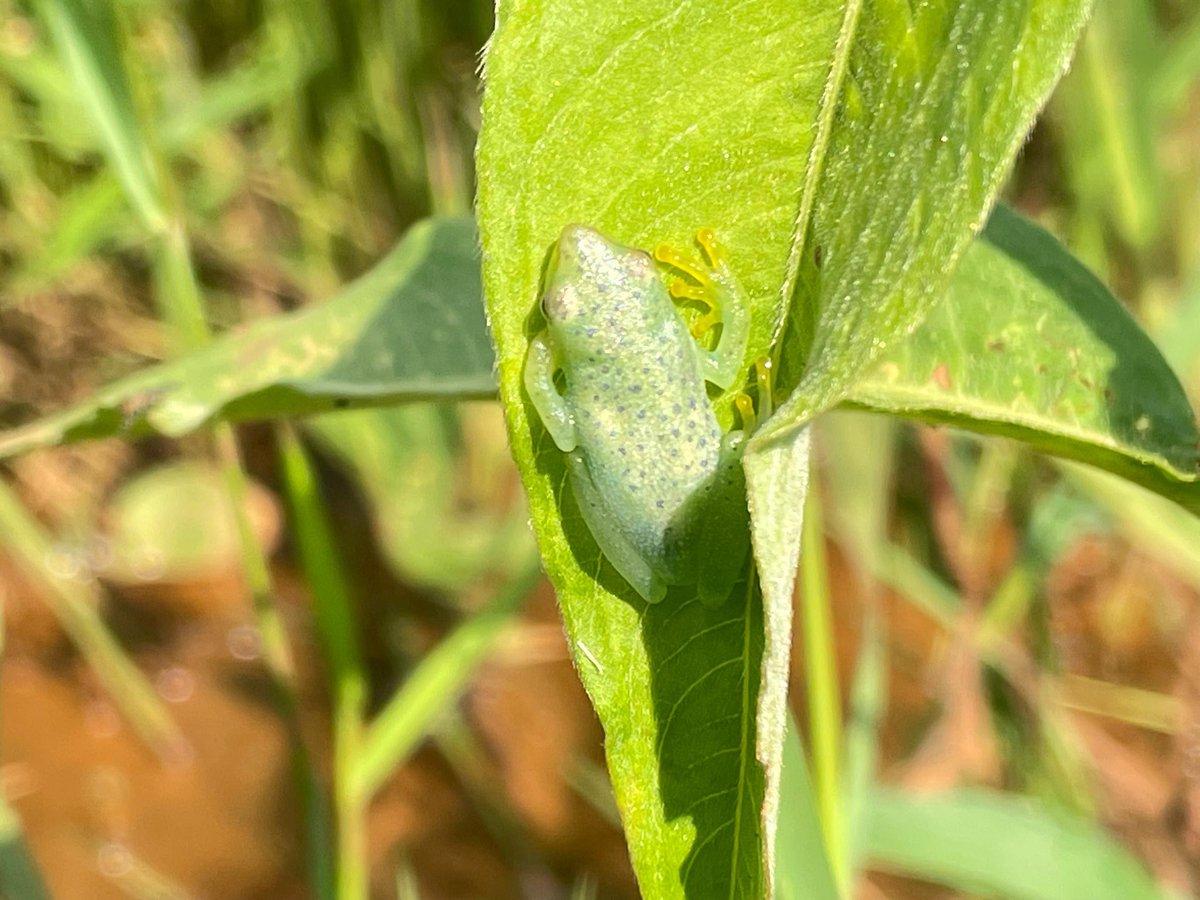
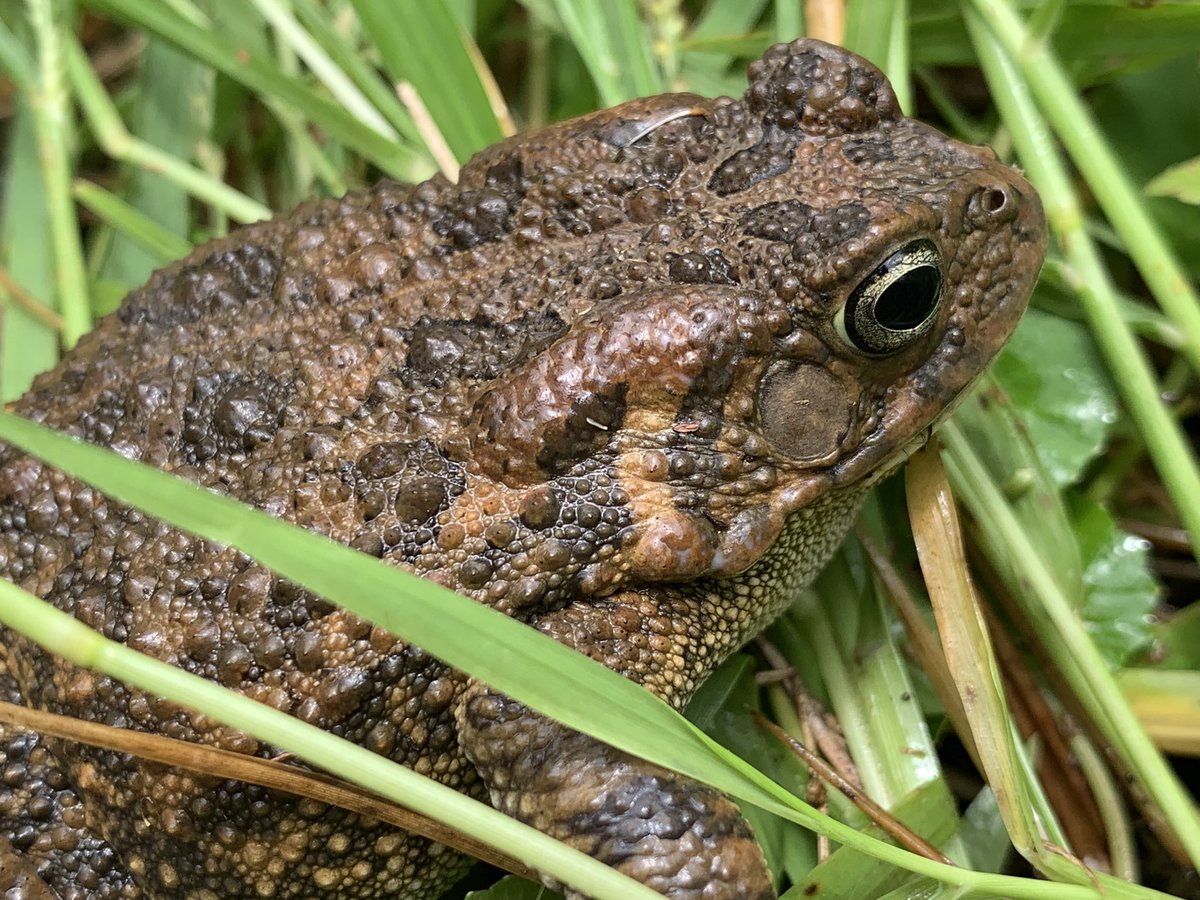
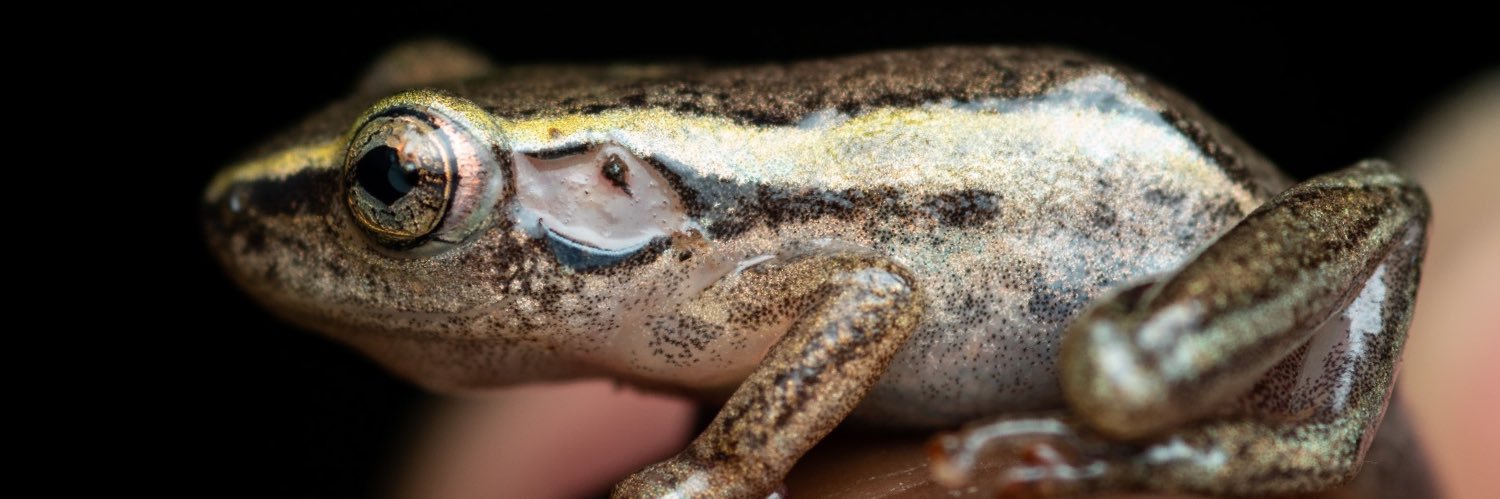
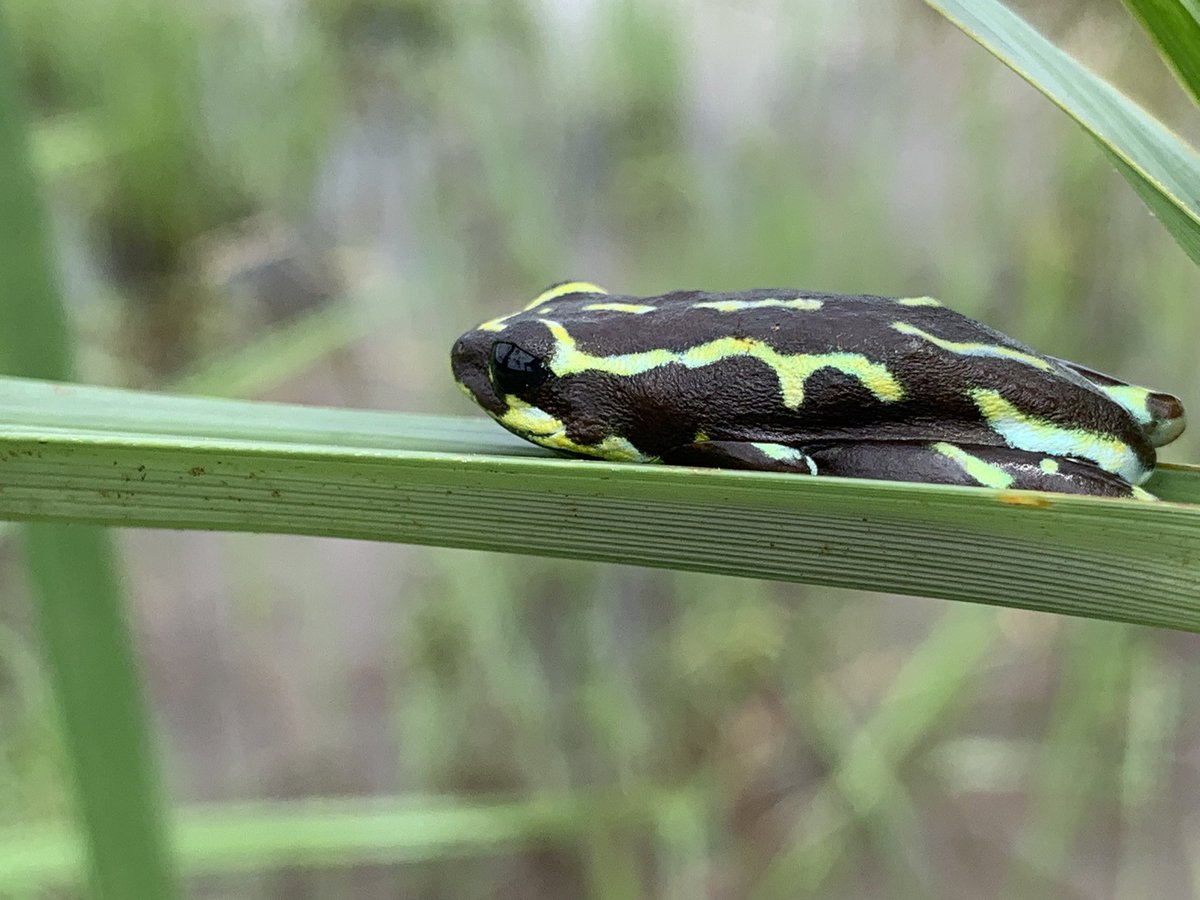
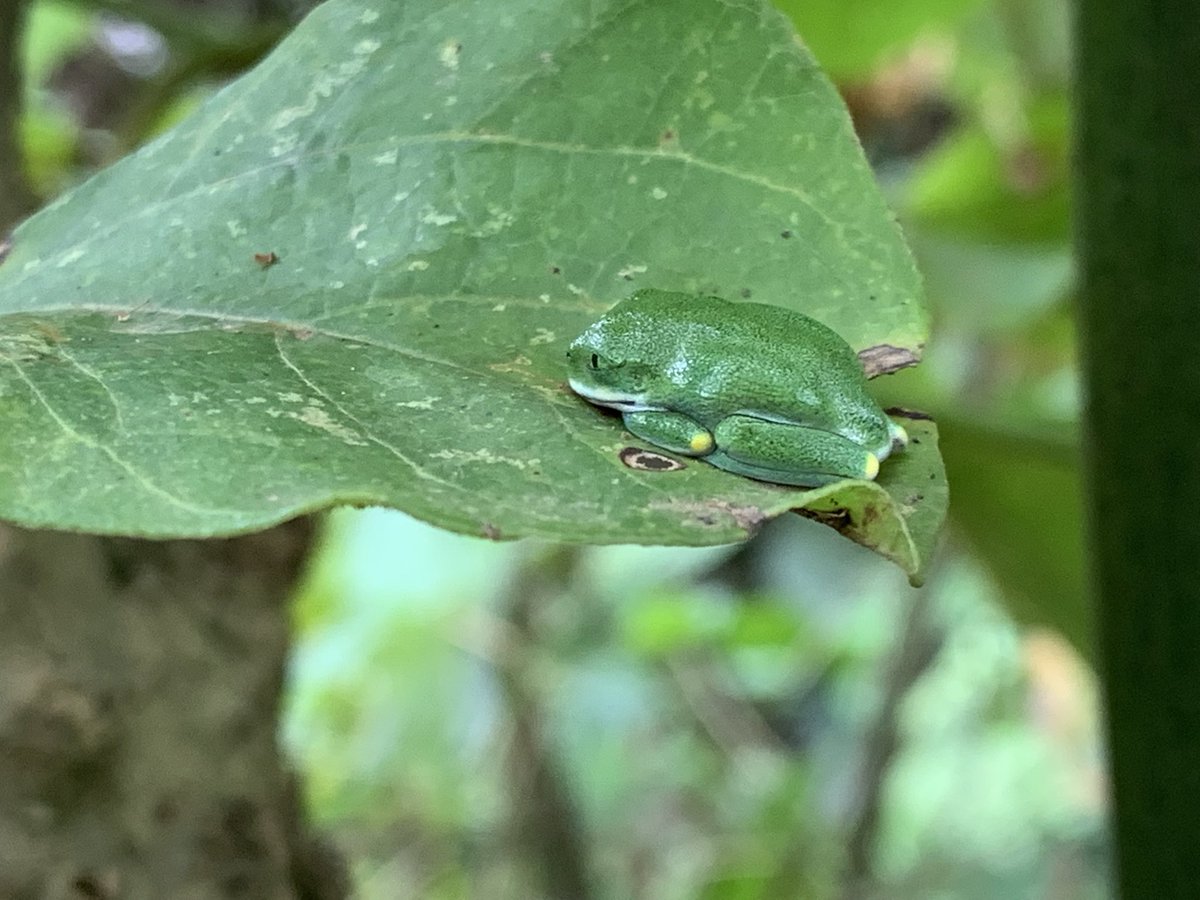
The frogs of 🇷🇼 #Rwanda.
The list.
To inform soon. 🚨
Where are they found? Typical locality and conservation status. Their roles in ecosystem ecology.
Why should we not harm frogs. How to do that? A lot of questions to answer. Stay tuned.
Frogs, snakes, lizards, chameleons, and many of these groups are guardians but killed by humans because a few understand them. Those who don’t call these animals evils and so many pathetic names. I see the job here!
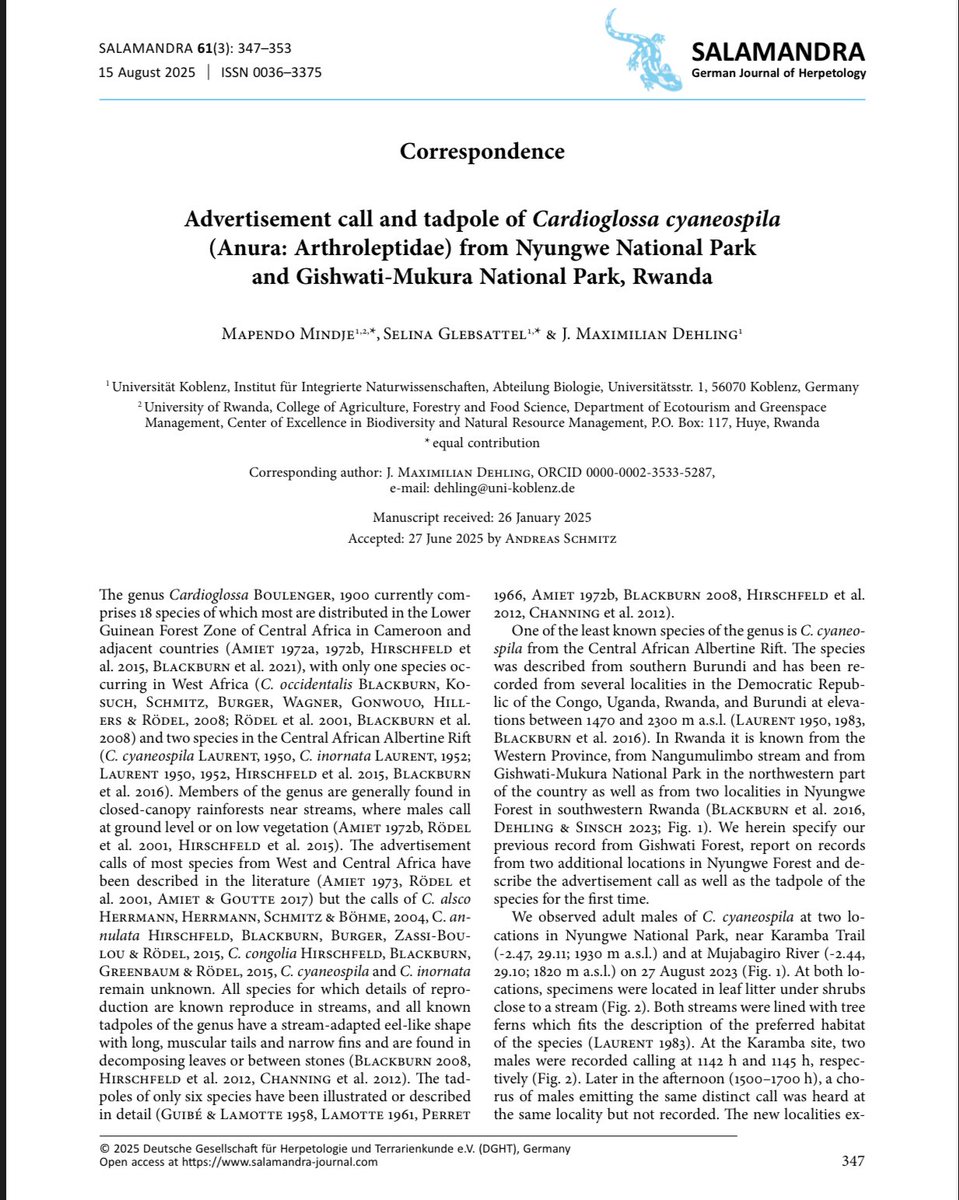
To celebrate the #WorldbiodiversityDay2026, I am happy to share again our recent work on the Long fingered frog’s call and tadpoles. Happy Day to all 🐸 friends
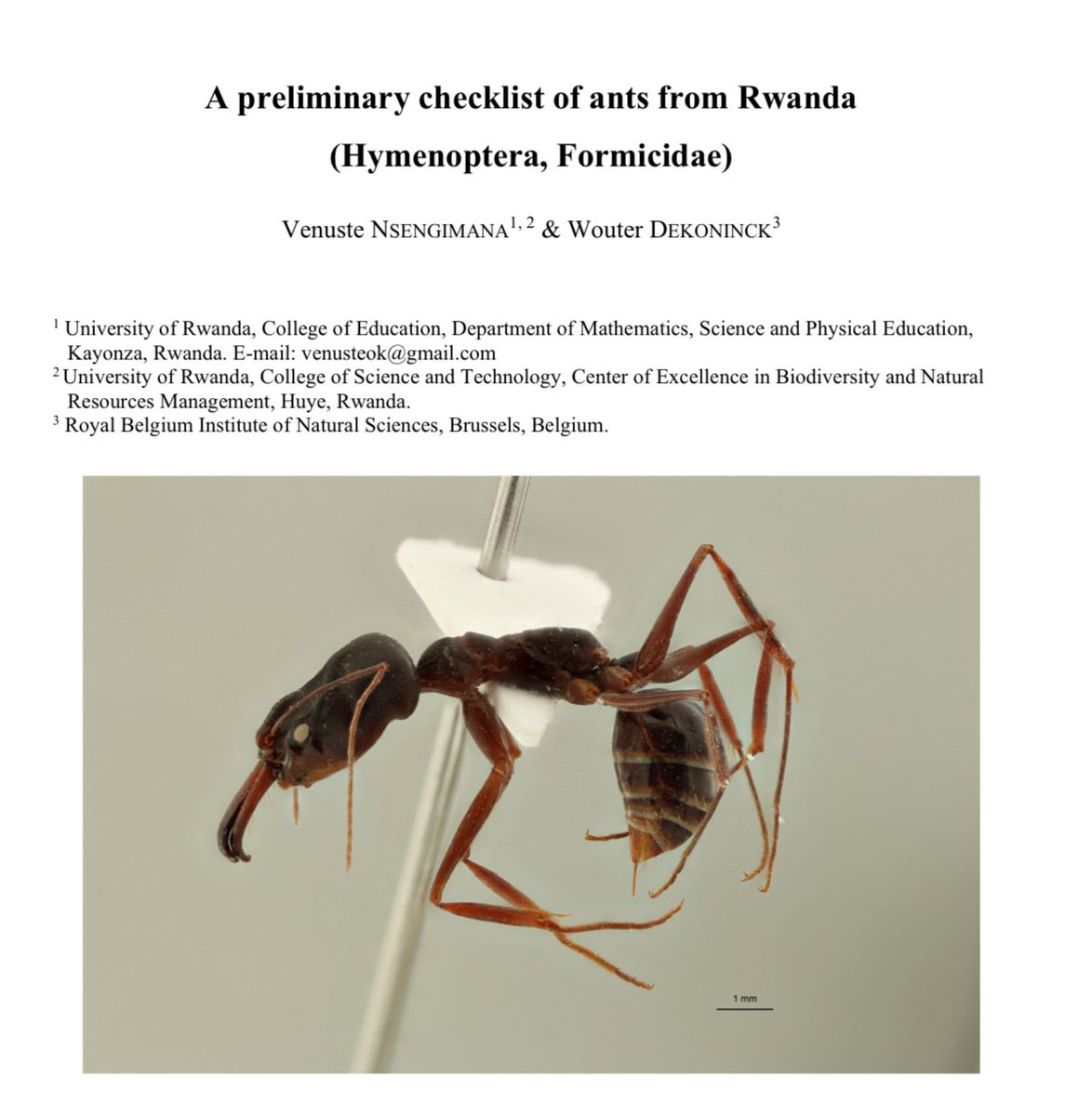
In Rwanda, the science on neglected biodiversity is no longer neglected- papers on ants, frogs, butterflies, aquatic invertebrates, small mammals… are being written and by Rwandan. Thanks to the @CoEBrwanda for such capacity building trough field research and data analysis work
#Amarembo
Did you know that frogs are the ultimate "Eco-Guardians"? 🐸✨
They do the dirty work so we don’t have to: Pest Control: They eat thousands of mosquitoes and flies.
🌊 Water Cleaners: Their tadpoles keep our ponds and streams clean.
Bio-Indicators: Their sensitive skin tells us if our environment is healthy or polluted.
Nature’s balance depends on these little guys. Let’s protect their habitats! 🌍💚
#EcoFriendly #Biodiversity #NatureFacts #ProtectOurFrogs
Amphibians in Rwanda are happy since their habitats are being rehabilitated- most other species like Sitatunga, birds and reptiles get benefits!!! @iabatida
Happy world frogs day!
Today we celebrate these important creatures in our ecosystems. Their potential to indicate health of ecosystems is valued and appreciated. Thanks to the Government of Rwanda to step in to restore frogs habitats. Studying these animals is just wow 👌!
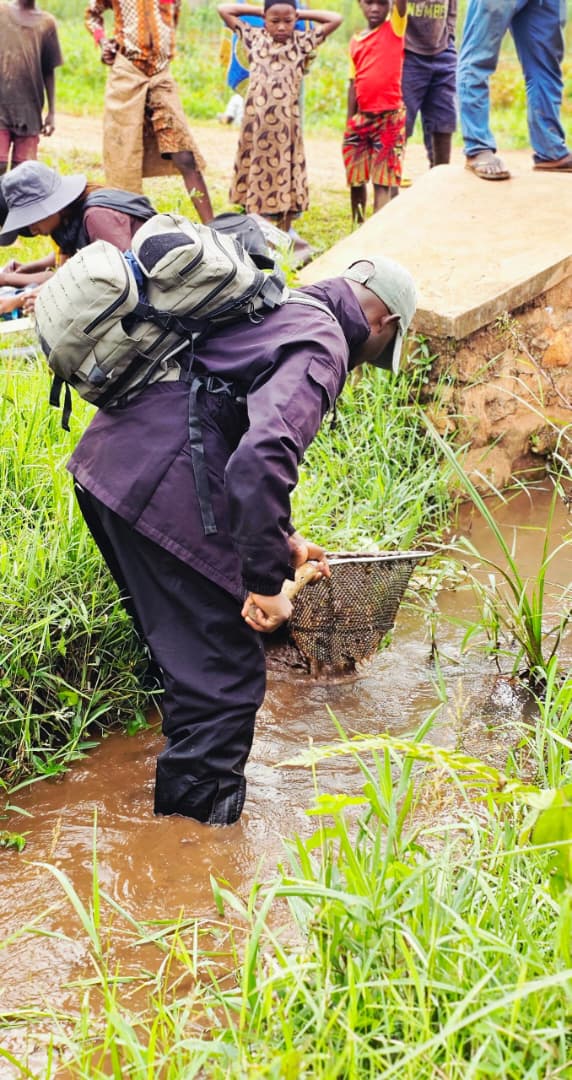
Whoever this big brother is! Salute kabisa. Thanks for protecting biodiversity and especially frogs. 🐸. This is how we should behave- protecting either a small or big species even if you see no direct benefits. Bravo! 🫡
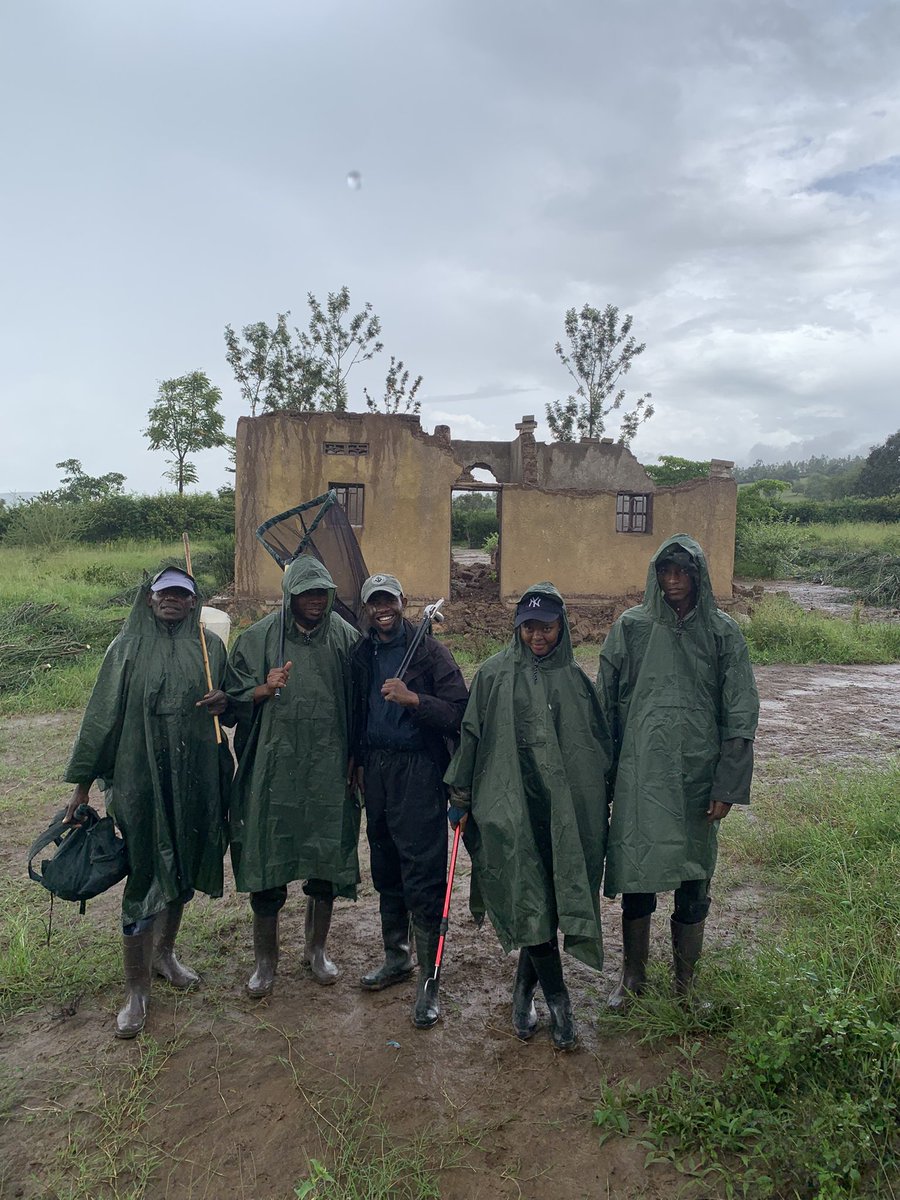
Covering Malenga Island, Nyagasenyi, Sanza & Busaga, this research will generate critical baseline data to inform conservation, restoration, and science-based policy at national and global levels.