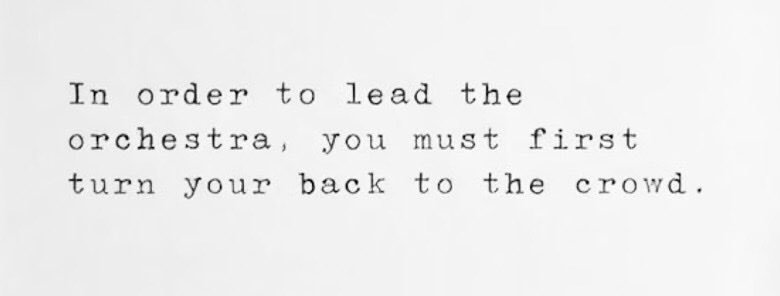
on "soldiering through"
Munger: "I have never heard Warren complain about a downdraft. I’ve never heard him indicate that he regards the world as being unfair to him, even when Susie died, which really shook him up for quite a while. Even then he never complained, never thought the world was being unfair when they took her away. Some people just naturally complain, and other people are just naturally put their head down, sail through it, soldier through it. Warren and I believe in soldiering through without too much fuss.
I have the theory that the dumbest thing you can do in life is ever feel like a victim. And any politician that makes people feel like victims I automatically dislike. I never saw any good to come from feeling like a victim, even if you are a victim. I think it’s a mistake. The Chinese were living in poverty, subsistence agriculture, in caves and so on—real poverty, hundreds of millions of them—and they worked their way out of poverty, and look at them now. How would it have worked if they said, “No, no, we’ll vote ourselves rich. We’ll just raise the minimum wage”? It’s so much better to use the Chinese way. They just soldiered through and worked their way out."
It’s true. From Teddy’s autobiography,
“While President I used to box with some of the aides, as well as play single-stick with General Wood. After a few years I had to abandon boxing as well as wrestling, for in one bout a young captain of artillery cross-countered me on the eye, and the blow smashed the little blood-vessels. Fortunately it was my left eye, but the sight has been dim ever since, and if it had been the right eye I should have been entirely unable to shoot. Accordingly I thought it better to acknowledge that I had become an elderly man and would have to stop boxing. I then took up jiu-jitsu for a year or two.”
I turned 40 this year. These are the things I wish I had known at 20.
Starting with...
1. Develop the ability to add and delete habits. I’ve observed that recovering addicts can have an edge on normal people--they have come to the stark realization that change is existential. Change is the price of survival for all of us. (For me, deleting is easier than adding. You might be different.)
You start making progress with your life once you realize that there is no perfect relationship, no perfect draft, no perfect investment, no perfect house, no perfect diet, no perfect city, no perfect job, no perfect choice, no perfect life.
You try, you fail, you "waste" time, you self-reflect, you grow as a person, you do better next time, some people join you along the way, some others leave, and one day, you too will be gone, and no one will even remember that you ever existed, no one will be judging your missteps and detours either, so the sooner you start living truly for yourself, the sooner you will start discovering what life truly has to offer.
A mentally healthy lifestyle is simple:
- you practice mindfulness, gratitude, detachment in your daily life
- three or four weekly tough workout sessions that keep you high-energy and mentally strong
- never compromising on your sleep, diet, and some time alone to clean and reorganize your thoughts
- a hobby that keeps you open-minded, curious, creative about what you don't know (e.g: new foreign language, side business, artistic project)
- weekly deep conversations with thoughtful, smart friends who also care
- a home filled with love, where you share laughs and overcome struggles together with your family
- a job that keeps you mentally sharp and aware of the current state of the world, that gives you enough room and flexibility to invest in your freedom
- a community with long-term people where you never feel judged, but only supported by like-minded souls who understand that we are all in the same journey
You really don’t need to be the smartest to find great success, you just need to have a bit more courage, a bit more discipline, a bit more patience, and a bit more tolerance to suffering than the rest of the world.
At twenty, you don’t get the life you deserve, you are just the product of the environment you were lucky or unlucky to have.
Then, as you get older, and enter your thirties, forties, and beyond, you notice how much agency you actually had on your life.
Maybe you moved abroad, learned another language, another culture, another mindset, and became an entirely different person.
Maybe you decided you had nothing to lose, and invested all your meager savings into the bet of a lifetime, and it worked out.
Maybe you changed all your habits, and realized that you could be much healthier, smarter, stronger than you thought, if you simply maintain a better diet, a better training, a better sleep, a better routine.
Maybe you fell in love, and realized that a great marriage was about so much more than physical attraction and intellectual compatibility: if you find yourself walking alongside with a kind, thoughtful, honest person who loves you back, you actually won the lottery.
Maybe you met some great people during your journey, shared with them parts of your journey, overcame difficult challenges together, finally understood the real meaning of “friendship,” and that some people are worth trusting and making sacrifices for.
Maybe you also had health issues, lost a few precious people that you loved, understood the fragility of life and the pain that comes with truly loving someone else, but also finally gained enough wisdom to appreciate the simple things in life, that are free and in abundance.
It’s a long journey. The best and the worst things will happen to you. You can choose to act like a victim, or you can choose to respect yourself and be more resilient, mentally stronger, overall better. In the end, you will look back, you will connect the dots, and it will all make sense, that you got exactly what you deserved.
You have three things to figure out:
1) who you want to be.
2) how to become who you want to be.
3) what kind of people you want to be with.
The rest of the journey is simply about not forgetting your vision and staying consistent with yourself as you are getting older.