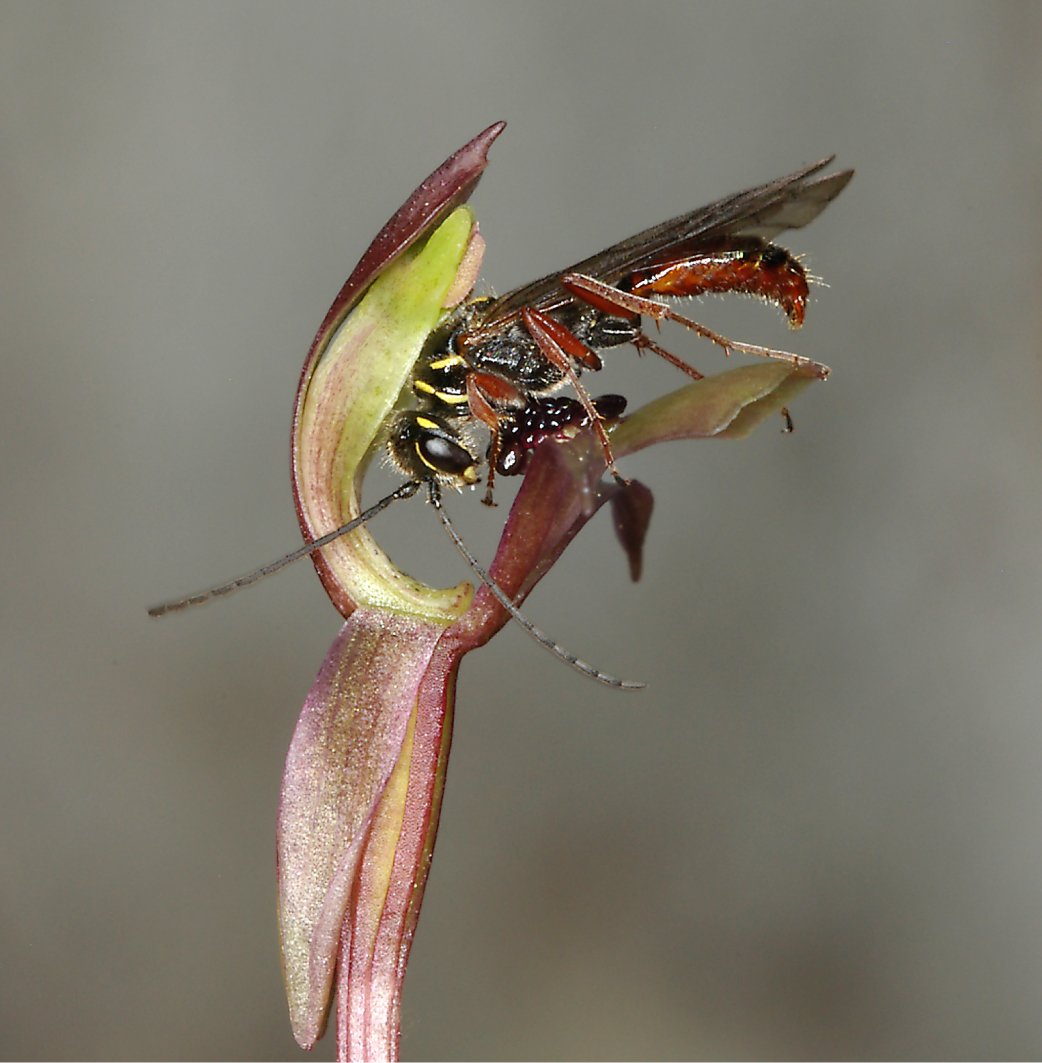
How can you know if resemblance is the result of mimicry? We highlight three conditions in @FunEcology: 1) characterise a model, (2) identify a receiver with a percept of the model, (3) demonstrate the receiver exerts selection on the mimic. See free pdf https://t.co/CsXMuLIWnT
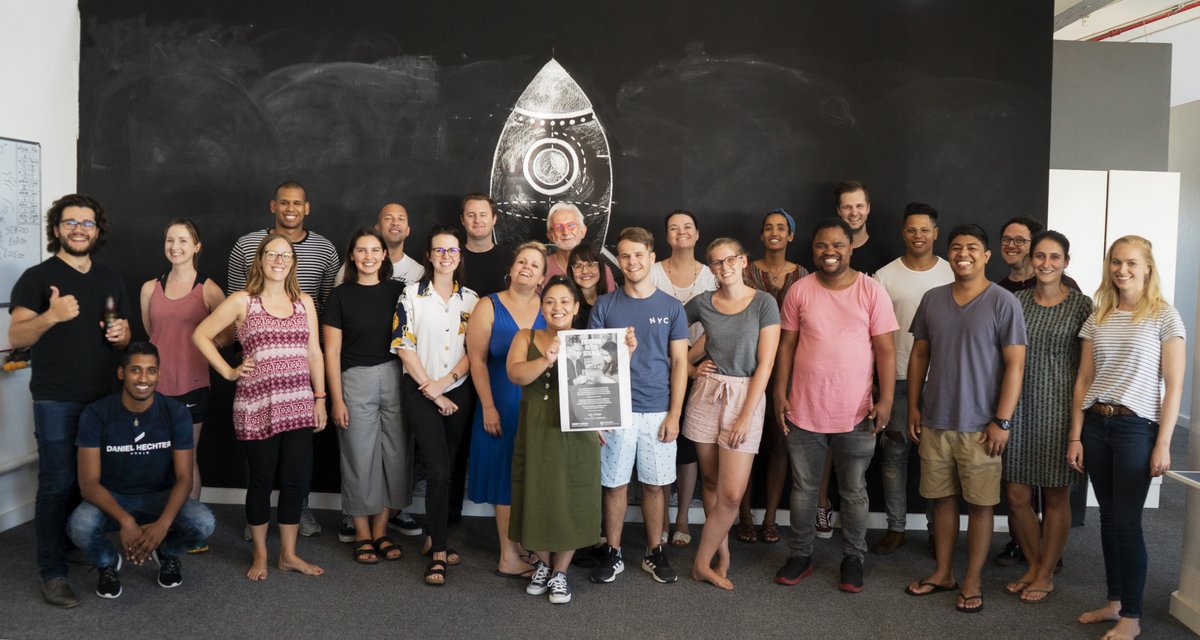
Have you viewed the colorful scrollable interactives on @LabXchange? The robust virtual lab simulations? We created those resources together with @HubbleStudiosZA in Cape Town, South Africa. We are so grateful for the efforts of this creative, dynamic team! #scicomm
Launching today: The world needs scientists more than ever. @AmgenFoundation and @Harvard are working to transform #science education with the global launch of @Labxchange. It's #ScienceMadePossible, now for students around the world. Details here: https://t.co/YEPYvOz5vJ
I'm lucky to have spent 2019 helping to design virtual simulations and scrollable animations like this one with @LabXchange and @HubblestudiosZA. Check out https://t.co/wYjaan1B2l, its incredible!
#scienceeducation#CRISPR
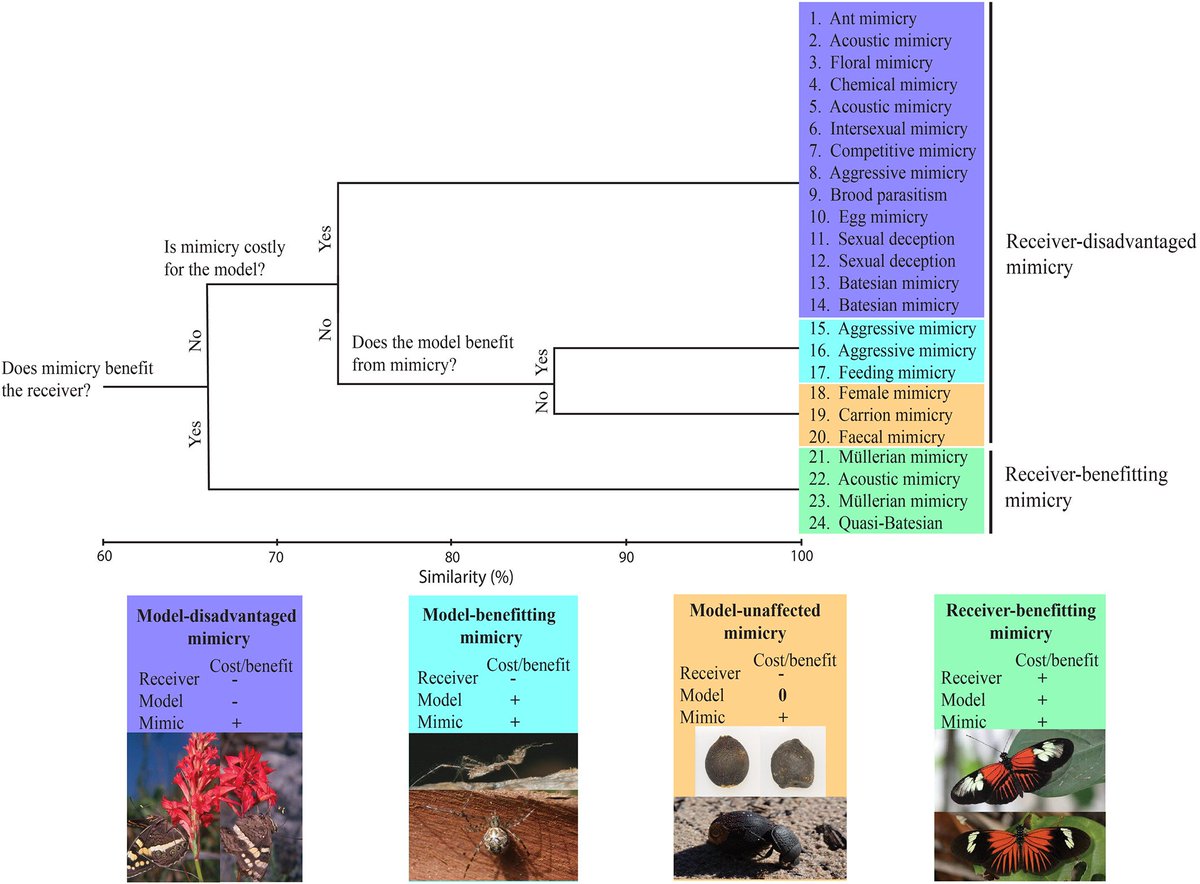
A conceptual framework for understanding different forms of mimicry and how different selective pressures may act on mimics, models and receivers and shape these interactions. Nice one @MLdeJager (and Bruce)! I'm happy to see faecal mimicry permeates through the article 💩
Our own, Dr. Jessica Silverman, introduced teachers to #LabXchange at the @WhiteheadInst Teacher Seminar Series. Saw some familiar faces in the audience! #scied#scichat
LabXchange is looking for beta testers of our free online platform for science education! Fill out our survey and we'll contact you with instructions. #SciEd#sciencetwitter
https://t.co/kG68ceFnPZ
Pollination, paternity, and mating portfolios in monkeyflower. 🐝 Hermaphroditic plants mate with different partners through male and female function. #bumblebee#pollination New paper by Dorothy Christopher, Randy Mitchell and Jeff Karron
FREE PDF https://t.co/pAiLixT3Eb
A Pantaloon bee (Dasypoda hirtipes) beginning to dig her nest before being bitten by an ant and deciding against it. North Cornwall, today. @NHM_Bees @CwallWildlife @Buzz_dont_tweet@StevenFalk1
Why is the Cape flora so rich? Wuest etal suggest the mountain ranges = "islands", with immigration and diversification dynamics best fitting an archipelago model: most diversification and diversity in the central island, peripheral islands spp poor. https://t.co/IaHXGjDrq5
This brilliant gif by @physicsJ, visualizes the speed of light in real time, or the time any signal takes from Earth to reach the Moon. Follow his profile for more interesting astronomy gifs.
Did you ever want to know what's hiding under my spathe? My intrepid IT gadget minion @duncanreddish has you covered. I've never seen my insides quite like this before...
Female flowers at the bottom, (orange), male ones above them (yellow) and the base of my spadix at the top!
How vaccines reduced measles deaths in each state of the U.S. [Measles in the U.S. was almost eliminated with the vaccination programme starting in 1963] https://t.co/uPwyZ5Dk4I
A new study in Nature disproves a long-standing idea that multi-celled animals evolved from a single-celled ancestor resembling a modern sponge cell. Instead, it was probably quite similar to a stem cell. Read the paper here: https://t.co/RhhDuVQFfw
The speed of a hairy frogfish’s bite is the result of a vacuum in its mouth that can suck in its prey in just 1/6000th of a second. It’s so fast that even slow-motion video struggles to capture it https://t.co/GydMSjCkej
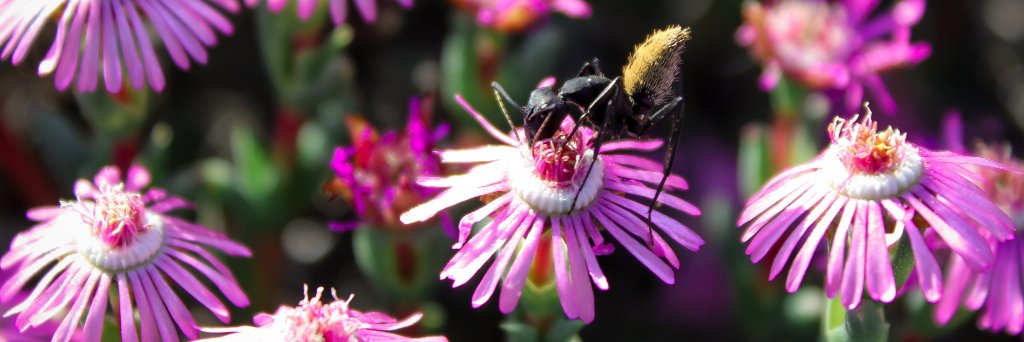
New paper from @BioInteractLab explores how biologists can confirm mimicry. They highlight the need to identify models, receivers, and evidence that receivers exert selection on mimics https://t.co/CsXMuLIWnT @FunEcology @siencelibSUN @noxthelion@marinajoubert@GeorgeClaassen











![Rainmaker1973's tweet photo. How vaccines reduced measles deaths in each state of the U.S. [Measles in the U.S. was almost eliminated with the vaccination programme starting in 1963] https://t.co/uPwyZ5Dk4I https://t.co/EUduhJiCrh](https://pbs.twimg.com/media/D9K9y_hXkAA29eH.jpg)