“ In Washington DC, at a Metro Station, on a cold January morning in 2007, a man with a violin played six Bach pieces for about 45 minutes. During that time, approximately 2000 people went through the station, most of them on their way to work.
After about four minutes, a middle-aged man noticed that there was a musician playing. He slowed his pace and stopped for a few seconds, and then he hurried on to meet his schedule.
About four minutes later, the violinist received his first dollar. A woman threw money in the hat and, without stopping, continued to walk.
At six minutes, a young man leaned against the wall to listen to him, then looked at his watch and started to walk again.
At ten minutes, a three-year old boy stopped, but his mother tugged him along hurriedly. The kid stopped to look at the violinist again, but the mother pushed hard and the child continued to walk, turning his head the whole time. This action was repeated by several other children, but every parent - without exception - forced their children to move on quickly.
At forty-five minutes: The musician played continuously. Only six people stopped and listened for a short while. About twenty gave money but continued to walk at their normal pace. The man collected a total of $32.
After one hour:
He finished playing and silence took over. No one noticed and no one applauded. There was no recognition at all.
No one knew this, but the violinist was Joshua Bell, one of the greatest musicians in the world. He played one of the most intricate pieces ever written, with a violin worth $3.5 million dollars. Two days before, Joshua Bell sold-out a theater in Boston where the seats averaged $100 each to sit and listen to him play the same music.
This is a true story. Joshua Bell, playing incognito in the D.C. Metro Station, was organized by the Washington Post as part of a social experiment about perception, taste and people’s priorities.
This experiment raised several questions:
In a common-place environment, at an inappropriate hour, do we perceive beauty?
If so, do we stop to appreciate it?
Do we recognize talent in an unexpected context?
One possible conclusion reached from this experiment could be this:
If we do not have a moment to stop and listen to one of the best musicians in the world, playing some of the finest music ever written, with one of the most beautiful instruments ever made…
How many other things are we missing as we rush through life?”
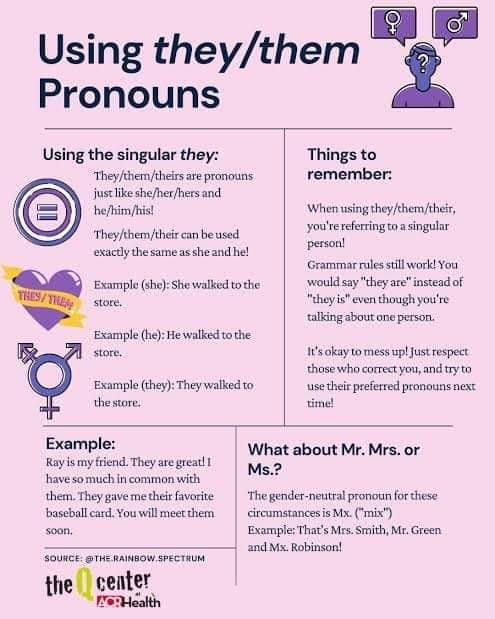
We have the right to express ourselves in the language of our choice.
Bilingualism is a fundamental principle of our country, unfortunately the Conservatives don’t seem to agree.
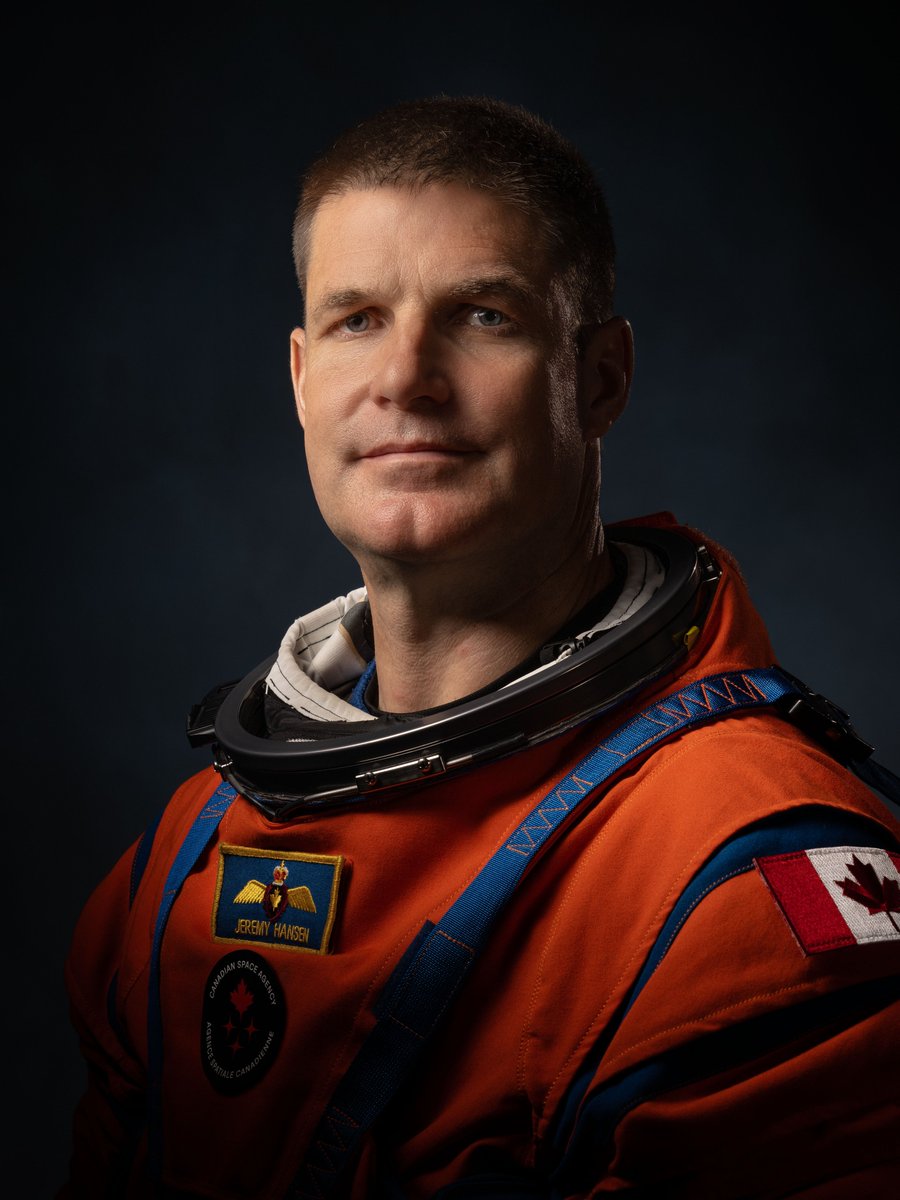
Representing the @csa_asc on #Artemis II to the Moon is @Astro_Jeremy, from London, Ontario.
Jeremy Hansen was a fighter pilot before joining CSA, and currently works with NASA on astronaut training and mission operations. This will be Hansen’s first mission in space.
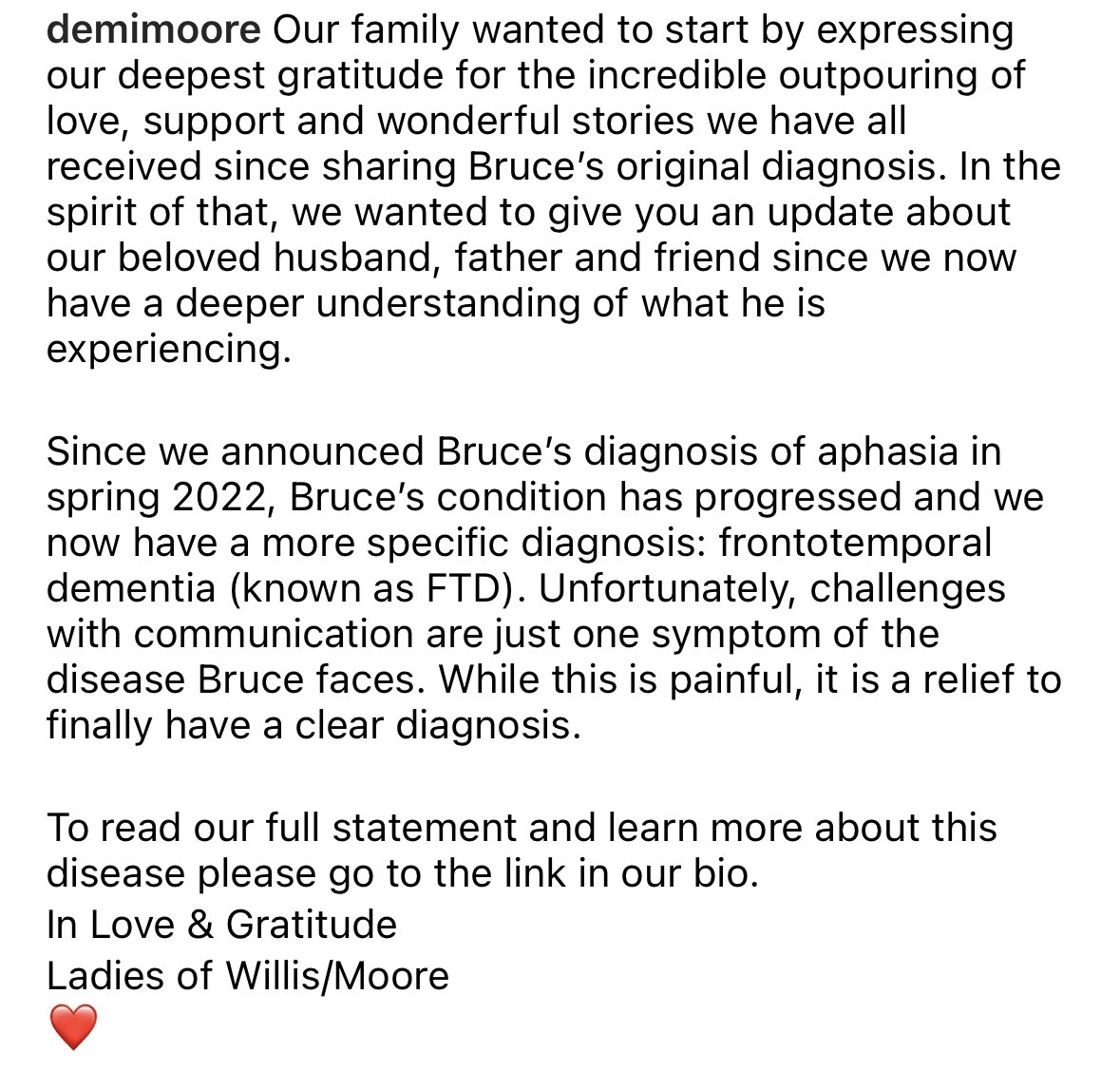
My heart goes out to Bruce Willis and his family, & also my gratitude for shining a much needed light on this disease. When people step forward it helps all of us. When people get a diagnosis it’s extremely difficult, but also for most a relief to get a diagnosis.
GC employees, join a twitter community of your colleagues. Great way to talk to other GC employees, to reach out for help on work matters and to network. #LeadersGC https://t.co/yop9YmCGjw