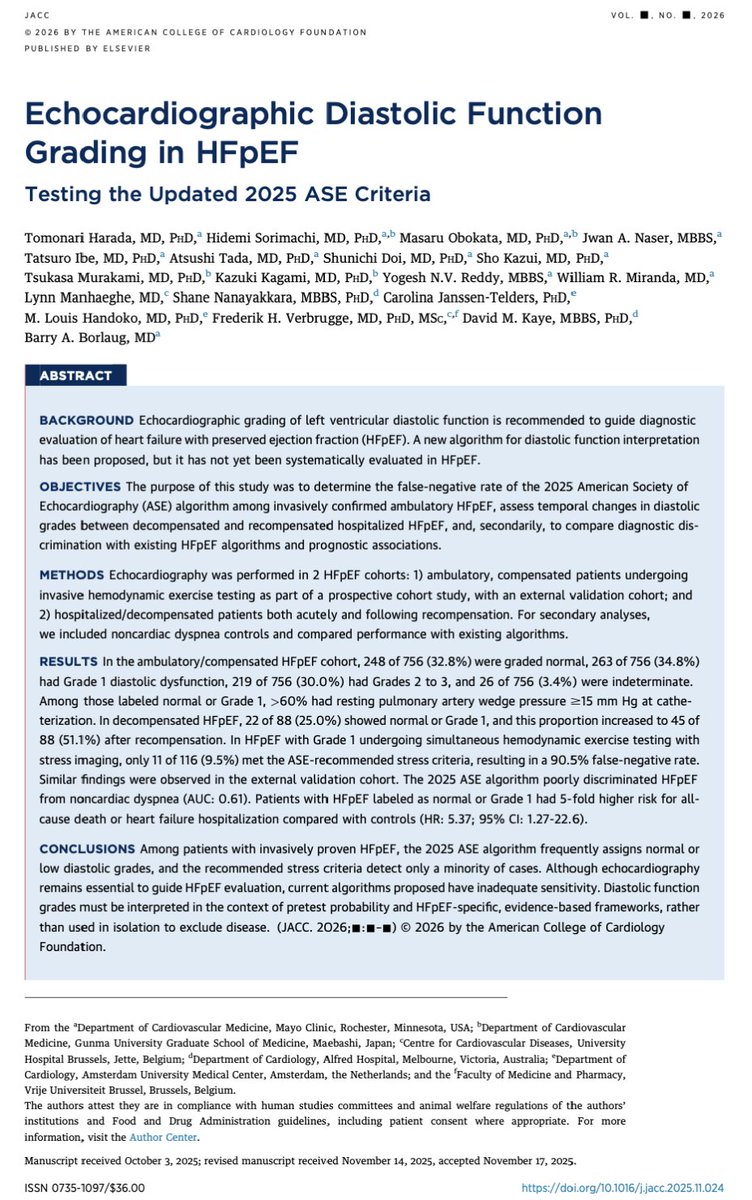
🚨 Can echocardiography really exclude HFpEF? New data say: not reliably.
A large, invasive hemodynamics–validated study tested the updated 2025 ASE diastolic function grading algorithm in patients with confirmed HFpEF — and the results are eye-opening. 👀
🔍 Key finding:
Among ambulatory patients with invasively proven HFpEF, ~68% were classified as “normal” or Grade 1 diastolic dysfunction by the new ASE criteria. Yet >60% of these patients already had elevated filling pressures at rest, and many worsened dramatically with exercise.
🏃♂️ Stress echo underperformed:
In patients labeled Grade 1 (where exercise testing is recommended), the ASE 2025 stress criteria detected HFpEF in only ~10% — a false-negative rate >90%. Even under “best-case” assumptions, sensitivity remained poor.
🏥 Volume status matters:
Diastolic grades shifted substantially between decompensated and recompensated states. After diuresis, over 50% of hospitalized HFpEF patients reverted to normal or Grade 1, highlighting how load-dependent and unstable diastolic grading can be.
📉 Diagnostic performance:
Overall discrimination for HFpEF vs non-cardiac dyspnea was modest (AUC ~0.61) — inferior to probability-based tools like H₂FPEF, especially when combined with functional testing.
⚠️ Prognostic paradox:
Patients with HFpEF labeled “normal” or Grade 1 still had a ~5-fold higher risk of death or HF hospitalization compared with controls.
💡 Bottom line:
🛑 Normal diastolic function ≠ no HFpEF.
Echocardiography remains essential — but diastolic grades must be interpreted within pretest probability frameworks, not used in isolation to rule out disease.
New study result 🚨
Tirzepatide vs semaglutide SURMOUNT 5 RCT
📉Total body weight loss:
−20.2% with tirzepatide
−13.7% with semaglutide
🤢Discontinuations due to gastrointestinal events: tirzepatide 2.7%, semaglutide 5.6%
🤮vomiting tirzepatide 15.0% vs semaglutide 21.3%
https://t.co/4TwFLgWBOq
What is type 2 airway inflammation in #COPD? Here, we perform bronchoscopy and endophenotype patients and show that pts with increased BAL #eosinophils respond to #ICS. Using blood #eos is useless. https://t.co/nY6Bu1MmPe
A new study published in Nicotine & Tobacco Research found that those using #ecigarettes alone were more than twice as likely to develop #COPD than people who didn’t use any tobacco products, with an even higher risk for those who mix e-cigarettes and traditional cigarettes. #vaping
Learn more: https://t.co/sU8dG5gHxt
We did it!
Absolutely thrilled to share the results of the ASPEN trial published today in @NEJM
Brensocatib(10mg and 25mg vs placebo) reduced exacerbations over 52 weeks and slowed lung function decline
A new treatment for bronchiectasis patients
https://t.co/u94U83zFk6
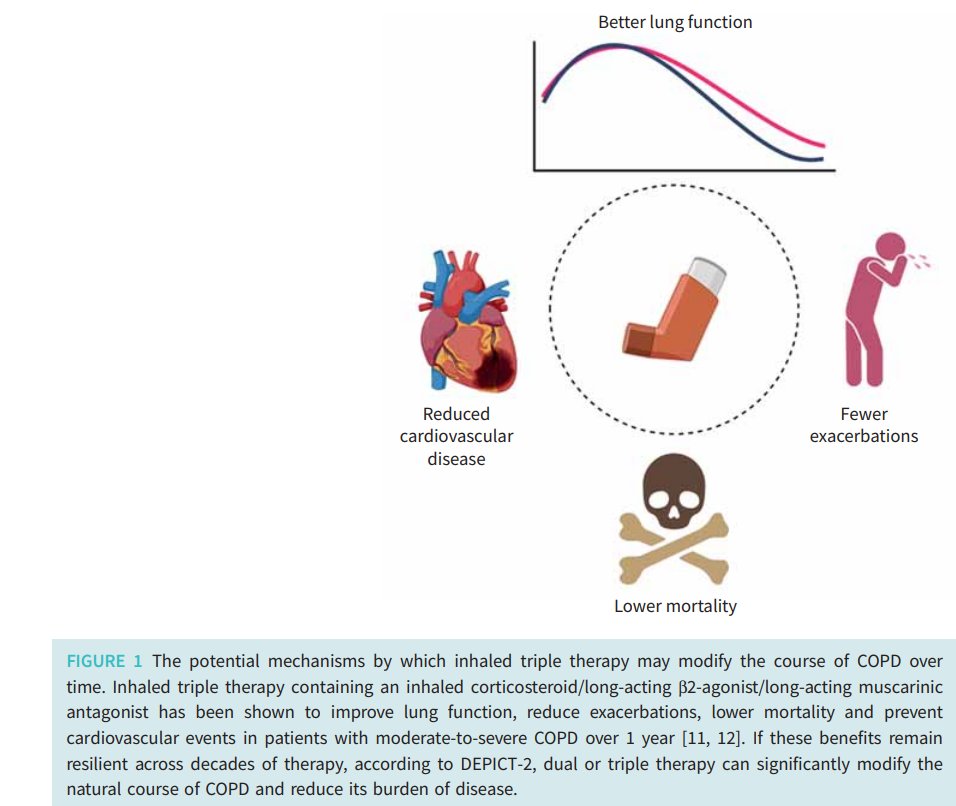
Here Dr. Sadatsafavi @ubcpharmacy and I make the argument that triple inhaled therapy be considered earlier in the course of #COPD and for most (if not all) patients. https://t.co/posQWbCSxz
Regardless of ICU admission or severity scoring systems: "In patients with CRP levels >204 mg/L, corticosteroids significantly lowered 30-day mortality compared with placebo (6% vs. 13%; NNT: 14); in contrast, patients with CRP levels ≤204 mg/L with no survival benefit.
Our aim is not to diagnose a disease once it has fully manifested but to detect it in the preclinical phase, when we have a greater chance of modifying its natural history!
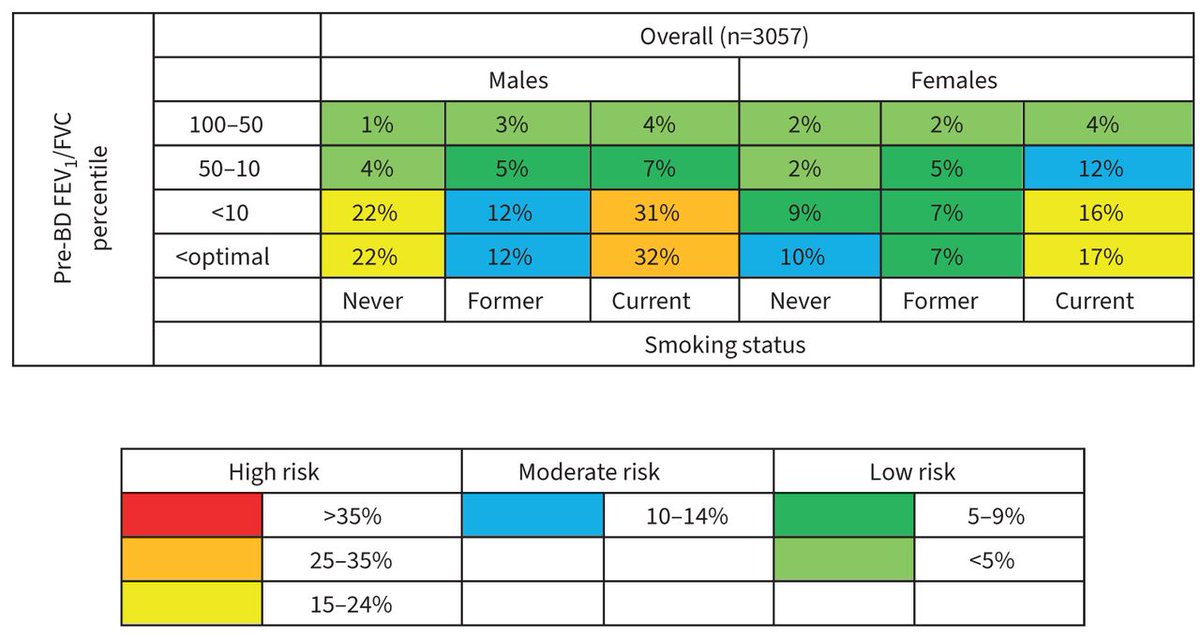
ERJ Open Res: Spirometry is better than respiratory symptoms at predicting chronic airflow obstruction incidence. A pre-bronchodilator FEV1/FVC <9th/10th percentiles, particularly among current smokers, could suggest early airflow obstruction or pre-COPD https://t.co/lZCJ5FV40n
SGLT-2 inhibitors and GLP-1 receptor agonists are linked to a lower risk of #COPD exacerbations compared to DPP-4 inhibitors in patients with type 2 #diabetes and COPD. https://t.co/oWj3L8HfS3 @avikray_md, @wbfeldman
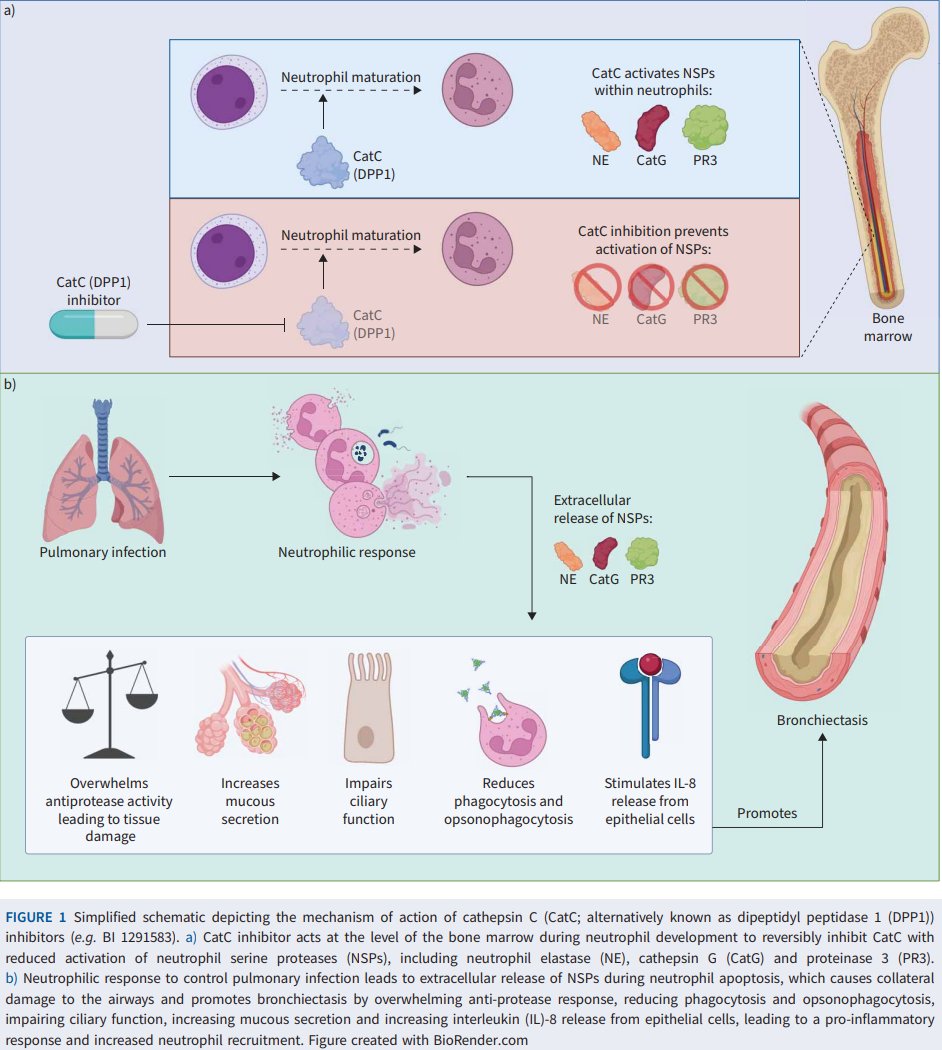
#Bronchiectasis is characterized by neutrophilic airway inflammation. However, therapeutics that can safely target #neutrophils have been elusive, until now. This brilliant editorial explains why CatC inhibition improves health outcomes in #bronchiectasis
https://t.co/P0GmWZhDsJ
Semaglutide is an option for treating obesity in patients with kidney failure on dialysis. This could significantly aid in their weight loss efforts and improve their chances of being listed for kidney transplantation. #semaglutide
https://t.co/10hB8IjwO2
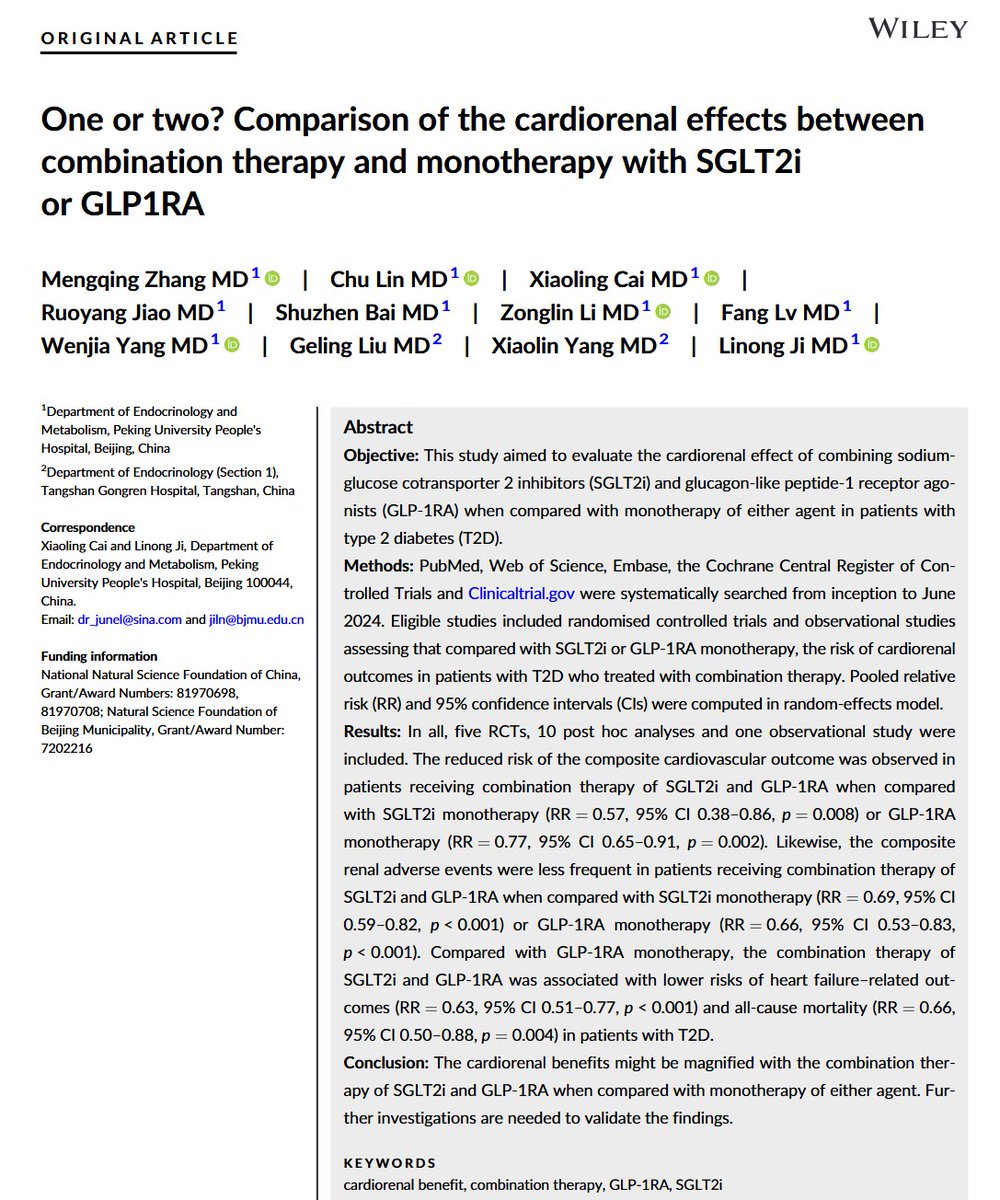
Comparison of the cardiorenal effects between combination therapy and monotherapy with SGLT2 inhibitors and/or GLP-1 receptor agonists.
https://t.co/wge2AQb4lp
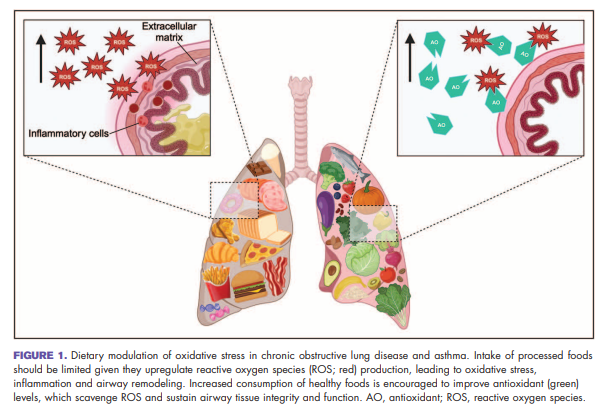
We always talk about diet in cardiovascular and kidney diseases. How about lung diseases? Are we what we eat?
In this review with @donsin4 we address this!
Food for thought: What should pts with #COPD or #asthma be eating on a daily basis? Processed food (no!), green veggies, legume, fruits and my favorite, beetroot juice (yes!). A short review by @motahare & Dr. Carolyn Wang @HLIStPauls
https://t.co/59MuveZJhJ
13. SARAH Trial: In a single-center cohort of patients with cancer receiving anthracycline-based chemotherapy, sacubitril/valsartan reduced the risk of subclinical LV dysfunction at 6 months compared with placebo.