Nice female blue headed/channel type wagtail at Kimmeridge Bay this morning - presumably fresh in feeding on the seaweed covered reefs before flying onto the cliffs, good to hear that buzzy call. Photo @MPrag
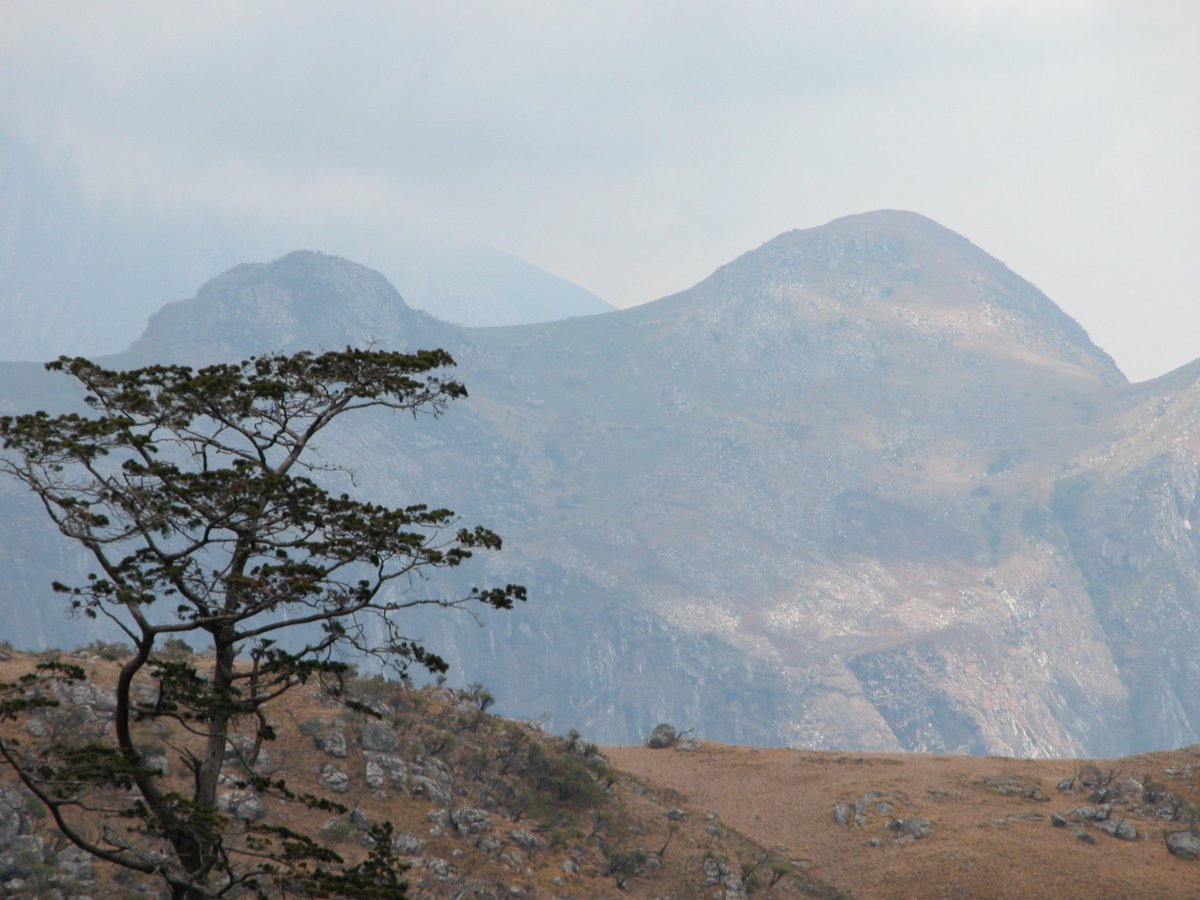
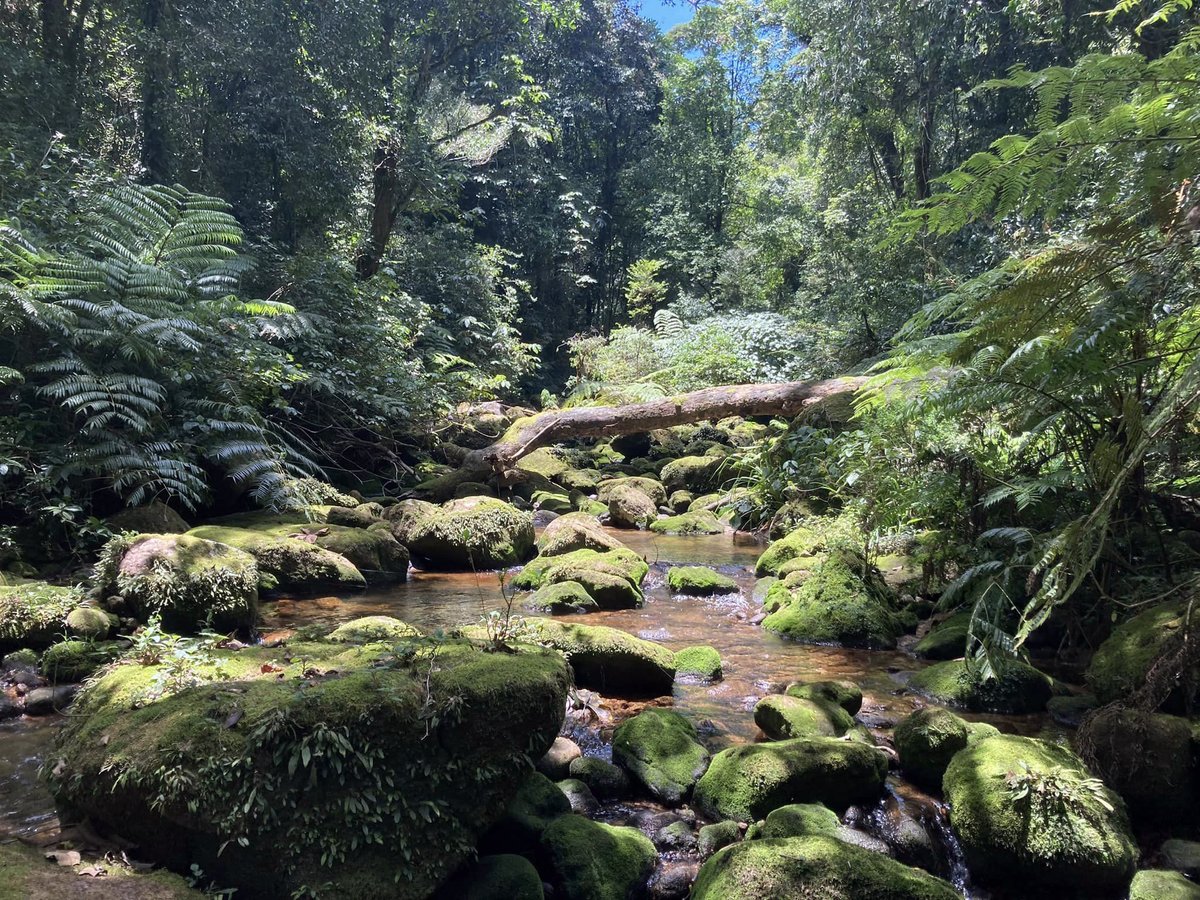
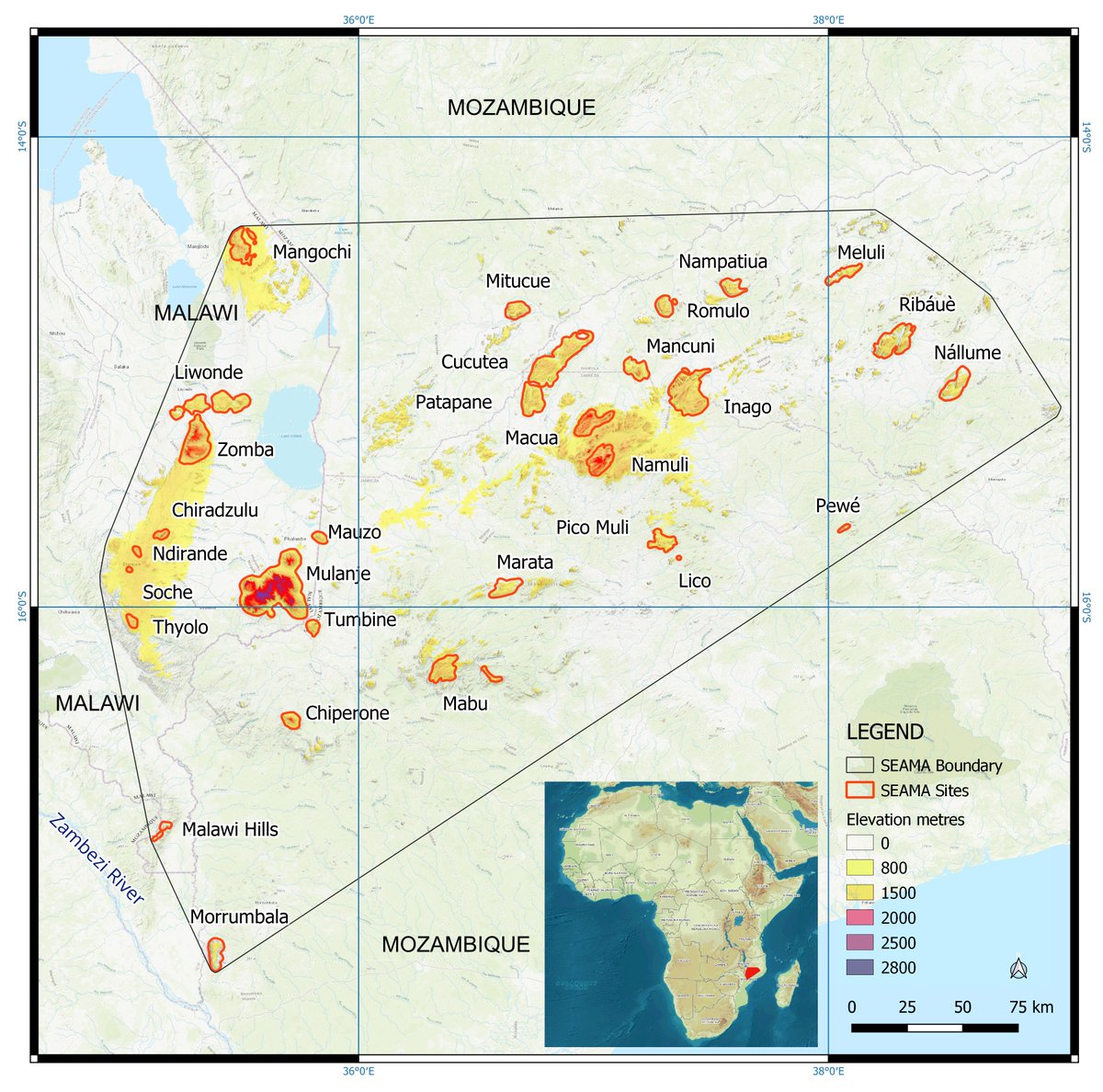
Published today Nature Scientific Reports a new ecoregion for Africa for the mountains of southern Malawi / Northern Mozambique - the South East Africa Montane Archipelago (SEAMA). https://t.co/teWGs0WiLJ Proud to have coordinated 20+ years of field work to make this possible
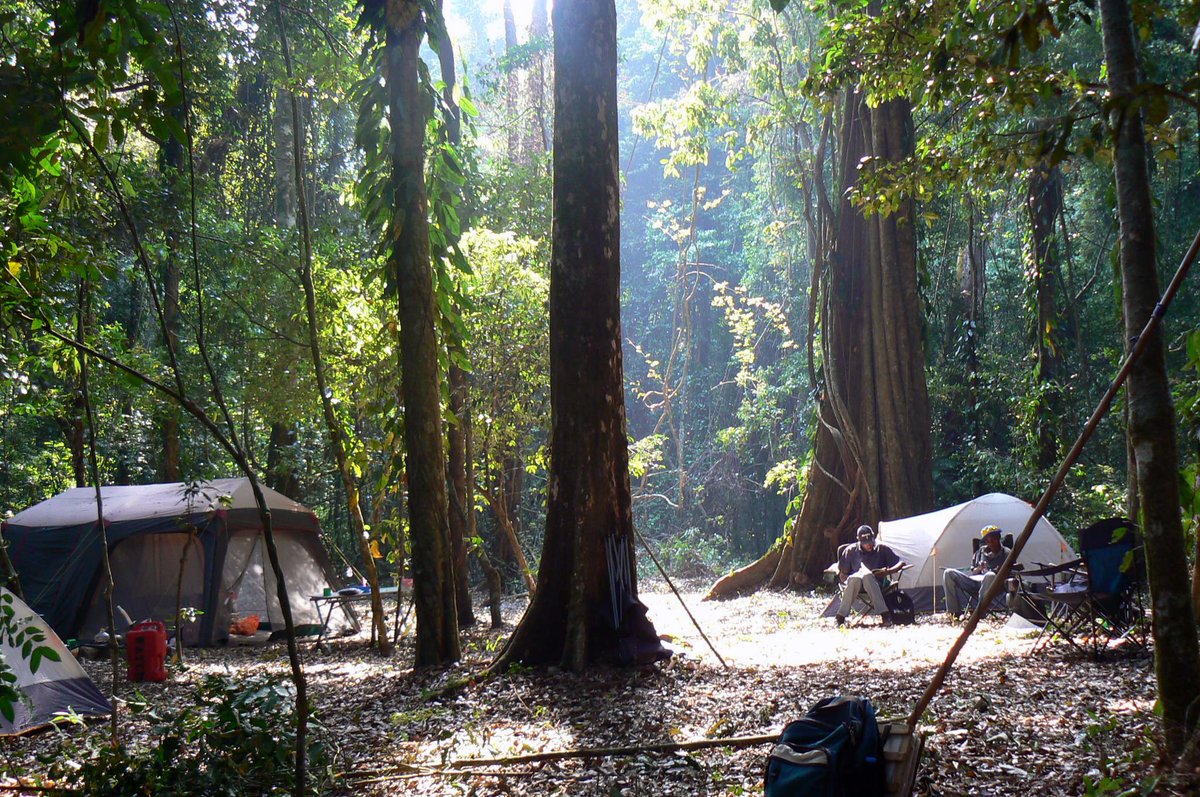
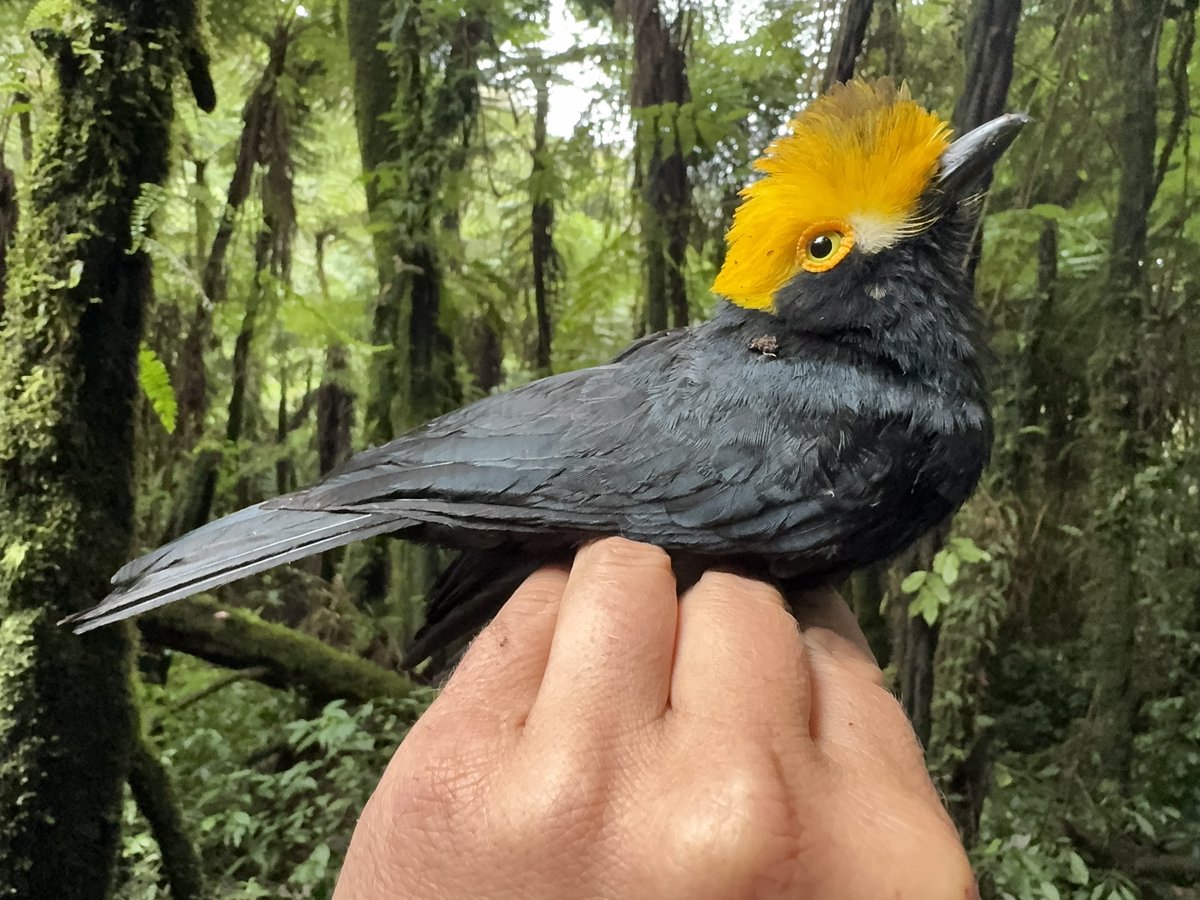
During a recent expedition to the Democratic Republic of the Congo, UTEP College of Science researchers captured the first known photos of a bird long thought lost. Known as the Yellow-crested Helmetshrike, the species was listed as a ‘lost bird’ by the American Bird Conservancy (@ABCbirds) because it had not been seen in nearly two decades.
“It was a mind-blowing experience to come across these birds. We knew they might be possible here, but I was not prepared for how spectacular and unique they would appear in life,” said Michael Harvey, Ph.D, an ornithologist and UTEP assistant professor in the Department of Biological Sciences.
Learn more about the discovery: https://t.co/RiH7l6IsAp
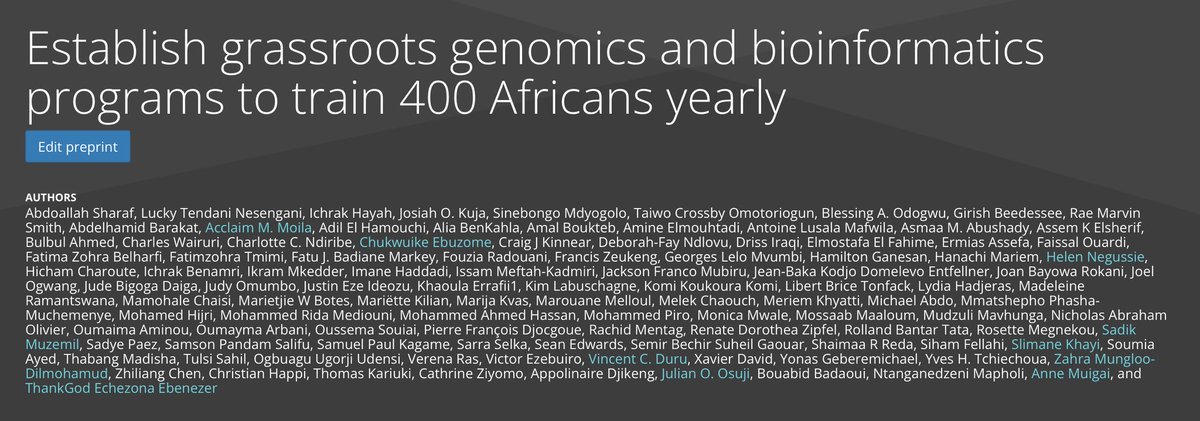
PREPRINT: The African BioGenome Project @DAISEA_AfricaBP paper with over 100 African authors calling to establish biodiversity genomics & bioinformatics programs across African continent to better target African people is now in Preprint. Click to view: https://t.co/93ZKSDuii6
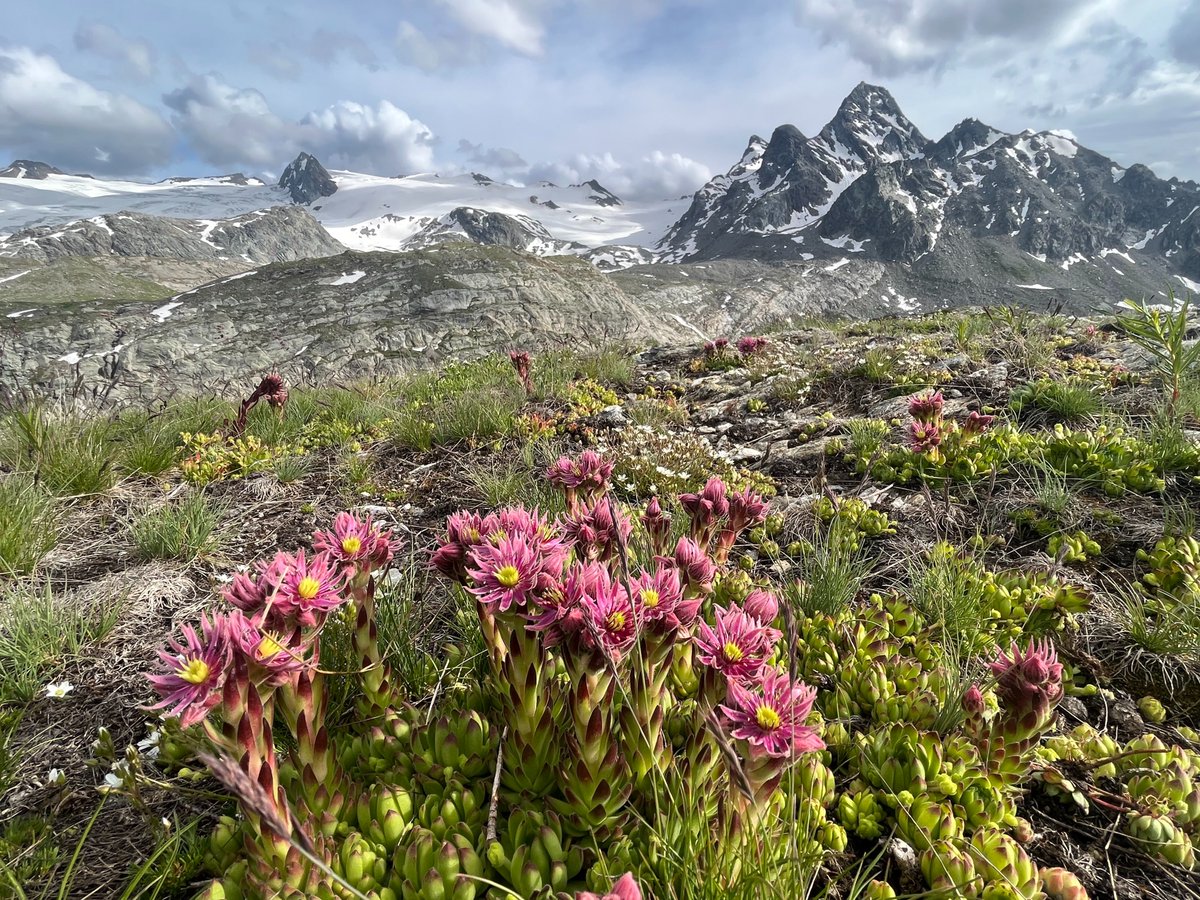
Hiking outside the UK can be one of the most powerful ways of understanding how naturally impoverished the British landscape is, particularly the high places and uplands.
A thread following a trip to the Alps which vividly reminded me of what we're missing. 🧵
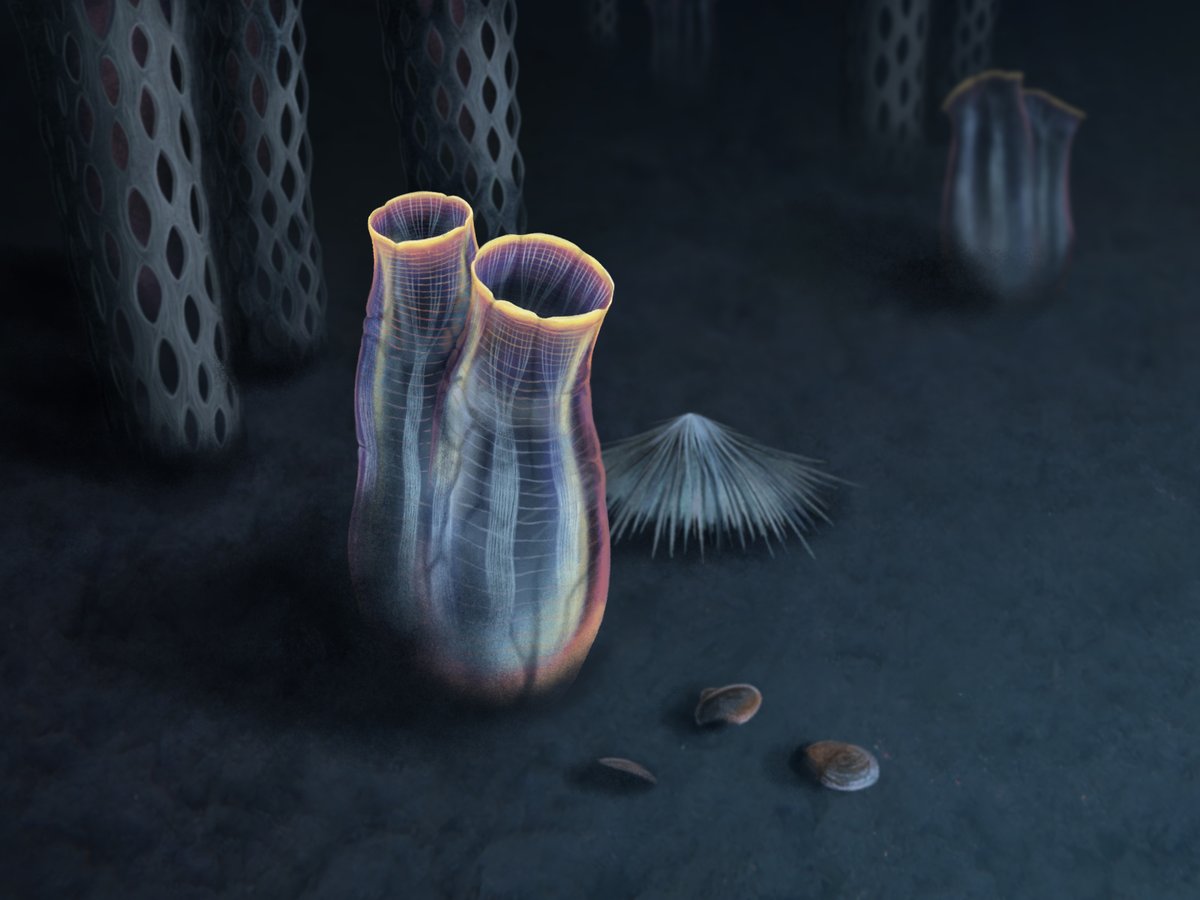
For an early #FossilFriday I’m excited to share our newest paper is out in @NatureComms. @InvertebratePal@PlLife2, James Weaver, and I describe a new species of Cambrian fossil tunicate from the Marjum formation of Utah 🧵👇: https://t.co/d37xDfZ2es
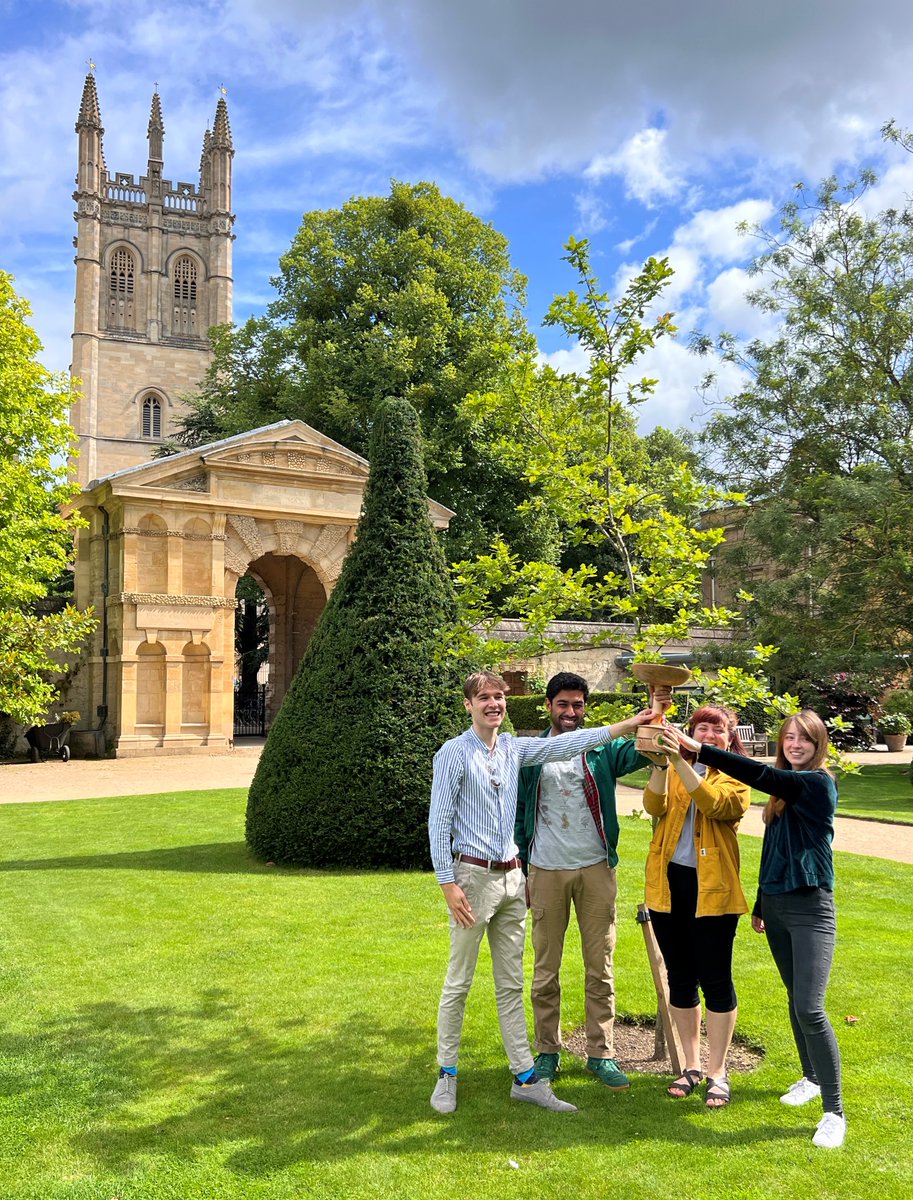
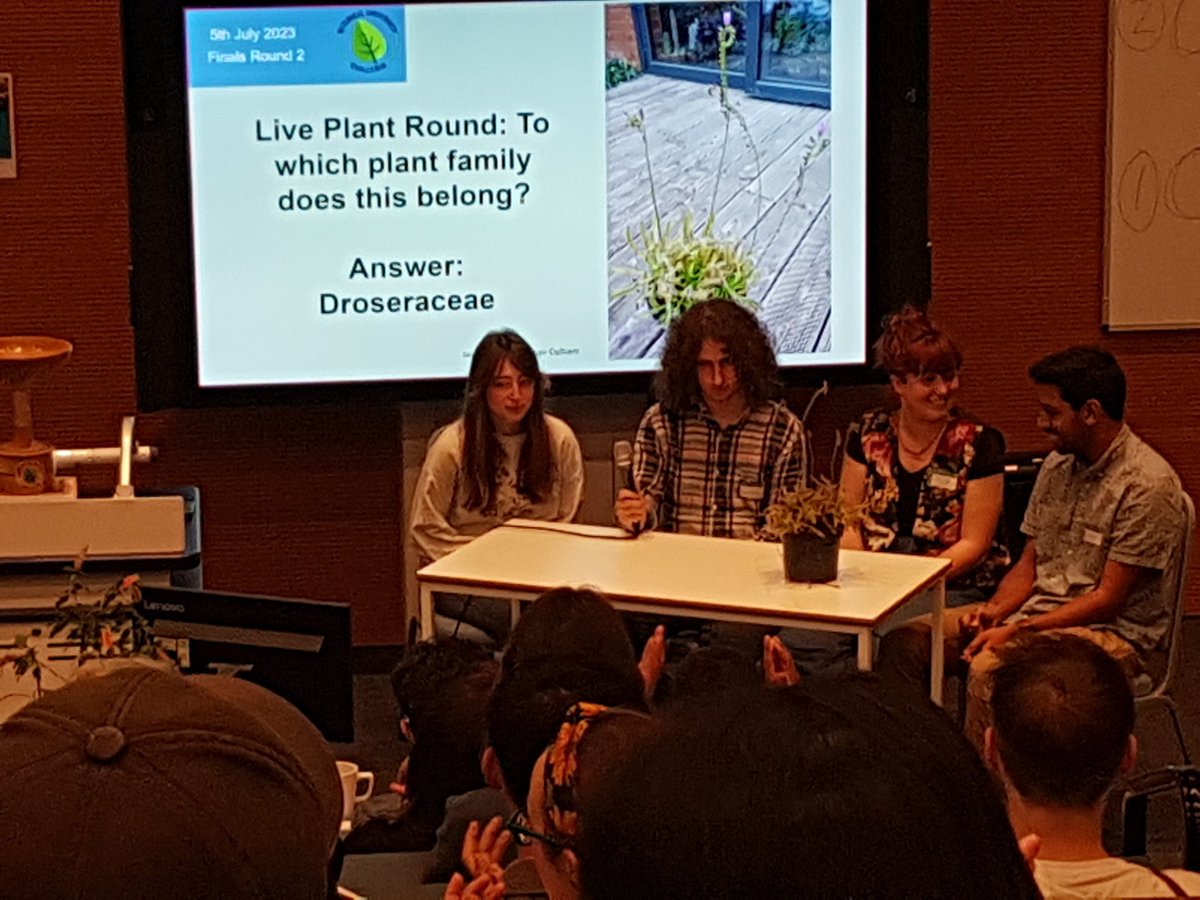
We're now in the final of #BUC2023 and it's Oxford vs Cambridge.
It's the live plant round and a tricky question on sundews has just been answered by @RubusCaesius3. Go Reuben!
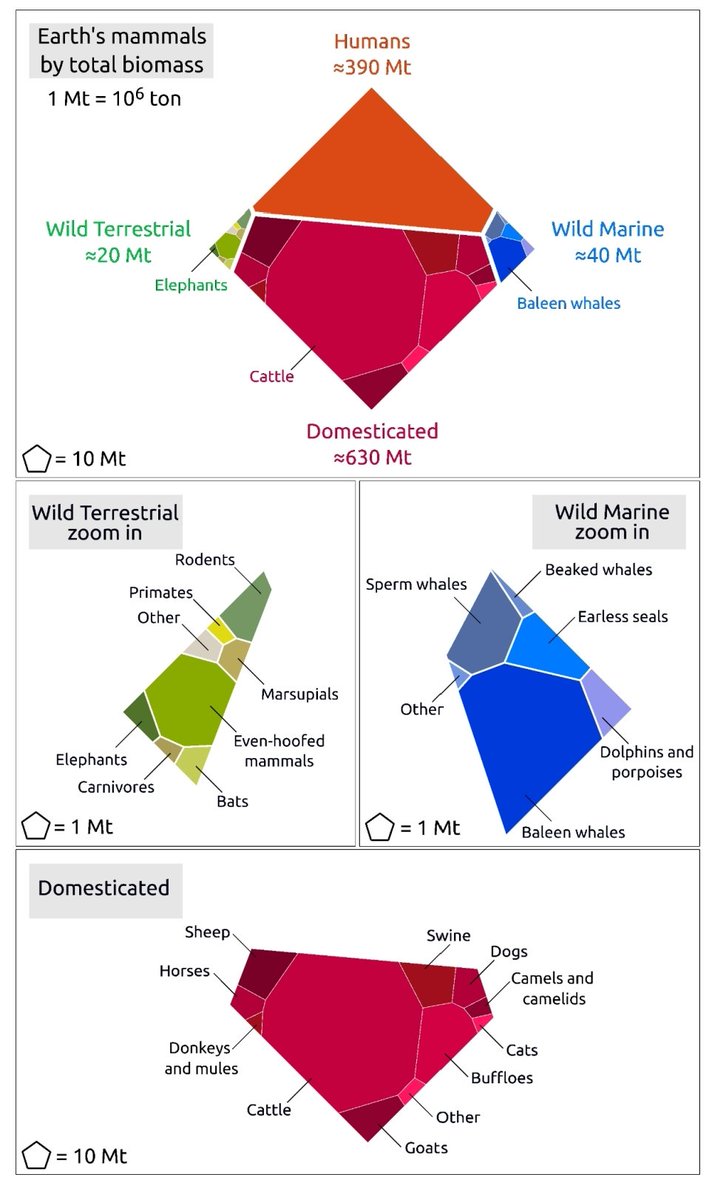
The global biomass of domestic cat doubles that of all terrestrial carnivores combined (wolves, tigers, otters, foxes... ALL!!!)
I knew about crazy livestock figures, but this is shocking. And dog numbers are 10 times larger
https://t.co/iiW3wFyF5C
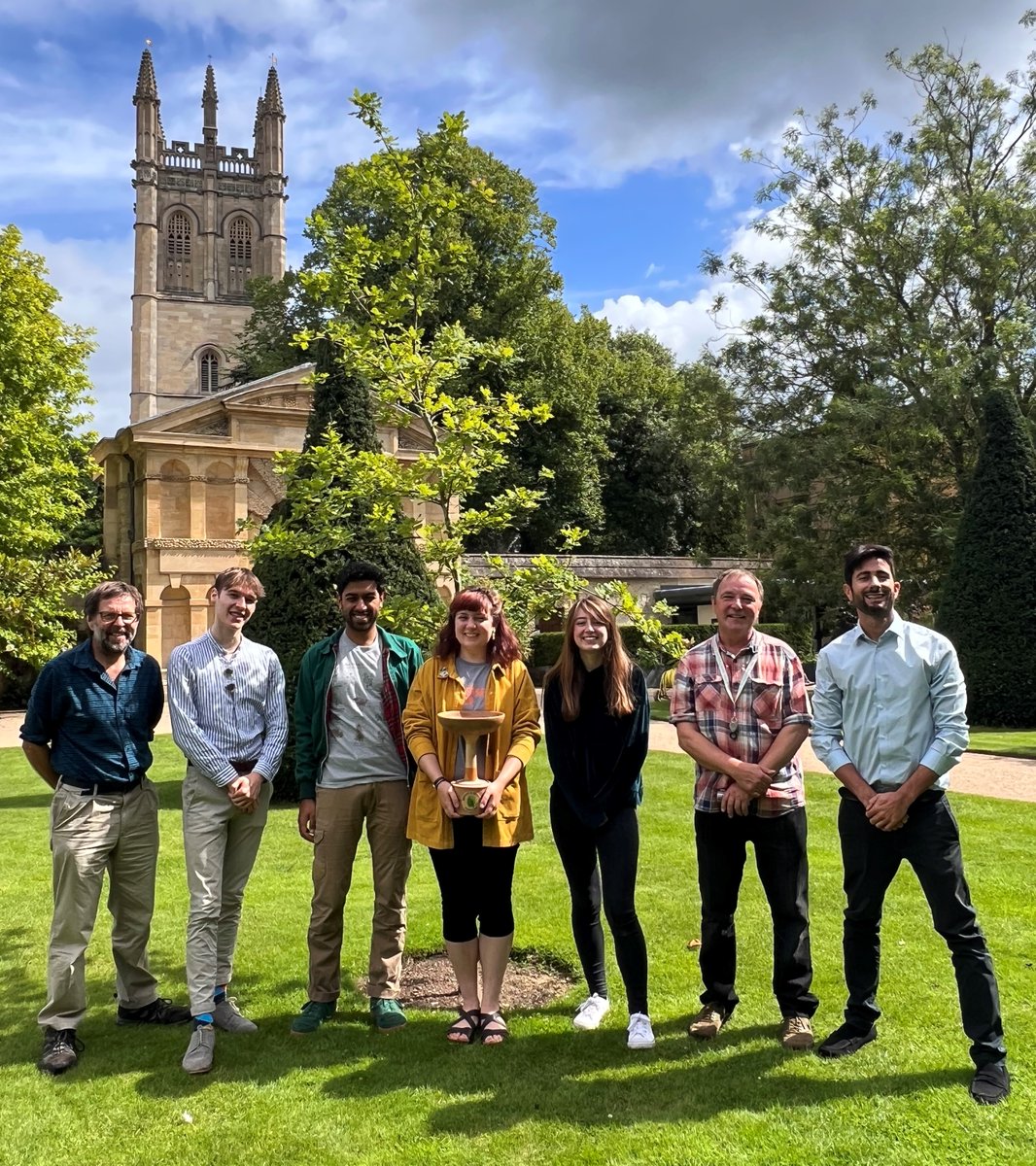
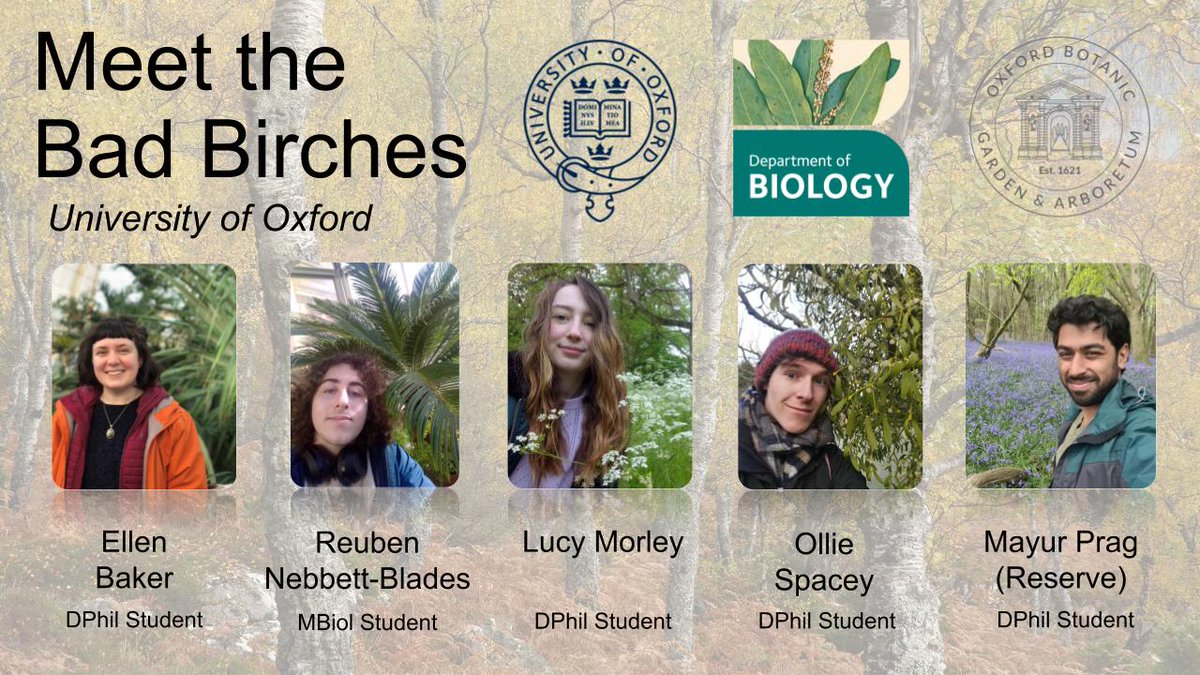
Meet the Bad Birches team in Botanical University Challenge #BUC2023 from University of Oxford @UniofOxford. Returning to the competition this year with team members @RubusCaesius3 @EllenCBaker@biolliegist@MPrag and others. Remember free tickets at https://t.co/SNVWtfOpy2 1/2
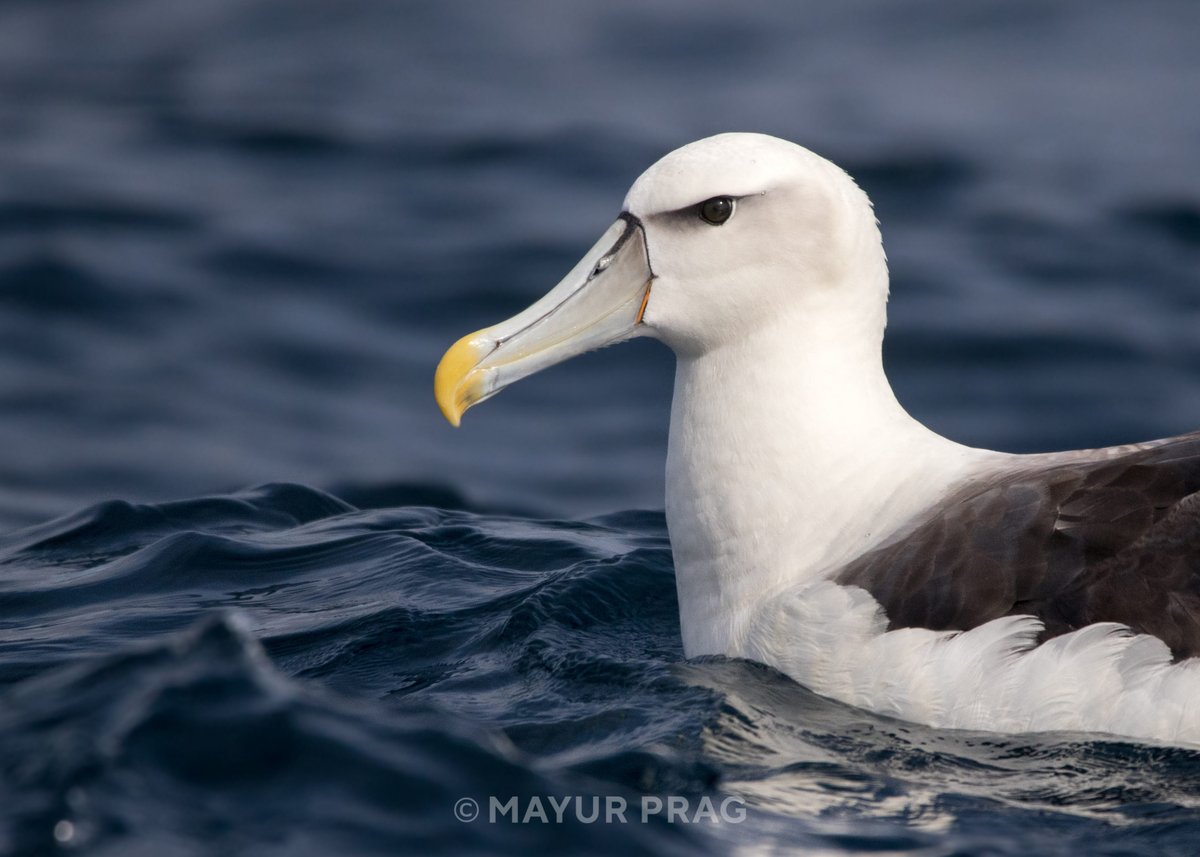
We are back this month with a #SeabirdShowOff from @MPrag, an evolutionary biologist who spends his weekends introducing people to the diversity of seabirds offshore of Cape Town as a guide for @capetownpelagic.
After some amazing recaps, we are back next month with a new #SeabirdShowOff featuring photos by @MPrag, an evolutionary biologist who is a guide for @capetownpelagic.
If you are artistic and seabird inspired, send us a message or get in touch to be featured in the future!
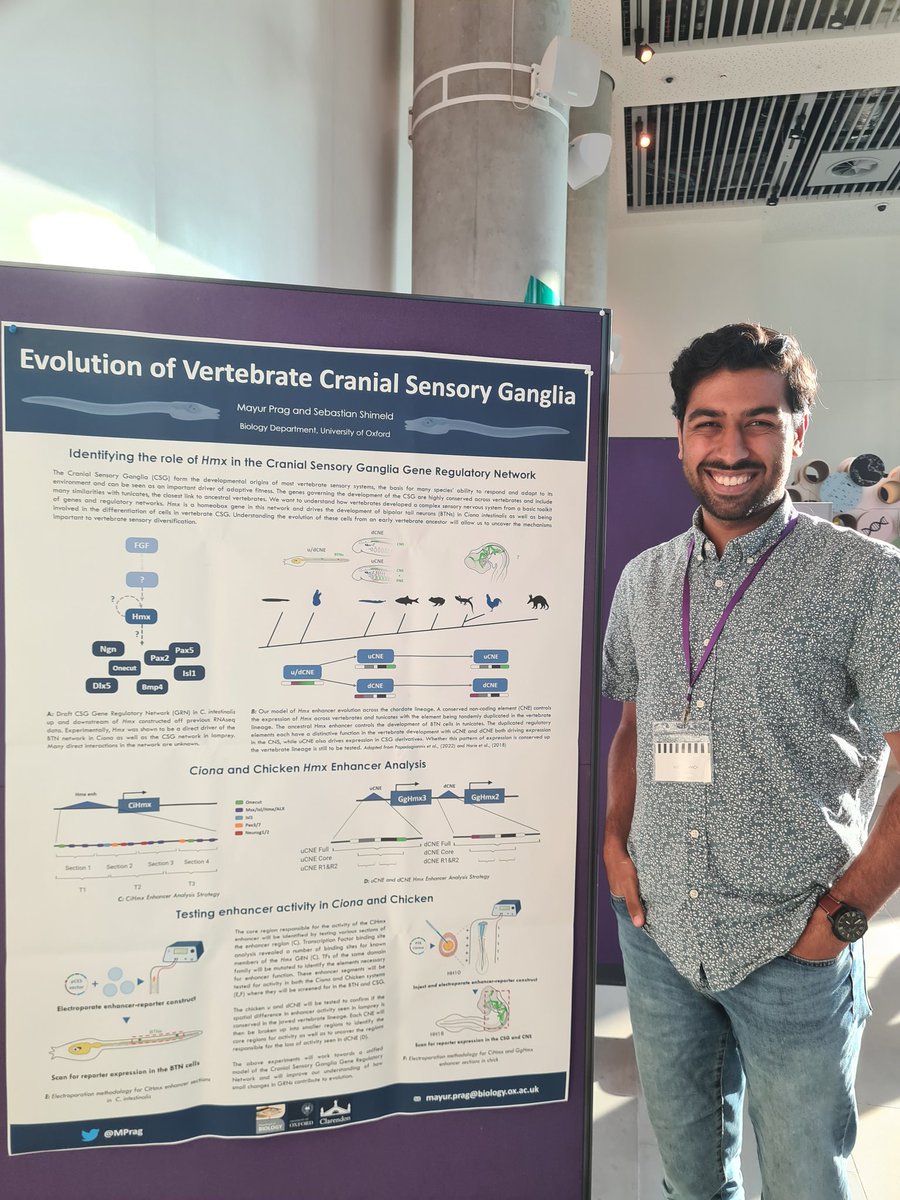
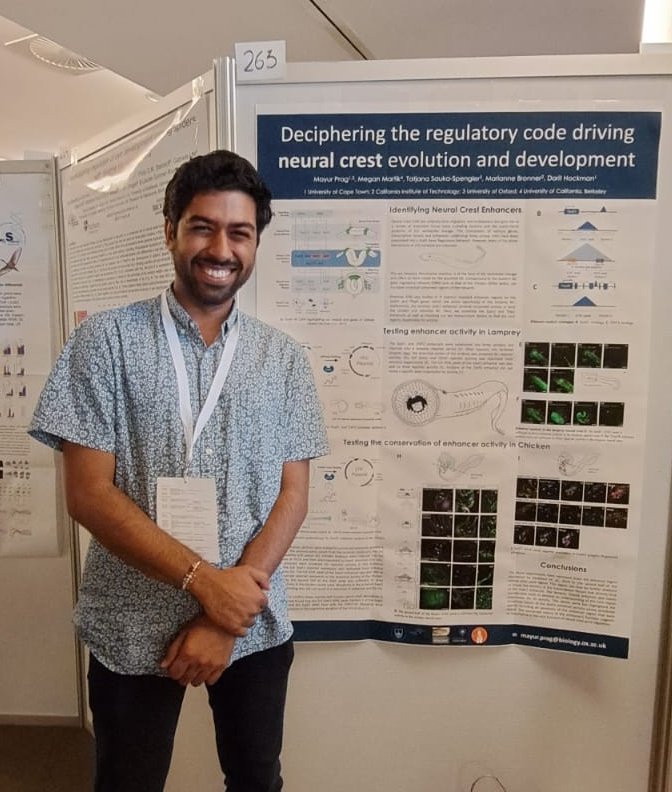
Excited to be presenting my Master's work at #ISDB2021 looking at the evolution of the neural crest GRN with @DoritHockman and remembering a great summer working with lampreys in the @BronnerLab
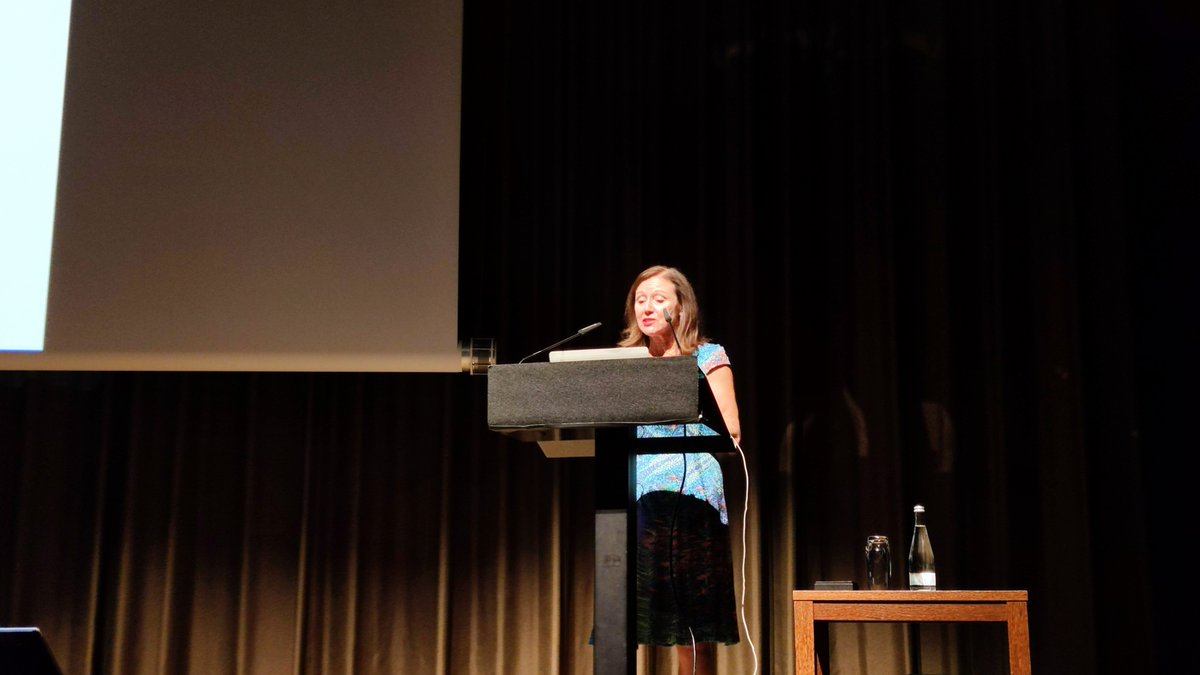
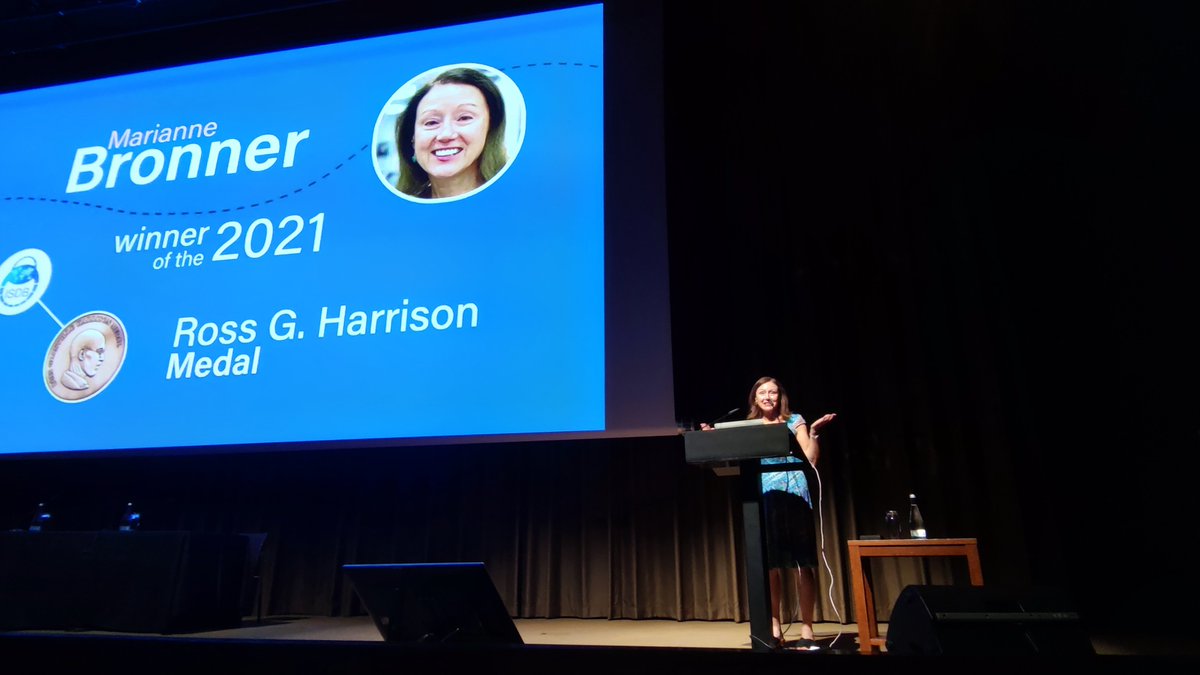
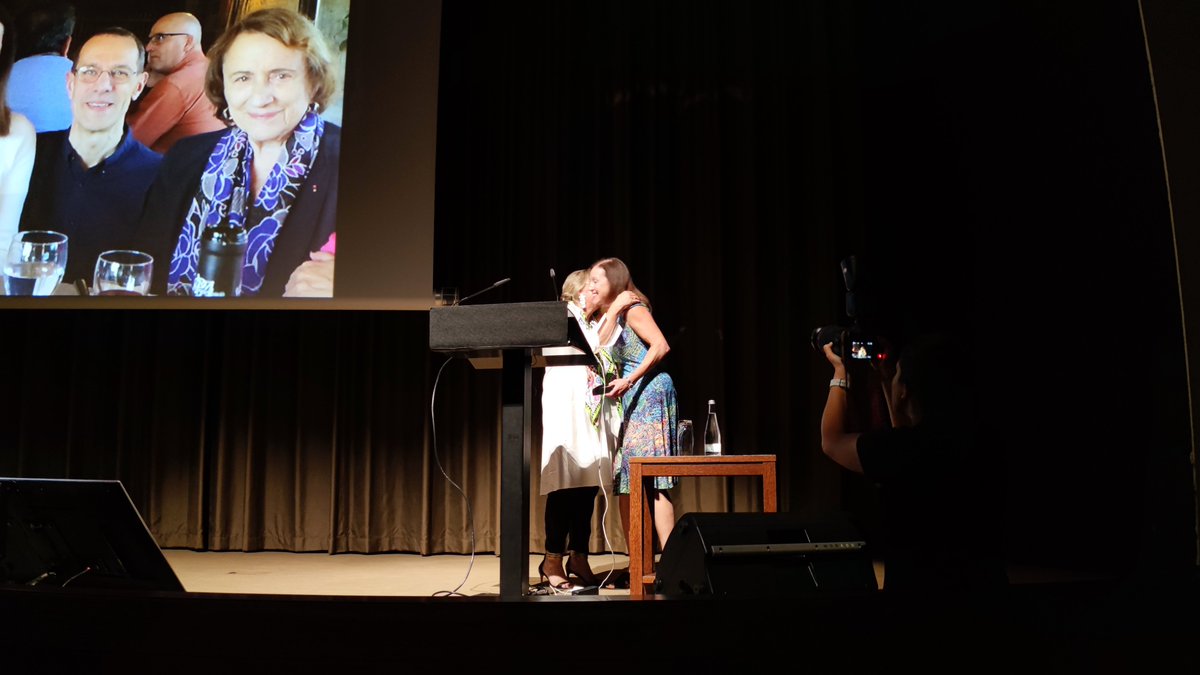
Marianne Bronner was awarded the Harrison Medal Award for her scientific contributions over her prolific career and for nurturing our #DevBio community! 🏅Congratulations @BronnerMarianne 👏
#ISDB2021