FERRITIN HIGH, TSAT LOW?
High ferritin doesn’t always mean iron overload!
• Low ferritin + low TSAT → Iron deficiency
• High ferritin + low TSAT → Inflammation-related iron restriction
• Normal ferritin + low TSAT → Possible masked iron deficiency
• High ferritin + high TSAT → Evaluate for iron overload
Clinical pearl: Ferritin rises with inflammation. Interpret it alongside TSAT and clinical context.
#Rheumatology #IronDeficiency #Ferritin #Anemia #MedicalEducation @IhabFathiSulima
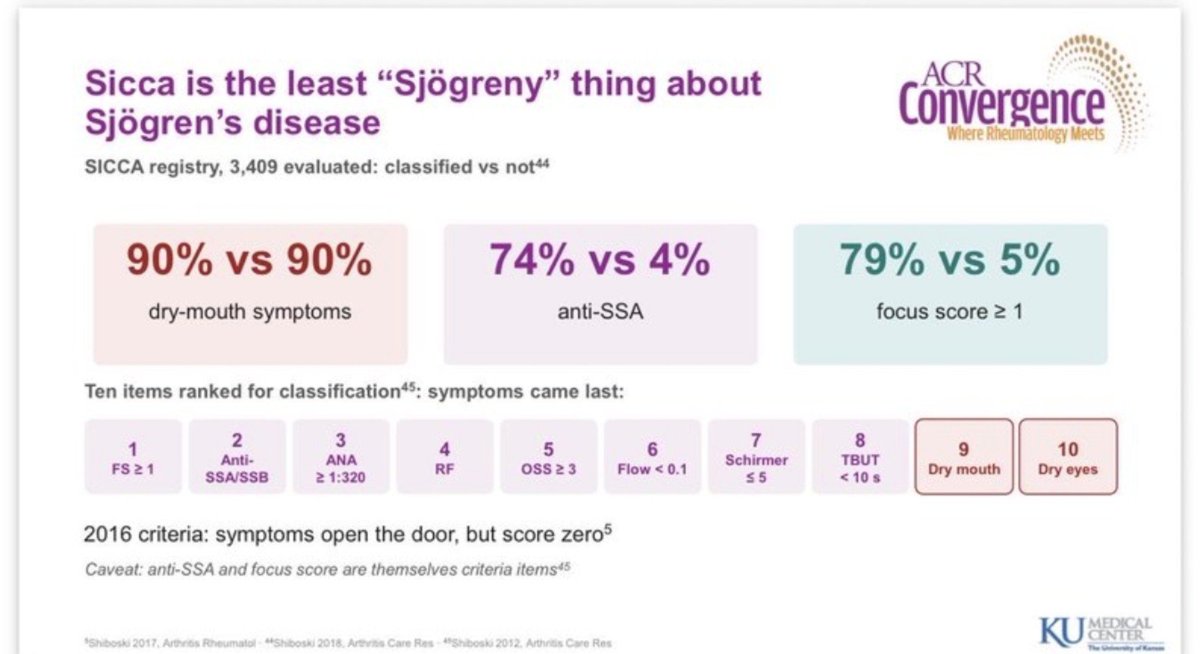
"El síndrome seco es lo menos Sjogrenesco de la enfermedad de Sjogren"
🥹🥹
Años esperando las autoridades lo reconocieran
Hasta el 70% de los pacientes jovenes con Sjogren no tendran sindrome seco y el sx seco es muy comun en pacientes SANOS de mayor edad.
¿Por qué Valsalva aumenta el soplo de la miocardiopatía hipertrófica obstructiva (MCHO), pero disminuye el de la estenosis aórtica (EA)?
La clave está en la precarga.
Valsalva ↓ retorno venoso y ↓ tamaño del VI.
En la MCHO, una cavidad más pequeña favorece el movimiento sistólico anterior de la válvula mitral, estrecha el tracto de salida y ↑ la obstrucción dinámica.
En la EA, la obstrucción es fija. Al ↓ la precarga, ↓ el volumen sistólico y el flujo transvalvular. Esto ↓ la velocidad del flujo y la turbulencia a través de la válvula estenótica, atenuando el soplo.
MCHO: menos precarga = más obstrucción dinámica.
EA: menos precarga = menos flujo a través de la obstrucción fija.
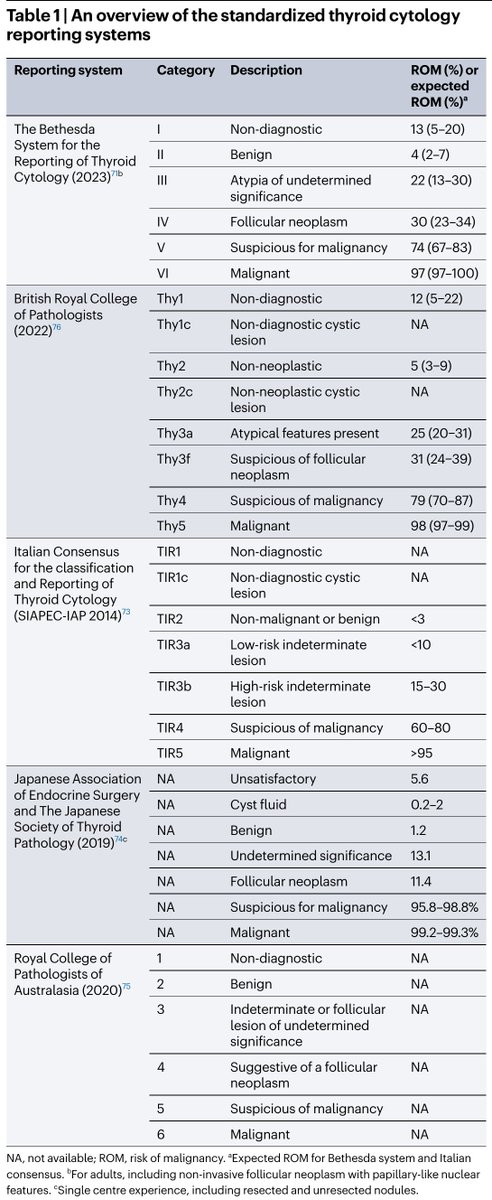
NÓDULOS TIROIDEOS: DIAGNÓSTICO Y MANEJO
⚜️Nature Reviews Endocrinology⚜️
📌Prevalencia ~25%; >90% benignos
✅Abordaje sugerido
💡Rasgos ecográficos de malignidad
📍Escalas de riesgo por US
📍Bethesda 2023 y otros sistemas
doi: 10.1038/s41574-024-01025-4
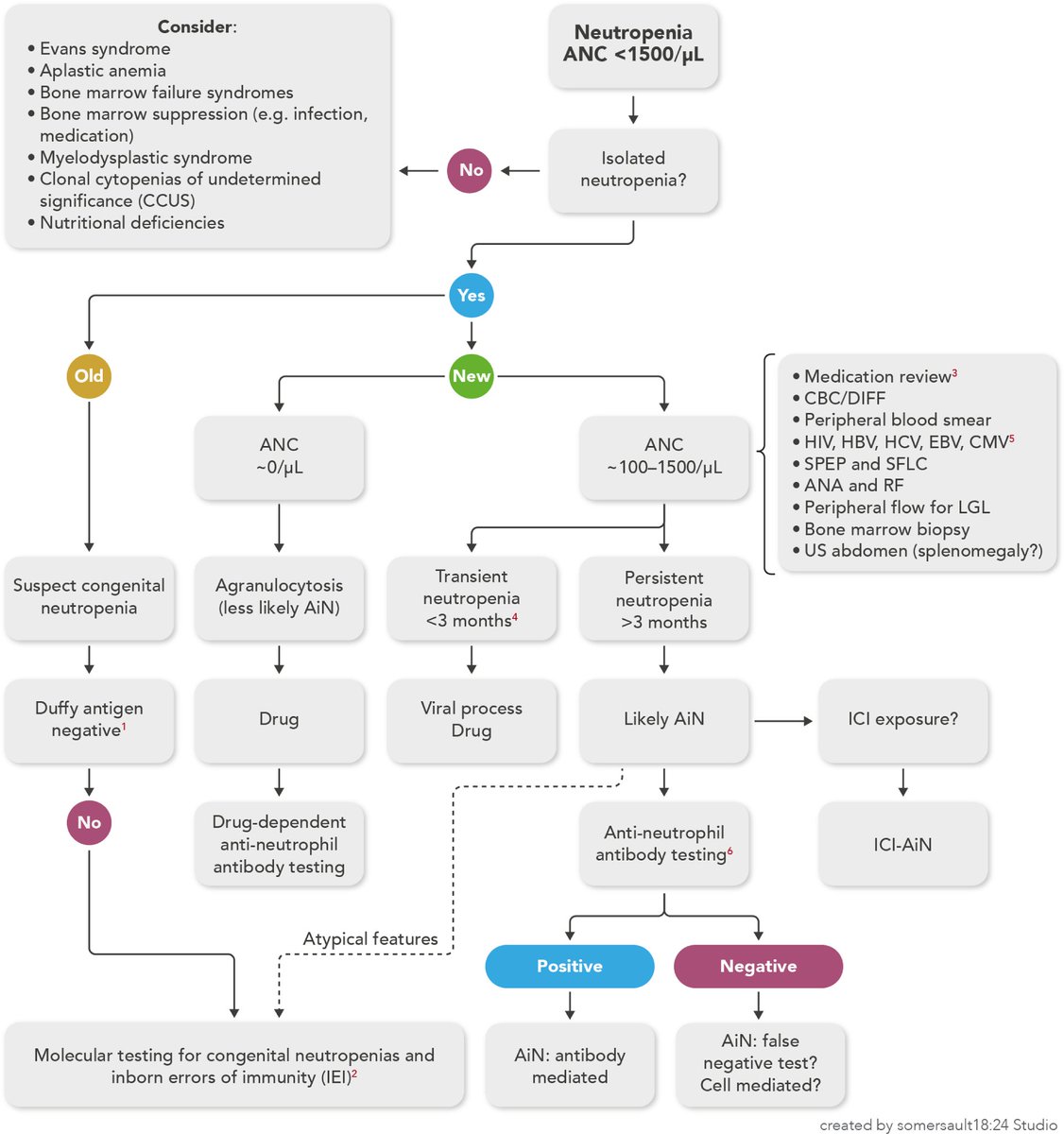
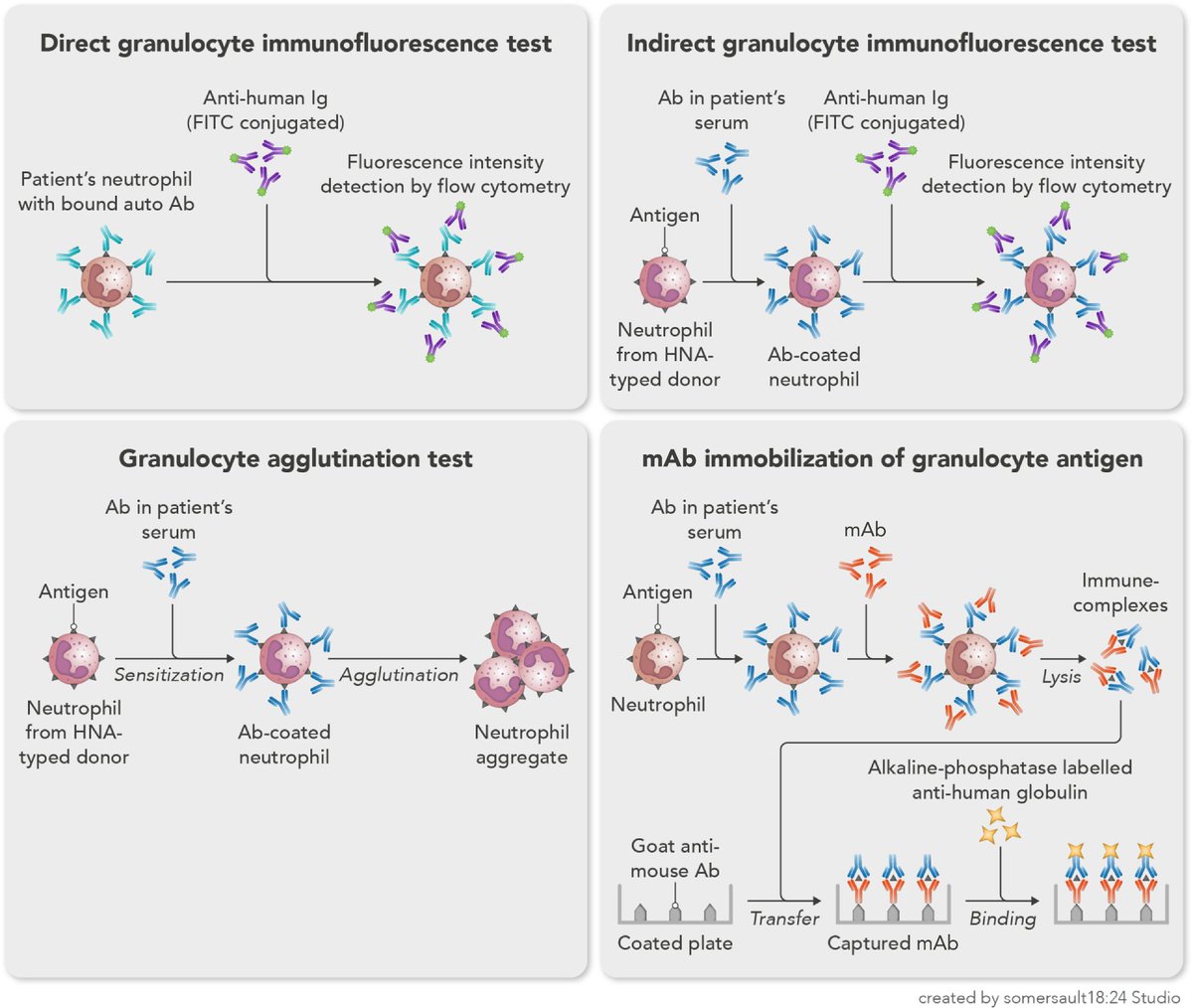
NEUTROPENIA AUTOINMUNE EN ADULTOS
➡️How I treat; Blood
📌+común en mujeres y con enf. autoinmunes
📌Ac anti-neutrófilo ➕ solo en ~50%
✅Algoritmo diagnóstico
💡Algoritmo terapéutico
📍Fisiopatología
📍Pruebas de Ac anti-neutrófilo
doi: 10.1182/blood.2025031311
Preoperative medicine is not “medical clearance”: it is risk modification
Surgery challenges physiological reserve. Anesthetic-induced vasodilation, blood loss, fluid shifts, inflammation and postoperative immobility can expose cardiovascular, respiratory or metabolic vulnerabilities that remain compensated in daily life. The question before surgery is not simply whether a patient is “fit,” but which risks are modifiable and which outcomes matter to the patient.
In this review, Irizarry-Alvarado and colleagues challenge the ritual of preoperative clearance. They advocate a stepwise assessment anchored in symptoms, comorbid disease, medications, procedural risk and shared decision-making.
More testing does not necessarily mean safer surgery. Routine laboratory panels, electrocardiography, chest radiography and ischemia testing in stable, low-risk patients can generate incidental findings, delays and downstream procedures without changing management. New exertional dyspnea, decompensated heart failure, significant valvular disease or declining exercise tolerance, by contrast, demand focused evaluation because they may signal inadequate reserve.
Medication reconciliation is an intervention, not clerical work. SGLT2 inhibitors may increase perioperative ketoacidosis risk during fasting, anticoagulant interruption requires balancing bleeding against thrombosis, and GLP-1 receptor agonists prompt individualized aspiration-risk assessment. These decisions must account for the procedure and the patient rather than follow automatic rules.
Importantly, frailty and baseline cognition can predict vulnerability that age alone misses. Functional decline, delirium and loss of independence may matter as much as traditional cardiopulmonary complications. Prehabilitation, nutrition, anemia management and postoperative support should enter the discussion before the operating room.
This is a guideline-informed narrative review, not a trial demonstrating that any single assessment strategy improves survival. Its value is a change in clinical reasoning: avoid low-value rituals, identify actionable physiology and coordinate care.
A useful preoperative consultation does not certify the absence of risk. It turns recognized risk into a plan.
Reference 📚
Irizarry-Alvarado et al. 2026. JAMA Internal Medicine. https://t.co/6rycJ9mkBg
#PerioperativeMedicine #Anesthesiology #PatientSafety #ClinicalReasoning #EvidenceBasedMedicine
Voy a explicar OTRA VEZ cómo funciona el sistema de salud colombiano, porque veo que todavía hay gente convencida de que lo que le descuentan de la nómina debería ir directamente a su EPS (cambioamos de unos influencers ignorantes a otros y estos dizque defendían la salud). Va 🧵
Staphylococcus aureus (a.k.a staph or S. aureus) is a major bacterial germ that causes approx. 1 million deaths each year.
In @LancetMicrobe, authors summarise methods of detection, treatment, & prevention, as well as knowledge gaps for further study: https://t.co/MjTtx9i7uW
Nefrología que todo internista debe saber: FeNa y FeUrea no diagnostican por sí solas “prerrenal vs tubular”.
El riñón no conoce nuestras etiquetas.
FeNa <1% puede aparecer en situaciones distintas a hipovolemia.
FeNa >1% puede modificarse por diuréticos y contexto tubular.
Y FeUrea tampoco es una prueba perfecta de rescate.
Un metaanálisis 2026 encontró para FeUrea sensibilidad 74% y especificidad 78%, con heterogeneidad importante y certeza global baja.
Mi algoritmo:
Historia/hemodinámica → sedimento → trayectoria de Cr/diuresis → índices urinarios como apoyo.
📌 El error no es calcular FeNa o FeUrea.
El error es permitir que un punto de corte sustituya la fisiología.
📚 BMJ Open. 2026;16:e100875. DOI:10.1136/bmjopen-2025-100875. Metaanálisis; no RCT.
#MedicinaInterna #AKI
Lately, there’s something so exhausting about attending a professional or academic session. Idk what to call it but everything feels so same now. PPTs used to reflect personality. People would actually put thought into the design, wording, little details. There was subjectivity.
European Respiratory Journal: Pulmonary fibrosis is driven by chronic inflammation that links immune dysregulation to fibroblast activation, paving the way for targeted, personalised therapeutic strategies https://t.co/7NrmJqKtsm