Ep 285 – Resuscitative Hysterotomy with Caroline Leech at BASICs 2025
In this episode Iain Beardsell and Simon Carley talk with Caroline Leech at the BASICs Conference about resuscitative hysterotomy following maternal cardiac arrest....
https://t.co/oz35qhGHkh
Only if education could be this interactive ❤️🔥
I've had a looong wish to build something genuinely useful through vibe coding, and I finally did it.
A 3D human anatomy application built with @threejs using GPT 5.6 Sol.
It all started with a single design image that I created using GPT Image 2.0. I then used it to generate every 3D organ image, one by one.
Next, I converted each of those images into 3D models using @tripoai (and no, they didn't sponsor this 😄).
After that, I opened Codex, wrote a master prompt based on the design, and gave it the prompt, the design image, and all the 3D models.
Codex built the first version beautifully, but there was one big problem.
Every single 3D model was nearly 120-150 MB. That obviously wasn't practical for the web and was giving a performance of 16fps.
After a few iterations, Codex optimized each model down to roughly 2–5.5 MB while preserving the visual quality, reducing the total asset size from ~900 MB to just 28.6 MB. And each model loads on demand.
Along the way, Codex also generated those anatomical illustrations showing where each organ sits in the human body, and even created the interactive hotspot markers that explain different parts of every organ. It handled all of that.
The process wasn't exactly one shot, but it also wasn't difficult. You just have to do it step by step.
It genuinely felt like building something that could make learning anatomy much more engaging.
The inspiration came from @DilumSanjaya's 3D animal plant cell project. I remember seeing it and thinking, "I want to build something like this one day."
And I did it :D
Live: https://t.co/gIFgkj8UVB
Code: https://t.co/nijvyWcyxO
What do we really know about the erector spinae plane block after 10 years?
Our Open Access #review is now available in BJA Education.
https://t.co/KWCdiB8YGv
@DecassaiMD@Steve_Coppens@elboghdadly
New in EMJ - free open access:
Endovascular resuscitation: an expert practice review
A practical overview of REBOA, SAAP and ECPR for emergency physicians managing the sickest patients in shock or cardiac arrest.
Please read / comment / share
DOI: 10.1136/emermed-2025-215376
Point-of-care ultrasonography allows accurate assessment of the internal jugular vein in patients with intravascular #VolumeOverload.
💾 Save this video for your next clinical encounter.
🔗 Read the full article: https://t.co/IbjlBf2aEc
Closing out post. 🙏 for all the commentary.
✅ Severe AS & normal EF.
1st image: first beat is a post PVC cycle, third beat a PVC.
✅ Overlay of LVOT Doppler on main CW signal in all cycles rules out MR as a possibility.
✅ Notably post PVC cycle’s ejection time is shorter than next beat (see below- black & pink arrows). SV did increase in 1st beat (larger LVOT signal on VTI- visually) associated with ⬆️ contractility (higher PG of AS).
✅ The Anrep effect, a delayed adaptive response to ⬆️ in afterload (AS), results in increased contractility and prolonged ET (average decrease in ET after AVR is ~70 msec). Anrep effect (a slow force response) works best with regular rhythms.
✅ The reason for a shorter ET after post PVC potentiation
of LV contractility is unclear in this example. Would like to hear comments! As always, #echofirst crowd is magnificent.
@argulian@echo_batman@NMerke@dr_benoy_n_shah@DavidWienerMD@StellEkaterina@iamritu@bwoody58
Ultrasound Corner: Differentiating Acute Pulmonary Edema and Asthma With the Lung Curtain Swing vs Time Graph: A Novel Application of Anatomical M-Mode Evaluation of Lung Swing
Read more in the February issue of the journal CHEST®: https://t.co/IdtTbQGEon
#MedEd#JournalCHEST
*VALVE CASE OF THE MONTH*
Early 40s, admitted with exertional CP and one episode of syncope
Loud systolic & diastolic murmurs
Here's the first PLAX view on TTE
#echofirst
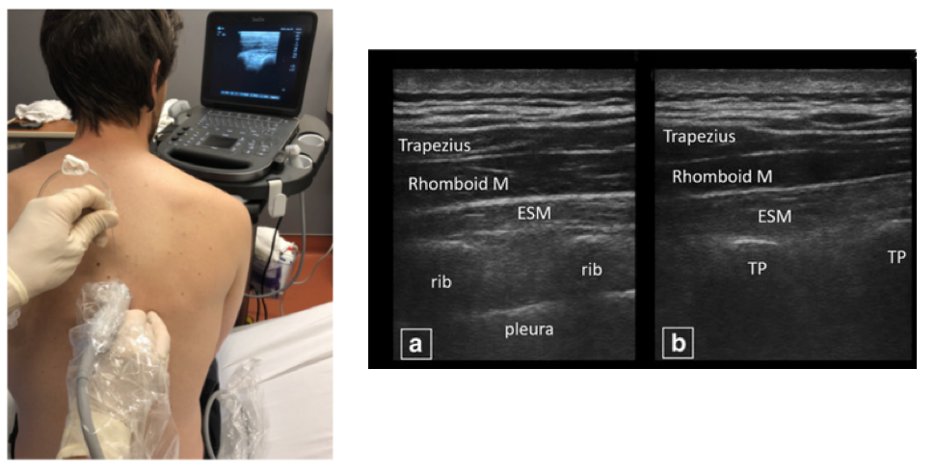
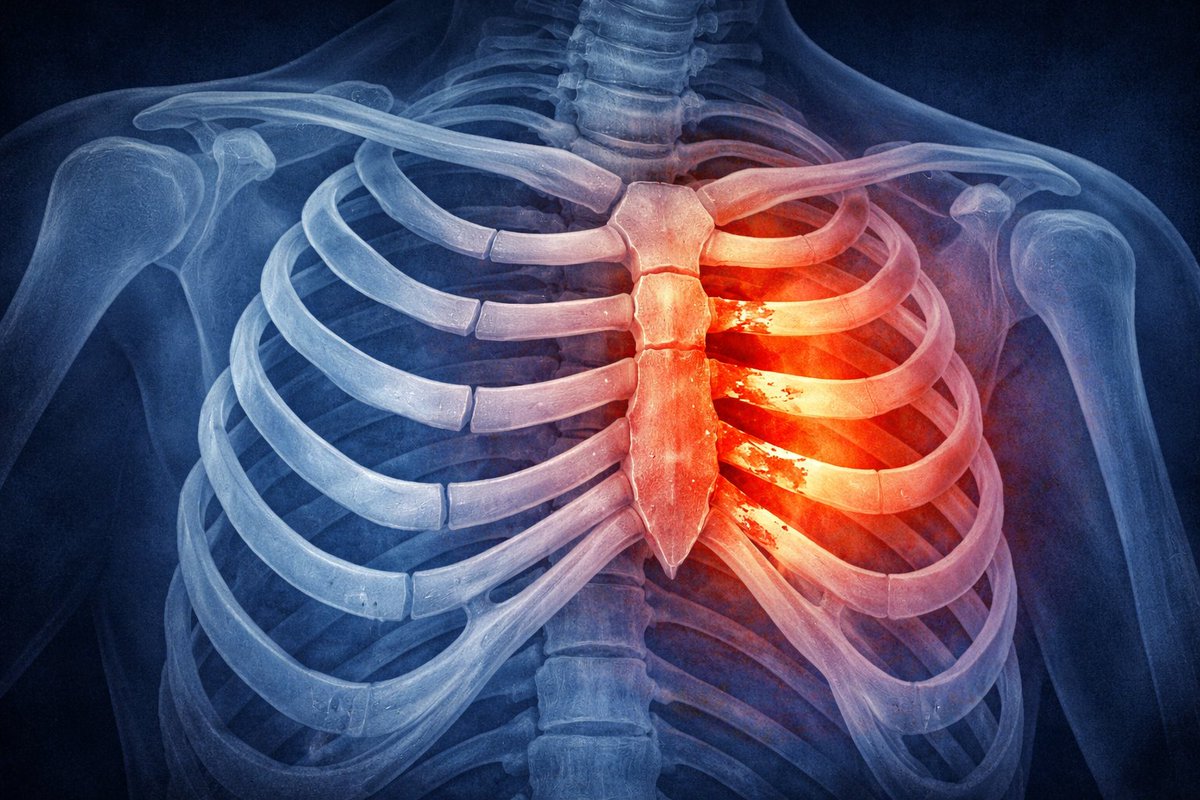
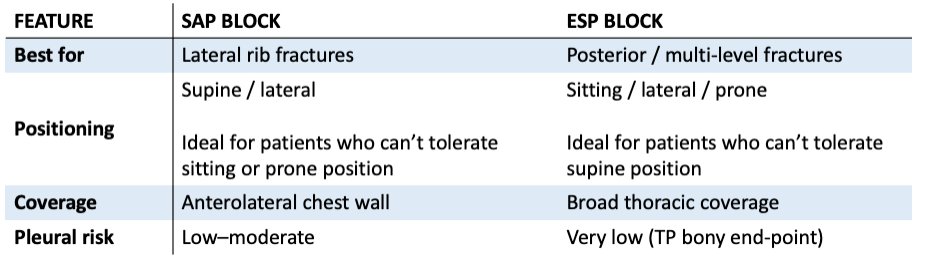
🫁 Rib fracture pain isn’t “just uncomfortable”, it can be quite painful and potentially harmful when undertreated.
Learn how to use PoCUS-guided:
✅ Serratus Anterior Plane blocks
✅ Erector Spinae Plane blocks
https://t.co/ZQAIvOpv0q
Spoon fed guide on the blocks in order to help improve ventilation, improve pain, reduce opioids, and change patient trajectories.
Welcome back to day 28th of #scanuary !
It's a month-long marathon of daily tweetorials about #POCUS & its uses
Today we are going to discuss one of my favourite topics
Acute pain management in ED
How ultrasound competency is a key skill in providing good analgesia
If you find the post useful, please like & retweet
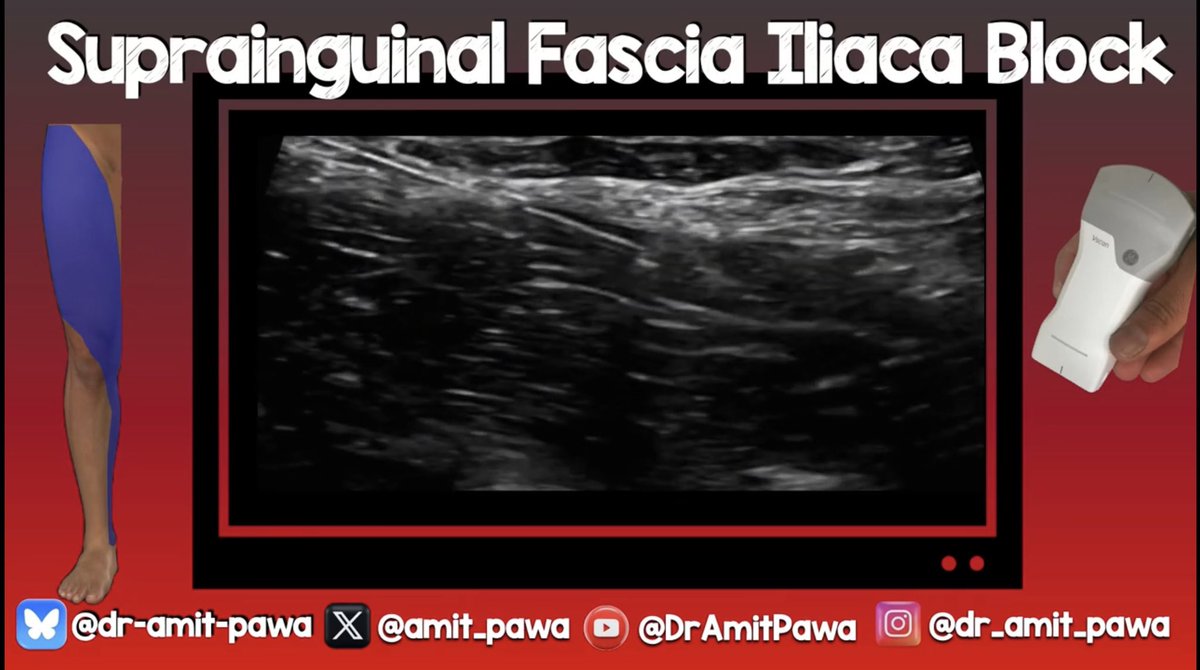
My latest update to the Serratus Anterior Plane Block Video is here:
https://t.co/RqGhcQSWo4
Again- this will feature in my lecture at @Assoc_Anaes#WSM2026