Scientists find that an old deworming drug can reduce malaria transmission when given in mass at the right time. #KEMRI_WELLCOME#ISGlobal#UNITAID https://t.co/kZUbHfN5s1
Happy to share our work on phenotypic and genotypic insecticide resistance of malaria vectors in Coastal Kenya. Compared to 2017, resistance is increasing and is now present in main species. Evidence supports the use of PBO nets.
https://t.co/ohDAolRpOX
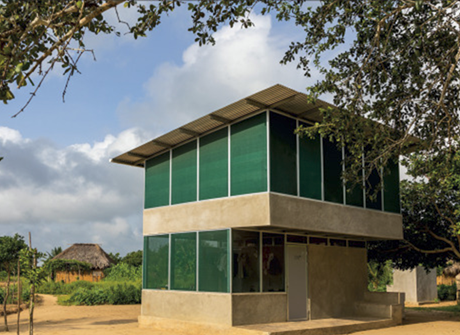
Two new studies from Tanzania showcase an improved house design that significantly reduces indoor densities of mosquitoes and filth flies, lowering the risk of malaria and diarrhoeal diseases compared to traditional rural homes .
~
In two new studies published in The Lancet Planetary Health and Parasites & Vectors journals, we evaluated the impact of a new house design, called the "Star Home," on malaria transmission in Tanzania. These homes incorporate features like metal roofs, screened doors and windows, and closed eaves to prevent mosquito entry, but are also well ventilated and air permeable. Compared to traditional housing, Star Homes significantly reduced the number of mosquitoes indoors and lowered malaria transmission risk among residents. This research highlights how improved housing design can serve as an effective, sustainable tool for malaria prevention, offering a complementary approach to existing methods like bed nets and insecticides. In this case, the houses were also very effective against domestic filth flies, meaning they may lead to a reduction in diarrhoeal diseases.
~
(The study was led by led by my colleagues Dr. Arnold Mmbando and Amos Ngonzi (@ifakarahealth) and Salum Mshamu (CSK Research); and was co-supervised by Profs. Steve Lindsay, Jakob Knudsen and Lorenz von Seidlein, with statistical support from Prof John Bradley and Dr. Halfan Ngowo @halfan30. It was part of a large collaborative clinical trial: https://t.co/GVr5ttP6Xg (NCT04529434))
~
Mmbando et al 2025: Effect of a novel house design (star home) on indoor malaria mosquito abundance in rural Tanzania: secondary outcomes of an open-label, household, randomised controlled trial: https://t.co/1wTTmbyZcr
Mmbando et al 2025: Effect of a novel house (Star home) and toilet design on domestic fly densities in rural Tanzania: https://t.co/dODfgRIG3Y
New publication argues that adding larval source management to existing malaria prevention methods can close protection gaps and sharply cut mosquito-borne diseases in Africa
~
Most malaria programs kill adult mosquitoes using bed nets and house spraying with insecticides, but these tools are weakening as mosquitoes increasingly resist the insecticides and sometimes bite outdoors. Recently, we worked with a group of nearly 50 scientists and vector control practitioners from around the world to make the argument that larval source management (LSM), which involves finding and treating or removing the water surfaces where mosquitoes breed, should be integrated as a key malaria control strategy in Africa. We integrated (a) expert consultations, (b) an analysis of countries that successfully eliminated local malaria transmission, and (c) a mathematical modeling exercise employing two distinct approaches to develop seven key recommendations for enhancing LSM as a strategy for controlling malaria and other mosquito-borne diseases in Africa.
Our final report advocates for increased funding, expanded LSM training programs, and more flexible WHO guidelines to facilitate the scaling up of LSM
~
Okumu et al https://t.co/dqV8JwX02h (Image by AI)
We had a wonderful tour and discussion in our #MosquitoCity@ifakarahealth with Dr Lutz Hegemann, President, Global Health & Sustainability at @Novartis. Amazed by the ongoing work and excited to see the longest mosquito tunnel, the 'Marathon Tunnel.'
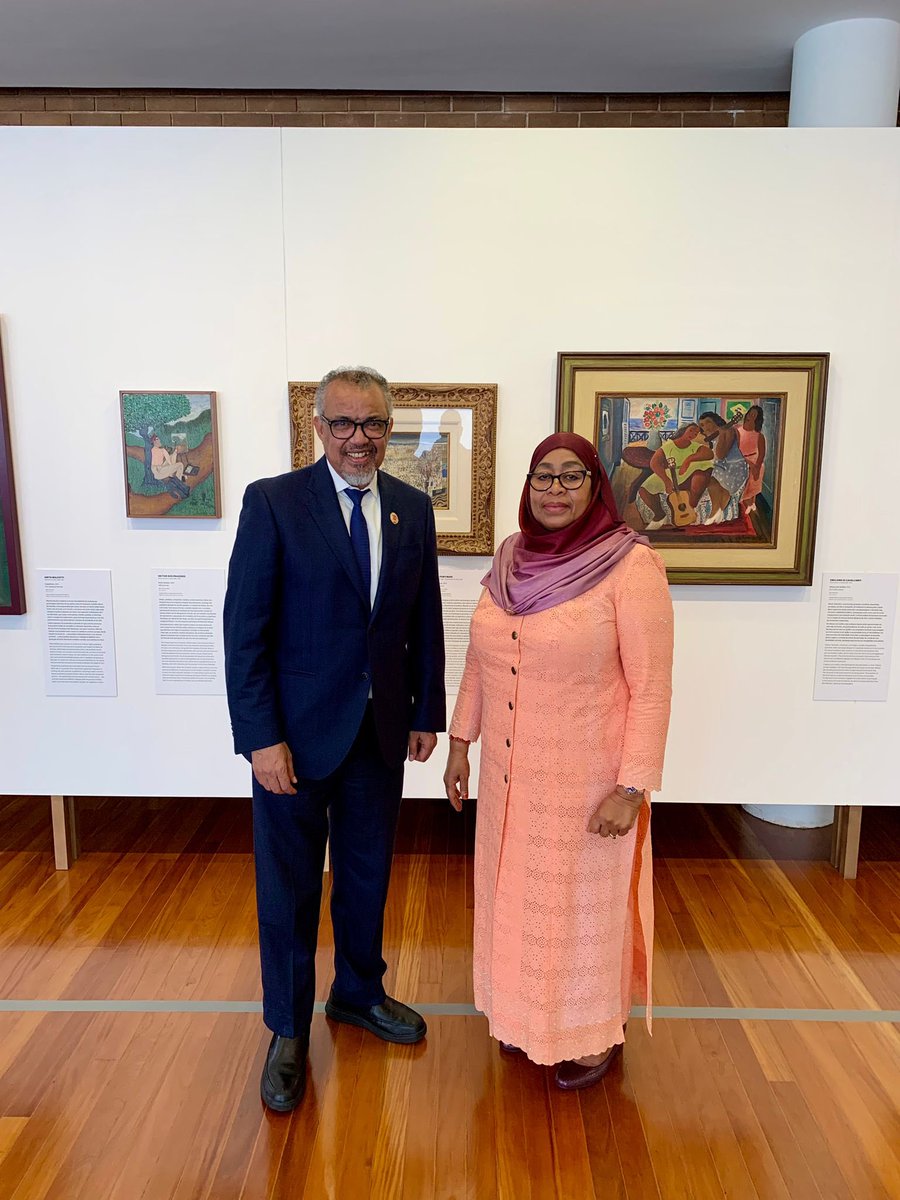
Had a very good conversation with my sister, President @SuluhuSamia, about #Tanzania’s progress towards universal health coverage and strengthening primary health care across the country. @WHO will continue to support Tanzania so that it achieves #HealthForAll. #G20
ELIMINATION:
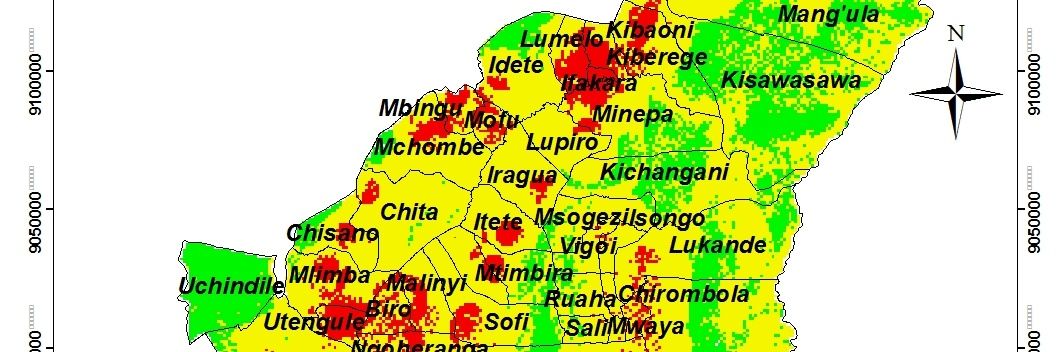
Leveraging maps for targeted malaria interventions 🗺️
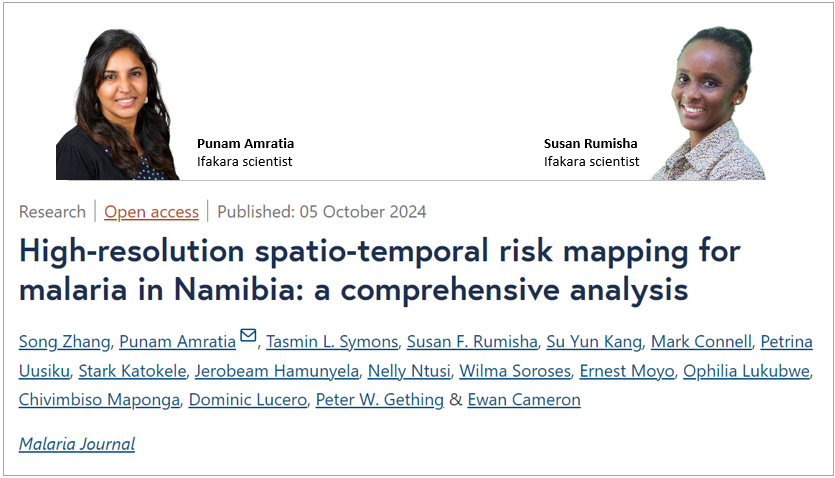
🎯 Targeting malaria with precision! 🦟 @ifakarahealth scientists Punam Amratia & Susan Rumisha have co-authored a study on how geospatial techniques can boost malaria interventions in Namibia 🇳🇦 & beyond. High-res maps are helping prioritize prevention efforts for faster elimination! 📉🌍
>> https://t.co/SqYliJIGvo
>> #IFAKARAnews #MalariaElimination #MalariaFree #GeospatialTech #MapForChange
🐍What is possible when you use Python in ArcGIS?
In Creating Python Scripts for ArcGIS, learn how to:
🟠Apply Python syntax rules to create robust scripts
🟠Use automation techniques to repeat geoprocessing tasks
🟠and more!
Sign up → https://t.co/64SDIao4yn
#ArcGIS#Python
🚨 New study: 20 years of molecular surveillance in Senegal shows rapid changes in drug resistance mutations.
The data showed concerning signs of emerging amodiaquine resistance in the country that could threaten future SMC-based campaigns.
Read: https://t.co/ZjTjjZ9Nif
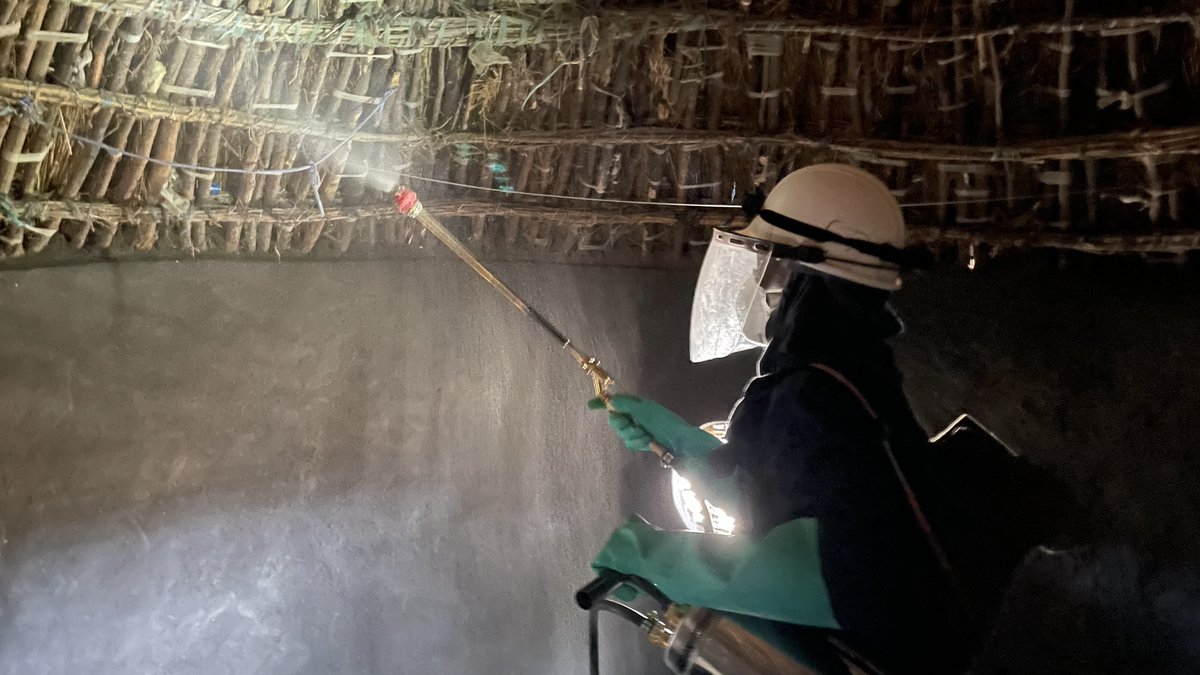
Resistance to the insecticides used on mosquito nets and sprayed in homes has been detected in mosquitoes in all PMI partner countries. That’s why @PMIgov supports countries as they monitor insecticide resistance to make sure the tools used to protect communities are effective.
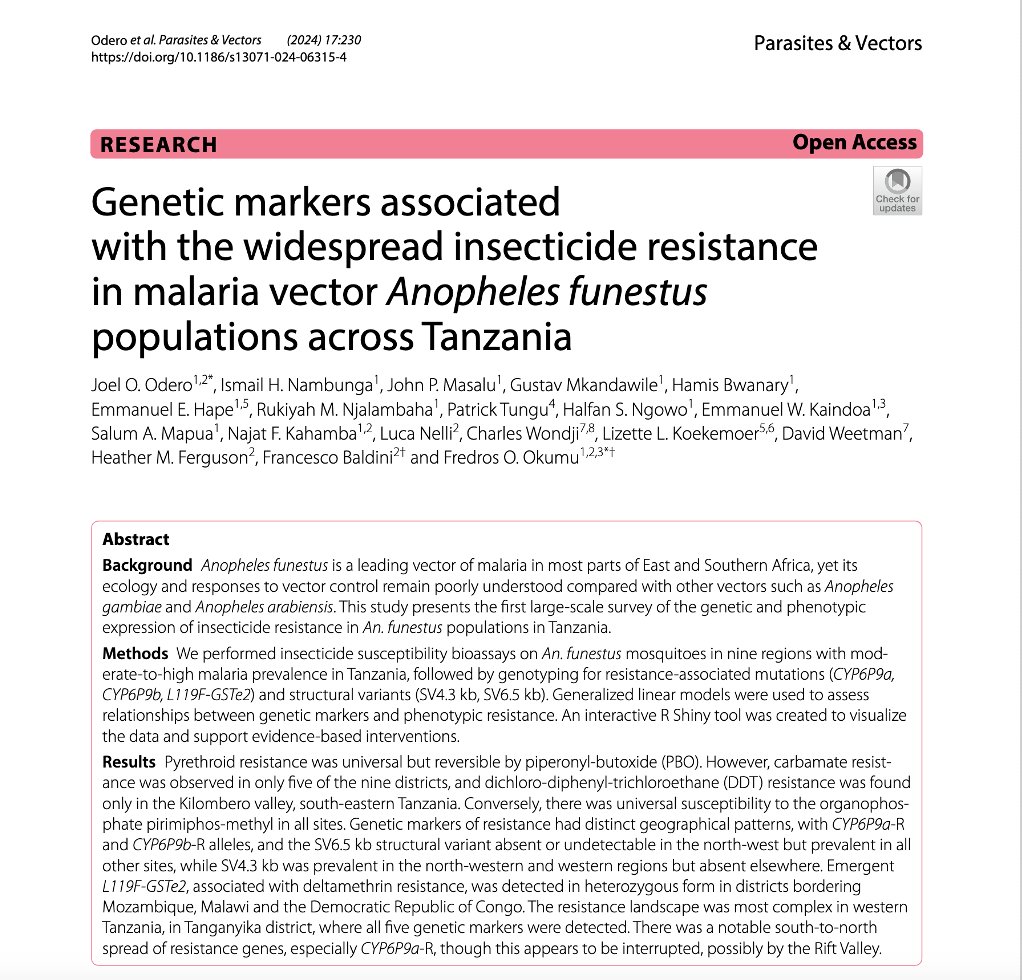
🚨🚨Our latest study (🔗https://t.co/6UhlQAF6mt) marks an important step towards understanding the distribution and evolution of insecticide resistance mechanisms in Tanzania. It will contribute significantly to evidence-based decision-making for improved vector control in TZ. 🧵
New research: @SadieRyan and colleagues find an overall trend of increased risk and geographic shifts among mosquito-borne diseases in Central and South America
https://t.co/g6WIHzWT9c
@DrAnnaStewart
📢 JOB:
Research Officer (2 posts) - Ifakara
@Ifakarahealth seeks a Research Officer to evaluate, diagnose, treat and manage patients with HIV and/or Tuberculosis at St. Francis Referral Hospital.
The Officer will also supervise and train younger colleagues on diagnostic workup and management of patients and collaborate within the existing research platform of the Kilombero and Ulanga Antiretroviral Cohort (KIULARCO) in Ifakara.
Applicants must have a degree in Medicine and be registered with the Medical Council of Tanganyika.
📌 Apply by February 9, 2024
More application details are in the link below:
https://t.co/yASmVbyVAm
>> #IFAKARAjobs