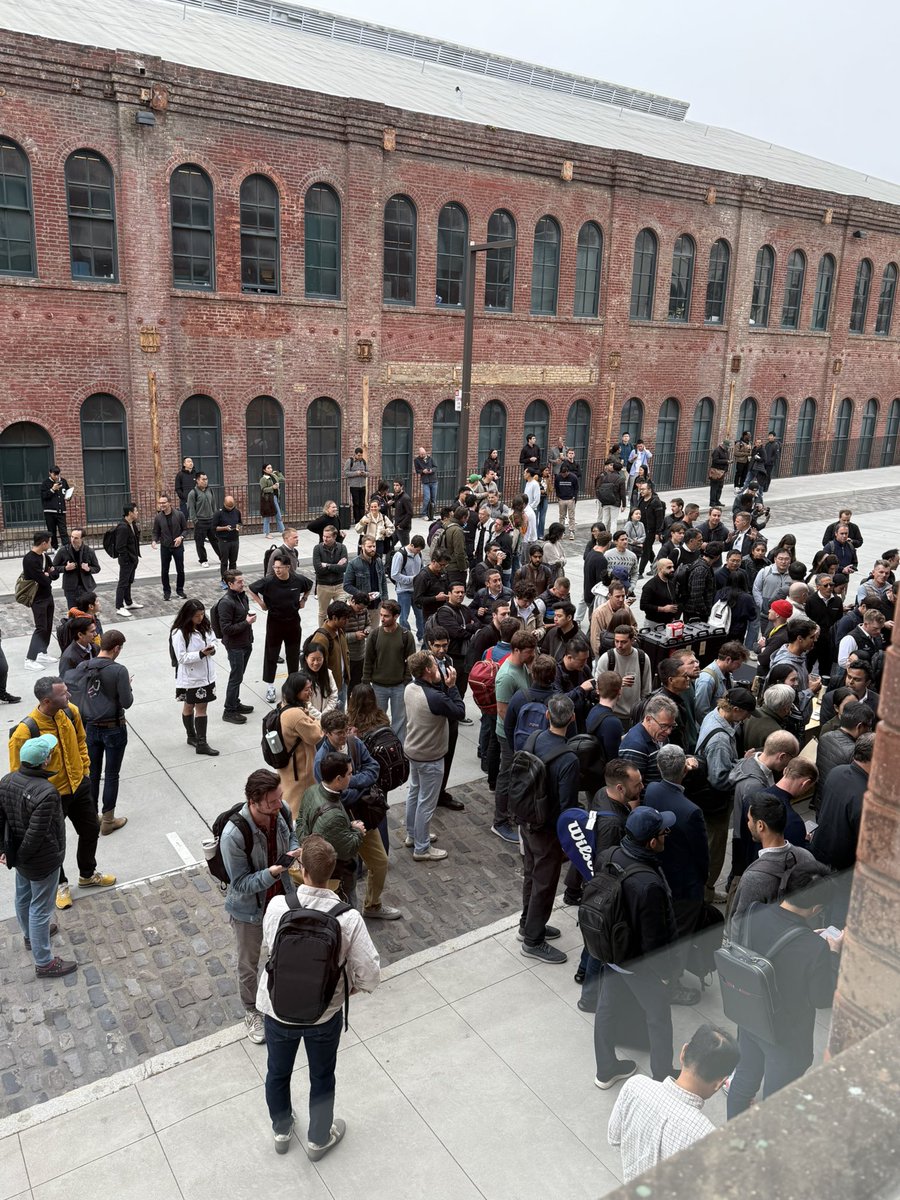
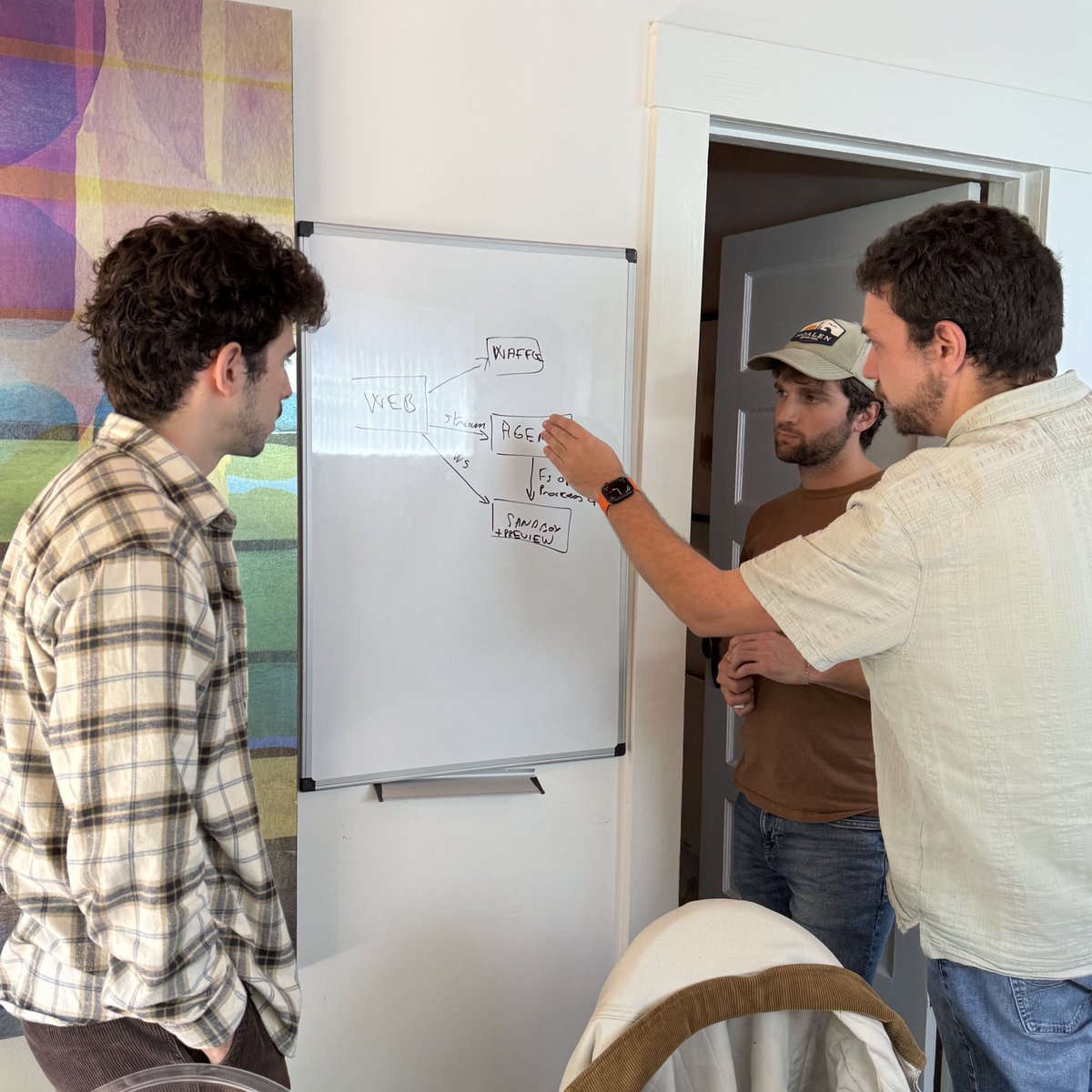
.@pfactorialz and I dropped out of our PhDs three years ago. We had to learn startups from the ground up through 6+ pivots, and kept going because it was always fun to work together.
We’re still academics at heart, and we’re excited to build out our own scrappy research team to ship models the best product teams will rely on.
Series A is just the beginning, join us!
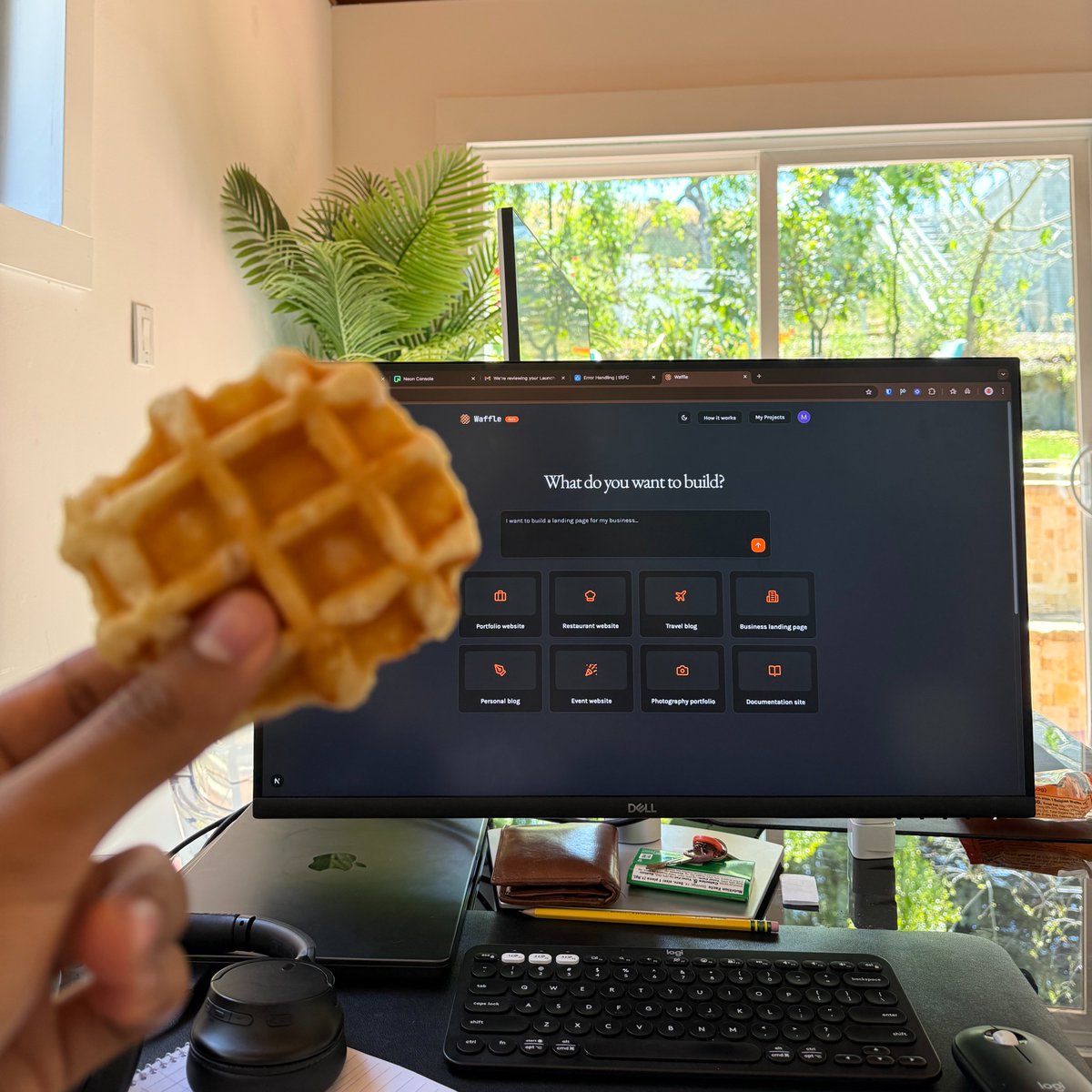
Waffle (@waffledotai) lets you build web apps without writing code. Prompt, edit, and publish.
No need to sign up for third-party services; all integrations are built in.
https://t.co/afyi6HrwwX
Congrats on the launch, @mxshra and @diogovddc!
# the nightmare bicycle
imo, the most important idea in product design is to avoid the "nightmare bicycle".
imagine a bicycle where the product manager said "people don't get math so we can't have numbered gears - we need to have labeled buttons for gravel mode, downhill mode, ..."
this is a hypothetical "nightmare bicycle" that Andy diSessa imagines in his book Changing Minds.
as he points out: it would be terrible! we'd lose the intuitive understanding of how to use the gears to solve any situation we encounter. which mode do you use for gravel + downhill??
turns out, anyone can understand numbered gears totally fine after a bit of practice. people are capable!
along the same lines - one of the worst misconceptions in product design is that a microwave needs to have a button for every thing you could possibly cook: "popcorn", "chicken", "potato", "frozen vegetable" bla bla bla.
you really don't! you can just have a time (and power) button. people will figure out how to cook stuff.
good designs expose systematic structure; they lean on their users' ability to understand this structure and apply it to new situations. we were born for this.
bad designs paper over the structure with superficial labels that hide the underlying system, inhibiting their users' ability to actually build a clear model in their heads.