See Government’s own policy allows E&P companies to sell up to 35% of eligible gas to licensed third parties to promote competition, improve cash flows, attract investment and reduce circular debt.
Now to protect the Power sector from utility death spiral, it's imposimg levies.
1. The Captive Levy is undermining Pakistan’s gas-market reform, industrial competitiveness and energy security. Its application to Third Party Access gas is particularly indefensible because TPA gas is supplied through privately negotiated shipper-consumer contracts under regulated open access.
@CMShehbaz@MIshaqDar50@betterpakistan@Financegovpk@akleghari@AliPervaiz450@jam_kamal@BilalAKayani@IhsaanaKhan@sifcpakistan@imf_pakistan
2. Extending the levy to such transactions suppresses price discovery and discourages private LNG imports, direct E&P sales and competitive gas contracting.
3. The levy has accelerated industrial gas-demand destruction, reportedly approaching 300 MMCFD, and contributed to the closure of around 170 mills. This is deindustrialisation.
4. It has also weakened SNGPL and SSGC by driving out high-recovery, high-load-factor industrial consumers, reducing throughput and spreading fixed network costs across a shrinking customer base.
5. Lower industrial offtake further intensifies circular debt, delays payments to E&P companies and discourages indigenous gas development. By penalising efficient gas-based distributed captive engines that support solar PV integration, recover waste heat, provide reliable baseload energy and maintain process continuity, the levy raises export costs and erodes competitiveness. It should therefore be withdrawn, at minimum for TPA gas, process use and efficient RLNG-based distributed generation, because
6. Pakistan needs gas-market liberalisation, private investment and competitive contracting, not non-causative fiscal charges designed to recover power-sector inefficiencies through industrial gas bills.
In my latest article for Energy Flux, co-authored with Seb Kennedy, we examine how Pakistan’s estimated 50 GW solar buildout has rewritten the economics of LNG, power generation and energy infrastructure.
@PakPMO@akleghari@AliPervaiz450@betterpakistan@ira_joseph@retailLNG@SusanSakmar@Peter__Wood@MusadaqZ
The solar fleet could produce around 54.75 TWh annually, a gross energy equivalent of 1.279 Bcfd of gas-fired generation, or roughly 140 LNG cargoes a year. Yet Pakistan still carries expensive terminals, pipelines and power plants, while its LNG portfolio may remain surplus by 368 cargoes during 2027–31.
Demand had become flexible, but the LNG portfolio had not.
How consumers built a parallel power system faster than the state could redesign the old one.
https://t.co/YPTS3EDNM5
مسلم لیگ ن کو فارم 47 کے کرائے پر حکومت ملی ہے لیکن یہ اپنے آپ کو مالک مکان سمجھنے لگے ہیں، پیپلز پارٹی کا نیا طعنہ
اگر ہم کرائے کی حکومت چلا رہے ہیں تو ہمارے ووٹوں سے آپ نے صدر پاکستان اور چیئرمین سینیٹ کے عہدے کیوں لئے؟ مسلم لیگ ن کا پیپلز پارٹی کو کرارا جواب
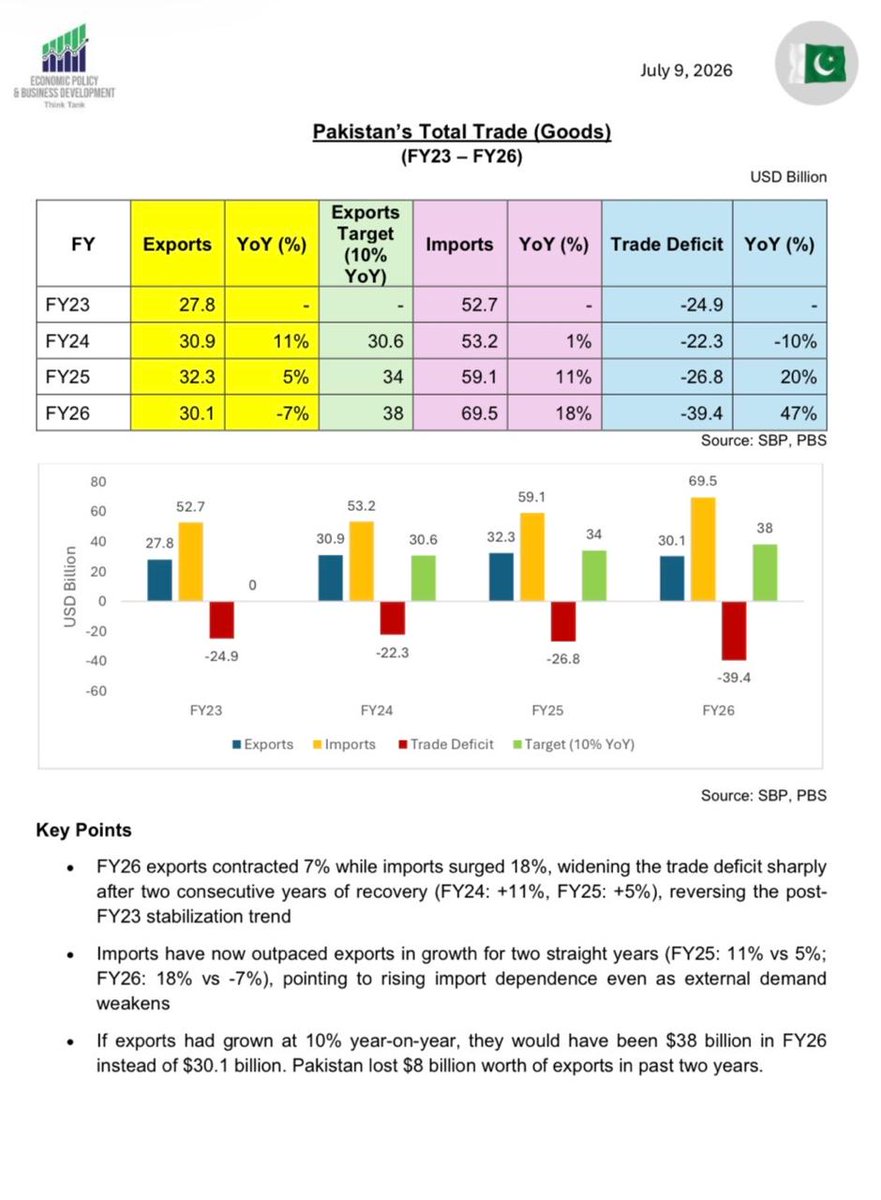
Exports Faltering, Trade Deficit at a Record high - Please WAKE UP Before it’s TOO LATE!
Pakistan set a target of 10% annual growth in goods exports starting June 2023. We achieved that target during FY2023–24, recording US$30.9 billion in goods exports.
Sadly, over the last two years since June 2024, we have lost focus and failed to sustain the targeted 10% export growth. As of June 2026, goods exports stand at only US$30.1 billion, i.e. US$800 million LESS than the US$30.9 billion achieved in June 2024.
As a result, Pakistan has lost an estimated US$8 billion in potential goods exports over the past two years while recording its highest-ever trade deficit of US$39.4 billion this year.
This Export Trend is not Sustainable!
#Trade #Export #Growth #Economy #Tradedeficit #Sustainable #Pakistan
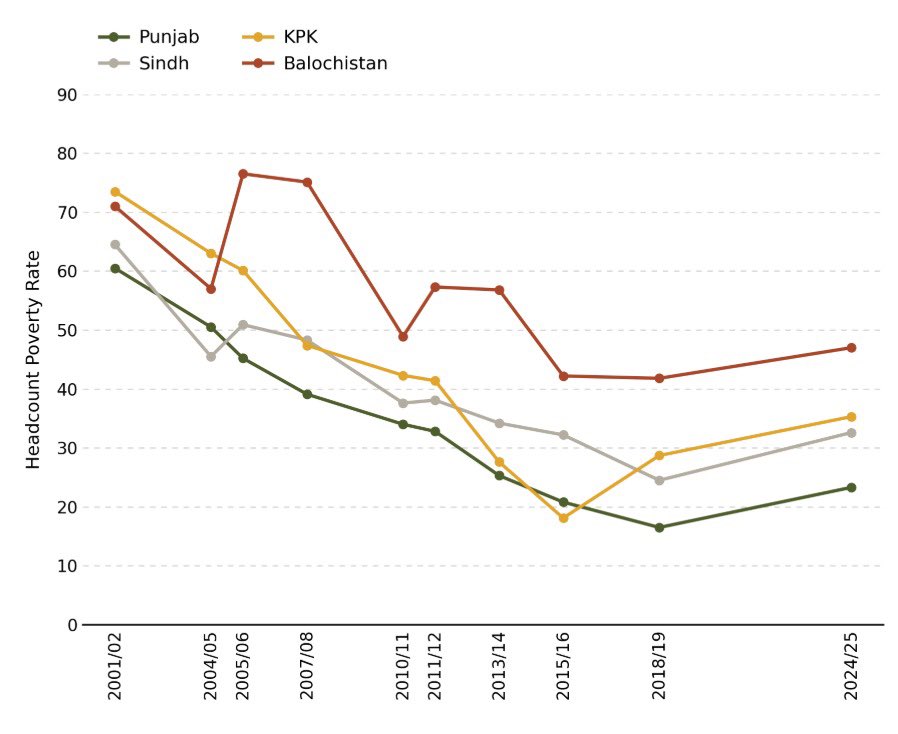
یہ گراف، جسے سب سے پہلے لمز (LUMS) کے ماہرِ معاشیات اور اے آئی (AI) کے ماہر @AliHasanain نے پوسٹ کیا تھا، یہ ظاہر کرتا ہے کہ پاکستان کے ہر صوبے میں غربت میں اضافہ ہوا ہے۔ غربت کی تعریف حکومت نے فی کس 8,500 روپے ماہانہ سے کم آمدنی کو کی ہے۔ تقریباً %30 پاکستانی اب اس سطح سے نیچے زندگی گزار رہے ہیں۔
چندمشاہدات:
1) 2015/16 سے اّج ہر جگہ غربت میں اضافہ ہو رہا ہے۔
2) پاکستان کے بیشتر اضلاع میں انتہائی غربت کا شکار لوگوں کی تعداد آج صدی کے آغاز (سن 2000) کے مقابلے میں زیادہ ہے۔
3) جب بات معیشت، صحت، تعلیم، اور خوراک و غذائیت کی ہو، تو پاکستان غلط سمت میں جا رہا ہے۔
4) میاں شہباز شریف کی حکومت کی چار سالہ کارکردگی، 1950ء کی دہائی کے اغازکے بعد سے کسی بھی حکومت کی بدترین معاشی کارکردگی ہے۔ (آپ جی ڈی پی، مہنگائی، بے روزگاری، سرمایہ کاری، غیر ملکی سرمایہ کاری (FDI)، برآمدات، گھریلو آمدنی، اور کھپت سمیت کسی بھی اشاریے کو دیکھ سکتے ہیں)۔
5) سابقہ لاڈلی اور آر ٹی ایس (RTS) کا فائدہ اٹھانے والی جماعت، جو کہ اس وقت سب سے بڑی اپوزیشن پارٹی ہے اور مئی 2023ء سے شدید ریاستی دباؤ کا شکار ہے، وہ اس وقت تک سب سے مقبول جماعت رہے گی جب تک پاکستان میں معاشی ترقی حاصل نہیں ہو تی۔
6) 'فارم 47' والی جماعتیں یہ بات جانتی ہیں، اور اسی لیے آج صوبوں اور وفاق میں کرپشن عروج پہ ہے اور حالیہ تاریخ کے مقابلے میں کہیں زیادہ ہے۔
7) سب سے اہم بات: ہمیں مستقبل کی طرف دیکھنے کی ضرورت ہے۔ پاکستان کو آگے بڑھانے کے لیے ہمیں اپنے آئین، نظامِ حکومت، اور حکومت کے سائز اور دائرہ کار میں بنیادی تبدیلیاں لانے کی ضرورت ہے۔ ہمیں پاکستان کی سمت بدلنے کی ضرورت ہے تاکہ ہم ہر سال غربت بڑھانے کے بجائے اسے کم کریں، جہالت بڑھانے کے بجائے اس میں کمی لائیں، آمدنی گھٹانے کے بجائے اس میں اضافہ کریں، اور صحت اور غذائیت کو مزید خراب کرنے کے بجائے اس میں بہتری لائیں۔
پٹوار خانے کا نیا پکوان !!
۱۸ سال والا شادی کر سکتا ہے، کاروبار کر سکتا ہے نوکری کر سکتا ہے بچے پیدا کر سکتا ہے بینک سے لون اپلائی کر سکتا ہے، کوئی نئی ایجاد کر کے Patent رجسٹر کروا سکتا ہے، بس ووٹ نہیں ڈال سکتا!!
بھائیوں ووٹ تو ۳۰ سال والے نے بھی آپکو نہیں دینی !
ایسے کریں الیکشن صرف فوج میں کروا لیا کریں کہ پانچ سال کس سیاستدان کو ملازم رکھنا ہے؟؟
SNGPL’s own LPG Air Mix schedule shows an additional revenue requirement of Rs 445 million on a sales volume of only 30 BBTU, implying a recovery of about Rs 14,833/MMBTU, or $51.86/MMBTU at the petition exchange rate. Even more striking, ROA alone is Rs 227 million, which constitutes 51.01% of the net requirement. Sold at dirt cheap price to the Residential Consumers.
This is efficient allocation of resources by the Government.
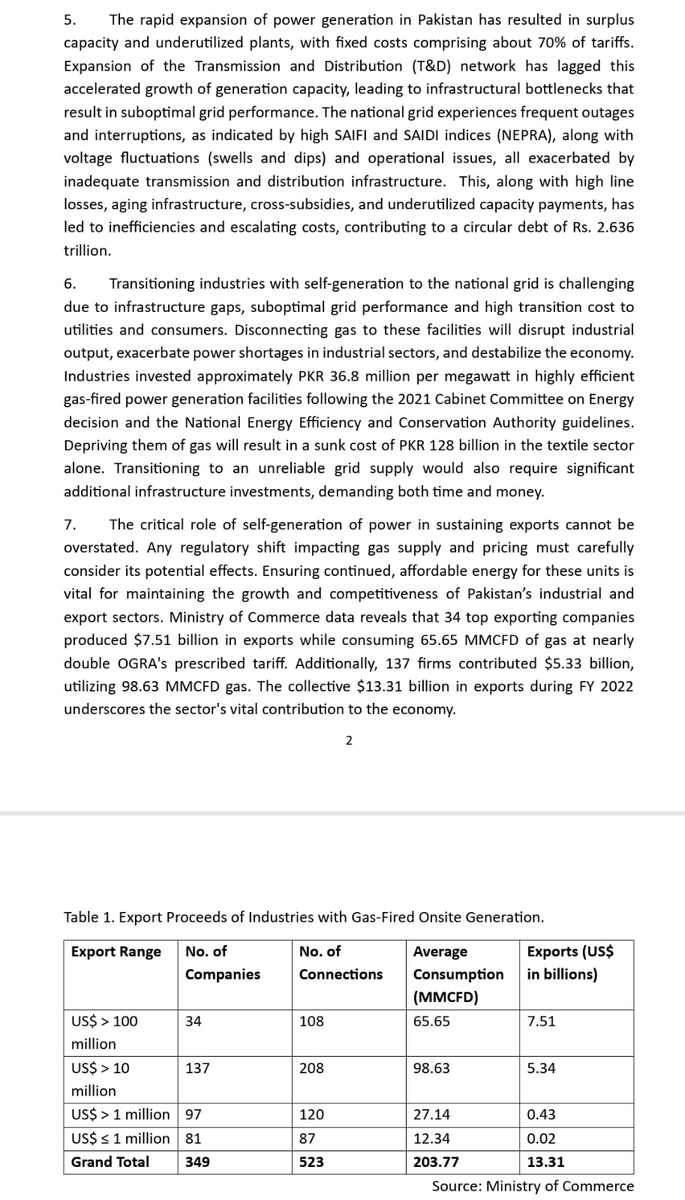
Industrial gas-based captive plants integrate renewables and cogeneration to reduce carbon intensity, support climate-target compliance such as CBAM, and sustain export competitiveness. Ministry of Commerce data shows that industries with gas-fired onsite generation consumed 203.77 MMCFD and generated US$13.31 billion in exports, while also cross-subsidizing the gas sector by more than PKR 100 billion through elevated gas/RLNG charges.
Despite this, the Government advised the IMF that captive use was an inefficient allocation of scarce resources.
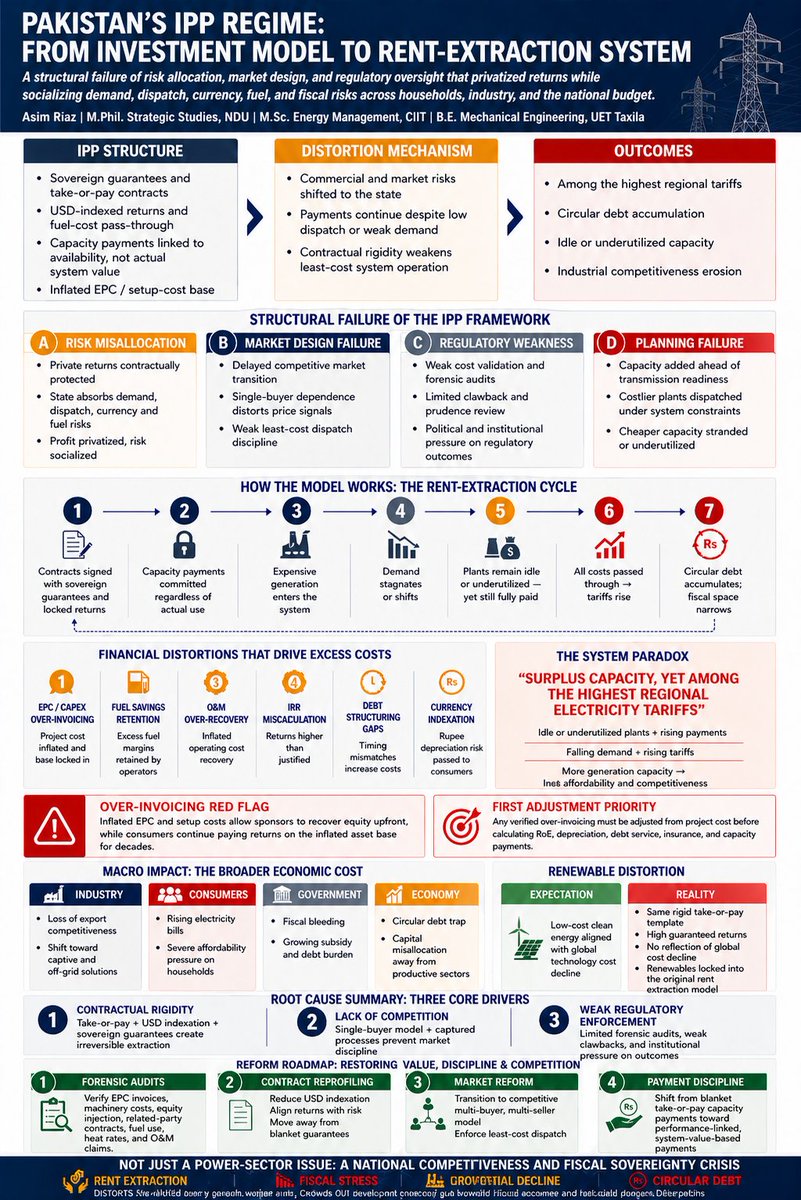
IPPs have policy and regulatory capture since 1990s
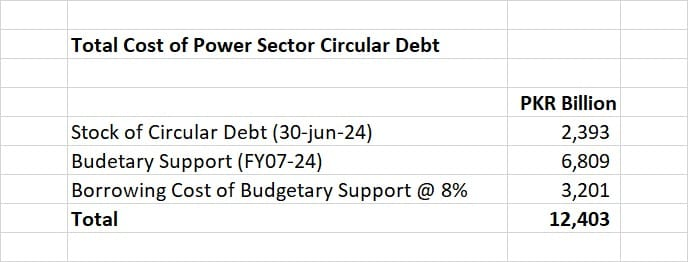
IPPs have ruined Pakistan energy sector and economy. Save the zombie grid. Save the IPPs. Burn PKR 13.5+ trillion since 2007.
Another efficient allocation of resources by the Government where trillions have already gone down the drain and the sector is still trapped in circular debt, idle capacity and utility death spiral.
@PakPMO@GovtofPakistan@Financegovpk@MIshaqDar50@sifcpakistan@betterpakistan@MoWP15@PlanComPakistan@MOPASSPK@MoIB_Official@nhsrcofficial@MusadaqZ@BilalAKayani@jam_kamal@PIDEpk@nadeemhaque@shahzadsaleem@rehanjawed@rogueonomist@AliKhizar@Asad_Ashah@AAMcGill@AtifRMian@peconomist_@najam_ali@MiftahIsmail@DrIkramulHaq@Huzaimabukhari@SaleemFarrukh@HarounRashid2@mukhtarkhurram@EnergyFluxNews@APTMAofficial@AptmaUncut@FPCCIOfficial
OIL AT $100 BUT $177 SPIKE INCOMING: NUTTALL'S HISTORIC WARNING
Oil expert Eric Nuttall just delivered a sobering update. Middle East production has collapsed by 14 million barrels per day and global inventories are drawing at an eye-watering pace. Yet the market remains shockingly apathetic even as physical shortages are already appearing in Africa, Europe, and Australia.
THE SUPPLY SHOCK OF A LIFETIME
➡️ Middle Eastern output is down 14 million barrels per day with OPEC exports slashed by 11 to 12 million.
➡️ That means 360 million barrels forfeited every single month—production gone forever.
➡️ The biggest SPR release in history is only making the imbalance worse.
THE INVENTORY NIGHTMARE
➡️ Global oil inventories are racing toward all-time lows.
➡️ We have already lost 700 million barrels.
➡️ Even if the Strait of Hormuz opened tomorrow the world would still lose 1.5 billion barrels total.
➡️ The IRGC is simply waiting Trump out while the problem worsens exponentially.
THE PHYSICAL SHORTAGES BEGIN
➡️ Africa is seeing gas station owners murdered because pumps have run dry.
➡️ London Heathrow is facing jet fuel crisis after 60-plus days of disrupted imports.
➡️ Australia is scrambling for diesel following a refinery fire and China cutting exports.
THE LIMITED FIXES
➡️ US shale production peaked in November last year—the best days are behind us.
➡️ UAE exiting OPEC adds at most 500 to 800 thousand barrels per day of hidden capacity after accounting for prior cheating.
➡️ Non-OPEC production is peaking this year.
THE PRICE DISCOVERY AHEAD
➡️ Only way to balance this historic mismatch is massive demand destruction equivalent to COVID levels.
➡️ Historical math shows oil consuming 5.5 percent of global GDP forces that outcome.
➡️ That number lands at $177 per barrel.
➡️ New realistic floor is now $80 to $100 plus a political risk premium.
THE BOTTOM LINE
Eric Nuttall feels like the researcher in Wuhan in January 2020—he sees exactly what is coming while the market refuses to look. Complacency is ending in days or weeks as the gravity of this imbalance finally breaks through.
This is the sound of the biggest energy supply crunch in history finally waking everyone up.
HT: YouTube Trevor Rose
#OilCrisis #StraitOfHormuz #EnergyShortage #$177Oil #NuttallWarning #SupplyCrunch #OilMarket
1. Pakistan’s power-sector challenge is changing. The issue is no longer only whether enough generation capacity exists. The deeper challenge is whether electricity is available when needed, from resources that are flexible, deliverable, and capable of supporting system stability.
2. The sector must move from capacity addition to system optimization. Pakistan has historically focused on adding megawatts. The SMP data shows that the next reform phase should focus on the quality, timing, and flexibility of capacity rather than capacity volume alone.
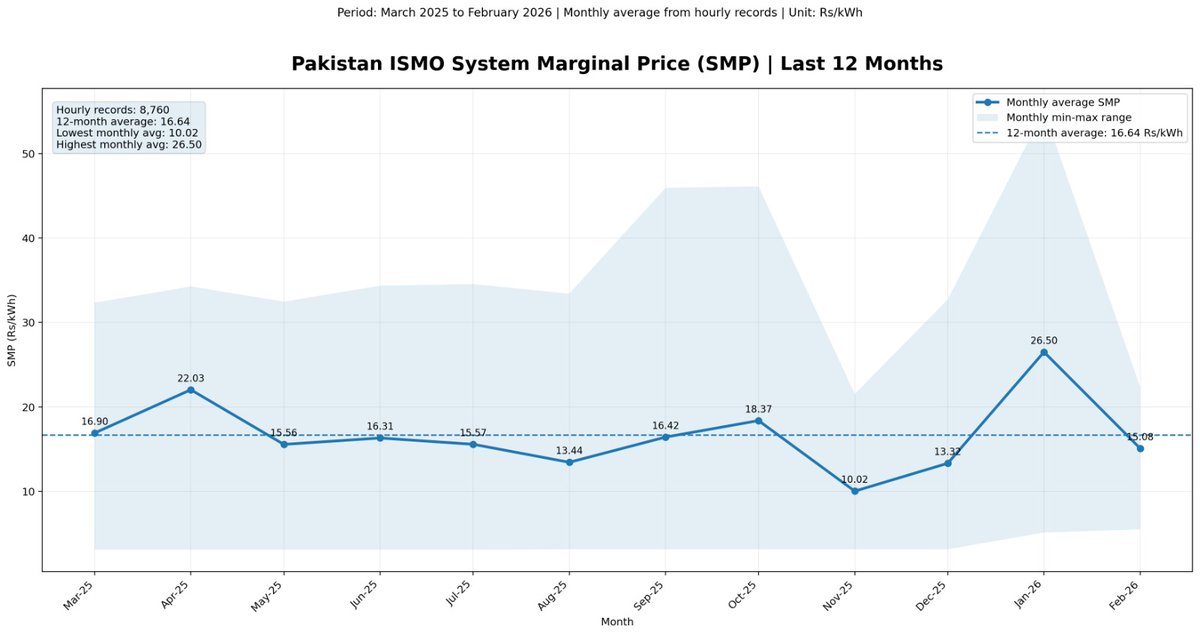
3. Electricity no longer has a uniform value across the day. The hourly SMP pattern shows that some hours are materially lower-value while others are system-critical. This weakens flat average-cost thinking and supports time-sensitive market and tariff design.
4. The duck curve is emerging in Pakistan. Midday prices are being suppressed by solar, hydro, and must-run resources, while evening prices rise as solar output declines. This confirms that Pakistan is beginning to face the operational issues already seen in more renewable-heavy systems.
5. The lowest-price period is now midday, not nighttime. The 11:00 to 14:00 block has become the lowest-value period, averaging Rs 13.17/kWh. This is important because many tariff structures still treat off-peak energy as mainly nighttime energy.
6. The evening peak is now the system’s value zone. The 18:00 to 23:00 block averages Rs 20.33/kWh. This is the period where dispatchable generation, storage, demand response, ramping capability, and ancillary services provide the highest economic value.
7. Scarcity is episodic, not continuous. The data does not show a system that is always short of energy. Instead, it shows specific high-value and stress periods. The policy focus should therefore be on managing ramps and peaks rather than treating every hour as equally scarce.
8. System Marginal Price reflects short-run marginal energy cost only. It excludes capacity payments, T&D costs, losses, taxes, surcharges, subsidies, and prior-period adjustments. This distinction is essential for serious tariff analysis.
9. High consumer tariffs are driven by structural costs. Pakistan’s affordability crisis is linked mainly to fixed-cost recovery, capacity payments, underutilized plants, transmission constraints, DISCO losses, weak recoveries, and legacy contracts. SMP explains marginal energy value, not the full tariff burden.
10. Hence, CTBCM must become a full market architecture with affordable UoSC (Wheeling i.e. 1 cents per kWh). It cannot remain limited to bilateral energy trading.
11. A credible CTBCM must price energy, congestion, balancing, reserves, deviations, and flexibility through transparent and bankable mechanisms.
12. ISMO dashboards are critical reform infrastructure. Transparent dashboards covering hourly SMP, demand, generation mix, marginal units, reserve margins, curtailment, constrained dispatch, imbalance prices, and ancillary-service procurement will improve market confidence and accountability.
13. NEPRA’s role must evolve under CTBCM. NEPRA will need to regulate not only tariffs but also market conduct, dispatch discipline, transparency, settlement rules, and flexibility procurement. SMP data gives the regulator a practical tool for monitoring market outcomes.
14. Flexible industrial captive plants based on gas-fired reciprocating engines can provide significant system value. This value increases when they are integrated with high-efficiency CHP and renewable assets. They offer fast ramping, partial-load support, evening peak relief, useful heat recovery, and grid-support capability. Under CTBCM, such optimized industrial installations should receive gas at OGRA-prescribed SNGPL and SSGC tariffs, without the captive levy, where they support system optimization, renewable integration, and industrial competitiveness.
@PakPMO@MoWP15@MiftahIsmail@MusadaqZ@mukhtarkhurram@rehanjawed@Asad_Ashah@rogueonomist
The power crisis in Pakistan is a highly complex and multidimensional challenge that requires a well-considered, intelligent, and effective strategic approach to address the issues as pointed out by @AsimRiaz1978
ALERT:🚨🇮🇷🚀
Following the US targeted attack on Iran's Abbas Airport, the US has violated the ceasefire.
It is highly likely that Iran will return to full-scale war against America and Israel tonight 🇺🇸🇮🇱
After natural disasters, white nationalists, militias, and conspiracists often arrive, offering help. But they also want to recruit and improve their image. Watch the full 60 Minutes report: https://t.co/ZjckEj3Lt8