You ever meet someone who you know will help change the world just by existing...then you get to know them and see how much they're actively doing to make a #betterworld. Allow me to introduce you to my friend and inspiration for all of our upcoming #MAPT projects, Linde Lee🤩 Kismet brought us together to watch Tim Miller's plenary presentation on tau-targeting therapies for @alzassociation #AAIC24
👉Add her @CureMaptFtd to see how a daughter's love and three sister's passion for finding a cure will be the catalyst the world needs for solving the mysteries of #tau accumulation in the brain. Grateful to @RCFNeuro and @virginiahughes for amplifying her voice.
***Hot off the @JAMANeuro e-press***
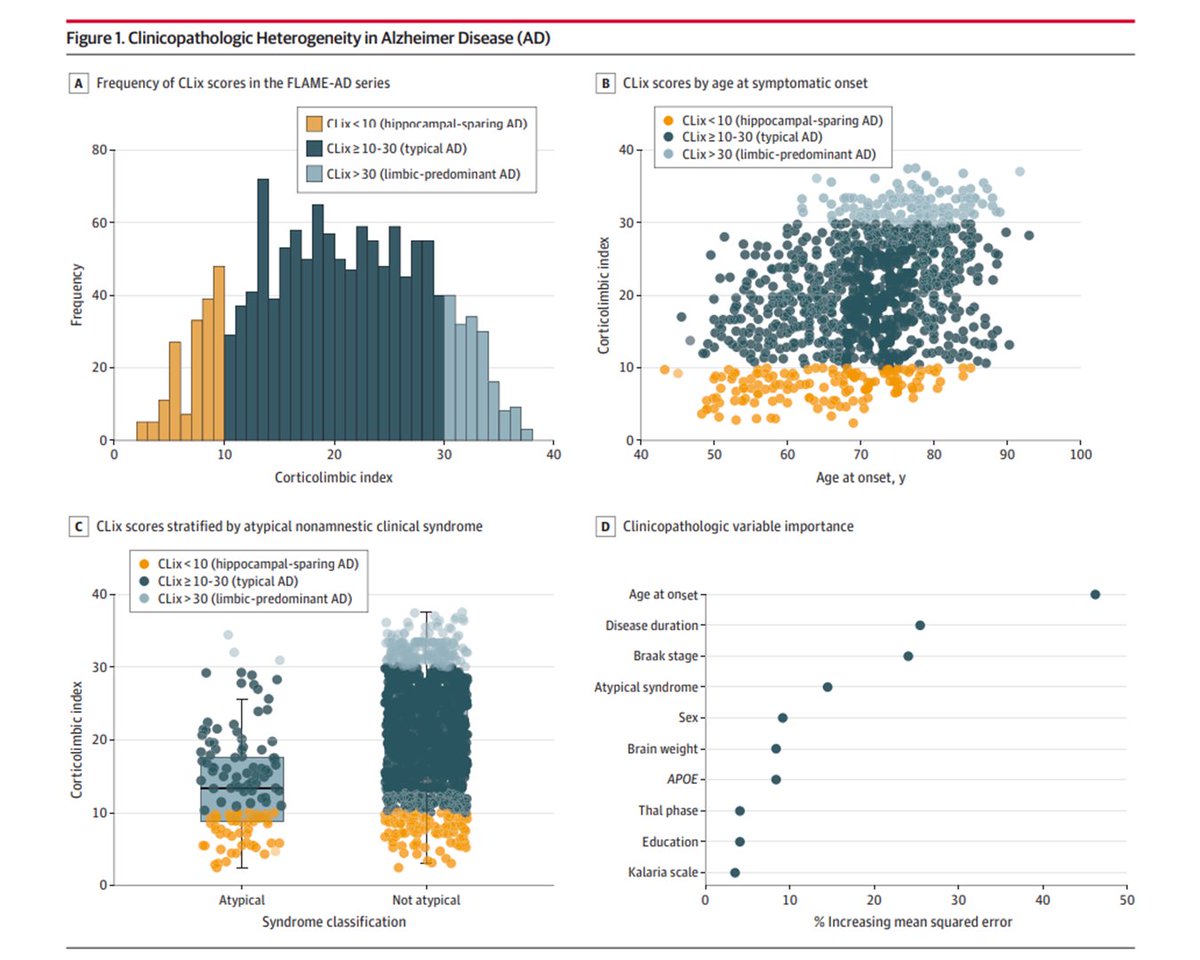
While seeking to investigate clinicopathologic heterogeneity and glial activation patterns of #Alzheimers...we created a corticolimbic index (CLix) to better capture the individuality of tangle distribution.
https://t.co/qmLB9Cr4yE
@DrNeuroChic@JAMANeuro Thank you to all our colleagues who contributed to this study - we still have a ways to go to understand microglial changes in AD. @DrNeuroChic thank you for your continuous support and mentorship!
Alzheimer disease heterogeneity exists along a continuum of corticolimbic tangle distribution. Reduced CD68 burden may signify an underappreciated association between tau accumulation and microglia/macrophages activation.
https://t.co/4JHW1ZhA5o
@naomikouri@DrNeuroChic
Alzheimer disease heterogeneity exists along a continuum of corticolimbic tangle distribution. Reduced CD68 burden may signify an underappreciated association between tau accumulation and microglia/macrophages activation.
https://t.co/4JHW1ZhA5o
@naomikouri@DrNeuroChic
Researchers whose findings were not available during the #AAIC23 abstract submission period are invited to submit their abstracts as a Developing Topic. Submissions accepted through April 24: https://t.co/L8uVvrfslQ #ENDALZ
The National Institutes of Health’s “China initiative” has upended hundreds of lives and destroyed scores of academic careers.
Learn more: https://t.co/zeBNNcMiF1 @NewsfromScience
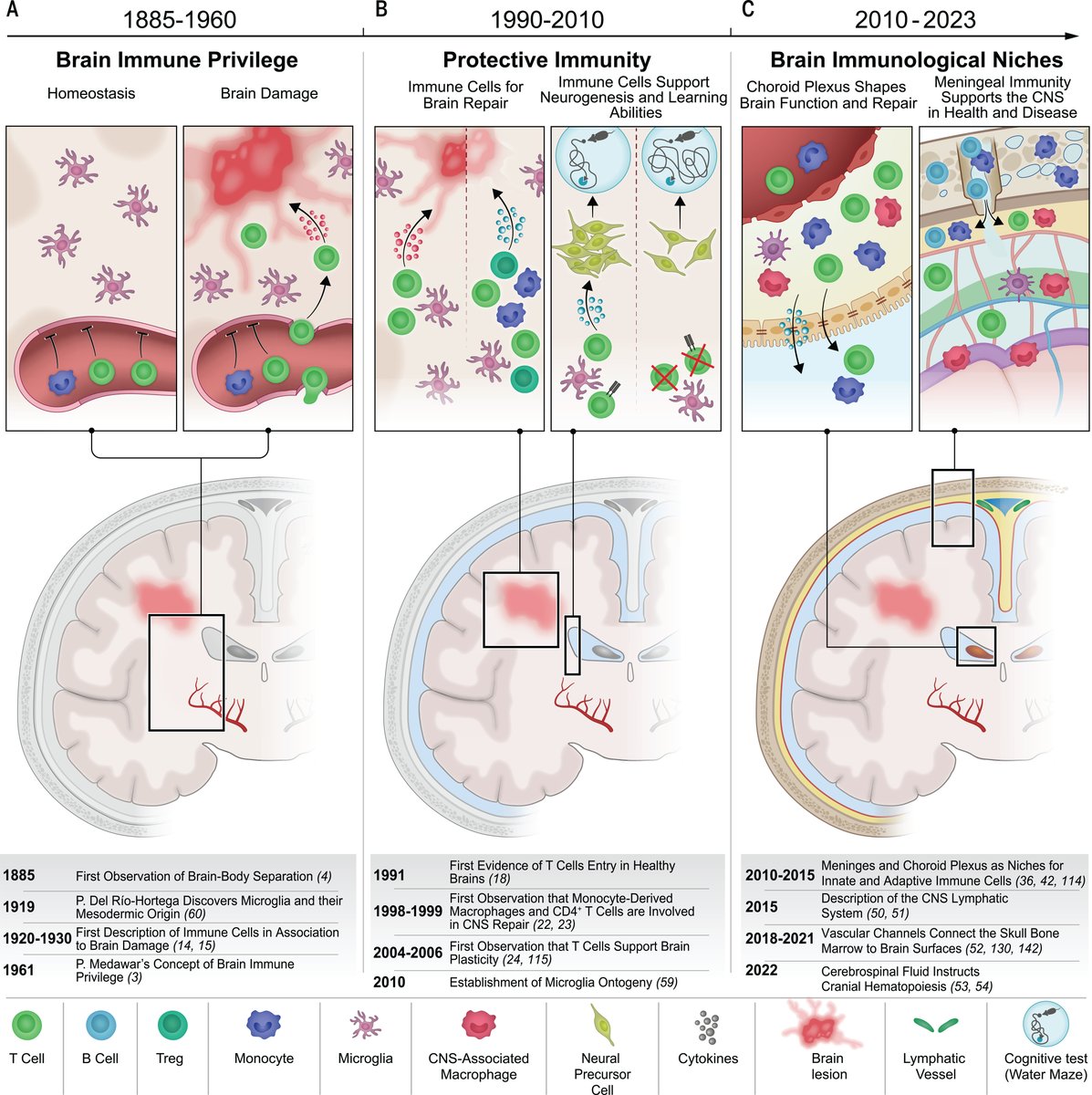
Our understanding of how the brain and immune system interact has changed substantially over the past years and decades.
A new #ScienceReview takes a look at recent discoveries that are transforming our understanding of brain immunity: https://t.co/PrmpXBrVry
Researchers, get back to The Basics! Join us for a series of free ISTAART Professional Interest Areas (PIA) webinars throughout April featuring educational content from experts across the field of Alzheimer’s and dementia research. Register today: https://t.co/OP0uQd9IPn
This is the case for all UK brain banks. Many researchers want to use the amazing resources that brain banks have for vital research. These resources cost money to run yet funding agencies and researchers think they can run on thin air!! #pathologymatters
Your retweet can make the difference for someone affected by Parkinson's disease! Make sure people know that they can follow our page to start living better with PD. You never know who you can help us reach 💙
Identifying molecular fingerprints of #Alzheimers disease and related #dementias in multiethnic populations is the goal of @MayoClinic researchers and collaborators through a new federal grant. https://t.co/lMZPqR1TVB
@DrNErtekinTaner
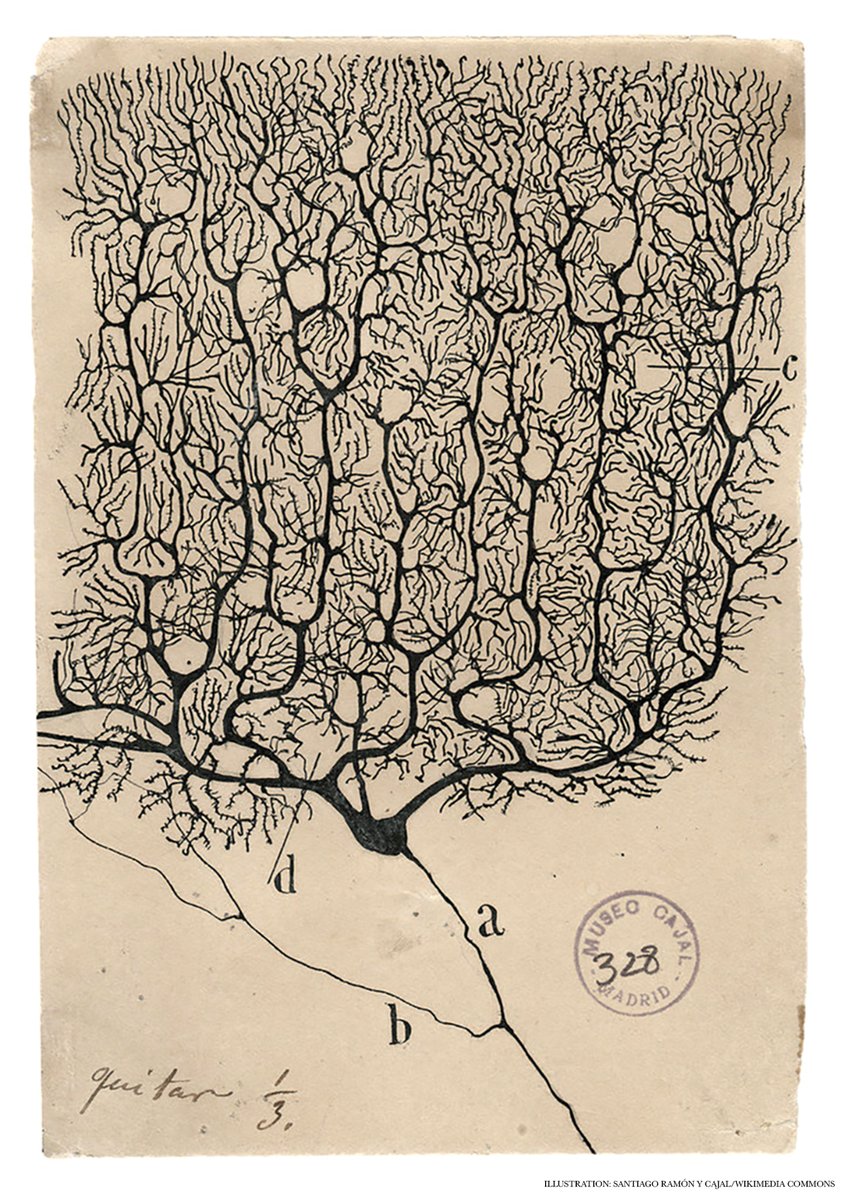
Drawing the mind, one neuron at a time: A 2022 book walks readers through the life and work of Santiago Ramón y Cajal, the Spaniard whom many consider the founder of modern #neuroscience.
Check out the @SciMagBooks review during #BrainAwarenessWeek: https://t.co/6LEmnFM8ny
Dear #Atypical#Alzheimers community, are you an @ISTAART member? Then please make sure to vote for next terms executive committee of the PIAs. I'm running for Programs Chair and can use your vote - if you think I'm up for the job of course!
New research in Science presents a synapse-by-synapse map of an insect’s brain, representing a valuable resource for future experimental and theoretical studies of neural circuits and brain function. https://t.co/DnUNPOrqgr
Ozone (O3) is a component of air pollution linked to increased AD risk. Greve et al. show that O3 exposure impairs the ability of microglia to form a protective barrier around Aβ plaques, leading to increased plaque load and neuropathology in mice. https://t.co/VLsxGf7maH